

Why Türkiye for Medical Dermatology?
Türkiye has become a leading destination for medical travellers seeking high-quality, affordable care. While the country is famous for hair transplants and aesthetic procedures, its hospital-based dermatology departments are equally impressive—especially for chronic and complex skin conditions. Turkish dermatology clinics combine advanced diagnostics, evidence-based treatments, and a patient-first approach that appeals to international visitors.
Many university hospitals and private healthcare groups in Istanbul, Ankara, and Izmir are accredited by international bodies and staffed by dermatologists who have trained in Europe and the United States. They routinely treat psoriasis, eczema, severe acne, vitiligo, and skin cancer, offering therapies that may be unavailable or prohibitively expensive elsewhere.
For patients with long-term skin diseases, Türkiye offers more than a one-off consultation: it provides a comprehensive management plan that can be continued at home with remote support. This blend of expert in-person assessment and structured follow-up makes Türkiye a compelling choice for medical skin care.
Conditions Treated in Hospital-Based Dermatology
Hospital dermatology departments in Türkiye focus on medically indicated conditions, not just cosmetic concerns. Common reasons international patients seek care include:
- Psoriasis: Chronic plaque psoriasis, guttate psoriasis, and psoriatic arthritis. Turkish clinics offer phototherapy, systemic medications, biologics, and multidisciplinary care with rheumatology.
- Eczema (Atopic Dermatitis): Personalized treatment plans including topical therapies, dupilumab, and other advanced options, plus education on trigger avoidance.
- Acne Scarring: Medical assessment and treatments such as fractional laser, microneedling, subcision, and chemical peels—performed by dermatologists who understand skin of all types.
- Mole Assessment: Dermoscopic evaluation and biopsy for suspicious lesions, with rapid histopathology and oncology support if needed.
- Other Conditions: Vitiligo, alopecia areata, contact dermatitis, chronic urticaria, and skin infections.
Because these are hospital-based departments, patients benefit from integrated laboratory services, imaging, and access to other specialties under one roof—essential for conditions with systemic involvement.
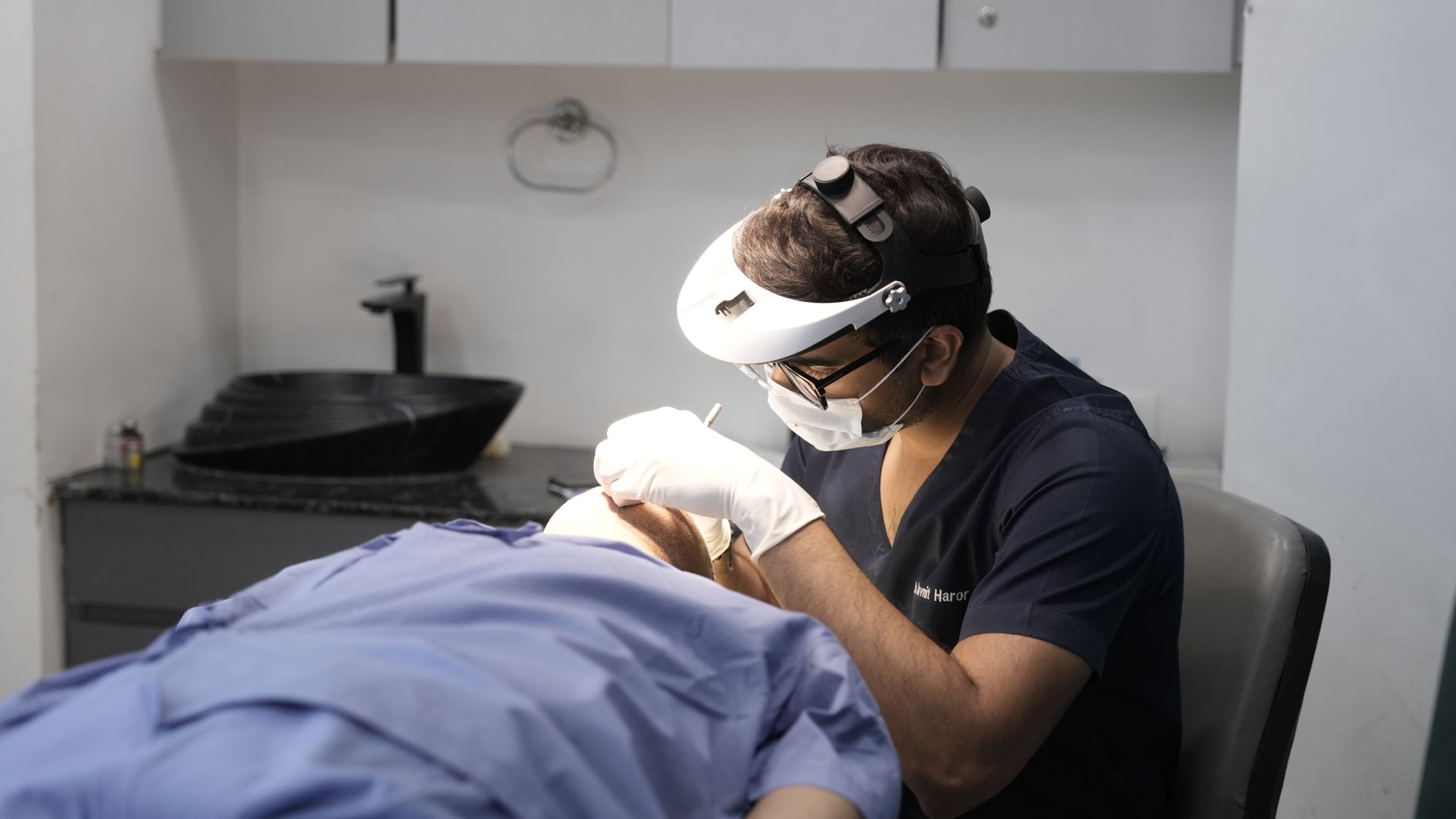
How to Arrange a Consultation as an International Patient
Planning a medical visit to Türkiye is straightforward, especially with the help of international patient departments. Here’s a step-by-step guide:
- Research and Choose a Hospital: Look for hospitals with dedicated dermatology clinics and international patient services. Check accreditation (JCI, ISO) and read reviews from other international patients.
- Gather Your Medical Records: Collect previous biopsy reports, blood tests, photos of your skin condition, and a list of treatments tried. English translations are helpful but not always mandatory.
- Contact the International Patient Department: Most hospitals have English-speaking coordinators who can schedule appointments, provide cost estimates, and assist with visa invitation letters.
- Pre-Consultation Review: Some clinics offer online consultations before you travel, allowing the dermatologist to review your case and plan necessary tests.
- Plan Your Trip: Allow enough time for consultations, patch testing (which may require multiple visits), and treatment initiation. Istanbul is well-connected with direct flights from many countries.
Be transparent about your medical history and expectations. A good clinic will discuss realistic outcomes and provide a written treatment plan.

Patch Testing and Advanced Diagnostics
For patients with suspected allergic contact dermatitis, patch testing is the gold standard. Turkish dermatology departments use standardized series (e.g., European Baseline Series) and often customize panels based on your occupation and lifestyle.
Patch testing involves applying allergens to your back in small chambers, then reading results at 48 and 72–96 hours. This means you’ll need to stay in Türkiye for at least 3–5 days. The advantage of doing this in a hospital setting is the ability to combine patch testing with other diagnostics—such as blood tests, skin biopsies, or photopatch testing—in a single coordinated visit.
Other advanced diagnostics available include dermoscopy, confocal microscopy, and genetic testing for certain skin disorders. Results are typically available quickly, so treatment can start without delay.
Long-Term Treatment Plans and Remote Follow-Up
One of the biggest concerns for international patients is continuity of care after returning home. Turkish dermatology clinics are increasingly set up to provide structured remote follow-up.
After your in-person evaluation, your dermatologist will create a personalized treatment plan that may include prescriptions, phototherapy protocols (which can sometimes be arranged locally), and lifestyle recommendations. You’ll receive a detailed report in English to share with your local doctor.
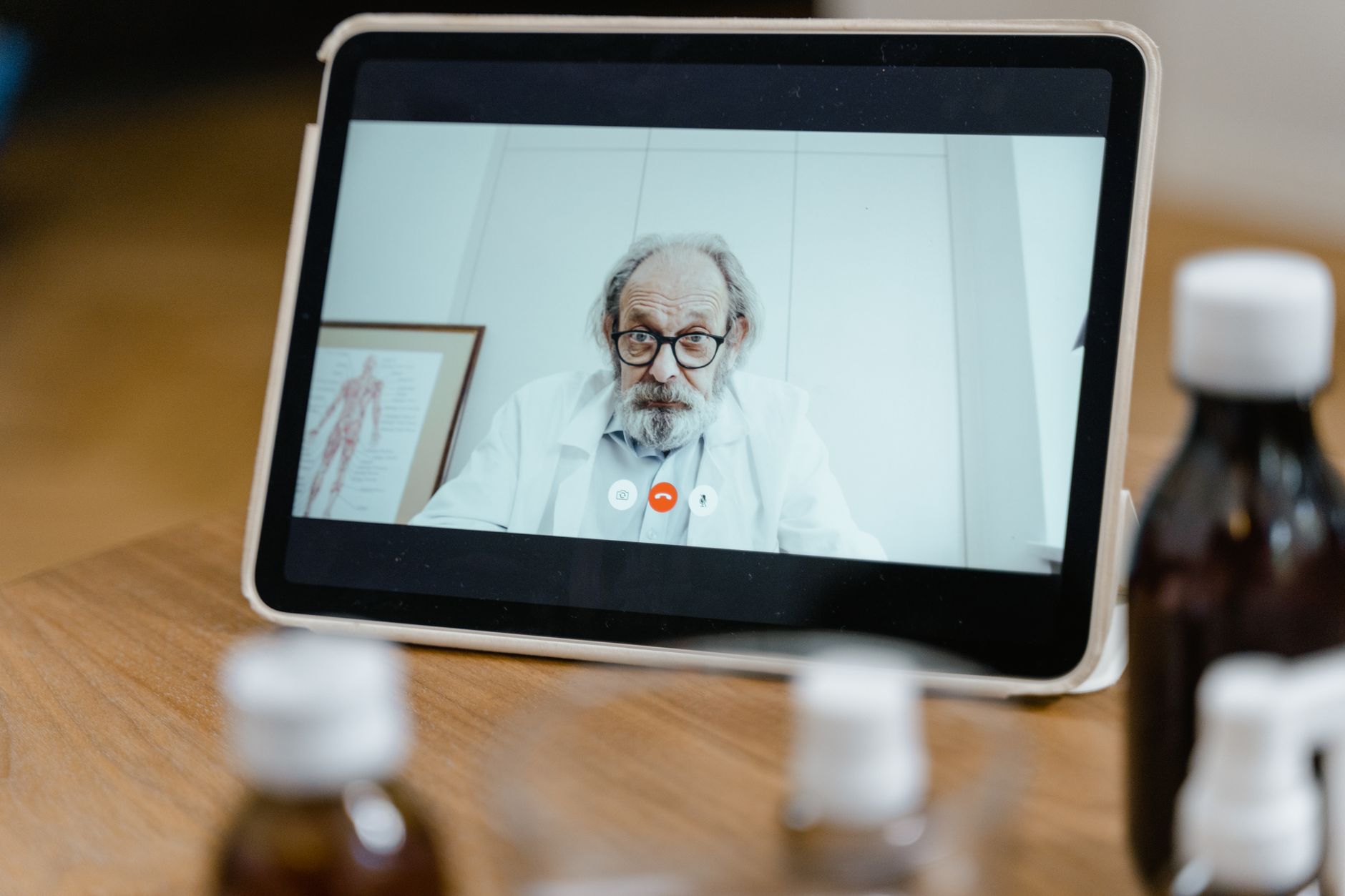
Remote follow-up is usually conducted via secure video calls or email. You can send updates, photos, and lab results, and the Turkish dermatologist will adjust your plan accordingly. Some hospitals offer telemedicine packages for 6–12 months, ensuring you’re not left on your own.
For patients on biologics, the clinic can coordinate with local providers to ensure safe administration and monitoring. If you need a follow-up visit in Türkiye, the international department can help schedule it efficiently.
Combining Medical Care with a Comfortable Stay
Istanbul and other Turkish cities offer a wide range of accommodation options, from luxury hotels to serviced apartments near major hospitals. Many hospitals have partnerships with nearby hotels that offer discounted rates for medical travellers.
While your trip is primarily for medical reasons, you can also enjoy Türkiye’s rich culture, cuisine, and hospitality. Take time to rest and recover; a relaxed state supports better skin healing. Whether you’re strolling through historical sites or enjoying a quiet tea by the Bosphorus, your stay can be both medically productive and personally refreshing.
Remember to check with your dermatologist about sun exposure and any activity restrictions, especially after procedures like patch testing or laser treatments.
Why Hospital-Based Dermatology Matters
Hospital-based dermatology offers advantages over standalone clinics: multidisciplinary care, access to advanced technology, and rigorous safety standards. In Türkiye, these departments are often at the forefront of clinical research, giving patients access to innovative therapies through clinical trials.
For international patients, the combination of expert medical care, affordability, and the opportunity to explore a fascinating country makes Türkiye a top choice. With proper planning and remote follow-up, you can achieve better skin health without disrupting your life at home.
If you’re struggling with a chronic skin condition, consider reaching out to a Turkish hospital’s international patient department. A clear, medically sound plan may be closer than you think.
Thinking about treatment in Turkey?
Send us a question about this site or about the information published on it. This is a publisher's mailbox, not a medical service and not a route to a particular provider — for clinical questions, contact your own doctor.