
Why Diabetes Care Is Different in Türkiye's Surgical Hospitals
If you live with diabetes and are considering surgery abroad, the most important question isn't just about the procedure itself — it's about how your blood sugar will be managed around it. High or erratic glucose levels increase the risk of infection, slow wound healing and lengthen hospital stays. Türkiye's leading private hospitals have responded to this reality by building integrated protocols that treat diabetes not as an afterthought, but as a core part of the surgical journey.
In Istanbul, Ankara and Izmir, internationally accredited hospitals routinely combine endocrinology consultations, anaesthesia planning, diabetes-specialist nursing and clinical dietitian support into one seamless package. This isn't marketing language — it's a structured pathway refined over years of treating international patients from Europe, the Gulf, the UK and beyond.
For diabetic travellers, this integrated approach translates into something very practical: fewer complications, more predictable recovery times and the confidence that someone is watching your glucose levels as closely as they're watching your surgical site.
Pre-Operative Assessment: Endocrinology Input from Day One
Preparation begins long before you board your flight. Turkish hospitals that serve international patients typically ask for recent HbA1c results, a medication list, details of your insulin regimen and any history of hypoglycaemia. This information is reviewed by an endocrinologist who works alongside your surgical team — not in isolation.
During your pre-operative assessment in Türkiye, you'll usually meet an internal medicine or endocrinology specialist who will assess your current control, adjust medications if needed and set a personalised target range for the perioperative period. Many hospitals aim for a fasting glucose range that balances safety during anaesthesia with realistic expectations for someone with long-standing diabetes.
This is also when practical details get sorted: whether you should pause certain oral medications, how your insulin doses will be adjusted on the day of surgery, and what your meal plan will look like during the first 48 hours after the procedure. Some hospitals provide interpreters and diabetes educators who walk you through every step in your own language.
The result is that you arrive at the operating theatre with a clear, documented plan — not a vague promise to 'monitor your sugar.'

Blood Sugar Management During Surgery and the Immediate Post-Op Window
The intraoperative period is where integrated care really shows its value. Anaesthesiologists in Türkiye's major private hospitals are experienced in managing diabetic patients, and they work with variable-rate intravenous insulin infusion protocols when needed. This allows glucose levels to be kept within a tight target range even during long procedures.
In the recovery room and the first 24 hours on the ward, nurses with diabetes training check glucose frequently — often hourly at first, then at structured intervals. Many hospitals use point-of-care testing that gives results within seconds, so adjustments to insulin or glucose infusions happen in real time rather than waiting for lab results.
This matters enormously for outcomes. Stable glucose during and immediately after surgery is associated with lower rates of surgical site infection, better wound healing and shorter hospital stays. For international patients far from home, knowing that this level of monitoring is standard practice removes a significant layer of anxiety.
If something does shift — a rise after a corticosteroid, a dip after fasting — the protocol is already in place. You're not waiting for a specialist to be called in; the system is designed to respond.

Dietitian Support and Tailored Meal Plans in Recovery
Food is often the trickiest part of diabetes management, and it becomes even more complicated when you're recovering from surgery in a foreign country. Turkish hospitals address this with clinical dietitians who create individualised meal plans that account for your surgery, your diabetes medications and your cultural preferences.
Instead of a generic 'diabetic tray,' you'll typically receive meals designed around low-glycaemic carbohydrates, adequate protein for wound healing and controlled portion sizes. Turkish cuisine lends itself surprisingly well to this: grilled fish, olive-oil vegetables, yoghurt, legumes such as lentils and chickpeas, and fresh salads are staples that fit comfortably into a diabetes-friendly plan.
Dietitians also work with the kitchen to adjust timing — for example, coordinating meals with insulin peaks or planning an evening snack if you're at risk of overnight hypoglycaemia. If you're on a specific type of insulin or an insulin pump, the team can adapt the plan accordingly.
Before discharge, you'll usually receive written guidance in your language, including sample menus, portion guides and advice on what to eat during your first weeks back at home or in a hotel. This practical handover is one of the most appreciated aspects of Türkiye's patient-first approach.
Monitoring, Education and Discharge Planning
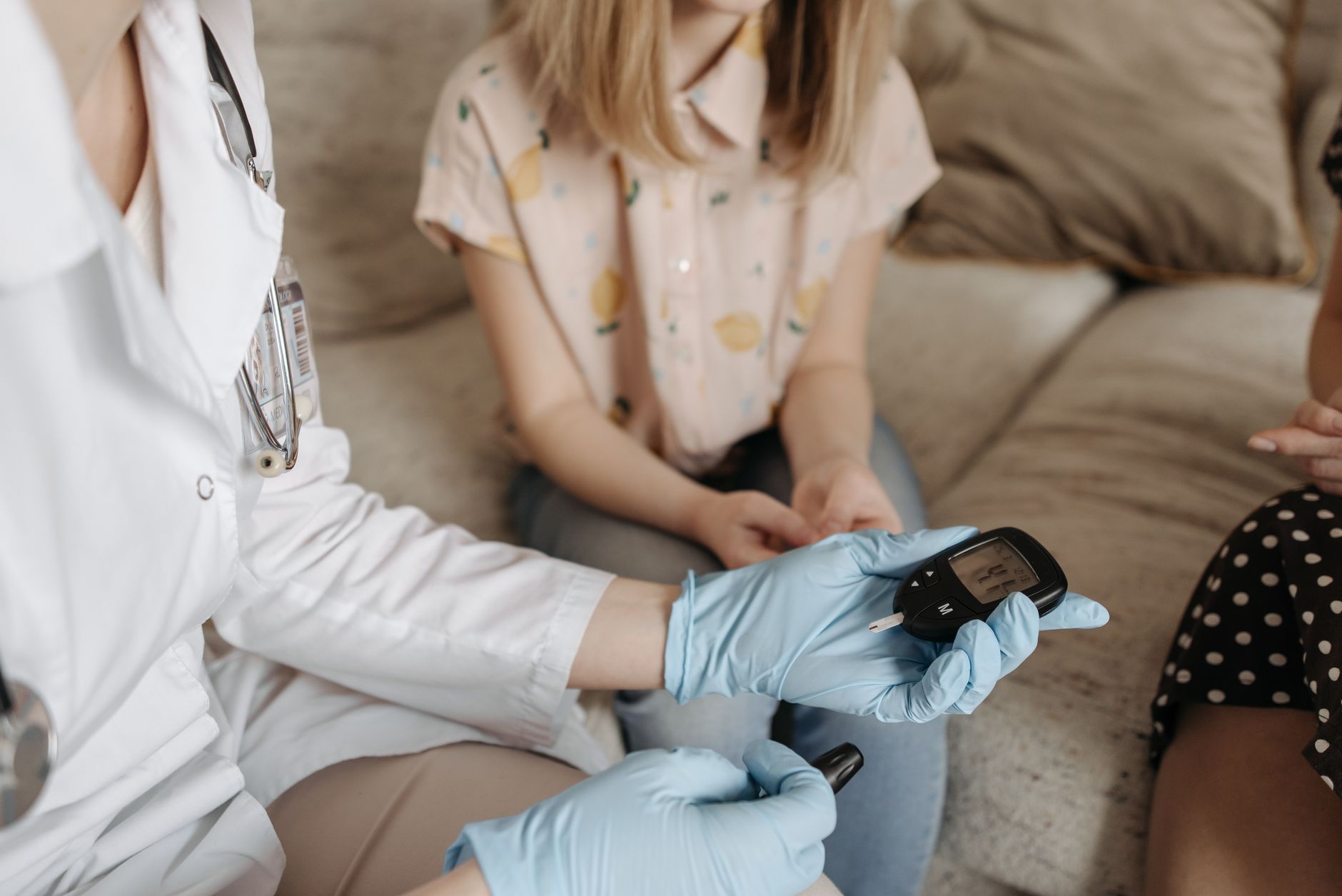
As you progress towards discharge, the focus shifts from intensive monitoring to education and self-management. Nurses and diabetes educators in Turkish hospitals typically teach patients how to check glucose at home, how to recognise and treat hypoglycaemia, and when to contact the clinic.
Many hospitals provide a written discharge summary that includes your blood sugar trends during admission, medication changes, target ranges and follow-up recommendations. This document is invaluable when you return to your own doctor or endocrinologist abroad.
For patients staying in Istanbul or other Turkish cities for a few days after discharge, some hospitals offer outpatient check-ins or telemedicine follow-ups. This bridges the gap between hospital care and your flight home, reducing the risk of problems developing unnoticed.
It's this continuity — from pre-op assessment to post-discharge follow-up — that distinguishes Türkiye's integrated model. You're not handed a pamphlet and sent on your way; you're supported until you're stable and confident.
Practical Benefits for Diabetic Travellers Choosing Türkiye
The most obvious benefit is clinical: fewer complications and safer surgery. But there are practical advantages that matter just as much for international patients. Turkish hospitals generally offer significantly lower costs than equivalent private care in Western Europe or North America, without compromising on endocrinology input or dietitian support.
Travel logistics are also well-organised. Many hospitals have international patient departments that help with appointment scheduling, airport transfers and accommodation close to the hospital. For diabetic travellers, this means less stress and more predictability — both of which help keep blood sugar stable.
Equally important is the culture of hospitality. Turkish hospitals are accustomed to hosting patients from abroad, and staff are often multilingual. You'll find that questions about insulin timing, meal contents or glucose meters are met with patience, not impatience.
For anyone with diabetes considering surgery abroad, the key is to choose a hospital with a genuine integrated protocol — and Türkiye has made this a standard part of its offering. The reassurance of endocrinology involvement, dietitian-designed meals and structured monitoring is not a luxury; it's the baseline.
What to Ask Before You Book
Before committing to any procedure in Türkiye, ask specific questions about diabetes care. Does the hospital have an endocrinologist available for pre-operative review? How frequently will glucose be monitored during and after surgery? Is there a clinical dietitian who can design meals around your medication regimen? What language support is available for diabetes education?
Reputable hospitals will answer these questions clearly and provide written protocols if requested. Many also offer a pre-consultation by video, so you can discuss your diabetes history with the team before you travel.
With the right preparation, diabetes doesn't have to be a barrier to seeking high-quality surgical care abroad. In Türkiye, the system is built to manage it — carefully, respectfully and with your long-term health in mind.
Thinking about treatment in Turkey?
Share your contact details and a verified doctor will follow up with a plan built around you — free, no obligation.