

Why Türkiye Is a Top Choice for Elderly Medical Travellers
Türkiye has become a leading destination for medical tourism, and increasingly, older adults are among the travellers making the journey. They come for high-quality cardiac care, orthopaedic surgery, eye procedures, dental work, and comprehensive health check-ups. What makes Türkiye especially appealing for elderly international patients is not just the advanced medicine or the competitive prices, but the warm, family-oriented culture and the geriatric-friendly design of its modern hospitals.
Turkish hospitals, particularly those accredited by JCI and located in Istanbul, Ankara, and Antalya, have invested heavily in creating environments where older patients feel safe, respected, and cared for. From the moment a patient arrives, the focus is on comfort, safety, and dignity. Families often find that the level of attention and coordination exceeds what they expected, making the experience far less stressful than they feared.
In this guide, we explore the specific features that make Turkish hospitals so welcoming for elderly international patients: fall prevention, accessible rooms, companion arrangements, and patient-centred nursing. We also look at how families benefit from coordinated logistics and attentive care teams, so you can plan your or your loved one's medical journey with confidence.
Fall Prevention: Safety as a Priority
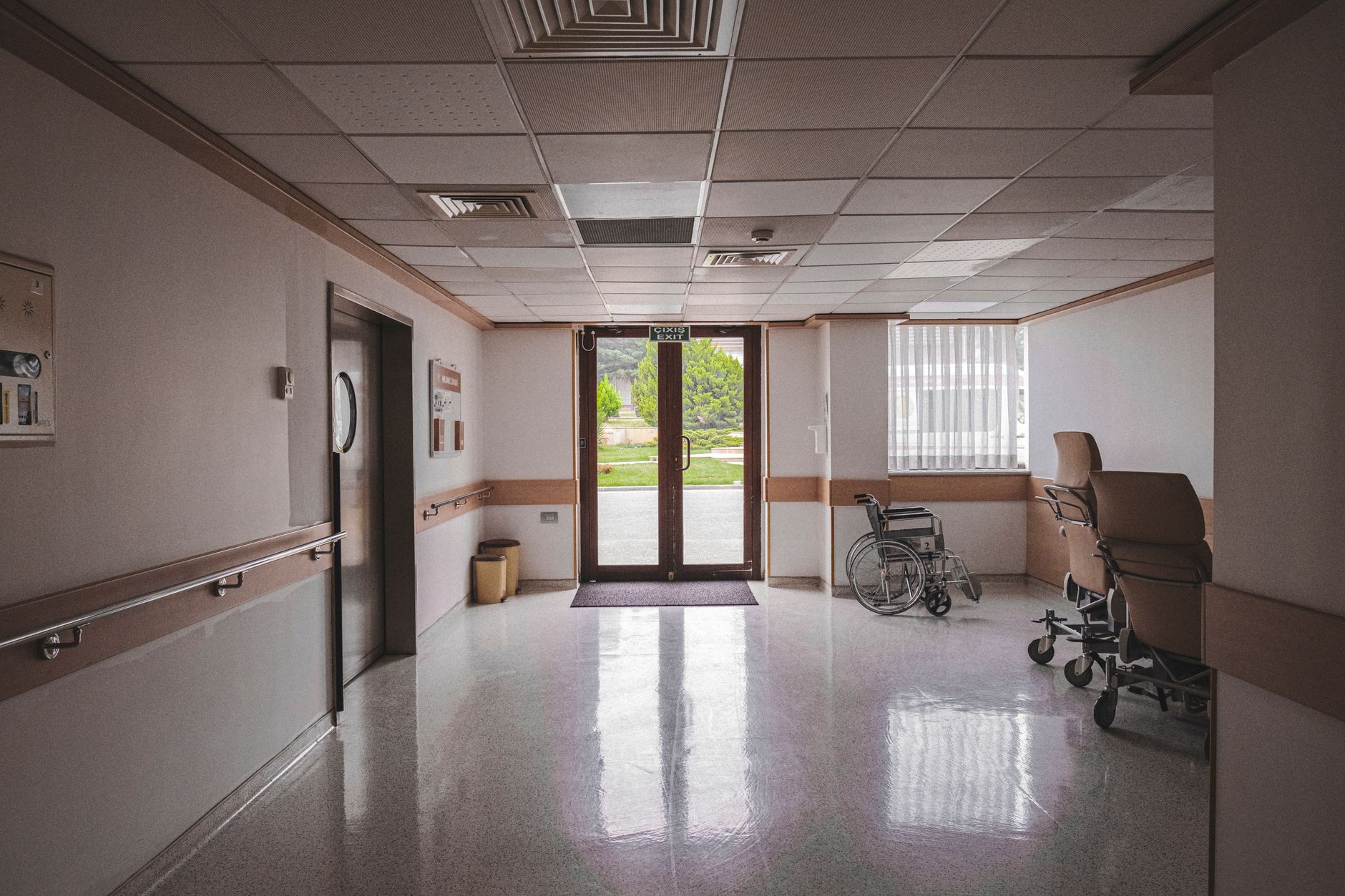
Falls are one of the greatest risks for older adults, especially in unfamiliar environments. Turkish hospitals take this risk seriously. Many facilities feature non-slip flooring in patient rooms, corridors, and bathrooms. Handrails are installed along walls in high-traffic areas, and bathrooms are equipped with grab bars near toilets and showers. These simple but effective measures dramatically reduce the chance of accidents.
Beyond the physical environment, nursing staff are trained in fall-risk assessment. Upon admission, a nurse evaluates each patient's mobility, balance, medication use, and history of falls. Based on this assessment, they implement personalised precautions. For example, a patient at high risk might be given a bed close to the nursing station, or have a bed alarm activated. Staff also assist with transfers from bed to chair or to the bathroom, ensuring no one is left to navigate alone.
Bed heights are often adjustable, and call buttons are placed within easy reach. Some hospitals use low beds and floor mats for patients with dementia or confusion. Family members are encouraged to stay involved and are shown how to help safely. This collaborative approach means that even patients with limited mobility can move around with confidence, knowing that help is always at hand.
Accessible Rooms and Thoughtful Design
Turkish hospitals designed for international patients often include rooms that are fully accessible. Doorways are wide enough for wheelchairs or walkers, and rooms have ample turning space. Bathrooms feature roll-in showers, shower chairs, and raised toilet seats. Some rooms have ceiling lifts for patients who need full assistance with transfers, reducing the physical strain on nurses and the risk of injury to patients.
Lighting is another consideration. Rooms are well-lit but avoid harsh glare, with nightlights in bathrooms and corridors so patients can find their way safely after dark. Temperature controls allow patients to adjust the room to their comfort, which is important for older adults who may be more sensitive to cold. Beds are typically electric and can be positioned to ease breathing or digestion. Televisions, phones, and Wi-Fi are standard, helping patients stay connected with loved ones back home.
Many hospitals also offer private rooms or suites, which provide a quieter, more restful environment. These rooms often include a comfortable sofa or recliner for a companion to sleep overnight. Some even have small kitchenettes or dining areas. The goal is to make the hospital stay feel less institutional and more like a supportive, healing space where both patient and family can feel at ease.
Companion Arrangements: Family Welcome
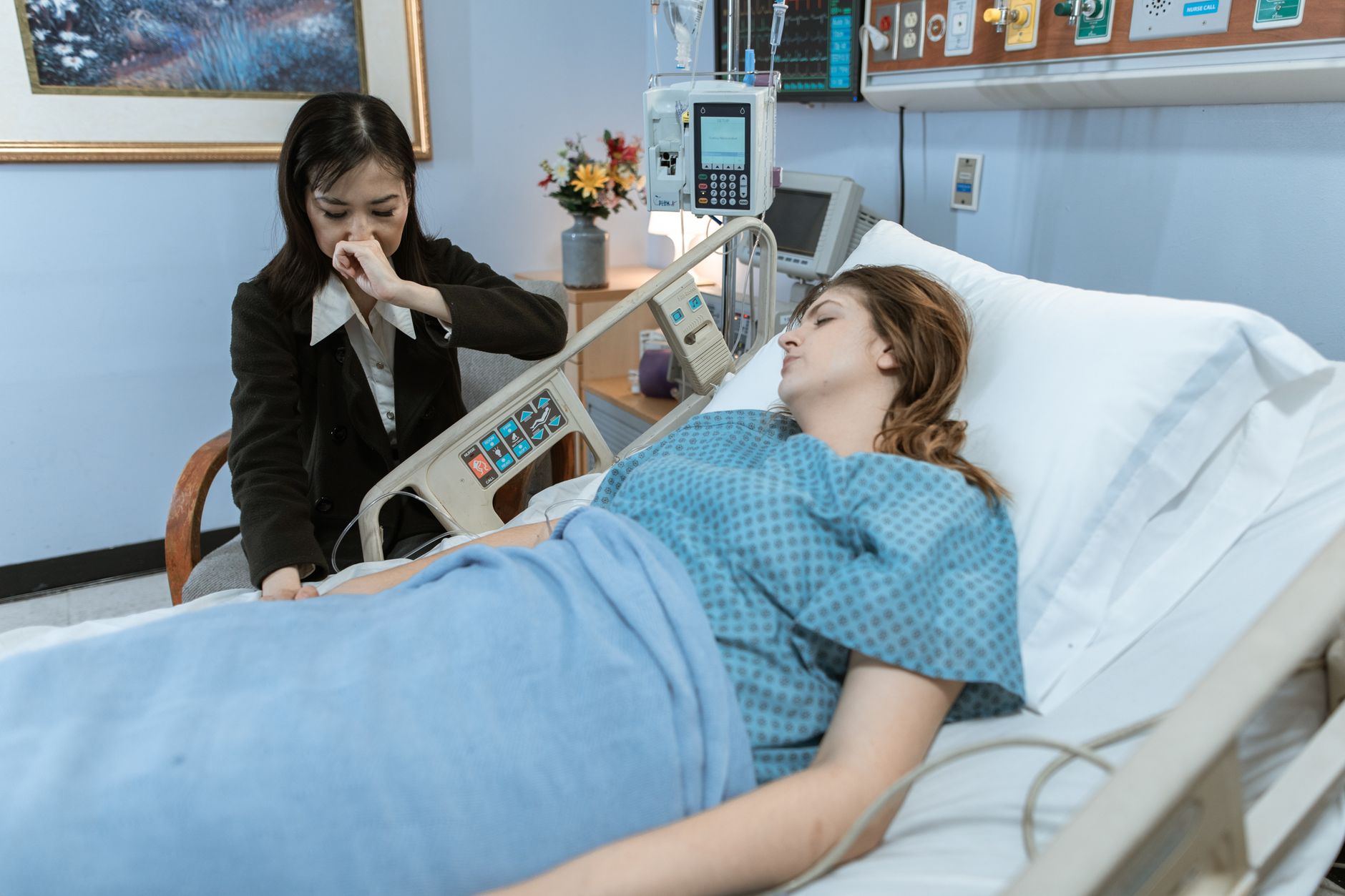
In Turkish culture, family is central to care. Hospitals extend this value to international patients by making it easy for a companion to stay. Most rooms are designed for one or two companions, with a fold-out bed or reclining chair. There is usually no extra charge for a family member to stay overnight, and hospitals provide bedding and meals for a nominal fee or sometimes free of charge.
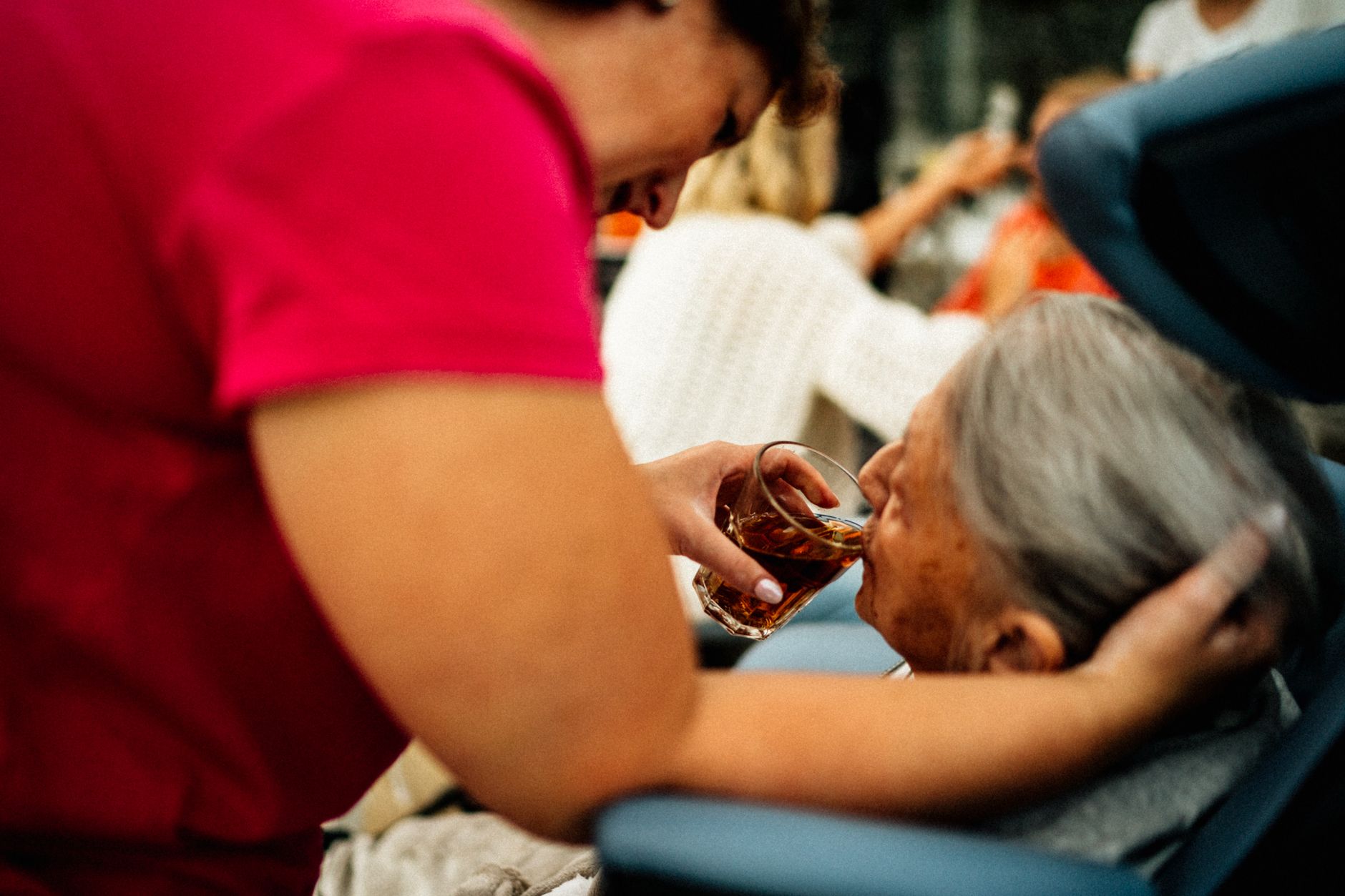
Companions are not just allowed but actively included in the care process. Nurses show them how to help with small tasks, like adjusting pillows or assisting with drinking. They are invited to ask questions during doctor rounds and are kept informed about the treatment plan. This partnership reduces anxiety for both the patient and the family member, who feels useful and involved rather than sidelined.
For families who need additional support, hospitals can arrange for a professional caregiver or translator to stay with the patient. Many international patient departments have multilingual staff who can help with everything from filling out forms to explaining discharge instructions. This means that even if a companion cannot be present at all times, the patient is never alone or without someone who understands their needs.
Patient-Centred Nursing: The Heart of Care
Turkish nurses are known for their compassion and attentiveness. In international patient units, many nurses speak English, Arabic, Russian, or other languages, and they take the time to communicate clearly and kindly. They are trained to be gentle with older adults, respecting their dignity and privacy. For example, they knock before entering, address patients by their preferred name, and explain each procedure before it happens.
Care is holistic. Nurses monitor not only vital signs but also comfort, hydration, nutrition, and emotional well-being. They notice if a patient seems lonely or confused and respond with reassurance. Pain management is proactive; nurses ask about pain regularly and adjust medications as needed. They also coordinate with dietitians to ensure meals are suitable for any dietary restrictions or chewing difficulties.
Patient-centred nursing also means involving the patient in decisions. Older adults are encouraged to ask questions and express preferences. This respects their autonomy and helps them feel in control during a time when they might otherwise feel vulnerable. Families often remark on how seen and valued their loved one felt, which is a testament to the culture of care in Turkish hospitals.
Coordinated Logistics for a Smooth Journey
Traveling abroad for medical care can be daunting, especially for older adults and their families. Turkish hospitals and their international offices take much of the stress out of the process by coordinating logistics from start to finish. This often begins before departure, with a dedicated case manager who answers questions, collects medical records, and provides a treatment plan and cost estimate.
Upon arrival, patients are often met at the airport by a hospital representative and transferred to their hotel or the hospital in a comfortable vehicle. Appointments are scheduled to minimise waiting and travel. If multiple tests or consultations are needed, they are often arranged on the same day or consecutive days to reduce back-and-forth. Translation services are provided for consultations, consent forms, and discharge instructions.
After treatment, the coordination continues. The hospital can help arrange accommodations for recovery, physiotherapy sessions, and follow-up appointments. They also provide detailed discharge summaries and communicate with the patient's doctor back home. This seamless support means families can focus on their loved one's recovery rather than navigating unfamiliar systems. It is this level of organisation that turns a potentially overwhelming experience into a manageable and even positive one.
Peace of Mind for Families
When an elderly parent or relative needs medical care abroad, family members often carry a heavy burden of worry. Turkish hospitals aim to lighten that load by being transparent, responsive, and welcoming. Families receive regular updates, can speak with doctors at scheduled times, and are given clear information about what to expect. Many hospitals offer a family liaison who can help with practical matters like SIM cards, local transport, and places to eat nearby.
The warm Turkish hospitality extends beyond the hospital walls. Companions can explore nearby cafes, parks, and markets while their loved one rests, knowing that the patient is in good hands. Some hospitals are located in areas with easy access to hotels, restaurants, and pharmacies, making daily life convenient. This blend of medical excellence and genuine human warmth creates an environment where elderly patients can heal with dignity and families can find peace of mind.
In the end, what sets Türkiye apart is not just the technology or the facilities, but the people. The nurses, doctors, and support staff who treat elderly international patients with patience, respect, and kindness. For many families, this becomes a story of hope and healing, one they are grateful to share.
Thinking about treatment in Turkey?
Share your contact details and a verified doctor will follow up with a plan built around you — free, no obligation.