

Why Türkiye Has Become a Global Hub for Haematology Care
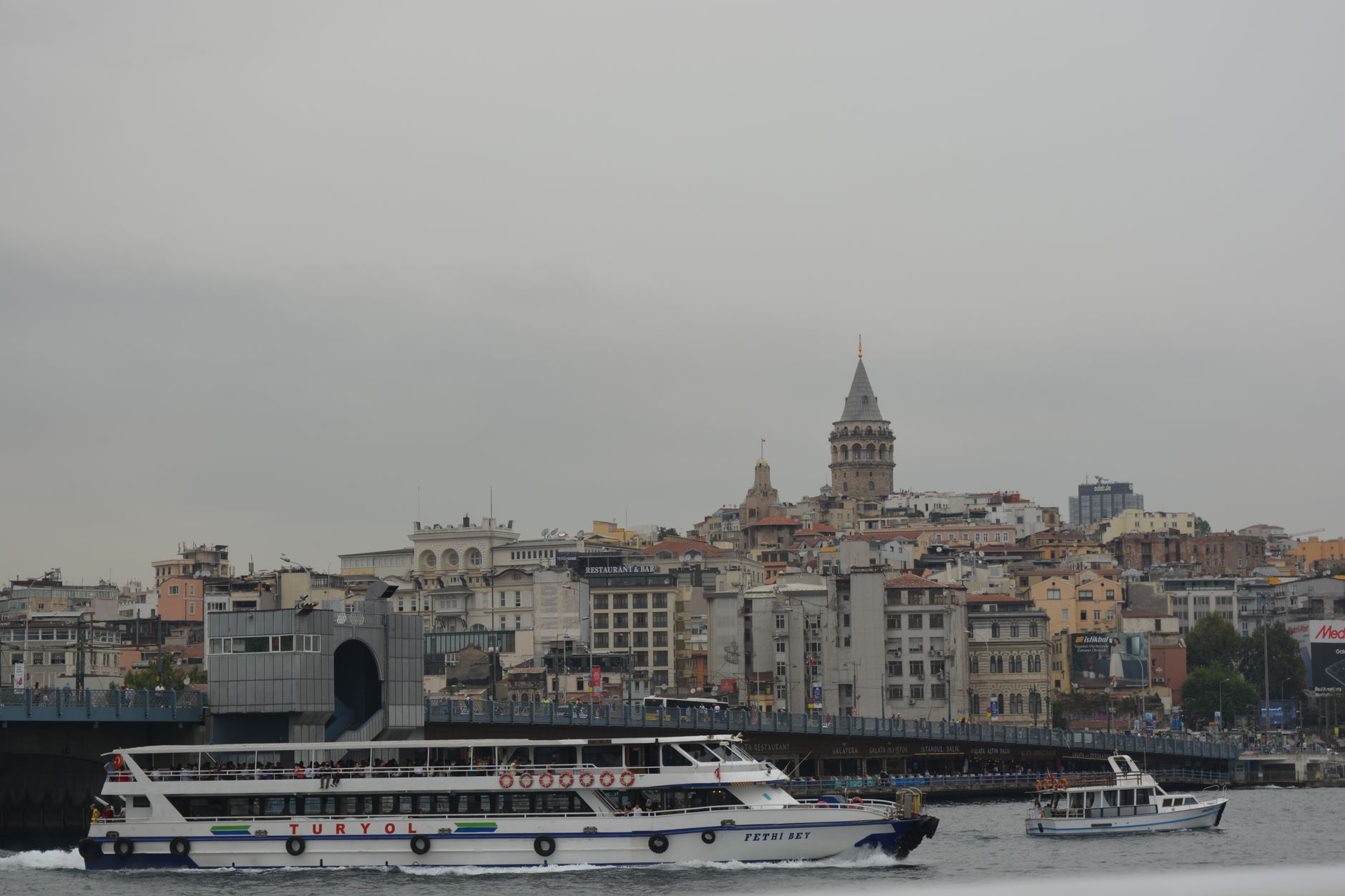
Türkiye has quietly built one of the most sophisticated haematology networks in the wider European region. Istanbul alone is home to university hospitals, JCI-accredited private medical centres and dedicated bone marrow transplant units that together treat thousands of international patients every year. For travellers living with rare blood disorders — from thalassaemia and sickle cell disease to aplastic anaemia, myelodysplastic syndromes and inherited bleeding conditions such as haemophilia and von Willebrand disease — this concentration of expertise is genuinely life-changing.
What sets Turkish centres apart is not simply technology. It is the culture of multidisciplinary teamwork. A single patient with a complex coagulation condition may be reviewed by a haematologist, a transfusion medicine specialist, a thrombosis nurse, a physiotherapist and a genetic counsellor — often within the same week, sometimes within the same afternoon. For international visitors, this means fewer fragmented appointments abroad and a clear, coordinated plan they can actually follow.
English-speaking patient coordinators, Arabic, Russian and Balkan language support, and airport-to-hospital transfers remove much of the logistical anxiety that comes with travelling for medical care. The result is a healthcare environment that feels reassuring rather than intimidating — a crucial factor when you are managing a condition that requires precision and trust.
Building a Treatment Plan Around You, Not Around a Template
Personalisation in Turkish haematology begins long before a patient boards a plane. Most major hospitals offer a pre-arrival telemedicine consultation, where records, genetic panels, previous transfusion histories and imaging are reviewed by a specialist. The team then drafts an individualised roadmap: which tests are needed on arrival, how many days the patient should plan to stay, and what the realistic milestones are.
For rare blood disorders, this preparation is essential. A patient with a rare antibody profile, for example, may need specially matched red cells that take time to source. Turkish blood banks, particularly in Istanbul and Ankara, maintain extensive rare-donor registries and work closely with national and international reference laboratories. Knowing in advance that a patient needs Kell-negative or Jk(a-) units allows the transfusion team to prepare rather than react.
Once on site, the plan is refined in real time. A haemoglobinopathy patient who responds unusually to chelation therapy may have their regimen adjusted within days. Someone with immune thrombocytopenia might be started on a tailored sequence of steroids, IVIG or thrombopoietin receptor agonists, with weekly platelet counts guiding each decision. Nothing is one-size-fits-all — and that is precisely the point.
Patients leave with a written summary in their own language, including medication schedules, target blood counts, warning signs and contact details for follow-up. This continuity is what transforms a short medical trip into genuine long-term management.
Coordinating Transfusions Safely for Travellers
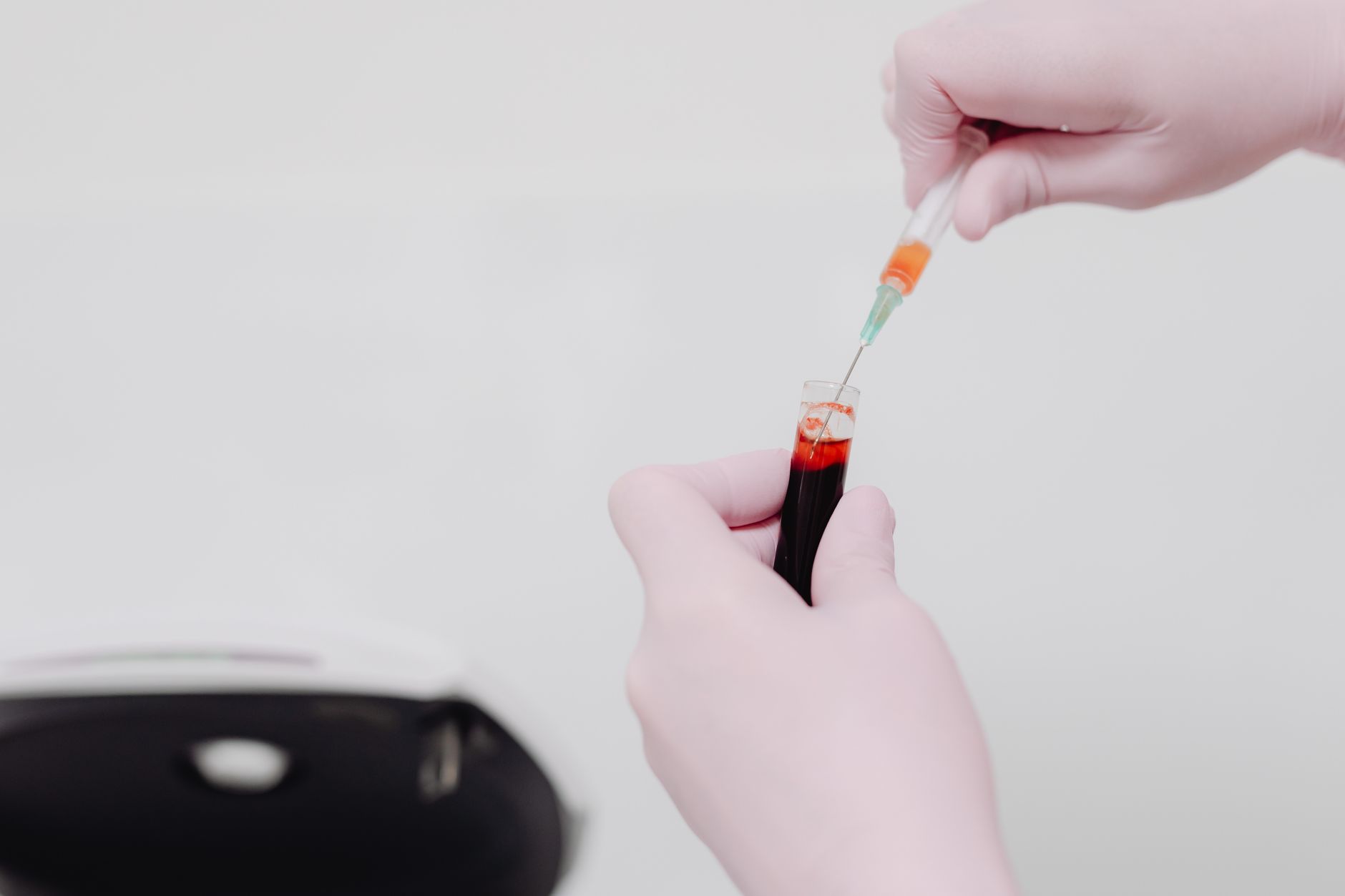
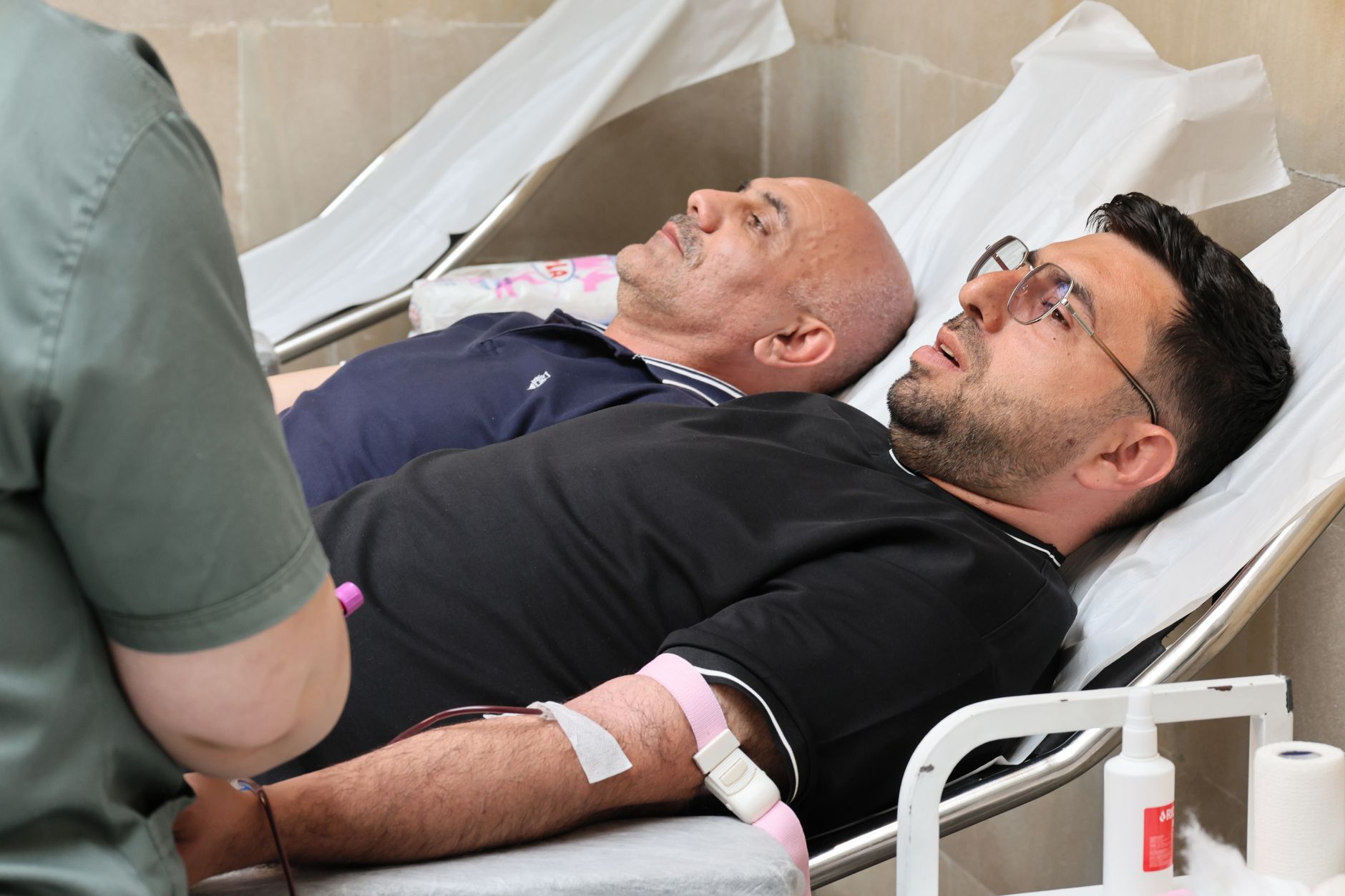
Transfusion is the backbone of care for many rare blood conditions, and Turkish hospitals have refined the logistics into a smooth, low-stress experience. Instead of the chaotic queueing some patients experience elsewhere, appointments are scheduled around the patient's travel dates, with dedicated day-care units that feel more like comfortable lounges than clinical wards.
Safety protocols are rigorous. Every unit undergoes extended phenotyping and cross-matching against the patient's historical antibody screen. Where a patient has developed multiple alloantibodies, the hospital's immunohematology reference laboratory performs advanced techniques such as adsorption-elution studies to identify the safest possible match. Irradiated or leucodepleted components are available where clinically indicated, protecting immunocompromised patients from transfusion-associated complications.
For travellers, timing matters. A patient arriving from abroad may need a top-up transfusion shortly after landing, or may need to coordinate a schedule that fits around return flights. Turkish teams routinely plan transfusion intervals around real-world constraints — arranging a session on day two of a visit so the patient has time to recover before sightseeing or flying home.
Crucially, patients are never treated as anonymous cases. Nursing staff record how each individual responds to transfusion — whether they develop mild febrile reactions, how quickly their counts recover, which premedication works best — and this personal file follows them across visits. Repeat travellers often describe the experience as reassuringly familiar.
Managing Clotting Risks With Round-the-Clock Oversight
Coagulation conditions demand constant vigilance. Whether the challenge is preventing bleeding in a patient with severe haemophilia or preventing thrombosis in someone with antiphospholipid syndrome, the margin for error is small. Turkish hospitals address this with layered oversight.
First, specialist coagulation laboratories run on-site, offering factor level assays, inhibitor screening, thromboelastography and genetic thrombophilia panels with rapid turnaround. This means treatment decisions are based on fresh data rather than weeks-old results from another country.
Second, patients are given a direct line to a haematology coordinator for the duration of their stay — and often afterwards. If a traveller notices unusual bruising, swelling or shortness of breath, they can reach a clinician immediately rather than waiting for a scheduled appointment. Emergency departments in Istanbul's major hospitals are accustomed to international patients and can access haematology input within minutes.
Third, prophylaxis is personalised. Factor replacement schedules, emicizumab regimens, anticoagulant dosing and bridging therapy before procedures are all calibrated to the individual's weight, lifestyle, bleeding history and travel plans. A patient preparing for a long-haul flight may receive specific guidance on hydration, mobility and anticoagulant timing. The advice is practical, not generic.
"Personalised care means knowing not just the diagnosis, but the person — their travel dates, their fears, their daily routine. That is where safety truly begins."
Communication That Puts Patients at Ease
Language barriers are one of the biggest hidden risks in medical travel. Turkish hospitals have responded by embedding interpreters into the care pathway, not as an afterthought but as part of the clinical team. Consent forms, discharge summaries, medication instructions and even appointment reminders are provided in the patient's language.
Beyond translation, communication is structured to be clear and unhurried. Consultants typically allocate longer consultation slots for international patients, encouraging questions and explaining the reasoning behind each decision. Family members are welcome to join — in person or by video call — which is particularly important for younger patients or those making decisions about long-term therapy.
Many hospitals also provide a named patient coordinator who acts as a single point of contact across departments. Instead of chasing different offices for blood test results or pharmacy orders, the patient has one person who knows their story. This reduces confusion and, importantly, reduces the risk of missed treatments.
A Reassuring Hospital Environment Matters More Than You Think
Clinical excellence alone does not create confidence. The physical and emotional environment of care does. Turkish hospitals catering to international patients invest heavily in comfort: private rooms, quiet day-care areas for transfusion, nutritious meals adapted to dietary requirements, and spaces where families can rest.
For patients with chronic blood disorders, stress directly affects wellbeing and sometimes even symptoms. A calm, well-organised setting supports better outcomes. Many Istanbul facilities offer garden areas, prayer rooms, wellness support and accommodation guidance for accompanying relatives, making a medical trip feel less like an ordeal and more like a managed, supported journey.
Equally important is the attitude of staff. Patients repeatedly mention feeling respected, informed and never rushed. For someone navigating a rare diagnosis far from home, that human warmth is as valuable as any laboratory result.
Planning Your Visit: Practical Steps for International Patients
If you are considering treatment in Türkiye, start by gathering your complete medical history: genetic reports, transfusion records, antibody screens, medication lists and recent blood counts. Share these with the hospital's international patient office before booking flights.
- Request a written treatment estimate and proposed schedule.
- Confirm interpreter availability in your language.
- Ask how rare blood units will be sourced if needed.
- Clarify follow-up arrangements once you return home.
- Check whether your insurance or embassy has partnerships with the hospital.
With these steps, international patients can arrive in Istanbul confident that their rare blood disorder or coagulation condition will be met with expertise, personal attention and genuine care. Türkiye's haematology teams have built their reputation on exactly that combination — and for travellers with complex needs, it is a reassuring place to be.
Thinking about treatment in Turkey?
Share your contact details and a verified doctor will follow up with a plan built around you — free, no obligation.