

Global Medical Tourism Congress Opens in Istanbul
Istanbul hosted the Global Medical Tourism Congress from October 14–16, 2026, bringing together surgeons, hospital administrators, and health-travel experts from more than 50 countries. The event was organized under the leadership of Türkiye's Ministry of Health and major university hospitals, including Istanbul University and Acıbadem Healthcare Group.
Across three days of keynote sessions, live surgery broadcasts, and panel discussions, Turkish clinicians presented outcomes data from thousands of international patient cases. The congress underscored Türkiye's integration of advanced technology with patient-centered care—an approach that has drawn more than 1.5 million health travelers to the country each year.
"This congress is not simply a showcase," said Dr. Elif Kaya, congress chair and transplant surgeon at Istanbul University. "It is a working forum where our teams share protocols with peers from Europe, the Middle East, and Asia. That exchange directly improves what we can offer every patient."
Transplant Surgery: Expanding Deceased and Living Donor Programs
Turkish transplant centers reported significant progress in liver and kidney transplantation, with one-year graft survival rates now exceeding 92% at high-volume centers. During the congress, teams from Istanbul and Ankara presented refined protocols for ABO-incompatible transplants and minimally invasive donor nephrectomy, which reduce recovery time for living donors.
International attendees observed that Türkiye's centralized organ-sharing network, combined with strict accreditation standards, has increased access while maintaining safety. For patients from countries with long waiting lists, this translates into shorter, more predictable pathways to transplant evaluation and surgery.
Congress sessions also addressed ethical and legal frameworks, reinforcing that Turkish programs follow international standards set by the Declaration of Istanbul—a document originally adopted in the city in 2008, giving the 2026 congress symbolic significance.
Oncology: Precision Medicine and Multidisciplinary Care
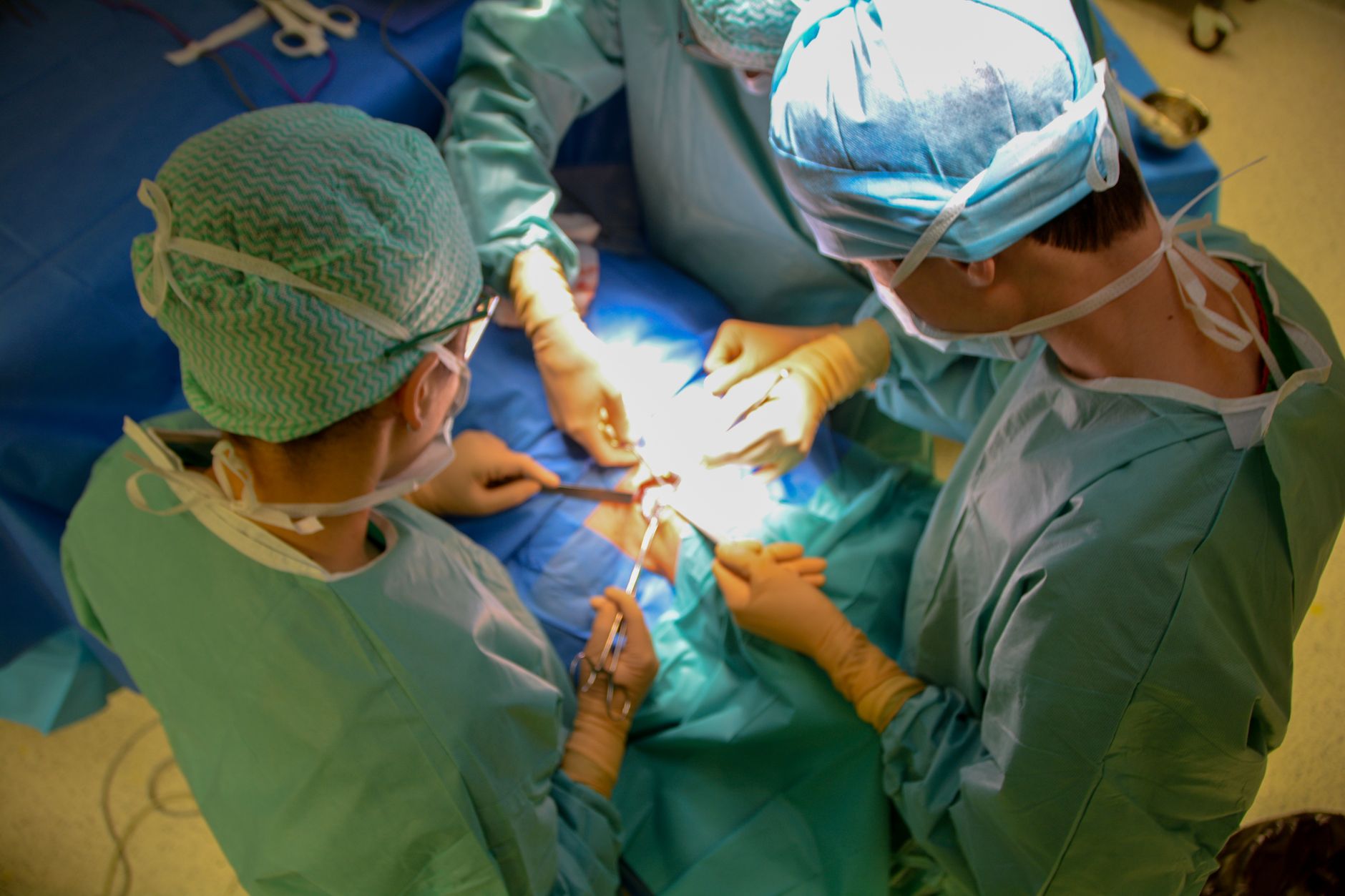
In the oncology track, Turkish specialists highlighted advances in genomic profiling, immunotherapy, and robotic surgery for prostate, lung, and gastrointestinal cancers. Several centers now operate molecular tumor boards that match patients to targeted therapies based on tumor genetics rather than site alone.
Presenters shared data showing that multidisciplinary clinics—where surgeons, radiologists, pathologists, and oncologists review cases together—reduce time from diagnosis to treatment by up to 30%. This model is now standard in Türkiye's major cancer hospitals, including those in Istanbul, Izmir, and Ankara.
For international patients, these developments mean access to treatments aligned with current NCCN and ESMO guidelines, often at a fraction of the cost seen in Western Europe or North America—without compromising on evidence-based protocols.

Aesthetic and Reconstructive Surgery: Safety First
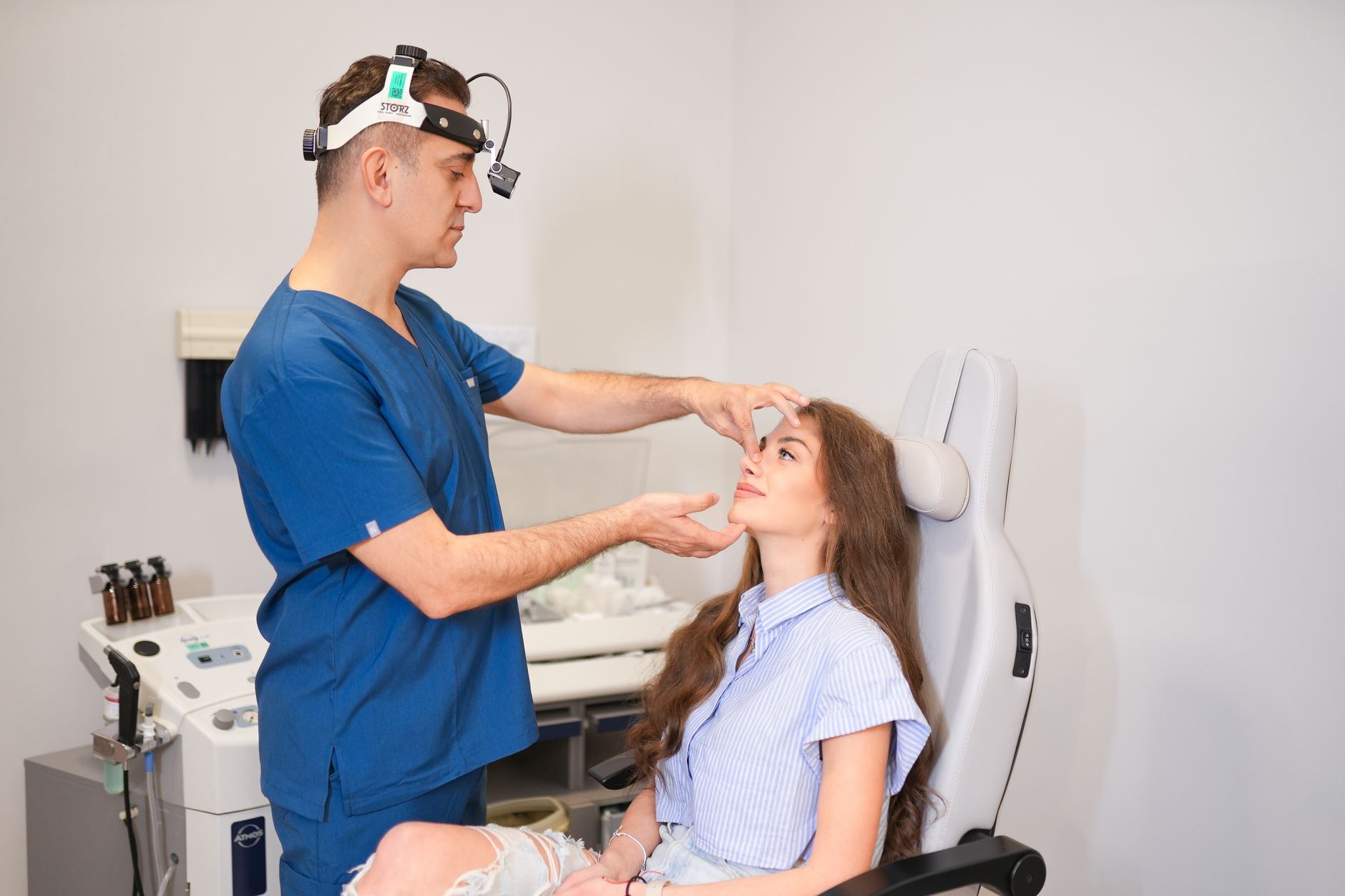
Aesthetic surgery remained a major focus, with Turkish plastic surgeons presenting long-term outcome studies on rhinoplasty, facial rejuvenation, and body contouring. The congress emphasized patient safety registries and standardized consent processes, addressing past concerns about quality variability in the sector.
Several sessions covered reconstructive techniques for burn survivors and cancer patients, demonstrating how aesthetic expertise supports functional recovery. Turkish surgeons also shared innovations in 3D imaging and simulation that help patients visualize results before surgery.
"Aesthetic surgery is a medical discipline, not a commodity," said Dr. Murat Demir, a plastic surgeon in Istanbul. "Our congress reinforces that every procedure must begin with a thorough medical assessment and end with structured follow-up."
Türkiye as a Hub for Medical Innovation and Collaboration
Beyond clinical topics, the congress featured a dedicated innovation zone where Turkish startups presented telemedicine platforms, AI-assisted radiology tools, and wearable devices for post-operative monitoring. Several hospitals announced partnerships with European and Gulf institutions for joint research and physician exchange programs.
These collaborations position Türkiye not only as a destination for treatment but also as a contributor to global medical knowledge. Turkish physicians publish actively in peer-reviewed journals and participate in international clinical trials, particularly in oncology and immunology.
Government representatives noted that health tourism revenue reached record levels in 2025, with patients arriving primarily from Europe, the Middle East, and Central Asia. The congress served as a platform to discuss sustainable growth, accreditation, and multilingual patient services.

What This Means for Patients Considering Treatment in Türkiye
For prospective patients, the congress carries a practical message: the care delivered in Türkiye is informed by the same evidence and standards discussed at global forums. Hospitals that participate in such events are typically accredited by JCI or equivalent bodies and maintain transparent outcome reporting.
Patients can expect multidisciplinary evaluation, modern facilities, and follow-up protocols designed for international travelers. Many hospitals offer remote consultations, airport transfers, and multilingual coordinators to simplify the journey.
As the 2026 congress concluded, organizers announced that next year's edition will expand its live-surgery program and include dedicated workshops for patient-safety officers. For Türkiye's medical community, the event confirmed a clear trajectory: leadership through openness, collaboration, and continuous improvement.
Thinking about treatment in Turkey?
Send us a question about this site or about the information published on it. This is a publisher's mailbox, not a medical service and not a route to a particular provider — for clinical questions, contact your own doctor.