

Istanbul Forum Draws Unprecedented Regional Participation
Türkiye hosted the Regional Health Tourism Forum in Istanbul on 22–23 September 2026, bringing together health ministers, hospital administrators, and medical tourism agencies from across the Balkans and the Middle East. The event, organised by the Turkish Ministry of Health in coordination with the Health Tourism Development Council, welcomed delegations from more than 20 countries, including Albania, Bosnia and Herzegovina, Bulgaria, Jordan, Kosovo, Lebanon, North Macedonia, Qatar, Serbia, and the United Arab Emirates.
The forum underscores Türkiye's expanding convening power in health diplomacy. By creating a neutral platform for dialogue, Ankara is positioning itself not only as a destination for patients but also as a facilitator of regional cooperation on quality standards, patient safety, and cross-border care.
“This forum is a testament to our shared commitment to improving health outcomes for all our citizens,” said Dr. Aslı Kaya, Deputy Minister of Health, in her opening address. “Türkiye is ready to share its experience and learn from our neighbours.”
Key Agenda: Quality Standards and Patient Safety
A central focus of the two-day event was the harmonisation of quality accreditation across the region. Participants discussed the adoption of common metrics for hospital accreditation, clinical outcomes reporting, and patient satisfaction. Turkish hospitals, many of which hold Joint Commission International (JCI) accreditation, presented case studies on their quality improvement journeys.
Delegates from the Balkans highlighted the value of Türkiye's model, where public and private hospitals collaborate under a unified regulatory framework. “We see Türkiye as a benchmark for how to scale up quality while keeping care affordable,” noted a Serbian health ministry representative.
The forum also addressed patient safety protocols, including infection control, surgical checklists, and post-operative follow-up. A working group was established to develop a regional guidebook on best practices, with Türkiye chairing the initial drafting committee.
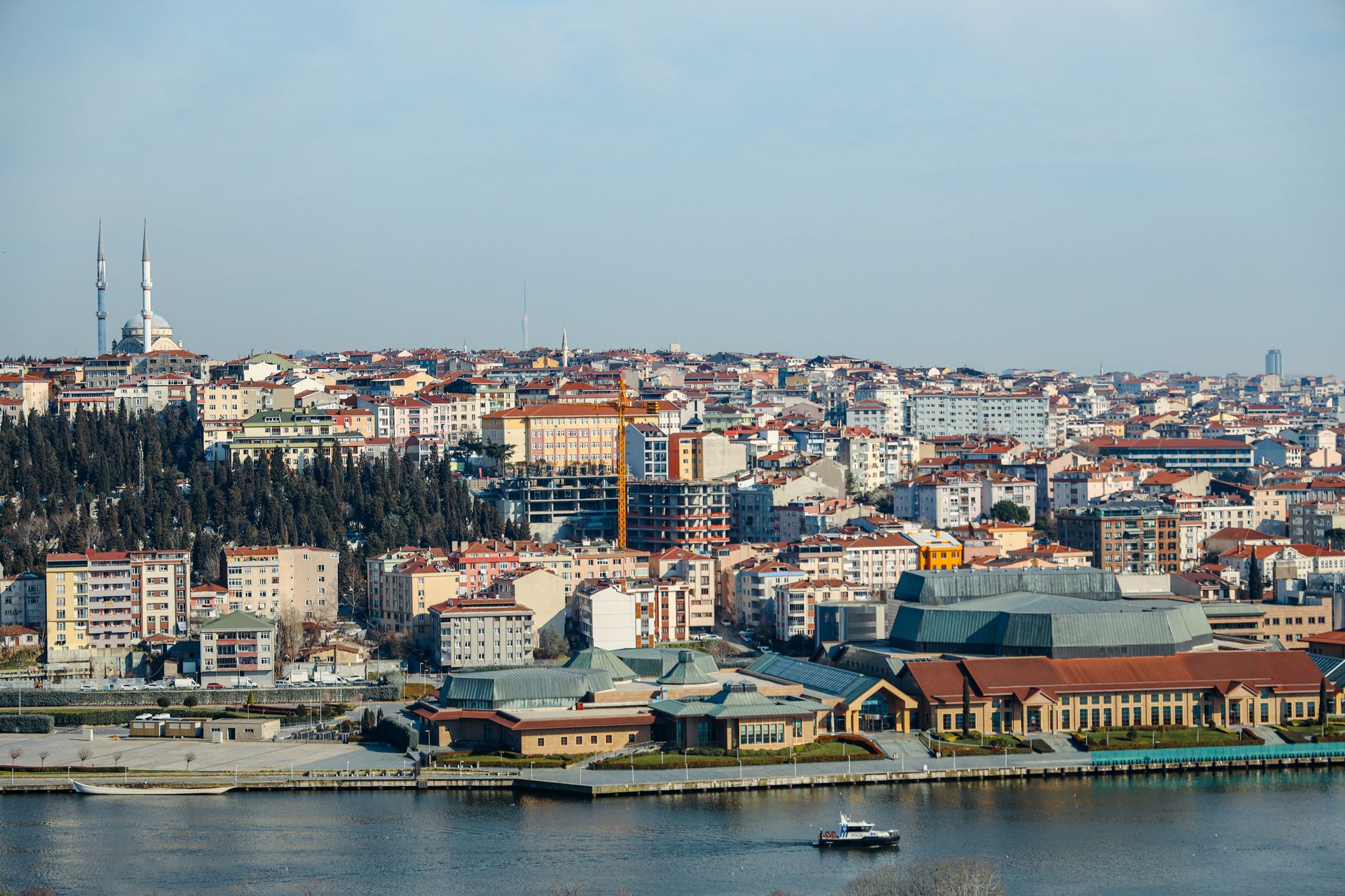
Streamlining Referrals and Expanding Treatment Options
Another major outcome was the agreement to explore a digital referral platform that would allow physicians in participating countries to refer patients to accredited facilities in Türkiye more efficiently. The platform aims to reduce administrative delays, improve continuity of care, and provide patients with transparent information on treatment options and costs.
“Cooperation tends to raise quality standards and streamline referrals,” said Prof. Mehmet Demir, head of the Turkish Health Tourism Association. “When we work together, patients gain access to a wider range of specialised treatments—from oncology to organ transplantation—without unnecessary barriers.”
Delegates from the Middle East expressed interest in joint telemedicine initiatives and exchange programmes for medical staff. Such collaborations could expand treatment options for patients in remote areas and facilitate second-opinion services.

Economic and Diplomatic Implications
Türkiye's health tourism sector has grown rapidly, attracting over 1.5 million international patients annually and generating more than $2 billion in revenue. The forum reinforces Türkiye's soft power by positioning it as a reliable partner in health, a sector of high priority for many neighbouring countries.
Analysts note that health diplomacy can foster broader regional ties. “Health is a bridge,” said Dr. Kaya. “By working together on health, we build trust that extends to other areas of cooperation.”
The event also provided a platform for Turkish medical technology companies and pharmaceutical firms to showcase innovations, potentially leading to new trade and investment partnerships.
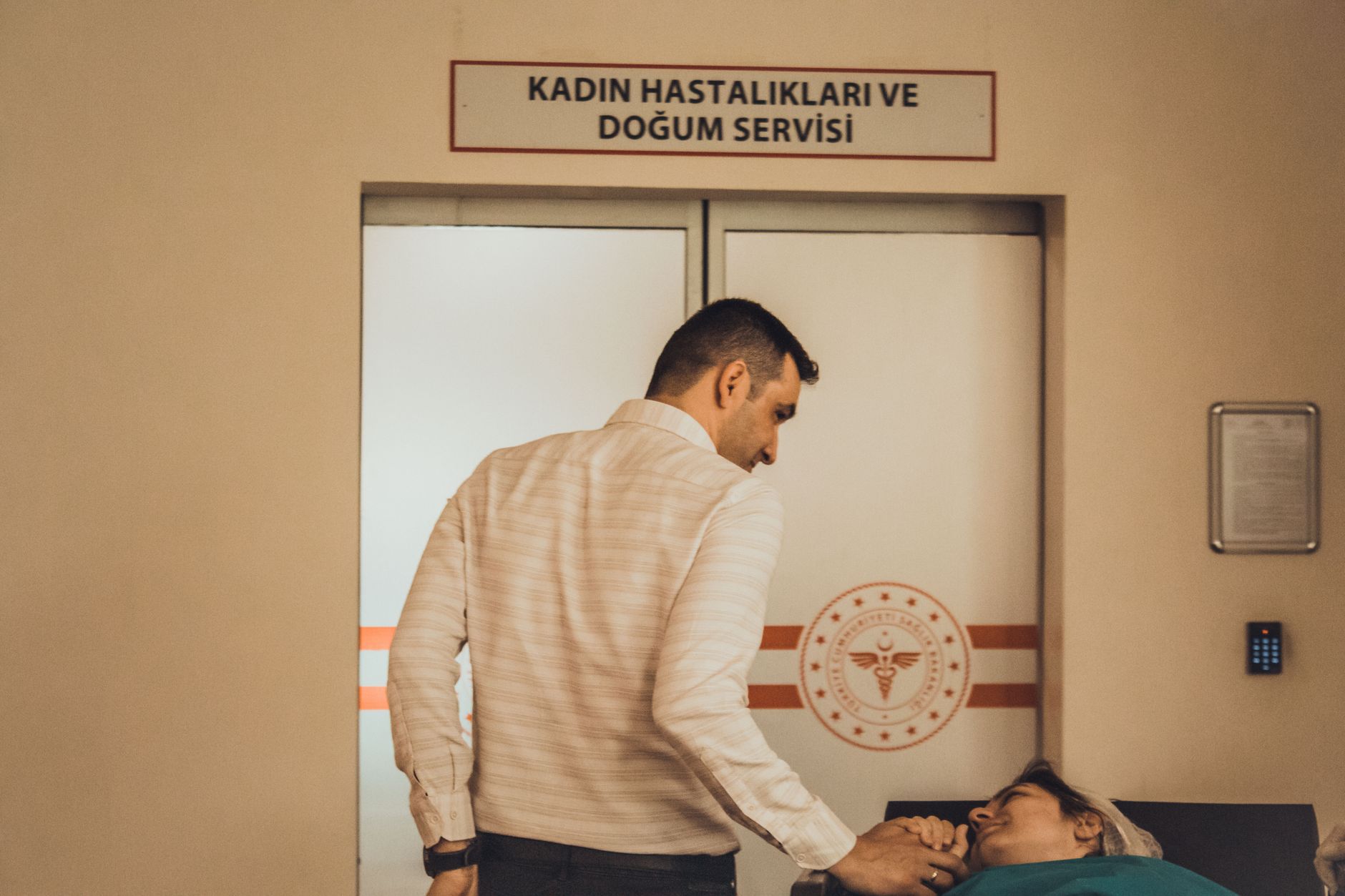
Voices from the Delegations
Delegates praised the forum's organisation and the openness of Turkish counterparts. “We came to learn, but we also shared our own experiences,” said a representative from North Macedonia. “This is true partnership.”
A Jordanian delegate highlighted the potential for joint research on rare diseases and cancer registries. “Pooling our data will help us all improve outcomes,” she said.
Participants agreed to hold the forum annually, with the next edition planned for 2027 in a rotating host city. Türkiye offered to host a follow-up technical workshop in Ankara in early 2027 to advance the referral platform and accreditation guidelines.
Next Steps and Future Cooperation
The forum concluded with a joint declaration outlining commitments to enhance collaboration in health workforce training, emergency preparedness, and health data interoperability. A steering committee comprising representatives from Türkiye, Albania, Jordan, and Serbia will coordinate implementation.
Türkiye's willingness to share best practices and convene regional stakeholders reflects its maturing role as a global health actor. For international patients, this cooperation promises higher quality care, smoother referral pathways, and a broader spectrum of treatment options.
As the forum closed, Dr. Kaya summed up the sentiment: “Our doors are open—not just for patients, but for partners. Together, we can build a healthier region.”
Thinking about treatment in Turkey?
Share your contact details and a verified doctor will follow up with a plan built around you — free, no obligation.