

Why Türkiye Is a Destination for Post-Bariatric Body Contouring
For patients who have achieved dramatic weight loss, the journey does not end at the scale. Excess skin, lingering fat deposits and changes in body shape often remain, affecting comfort, mobility and self-confidence. Türkiye has become a destination for post-bariatric body contouring, thanks to its combination of accredited hospitals, internationally trained plastic surgeons and comprehensive aftercare programmes. Cities like Istanbul, Ankara and Izmir host well-equipped clinics that specialise in treating international patients who seek a complete transformation.
What distinguishes Türkiye is not only surgical expertise but also a holistic approach. Clinics understand that post-bariatric patients have unique medical and emotional needs. Nutritional status, skin quality and overall health must be evaluated before any operation. Many centres therefore begin with a thorough review, including dietary assessment and blood work, to help ensure each patient is ready for surgery. This careful preparation aims to minimise risks and optimise outcomes.
Moreover, Türkiye's medical tourism infrastructure is mature. From airport transfers to multilingual coordinators, every step is designed to make international patients feel secure. Costs are often lower than in Western Europe or North America, but this does not come at the expense of quality. Accredited hospitals follow international safety protocols, and surgeons are often members of established bodies such as ISAPS or EBOPRAS.
The Preliminary Nutritional and Medical Review
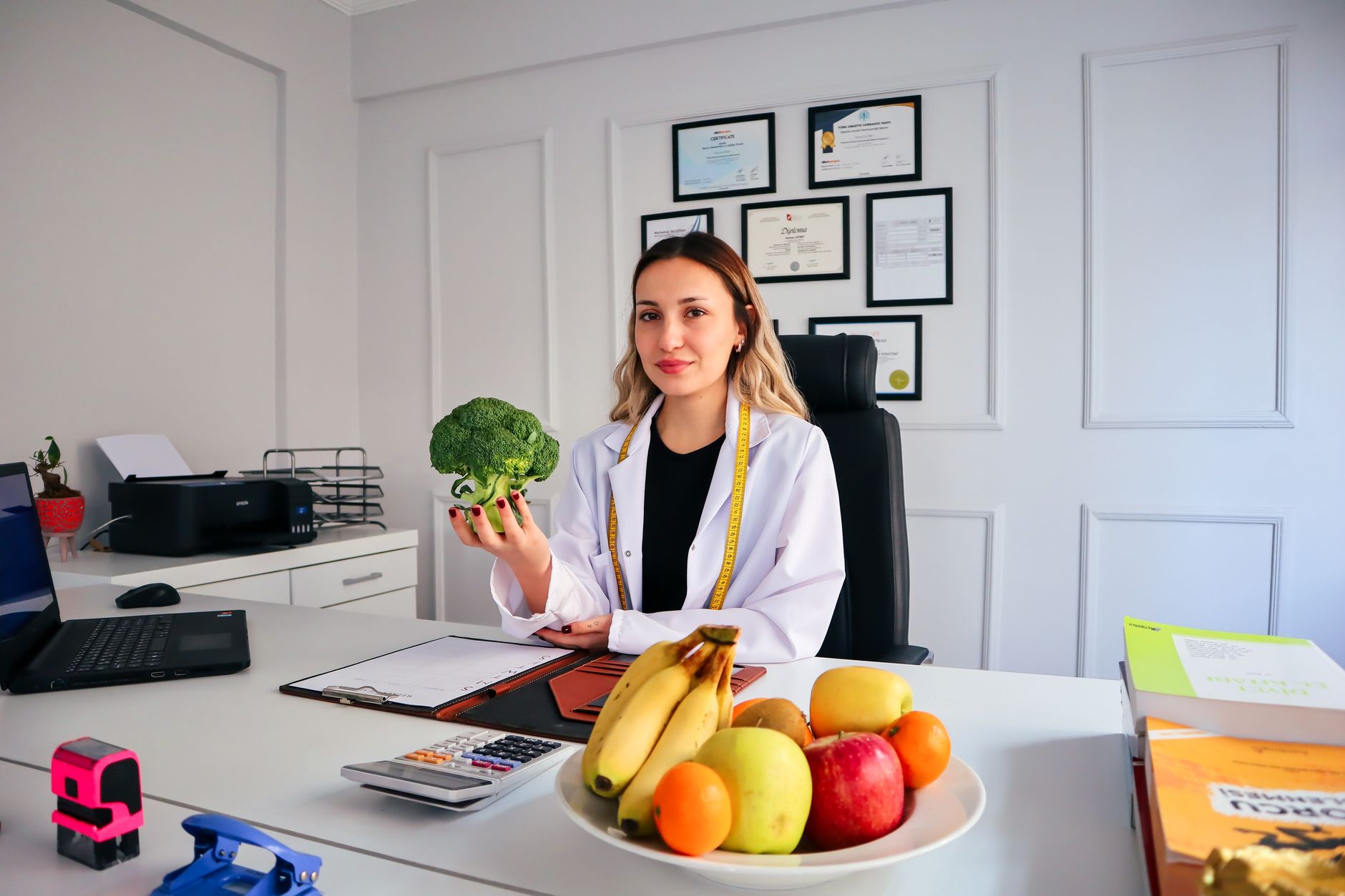
Before any body contouring surgery, a comprehensive nutritional review is essential. After bariatric surgery, patients may have micronutrient deficiencies, altered absorption and reduced protein reserves. Turkish clinics typically require recent blood tests, including complete blood count, vitamin levels, iron studies and metabolic markers. A registered dietitian then evaluates dietary habits and advises on pre-operative nutrition to promote healing.
This step is not a formality; it is a cornerstone of safety. For example, low protein levels can impair wound healing, while anaemia increases surgical risk. If deficiencies are found, the programme may include supplementation or a short delay to optimise health. Some clinics also assess body composition to plan which areas need contouring and in what sequence.
In addition to nutrition, a full medical evaluation is conducted. This includes cardiac assessment, anaesthesia consultation and review of medications. Patients with a history of diabetes, hypertension or thyroid disorders receive tailored perioperative care. The goal is to ensure that the body is not only lighter but also physiologically ready for the demands of surgery and recovery.
Emotional readiness is equally important. Many patients have struggled with body image for years. Turkish care teams often include psychologists who help set realistic expectations and prepare patients for the staged nature of post-bariatric contouring. This empathetic approach builds trust and reduces anxiety.
Staged Body Contouring: A Personalised Surgical Plan
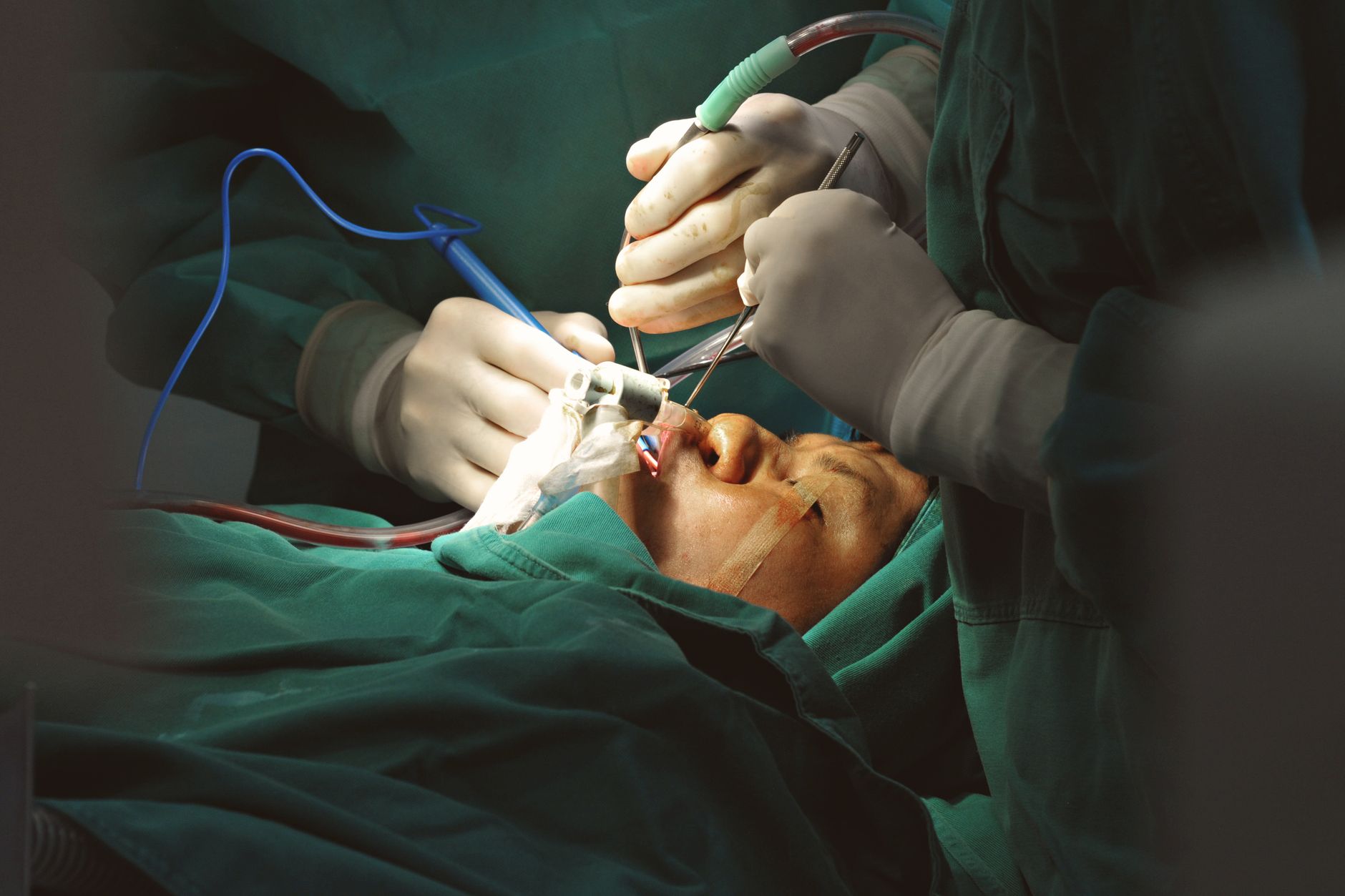
Post-bariatric body contouring is rarely a single operation. Most patients require multiple procedures to address different areas: abdominoplasty (tummy tuck), breast lift or augmentation, arm lift (brachioplasty), thigh lift, and buttock augmentation. Turkish plastic surgeons are experienced in staging these procedures to balance safety, recovery time and aesthetic goals.
The staging plan is highly individualised. Factors such as the amount of excess skin, the patient's general health, and personal priorities determine the sequence. Often, the abdomen and breasts are addressed first because they can yield the most noticeable improvement in silhouette and comfort. Arm and thigh lifts may follow in a second or third stage. Some patients opt for a combination of procedures in one session (e.g., abdominoplasty with breast surgery) if they are healthy enough, but many surgeons prefer to separate them to reduce operative time and complications.
Each stage is a distinct operation with its own recovery period. Turkish clinics provide detailed timelines, usually spacing surgeries 3 to 6 months apart. This allows the body to heal and the patient to adjust to the new shape. Between stages, patients return home and continue follow-up via telemedicine or local checks. The coordination is seamless, with a dedicated patient coordinator managing appointments, travel and communication.
Techniques used are current in plastic surgery. Turkish surgeons often employ liposuction, bodytite, and advanced suture techniques to sculpt and tighten. They prioritise natural-looking results that harmonise with the patient's frame. Because they perform a high volume of post-bariatric cases, they are adept at handling complex contours and achieving pleasing outcomes.
Compression Garment Guidance and Recovery Support
After each contouring procedure, compression garments play a critical role in recovery. They reduce swelling, support the skin, and help the new contours set. Turkish clinics provide specific guidance on garment type, size and duration of wear. Typically, patients must wear compression garments for 4 to 6 weeks after abdominoplasty or body lifts, and sometimes longer for arm or thigh procedures.
The guidance is detailed and personalised. Nurses fit patients with the correct garments before discharge and teach them how to manage drains, change dressings and recognise warning signs. International patients receive written instructions in their language and 24/7 contact numbers for urgent questions. Many clinics also offer follow-up video calls to check on healing progress.
Compression garments are not just about comfort; they are integral to the surgical result. Poor compliance can lead to seromas, poor skin retraction and unsatisfying contours. Therefore, Turkish teams emphasise education and support. Some clinics even provide two sets of garments so patients can wash one while wearing the other. This level of care reflects the comprehensive approach that defines Türkiye's post-bariatric programmes.
Recovery support extends beyond garments. Physiotherapy may be recommended to restore mobility and strength. Nutritional advice continues, focusing on high-protein diets to aid tissue repair. Patients are encouraged to walk early to prevent blood clots but avoid strenuous activity for several weeks. The holistic recovery plan aims to help patients return to daily life safely and confidently.
Choosing an Accredited Hospital and Experienced Surgeon
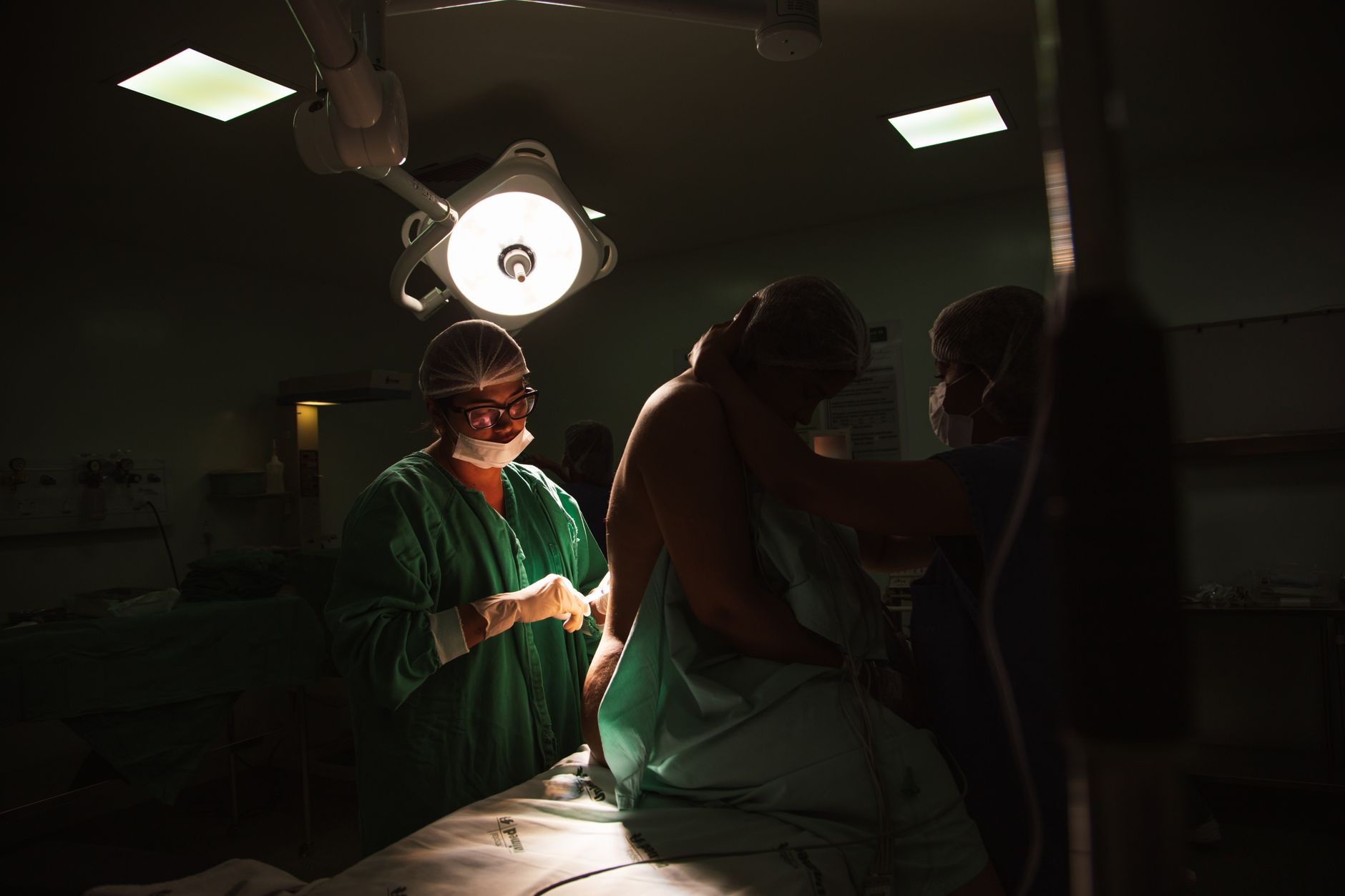
The outcome of post-bariatric body contouring depends on the quality of the surgical team and facility. Türkiye has many hospitals with international accreditation such as JCI (Joint Commission International) and ISO certifications. These institutions adhere to rigorous standards for patient safety, infection control and surgical outcomes. When researching, look for hospitals that are transparent about their accreditation and have a dedicated international patient department.
Equally important is the surgeon's experience. Post-bariatric contouring is a subspecialty that requires a deep understanding of the massive weight loss patient's anatomy and healing. Board-certified plastic surgeons who have performed hundreds of such cases are the widely used standard. Check their credentials: membership in Turkish Society of Plastic, Reconstructive and Aesthetic Surgeons (TPRECD) or international bodies like ISAPS indicates a commitment to professional standards.
During consultations, ask about their approach to staging, complication rates, and aftercare. A reputable surgeon will be honest about risks and realistic outcomes. They will also show treatment photographs of similar patients (with consent). Many Turkish surgeons speak English and other languages, facilitating clear communication. Well-run clinics encourage a thorough discussion so that patients feel informed and empowered.
Accredited hospitals also have robust emergency protocols. In the rare event of a complication, you want to be in a facility with intensive care units, anaesthesiologists and round-the-clock nursing. This is non-negotiable for major surgery. Türkiye's major medical centres provide this peace of mind, which is a key reason why patients from around the world choose them.

A Confidence-Restoring Chapter with Empathy and Precision
Undergoing body contouring after massive weight loss is more than a physical transformation; it is an emotional milestone. Turkish clinics understand this deeply. They approach each patient with empathy, recognising the courage it took to lose weight and the vulnerability that comes with reshaping one's body. The care teams—surgeons, nurses, dietitians, psychologists—work together to create a supportive environment.
Precision is the hallmark of this approach. Every incision is planned to minimise scarring, every stage is timed to optimise safety, and every aftercare instruction is tailored to the individual. The result is not just a better body but a renewed sense of self. Patients often describe the experience as life-changing, finally seeing the outer self match the inner self.
Moreover, the journey is a partnership. Turkish programmes involve patients in decision-making, respect their goals, and provide the tools for long-term maintenance. Follow-up continues for months, aiming to catch complications early and support lasting results. This commitment to care has made Türkiye a widely chosen destination for post-bariatric body contouring.
If you are considering this path, know that you are not alone. Türkiye's specialists are ready to guide you with expertise and compassion. From the first nutritional review to the final compression garment, every step is designed to restore confidence and celebrate your weight loss achievement. Welcome to a new chapter—shaped with care, precision and hope.
Thinking about treatment in Turkey?
Send us a question about this site or about the information published on it. This is a publisher's mailbox, not a medical service and not a route to a particular provider — for clinical questions, contact your own doctor.