

A Strategic Partnership Built on Shared Values
Türkiye and Malaysia have moved to deepen cooperation across health tourism and Muslim-friendly travel, building on a relationship that already spans trade, education and culture. The two countries are focusing on how hospitals, travel operators and hospitality providers can work together to serve patients who want medical care delivered in an environment that respects their faith and daily practices.
For international patients, this cooperation signals something practical: stronger coordination between the agencies that arrange treatment abroad and the Turkish providers who deliver it. That means clearer information, more predictable standards and a smoother path from first enquiry to post-treatment follow-up.
The partnership is being framed as growing international recognition of Türkiye's patient-centred, faith-aware approach to healthcare — an approach that treats cultural comfort as part of clinical quality rather than an afterthought.
Why Muslim-Friendly Healthcare Matters to Patients
For many patients travelling from Malaysia, Indonesia, the Gulf and beyond, a hospital stay raises questions that go well beyond the operating theatre. Is the food halal? Is there a quiet place to pray? Will staff understand that a female patient may prefer a female clinician for certain examinations? These concerns are legitimate and deeply personal.
Türkiye's leading medical tourism hospitals have responded by building these considerations into their standard service offer. Halal-certified catering, dedicated prayer rooms on hospital premises, and staff trained in culturally respectful communication are increasingly routine rather than premium add-ons.
The cooperation with Malaysia reinforces this direction, aligning Turkish practice with one of the world's most established Muslim-friendly tourism frameworks and giving patients a recognised benchmark to look for when comparing providers.
Halal Catering and Prayer Facilities as Standard
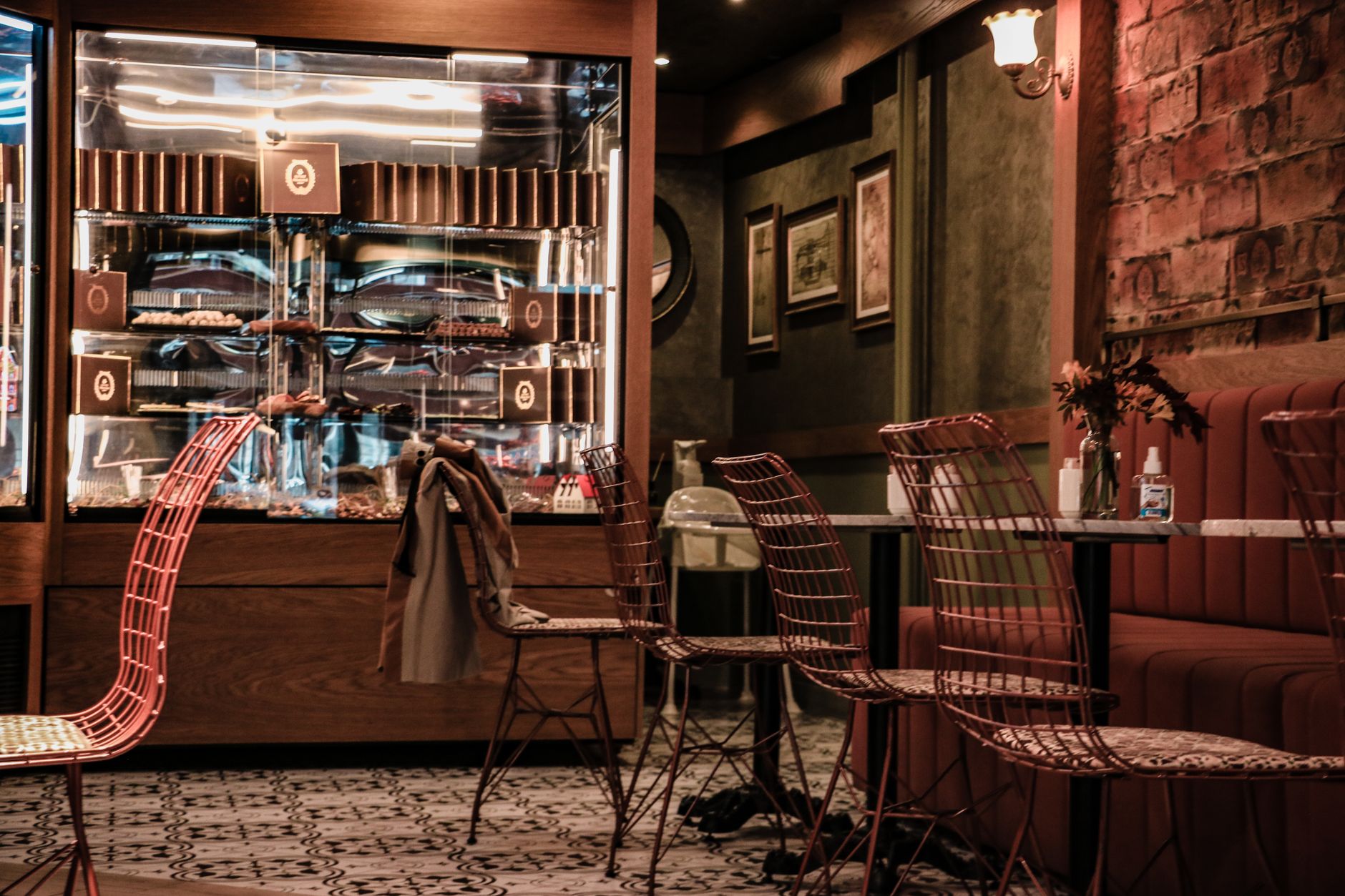
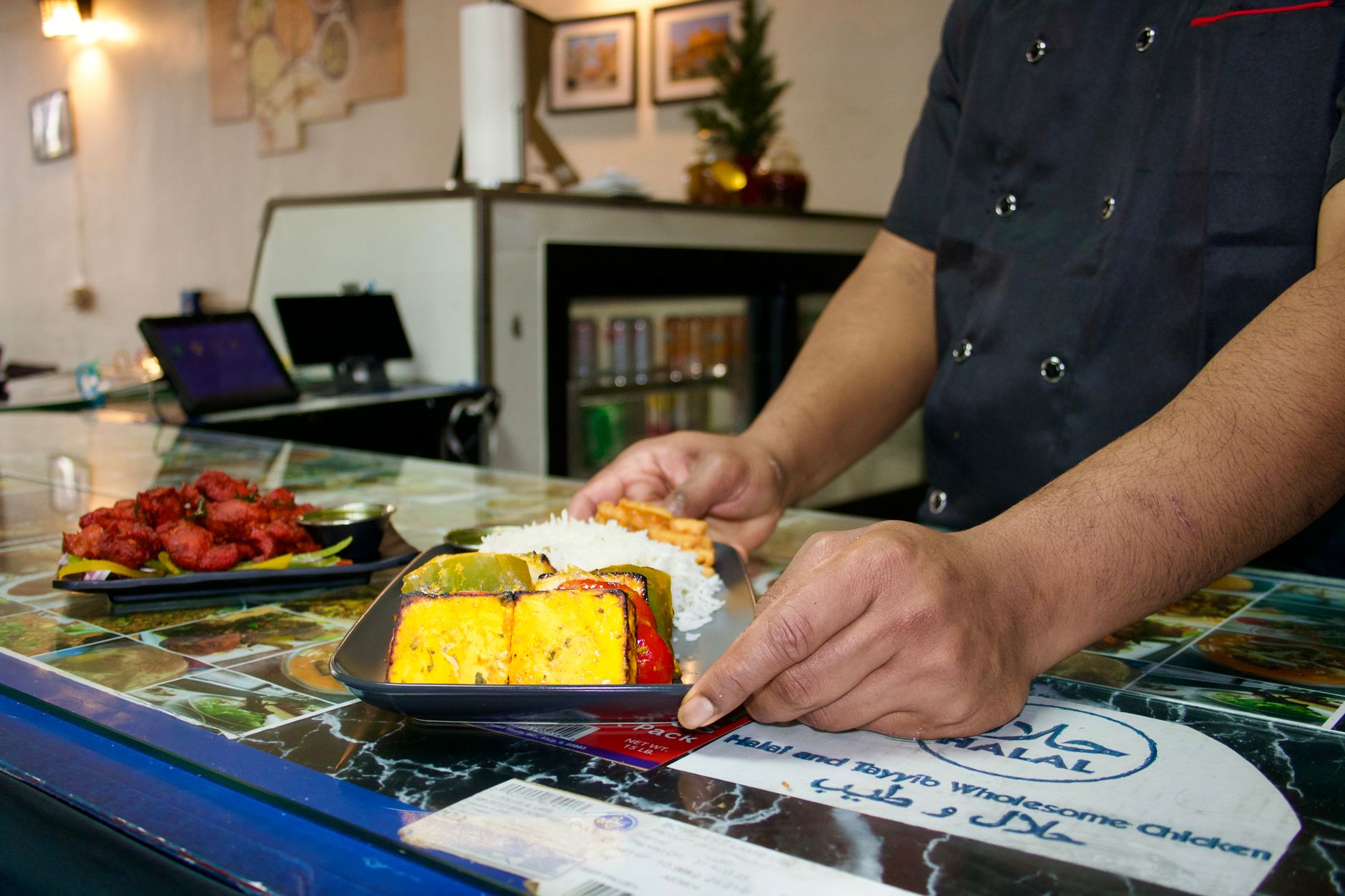
Food is one of the most common worries for patients travelling abroad. Turkish hospitals serving international patients now commonly provide halal-certified menus, with kitchen teams able to accommodate dietary requirements and explain ingredient sourcing on request. Accompanying family members benefit from the same arrangements.
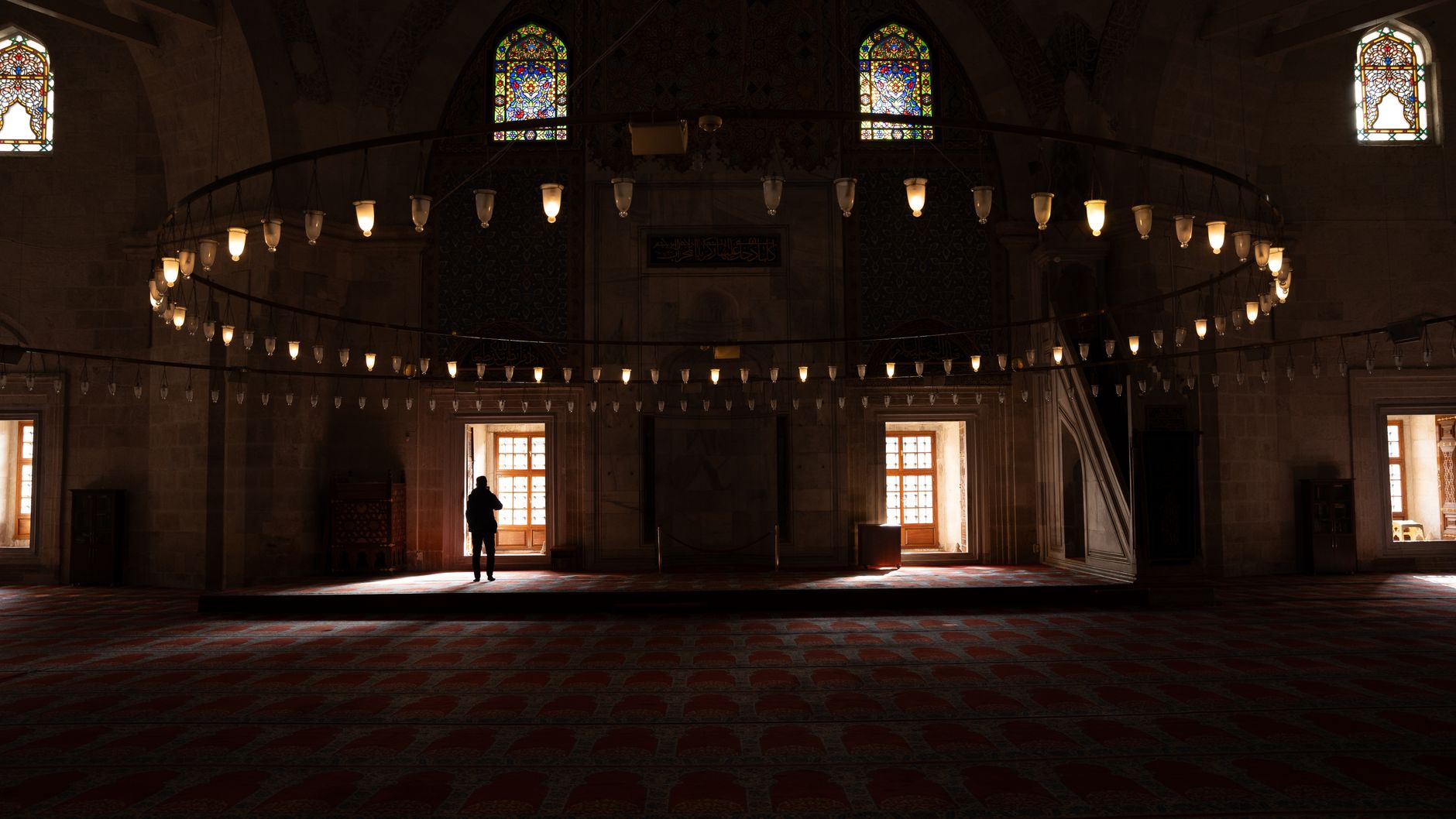
Prayer facilities are also being treated as essential infrastructure. Prayer rooms within hospital buildings, washing facilities for ablution, and clear signage help patients maintain their daily religious practice without leaving the clinical environment.
- Halal-certified hospital catering, including options for companions
- On-site prayer rooms with ablution facilities
- Staff briefed on modesty preferences and gender-related requests
- Flexible scheduling around prayer times where clinically possible
- Multilingual patient liaison teams, including Malay and Arabic speakers
What the Cooperation Means for Patients Planning Treatment
The practical benefits of closer Türkiye–Malaysia ties are likely to appear in the details that shape a patient's experience. Shared quality expectations between the two markets encourage Turkish providers to document and communicate their faith-aware services more clearly, making it easier for patients to verify what is actually available before booking.
Closer cooperation can also support better continuity of care. A patient who returns home to Malaysia after treatment in Istanbul benefits when both sides understand the same standards, share documentation practices and can coordinate follow-up appointments and rehabilitation guidance.
Faith-aware care is not a marketing flourish; it is a patient's ability to eat, pray and rest comfortably while recovering far from home.
Travel logistics are part of the same picture. Muslim-friendly tourism cooperation encourages hotels near major Turkish hospitals to offer halal dining, prayer amenities and family-friendly accommodation, so that a patient and their companions can stay together in familiar comfort.
Türkiye's Growing Reputation Among International Patients
Türkiye has built a substantial medical tourism sector on a combination of modern hospital infrastructure, experienced specialists, competitive pricing and short waiting times. Cities such as Istanbul, Ankara and İzmir host internationally accredited facilities that treat patients across cardiology, orthopaedics, oncology, dental care, hair transplantation and bariatric surgery.
What increasingly differentiates Türkiye in the eyes of patients from Muslim-majority countries is the cultural dimension: a predominantly Muslim society where halal food is widely available, mosques are part of the everyday landscape and modesty preferences are generally understood rather than negotiated.
Deepening ties with Malaysia adds external validation to that reputation. Malaysia's Muslim-friendly tourism standards are well regarded internationally, and closer alignment between the two countries gives patients a clearer, more comparable set of expectations when choosing where to be treated.

Questions to Ask Before Booking Treatment Abroad
Patients considering treatment in Türkiye should confirm faith-related arrangements directly with their chosen hospital rather than assuming. A short, specific list of questions at the enquiry stage avoids surprises later and helps compare providers on equal terms.
- Is the in-patient catering halal-certified, and can dietary needs be met in writing?
- Where are the prayer facilities located within the hospital?
- Can I request a female doctor or nurse for examinations and personal care?
- What language support is available for consultations and consent forms?
- Are there arrangements for a family member to stay nearby with halal dining?
Above all, the Türkiye–Malaysia cooperation points to a healthcare offer in which clinical excellence and cultural respect are delivered together — a development that makes treatment in Türkiye more comfortable, more welcoming and more reassuring for patients travelling from across the Muslim world.
Thinking about treatment in Turkey?
Send us a question about this site or about the information published on it. This is a publisher's mailbox, not a medical service and not a route to a particular provider — for clinical questions, contact your own doctor.