

Water as Medicine: Türkiye's Long Thermal Heritage
Türkiye sits on one of the world's densest concentrations of geothermal springs, and the country's relationship with therapeutic water stretches back millennia. Greek physicians at Hierapolis and Roman bathers in the Anatolian provinces already understood that warm mineral water could soothe aching joints, calm the nervous system and restore a sense of wellbeing. That knowledge never disappeared — it was absorbed, adapted and carried forward.
In the Ottoman era, the hamam became a civic institution: a place not only for hygiene but for social connection, ritual rest and recovery after illness or childbirth. Many historic bathhouses were built directly over natural thermal sources, and several — in Bursa, İzmir, Yalova and Istanbul — still operate today. Modern Turkish medical spas build on this inherited geography of healing, adding clinical oversight, structured programmes and the amenities international patients now expect.
This guide is for patients considering a trip to Türkiye for treatment, and for the companions who travel with them. It looks at how thermal and hydrotherapy traditions can complement clinical recovery — gently, sensibly and always under medical supervision — and why the comfort of a historic setting can be as restorative as the water itself.
Hydrotherapy is not a substitute for medical treatment. In Türkiye's reputable medical spas, it is offered as a supportive adjunct — approved by your treating physician and adjusted to your clinical condition.
Historic Hamams and the Wellness Centres Built Around Them
The most distinctive feature of Turkish wellness is the survival of working historic hamams at the heart of modern spa complexes. In Bursa — the first Ottoman capital, and a city of thermal springs since antiquity — the Keramet and Umur Bey baths sit near contemporary hotel spa facilities that draw the same geothermally heated water. In Yalova, the Termal district has hosted bathers for centuries, and today its clinics and spa hotels serve patients recovering from orthopaedic and rheumatological conditions.
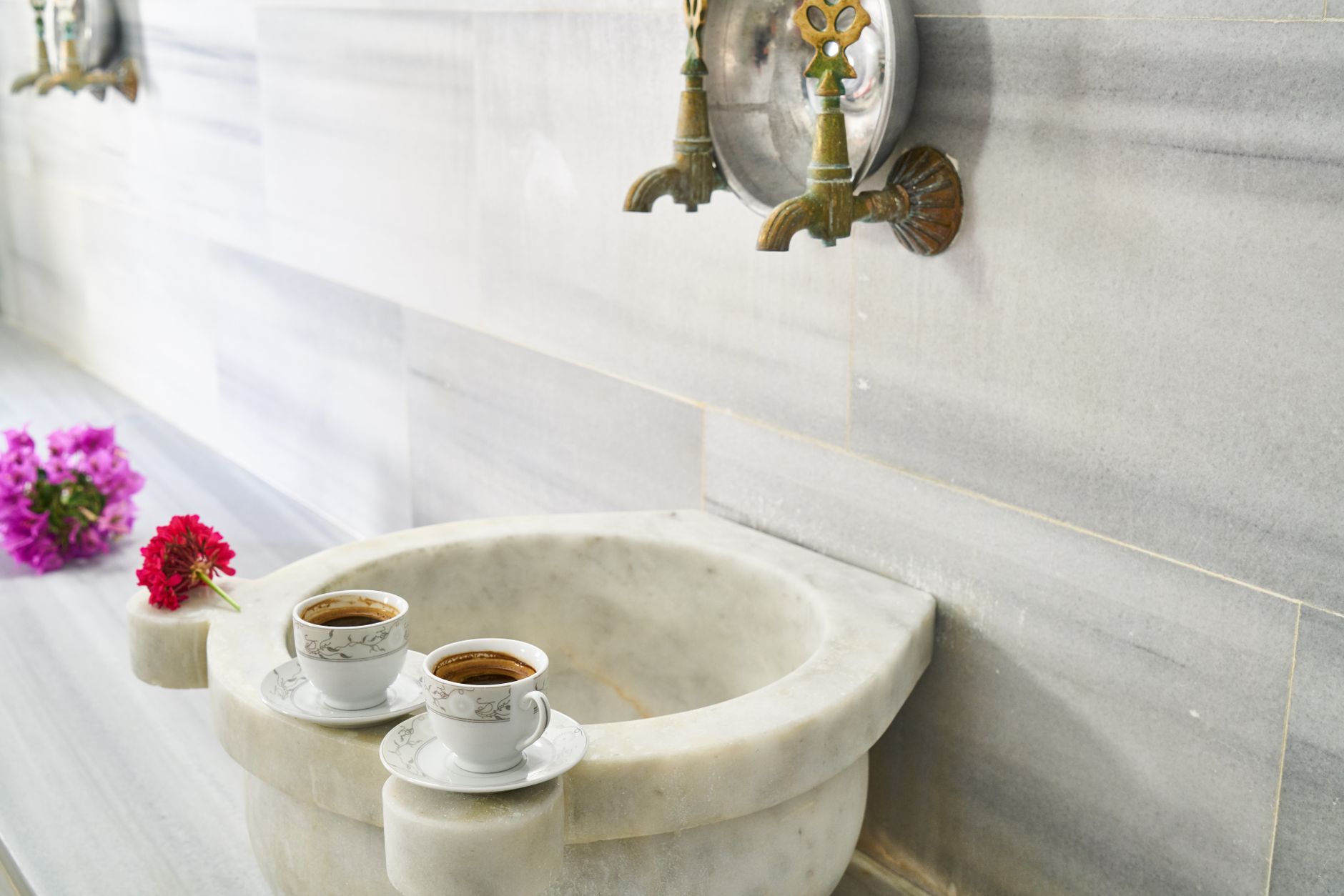
These venues typically combine three elements: the historic bath chamber itself, with its marble göbektaşı (central heated slab) and domed ceiling pierced with light wells; a modern hydrotherapy area with pools, whirlpools and physiotherapy rooms; and a clinical layer, often including a physician, physiotherapist and nursing staff. That combination is what distinguishes a genuine medical spa from a leisure hotel with a pool.
For patients, the appeal is not merely aesthetic. The warmth and humidity of a hamam can ease muscle tension and encourage mobility; the ritual of gradual warming, rest and cooling is itself a form of structured relaxation. Companions travelling with a patient often find these settings equally valuable — a calm, culturally rich environment in which to wait, rest and recover from the demands of caregiving.
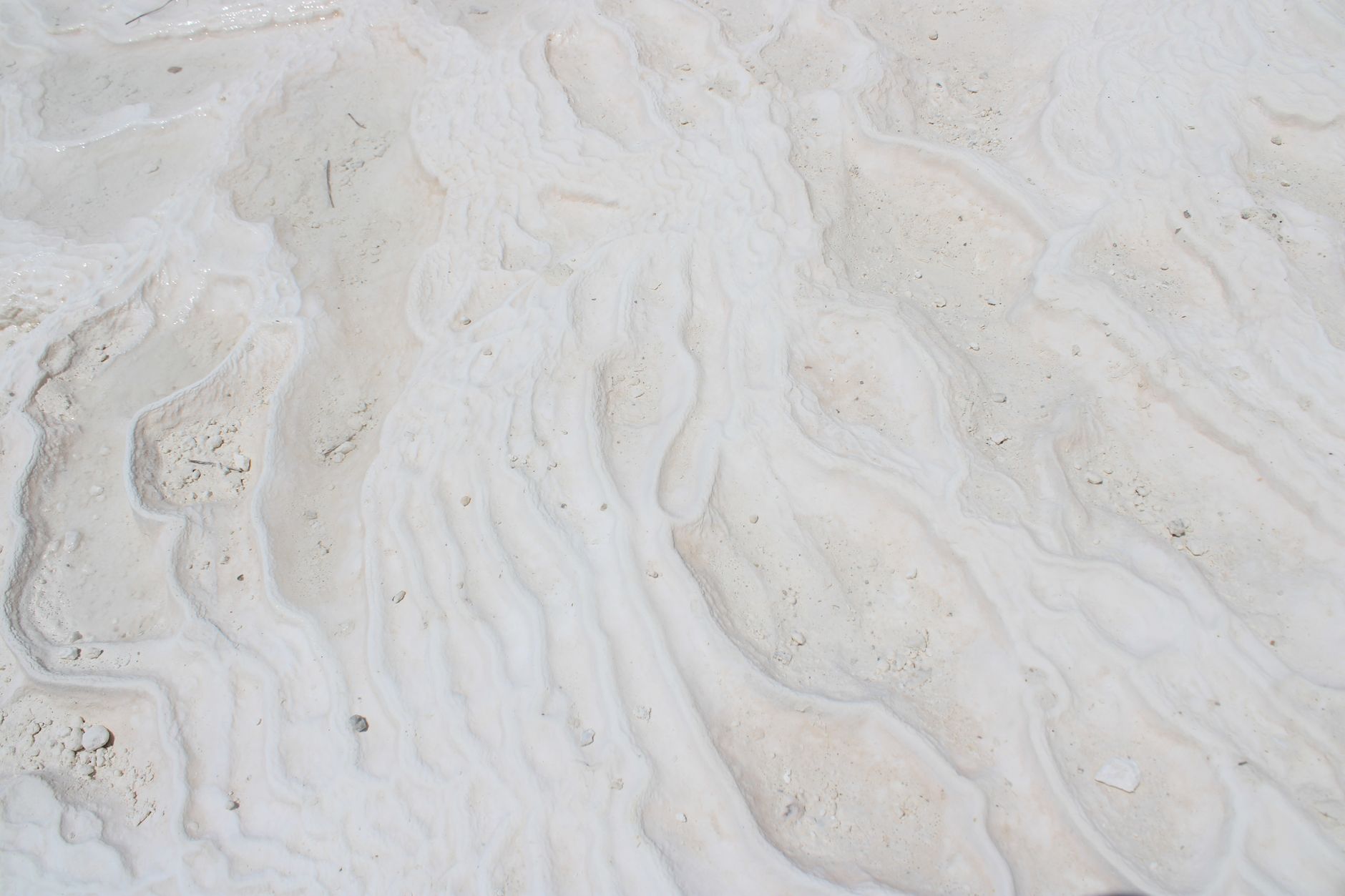
What Hydrotherapy Can — and Cannot — Do in Recovery
It is important to be clear about the evidence. Warm-water immersion and structured hydrotherapy have been studied most extensively in musculoskeletal rehabilitation: chronic low back pain, osteoarthritis of the knee and hip, fibromyalgia and post-operative orthopaedic recovery. Trials generally show modest benefits for pain, stiffness and function when hydrotherapy is part of a supervised programme — not when it replaces one.
What hydrotherapy cannot do is treat the underlying disease, substitute for prescribed medication or surgery, or safely manage every patient. Cardiovascular conditions, uncontrolled hypertension, active infections, open wounds, certain skin conditions, pregnancy complications and immune suppression can all make thermal bathing inappropriate or require strict precautions. Some patients should avoid hot pools entirely; others may only use cooler, shorter sessions.
This is why the first step is always the same: discuss the plan with your treating doctor before booking anything. Ask specifically about water temperature, session length, pool types, and whether your medications or recent procedures affect your tolerance for heat. A responsible medical spa will ask for this information itself — and will decline to accept a guest when the clinical picture is unclear.
How Clinician-Supervised Programmes Are Structured
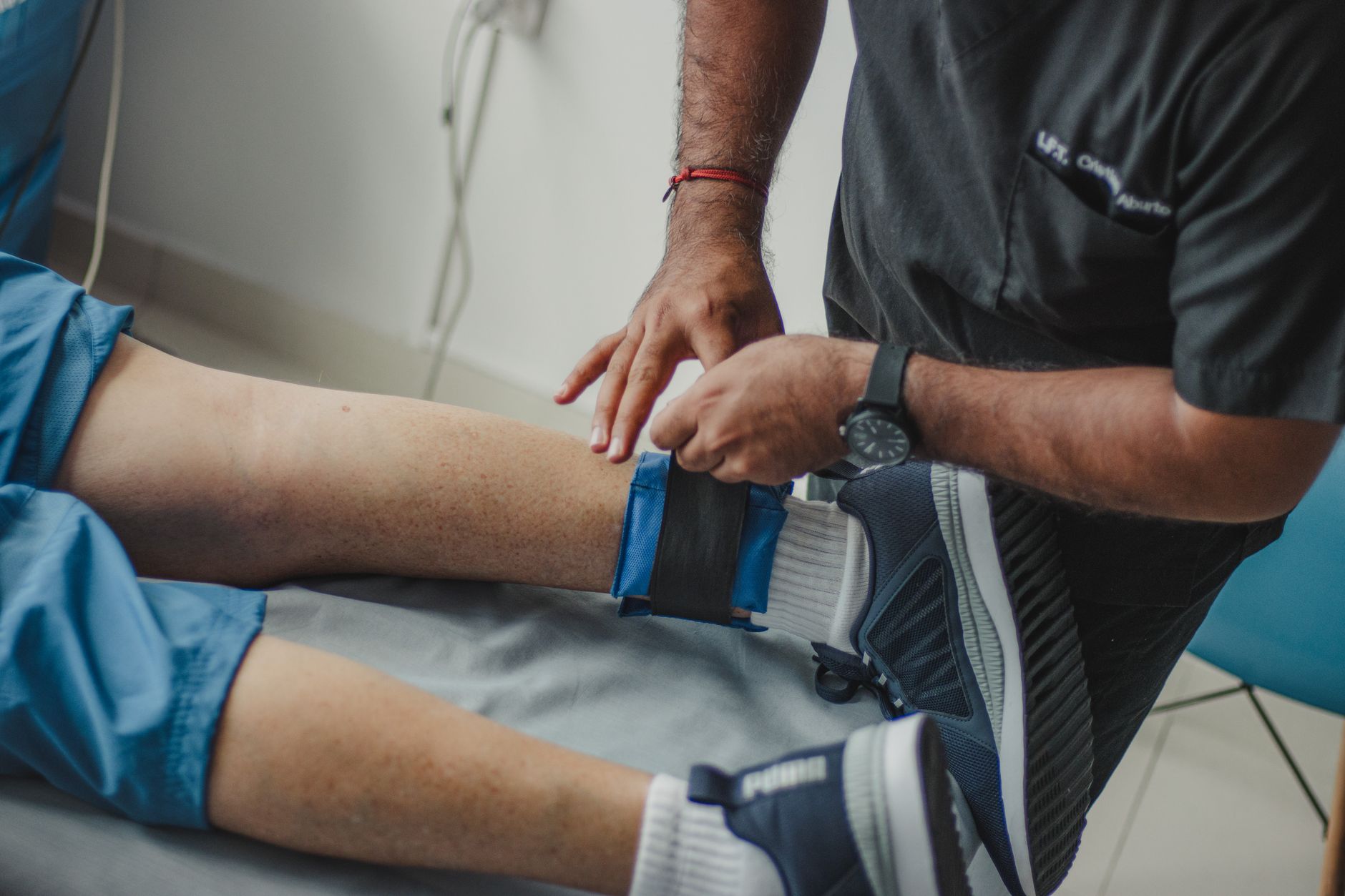
A well-run Turkish medical spa programme typically begins with assessment rather than treatment. Expect a consultation covering your medical history, current medications, surgical history and rehabilitation goals, followed by baseline measurements such as blood pressure, mobility and pain scores. Programme design then follows your clinical priorities — not a fixed package.
Sessions usually combine several elements: gentle aquatic exercise in a warm pool, individual physiotherapy, manual therapy, and rest periods in thermal or traditional bathing areas. Intensity is progressed gradually, and staff should be alert to signs of fatigue, dizziness or overheating. Communication with your treating physician back home — through shared notes or a discharge summary — is a hallmark of a serious facility.
Duration matters too. Most patients benefit from programmes of one to three weeks, with realistic goals set in advance. It is worth being sceptical of promises of dramatic, permanent results. Reputable centres present hydrotherapy as one component of recovery, alongside medication adherence, graded exercise, nutrition and follow-up with your own clinicians.
A Day in a Historic Thermal Setting: What Patients and Companions Can Expect
Mornings in a Turkish thermal centre often begin quietly: a light breakfast, a blood-pressure check, then water-based therapy while the air is still cool. The historic hamam ritual — warming on the marble slab, gentle exfoliation, rinsing and a period of rest with tea — usually follows later, adjusted to the day's clinical plan. Afternoons are for rest, walks in gardens or nearby old quarters, and physiotherapy sessions for those who need them.
Companions are not an afterthought. Many facilities offer parallel amenities — their own bathing and relaxation access, guided walks, cultural excursions to nearby historic sites, and quiet spaces to read or work. In Bursa, that might mean an afternoon among Ottoman monuments; in Istanbul, a ferry ride or a visit to a centuries-old bathhouse museum; in İzmir or Afyon, the slow pleasure of a thermal town where the waters have been used for generations.
The psychological dimension deserves emphasis. Recovery is tiring — for patients and for the people who accompany them. A setting that offers warmth, beauty, rhythm and rest can reduce the strain of treatment, improve sleep and make an extended medical stay feel less like an ordeal. These are genuine benefits, even if they are measured in comfort rather than laboratory values.
Practical Advice for Patients Travelling to Türkiye
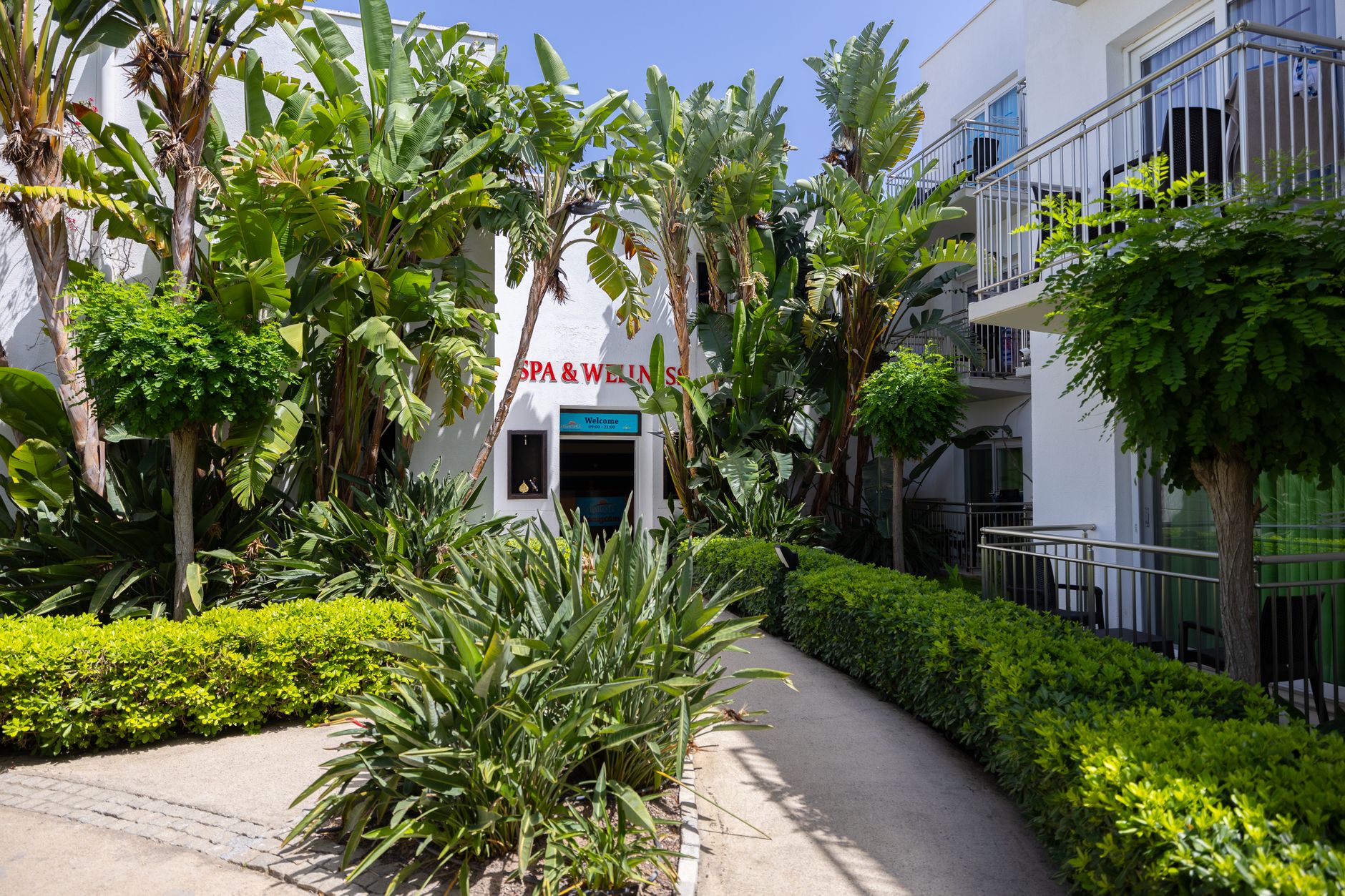
Start with your doctor, and bring documentation: a summary of your condition, current medications, recent test results and any restrictions on heat, exercise or travel. Share these with the medical spa in advance. Choose facilities that employ qualified clinicians, ask who supervises the water sessions, and confirm what happens in an emergency.
Practicalities matter as much as clinical ones. Confirm the water temperatures of each pool, ask about accessibility for mobility aids, and check whether companions can stay in the same room. Travel insurance should cover pre-existing conditions and any planned medical activity. Budget for extra rest days, and avoid scheduling ambitious sightseeing around therapy sessions.
- Get written approval from your treating physician before booking hydrotherapy.
- Ask for the facility's clinical staffing, emergency protocols and water temperature data.
- Bring medication in original packaging, with a doctor's letter.
- Plan a gentle arrival day and avoid strenuous travel immediately before sessions.
- Include companions in the plan — their rest is part of the recovery environment.
Choosing Responsibly: Comfort, Culture and Clinical Sense
Türkiye's thermal heritage is a genuine asset for medical travellers: geothermal water, historic architecture, experienced staff and a culture that treats bathing as both hygiene and healing. But the value of these traditions depends entirely on how they are used. Framed as a supervised complement to clinical care, they can add comfort, mobility and calm to a recovery journey. Framed as a cure, they can mislead and, in some cases, harm.
The right approach is neither sceptical dismissal nor uncritical enthusiasm. Ask questions, involve your doctors, choose facilities that welcome scrutiny, and treat the historic hamam as what it is: a beautiful, centuries-old setting in which modern recovery can take place more comfortably. For patients and companions alike, that combination — clinical sense in a historic setting — is precisely what makes Türkiye distinctive.
Thinking about treatment in Turkey?
Send us a question about this site or about the information published on it. This is a publisher's mailbox, not a medical service and not a route to a particular provider — for clinical questions, contact your own doctor.