

Türkiye: A Beacon of Inclusive Medical Tourism
In recent years, Türkiye has emerged as a global leader in medical tourism, attracting patients from around the world with its state-of-the-art hospitals, highly skilled physicians, and affordable treatments. What often goes unnoticed is the country's remarkable commitment to accessibility and inclusive care for patients with disabilities. From wheelchair-friendly facilities to specialised transport services, Türkiye's healthcare sector is proactively removing barriers and ensuring that every patient receives the care they deserve.
This blog post explores the growing accessibility of Turkish hospitals and recovery accommodations, highlights the compassionate, can-do attitude of Turkish healthcare teams, and provides practical tips for planning an accessible medical journey. Whether you're considering bariatric surgery, dental implants, or orthopaedic procedures, you'll find that Türkiye is well-prepared to accommodate diverse needs.
Wheelchair-Friendly Hospitals and Clinics
Turkish hospitals, particularly those accredited by Joint Commission International (JCI), have made significant strides in physical accessibility. Ramps, wide doorways, and elevators with Braille signage are standard in major medical centres in Istanbul, Ankara, and Izmir. Many hospitals feature designated accessible parking spaces, automatic doors, and barrier-free corridors that allow patients using wheelchairs or mobility scooters to navigate independently.
Inside the facilities, you'll find accessible restrooms equipped with grab bars and emergency pull cords, as well as patient rooms designed for ease of movement. Some hospitals even offer beds with adjustable heights and ceiling lifts to assist with transfers. Staff members are trained to assist patients with disabilities, ensuring dignity and comfort throughout the visit.
Moreover, diagnostic equipment such as MRI and CT scanners are increasingly adapted for patients with mobility challenges, with some centres offering open MRI machines to reduce claustrophobia and accommodate larger body sizes.

Specialised Transport and Accommodation
Getting to and from medical appointments can be a concern for patients with disabilities, but Türkiye's medical tourism sector has responded with specialised transport options. Many private hospitals partner with accessible taxi services and medical shuttles equipped with wheelchair ramps and secure tie-down systems. These services can be booked in advance, often through the hospital's international patient department.
Recovery accommodations have also evolved. A growing number of hotels and recovery residences near major hospitals now offer fully accessible rooms with roll-in showers, grab bars, and lowered fixtures. Some facilities provide on-site nursing care and physiotherapy, making them ideal for patients who need extra support during recovery. For those travelling with a companion, family rooms and connecting doors are available to ensure privacy and convenience.
It's advisable to confirm accessibility features directly with the accommodation provider, as older buildings may have limitations. However, the trend is clearly moving toward universal design, with new developments incorporating accessibility from the ground up.
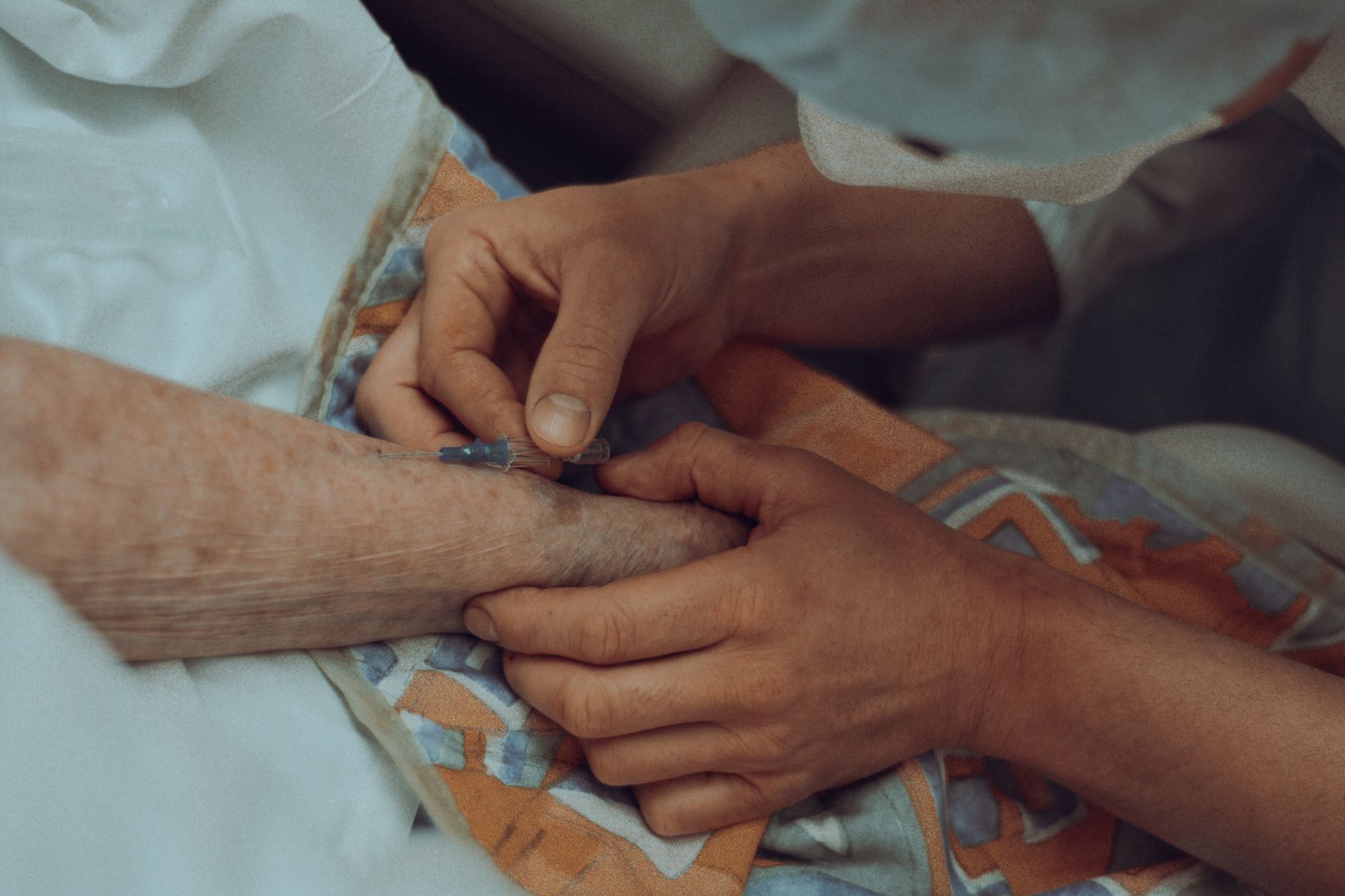
Compassionate and Can-Do Attitude of Turkish Healthcare Teams
Perhaps the most compelling aspect of Türkiye's approach to inclusive care is the attitude of its healthcare professionals. Turkish medical teams are known for their warm hospitality and problem-solving mindset. When faced with a patient's specific needs, they don't see obstacles; they see opportunities to innovate and adapt.
For example, a patient with a spinal cord injury might require a customised surgical table or additional transfer equipment. Rather than turning the patient away, Turkish hospitals often source or modify equipment to ensure the procedure can go ahead. Nurses and caregivers are trained to assist with activities of daily living, and interpreters are available to bridge language barriers, including sign language in some facilities.
This compassionate approach extends beyond the clinical setting. International patient coordinators often go the extra mile, helping with visa letters, arranging accessible sightseeing tours, and even connecting patients with local disability communities for support. It's this human touch that transforms a medical trip into a healing journey.

Legal Framework and Patient Rights
Türkiye has a robust legal framework protecting the rights of individuals with disabilities. The Turkish Disability Act (Law No. 5378) mandates accessibility in public buildings, including healthcare facilities, and prohibits discrimination based on disability. Hospitals are required to make reasonable accommodations for patients with disabilities, and non-compliance can result in penalties.
International patients can take comfort in knowing that their rights are safeguarded. Furthermore, Türkiye is a signatory to the UN Convention on the Rights of Persons with Disabilities, reinforcing its commitment to inclusive healthcare. If you encounter any accessibility issues, you can raise them with the hospital's patient rights department or the Ministry of Health's hotline.
Many hospitals also have patient advocates who can assist with complaints and ensure that your needs are met. It's always a good idea to document your requirements in advance and communicate them clearly to your medical team.
Practical Tips for Planning an Accessible Medical Journey
Planning a medical trip to Türkiye with a disability requires careful preparation. Start by researching hospitals that have experience treating patients with similar needs. Look for JCI accreditation and ask specific questions about accessibility features, such as the availability of hoists, accessible operating theatres, and trained staff.
Work closely with the hospital's international patient department to coordinate transport, accommodation, and any special assistance you may need at the airport. Turkish airlines and airports offer comprehensive assistance for passengers with disabilities, including wheelchair services and priority boarding. Ensure you have all necessary medical documents, including a letter from your doctor detailing your condition and any equipment you'll be bringing.
Consider travelling with a companion who can provide support, especially during the recovery phase. Pack any personal assistive devices you rely on, and bring spare parts or batteries if applicable. Finally, purchase travel insurance that covers medical treatment and accessibility-related expenses.
Success Stories: Real Patients, Real Impact
The true measure of Türkiye's inclusive care is the stories of patients who have overcome challenges and achieved better health. Take, for instance, Maria from Germany, who uses a wheelchair and travelled to Istanbul for bariatric surgery. The hospital arranged a fully accessible room, a specialised transport van, and a nurse who assisted with her daily needs. "I felt respected and cared for every step of the way," she says.
Another example is Ahmed from the UAE, who has a visual impairment and underwent dental implant surgery in Antalya. The clinic provided a sign language interpreter and tactile guides for navigating the facility. "They thought of everything," he recalls. "I never felt like a burden."
These stories are not isolated incidents; they reflect a systemic commitment to inclusivity that is embedded in Türkiye's medical tourism culture. As more patients share their positive experiences, the sector continues to raise the bar for accessibility.
Conclusion: A Future of Accessible Healthcare for All
Türkiye's medical tourism sector is not just about cutting-edge treatments and competitive prices; it's about ensuring that every patient, regardless of ability, can access those benefits. Through wheelchair-friendly infrastructure, specialised transport, compassionate teams, and a supportive legal environment, Türkiye is setting a global example for inclusive medical travel.
If you're considering medical treatment abroad and have disability-related requirements, Türkiye should be at the top of your list. With careful planning and the right support, you can focus on what truly matters: your health and recovery. The can-do spirit of Turkish healthcare professionals will welcome you with open arms—and open doors.
Thinking about treatment in Turkey?
Share your contact details and a verified doctor will follow up with a plan built around you — free, no obligation.