

Why One Trip Can Mean More Than One Department
Most international patients arrive in Türkiye with a list, not a single item. A traveller in her sixties may need a cardiac check-up, a hip consultation and a fresh set of dental crowns. A younger patient might want a full-body diagnostic screening plus orthodontic work while a spouse is being assessed for knee surgery. In the past, that meant shuttling between separate clinics, repeating the same paperwork, carrying X-rays in a folder and hoping each specialist would read the notes of the last.
Türkiye's large multi-specialty hospital campuses were built to solve exactly this problem. These are not single-department clinics but expansive medical complexes where cardiology, orthopaedics, dentistry, radiology, internal medicine, physiotherapy and dozens of other specialties sit on the same grounds — often in connected buildings, always under one administrative roof. For a medical traveller, that means one address, one admission file and one person to coordinate the whole visit.
The result is a quieter, more efficient treatment trip. Instead of a fragmented schedule across the city, your consultations, imaging and procedures are arranged in a sequence that makes clinical sense, with rest built in. This guide explains how multi-specialty campuses work for international patients and how to ask for a combined care plan before you book flights.
What a Multi-Specialty Campus Actually Offers
Türkiye's flagship medical campuses are typically large, purpose-built facilities often attached to university hospitals or major private health groups. Many are located in Istanbul, Ankara and Izmir, and several hold international accreditation such as JCI, which signals quality standards recognised worldwide. The scale is the point: a single campus can house dozens of operating theatres, advanced imaging suites, intensive care units, laboratories and outpatient clinics for every major specialty.
For international patients, the practical advantage is consolidation. Cardiology diagnostics, orthopaedic imaging, dental treatment rooms and blood-test laboratories are all within a short walk, often with international patient departments situated at the entrance to handle translation, insurance paperwork and appointment scheduling. Rather than travelling across a city, you move between floors or adjoining blocks.
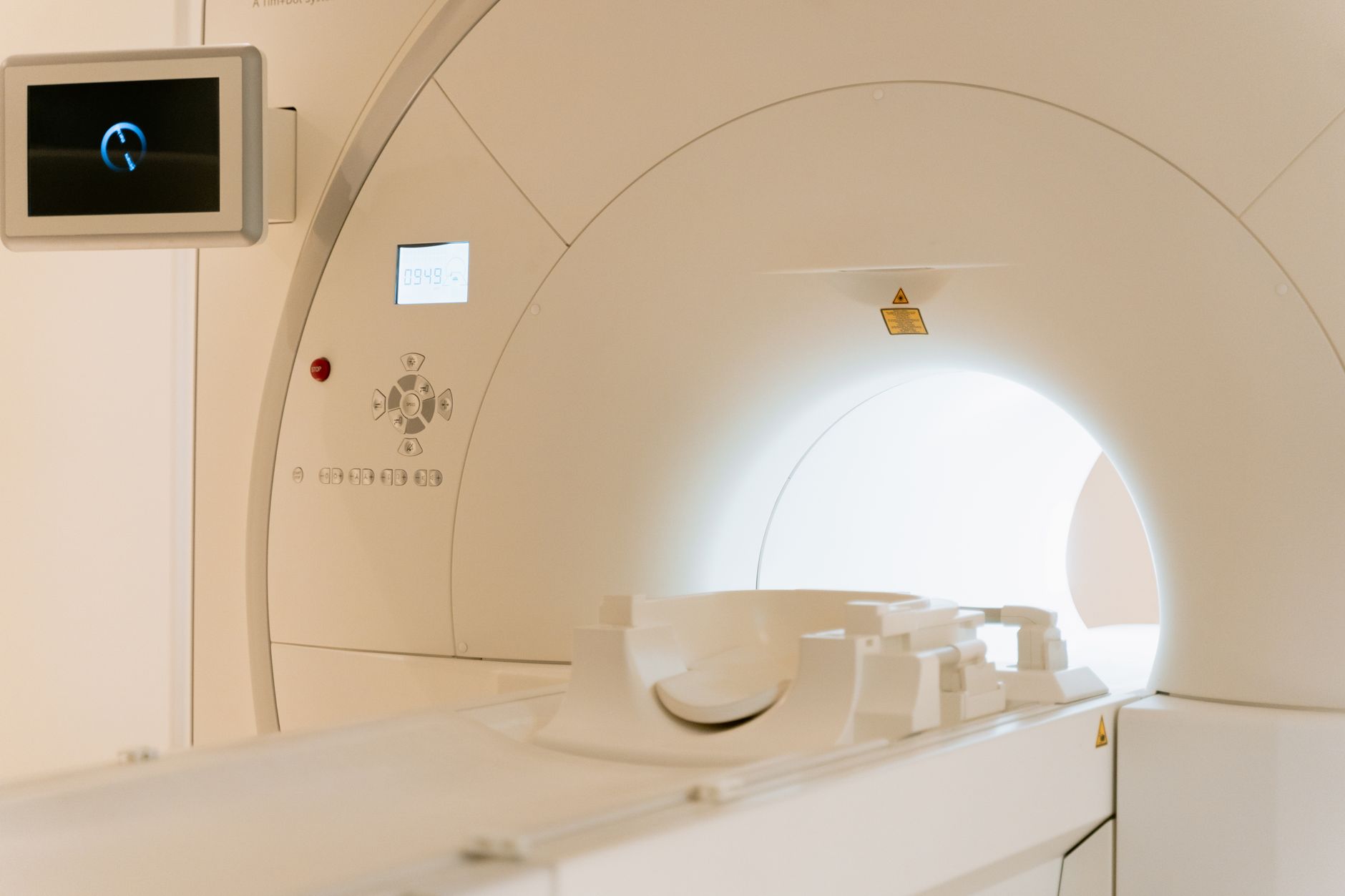
These campuses also invest heavily in diagnostic technology — MRI, CT, PET-CT, echocardiography, digital radiology and comprehensive laboratory services — because diagnostics are the connective tissue between specialties. A cardiologist and an orthopaedic surgeon treating the same patient both rely on the same blood work, the same imaging archive and the same record of medications.
- Cardiology: ECG, echocardiography, stress testing, angiography and cardiac surgery backup.
- Orthopaedics: joint replacement, arthroscopy, spine care, sports injuries and rehabilitation.
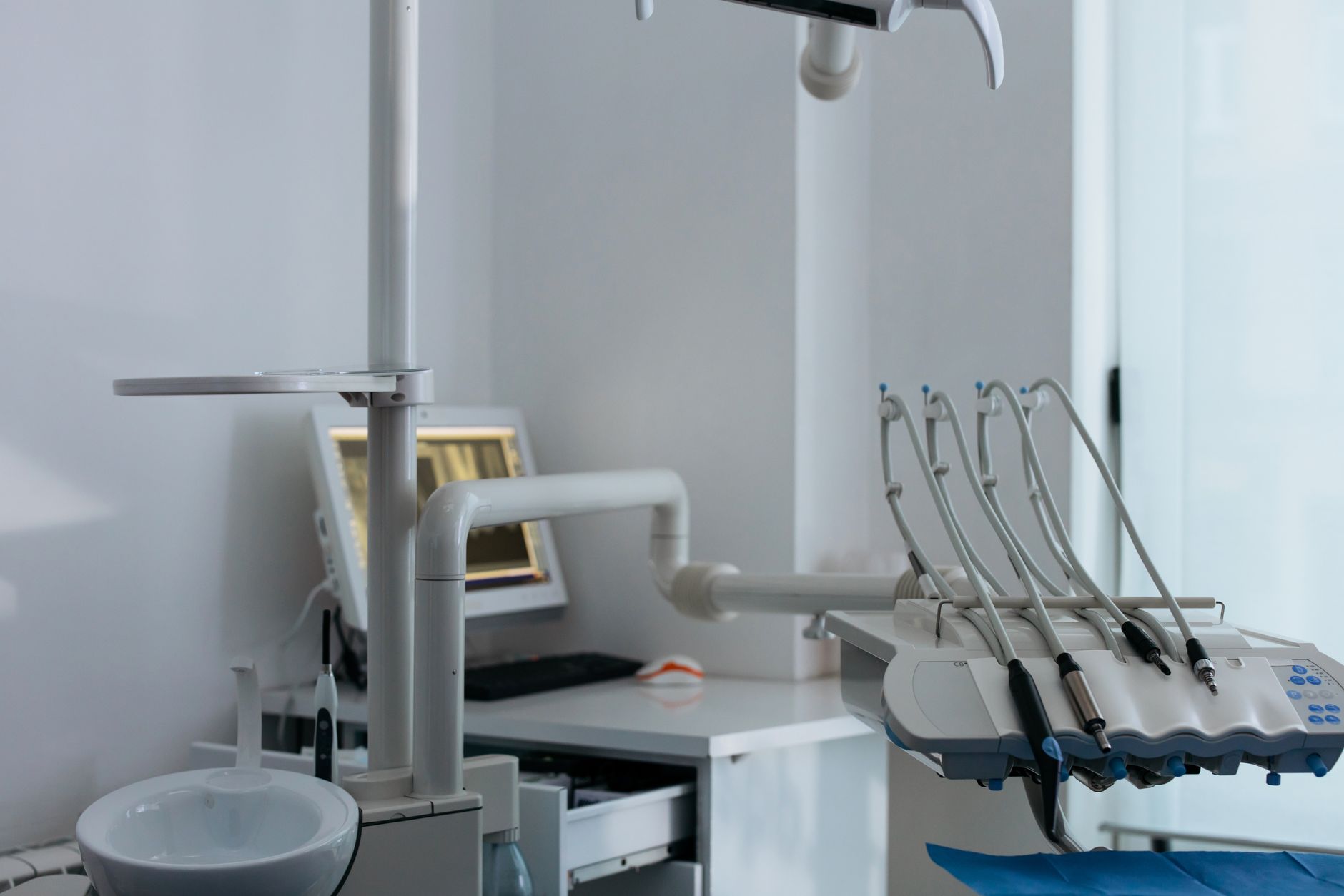
- Dental: implants, crowns, veneers, orthodontics and maxillofacial surgery.
- Diagnostics: advanced imaging, laboratory panels and preventive health screening packages.
- Support services: physiotherapy, nutrition, internal medicine and post-operative follow-up.
The Single Care Coordinator: Your One Point of Contact
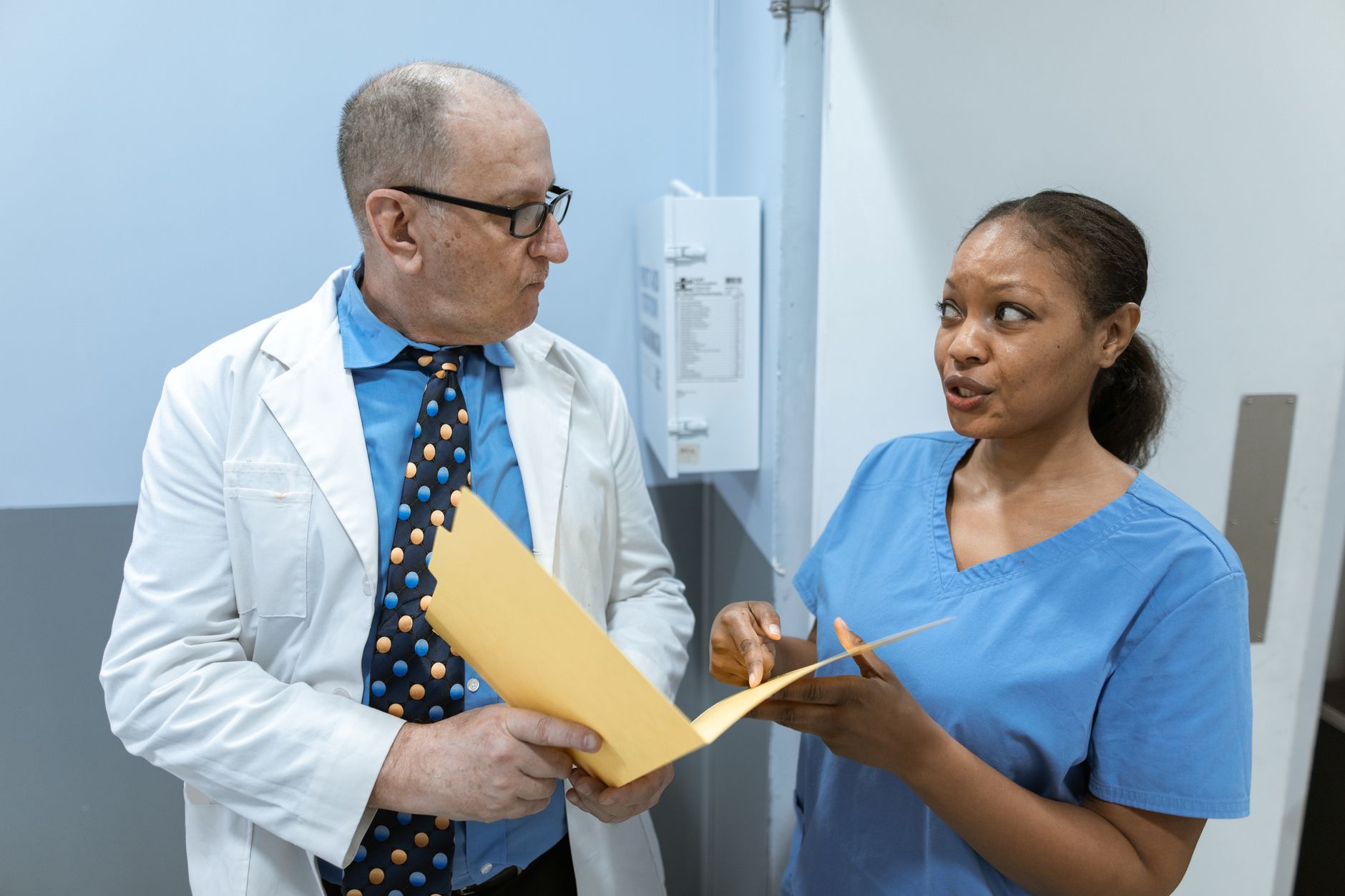
The defining feature of a well-run multi-specialty campus is the care coordinator. This is a dedicated staff member — often multilingual — assigned to international patients from the first enquiry to the post-treatment follow-up. Instead of calling five different departments, you call one person who knows your entire plan, your dates and your preferences.
The coordinator acts as your translator, scheduler and advocate. They compile your medical history, gather any records you send ahead, book consultations in a logical order and arrange interpreters for appointments. If your cardiology assessment reveals something that should be discussed with an internist before dental work proceeds, the coordinator is the one who rearranges the schedule and explains why.
This role matters most when your treatment involves more than one specialty. Combined care means sequencing: for example, dental implant surgery might be scheduled after cardiac clearance, and physiotherapy started a day after orthopaedic surgery. Coordinators manage these dependencies so that you are not left to work them out yourself, and they serve as the link between departments when a shared clinical decision is needed.
Ask early whether your chosen campus assigns a single coordinator to your whole journey — and confirm they will be reachable by WhatsApp or email throughout your stay.
Joined-Up Records: Why It Changes the Experience
In a fragmented system, patients become couriers of their own medical data. In a multi-specialty campus, records live in one hospital information system. Your imaging, lab results, consultation notes and prescriptions are visible to every clinician involved in your care, often in real time. That changes the quality of decisions, not just the convenience.
Consider a patient with diabetes scheduled for knee replacement. The orthopaedic surgeon, the anaesthesiologist and the internal medicine specialist can all see the same blood sugar readings and medication history. Adjustments happen collaboratively before surgery, reducing risk. Similarly, a dental patient on blood thinners benefits from coordinated review before any extraction. Joined-up records make those conversations routine rather than exceptional.
For you, the practical benefits are tangible. You carry fewer files. You repeat your history less often. You receive one consolidated discharge report covering every department you visited, in a language you understand. And because results are already in the system, follow-up consultations — whether in person or by video from home — are easier to arrange.
Building a Realistic Combined Schedule
A combined care plan is not simply a stack of appointments. It is a clinical itinerary. Most multi-specialty campuses begin with a diagnostic day: blood panels, imaging and any specialty-specific tests. Consultants then review results together or in sequence, and only afterwards is a treatment plan finalised with dates and costs.
Allow realistic windows. Dental implant work may require several visits spaced across your stay, or a two-stage plan with a return trip. Orthopaedic surgery usually needs a few days in hospital plus early rehabilitation before you fly. Cardiology evaluations can often be completed in a day or two, but may prompt further tests. A good coordinator will build in recovery days rather than filling every hour.
It also helps to be honest about priorities. If budget or time is limited, tell your coordinator which treatment is urgent and which can wait for a future visit. Multi-specialty campuses are flexible about sequencing, and a well-designed plan may combine a procedure now with a diagnostic baseline that guides future care. Think of the trip as the beginning of a relationship with the campus rather than a one-off transaction.

How to Ask for a Combined Care Plan
The request itself is simple, but specificity helps. When you contact the international patient department, state clearly that you are seeking a combined care plan across multiple departments. List each concern — for example, cardiac check-up, hip pain and dental implants — and attach any recent reports, imaging or medication lists. Mention your available travel dates and how long you can stay.
Ask directly for a written plan that includes the proposed consultations and tests, an indicative sequence and duration, estimated costs per department and any prerequisites such as stopping certain medications. Confirm whether a single coordinator will handle all departments, whether interpreters are included, and how records will be shared with your doctors at home. It is reasonable to ask for the plan by email before you commit to flights.
Finally, ask what happens after you return home. Good campuses provide discharge summaries, imaging copies and a route for follow-up questions. Combined care should not end at the airport. If the answer is clear and structured, you have found a campus that genuinely coordinates rather than merely co-locates — and your treatment trip becomes simpler, calmer and safer.
Practical Tips Before You Book
Choose a campus with an established international patient department and accreditation you recognise. Compare not only procedure prices but the scope of the combined plan, since one inclusive itinerary often costs less than separate trips. Book accommodation near the campus to reduce travel on treatment days, and keep a digital folder of your records to share on arrival.
Build in a buffer day before flying home, particularly after surgery or sedation. Confirm insurance and payment arrangements in writing, and ask for the coordinator's direct contact. With a single point of contact, one set of records and a campus that brings cardiology, orthopaedics, dental care and diagnostics together, Türkiye offers medical travellers something valuable: the ability to treat the whole person in one coordinated visit.
Thinking about treatment in Turkey?
Send us a question about this site or about the information published on it. This is a publisher's mailbox, not a medical service and not a route to a particular provider — for clinical questions, contact your own doctor.