
One Room, Every Expert: The Power of the Tumour Board
When you receive a cancer diagnosis, the most important question is not only what treatment to have, but who should decide it. In many healthcare systems, patients are passed from one specialist to another — a surgeon here, a radiologist there, an oncologist weeks later. In Türkiye's leading academic and accredited cancer centres, that fragmented journey is replaced by something far more powerful: the multidisciplinary tumour board.
A tumour board is a scheduled meeting where every relevant specialist reviews a patient's case together, at the same table, at the same time. Surgical oncologists, radiation oncologists, medical oncologists, pathologists, radiologists, nuclear medicine physicians, genetic counsellors and specialist nurses all contribute their expertise. The result is not a series of isolated opinions, but a single, coordinated treatment plan built around one patient.
For international patients, this model is transformative. Instead of waiting weeks or months to assemble a plan across different clinics, you can arrive in Istanbul, Ankara or Izmir and have your case presented to a tumour board within days. Türkiye has turned multidisciplinary cancer care into a system — and that system is why patients from Europe, the Middle East, Africa and Central Asia increasingly choose it for complex cases.
What Happens Inside a Turkish Tumour Board
The process begins before you even land. Your medical records, imaging files, biopsy slides and pathology reports are collected and digitised by the international patient department. These are translated where necessary and uploaded to a secure system so that specialists can begin reviewing your case immediately.
On the day of the board meeting, each discipline presents its findings. The radiologist walks through the imaging, highlighting the exact size, location and behaviour of the tumour. The pathologist explains the tissue analysis — the cancer type, its grade, and any molecular or genetic markers that could guide targeted therapy. The surgical oncologist assesses whether the tumour can be removed and by what technique. The radiation oncologist evaluates whether radiotherapy should be used before, after or instead of surgery. The medical oncologist considers systemic treatments such as chemotherapy, immunotherapy or hormone therapy.
Then comes the most valuable part: discussion. Specialists challenge one another, compare international guidelines with their own clinical experience, and weigh the risks and benefits of each option against the patient's age, overall health and personal goals. Only when consensus is reached is a final plan documented. You receive not a vague suggestion, but a clear roadmap — with sequencing, timelines and contingency plans.

Personalised Treatment, Not a One-Size-Fits-All Protocol
Cancer is not one disease, and no two patients are identical. A tumour board makes true personalisation possible because it examines your cancer at a molecular and clinical level simultaneously. If your pathology shows a mutation that responds to targeted therapy, the medical oncologist can recommend it. If the tumour is borderline resectable, the surgeon and radiation oncologist can plan neoadjuvant treatment to shrink it first. If you are elderly or have other health conditions, the team can adjust intensity to protect your quality of life.
This collaborative approach is especially important for complex cases: rare cancers, tumours near vital organs, recurrent disease, or cases where previous treatments have failed. These are precisely the situations where a single specialist's perspective is not enough — and where Türkiye's tumour boards shine.
International patients often tell us that the most reassuring moment of their journey is hearing that a group of specialists discussed their case together, rather than relying on one doctor's hurried opinion. That reassurance is not just emotional — it is clinical. Studies consistently show that multidisciplinary care improves treatment decisions, reduces unnecessary interventions and can improve survival outcomes.
Speed and Reassurance: A Coordinated Plan Within Days of Arrival
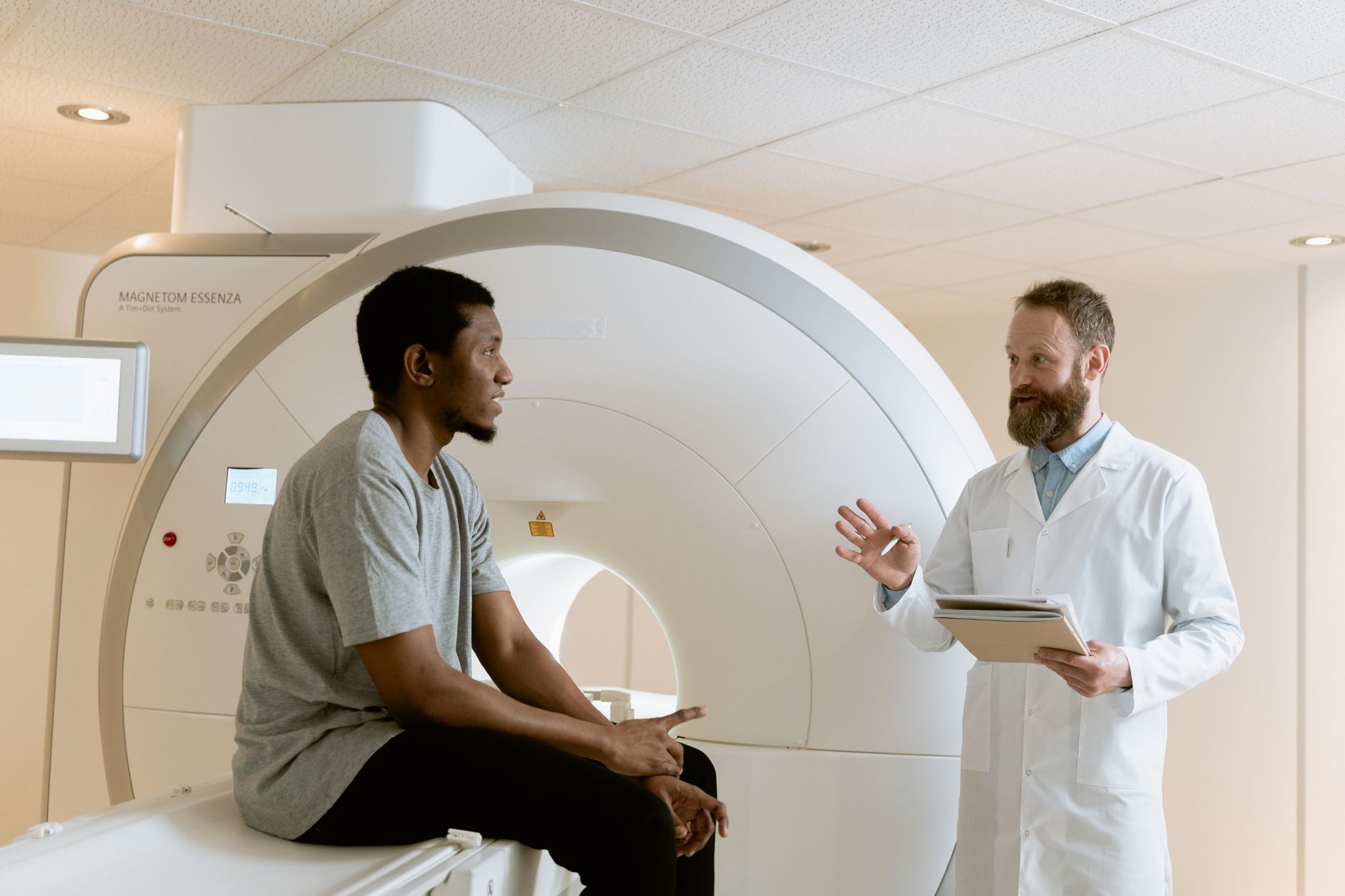
For patients travelling abroad with cancer, time is precious. Türkiye's academic hospitals have engineered their tumour board workflows for speed without sacrificing thoroughness. Many centres hold boards multiple times per week, and some convene daily. This means that from the moment you arrive, your case can be scheduled for review almost immediately.
Here is what a typical timeline looks like for an international patient:
- Before travel: Records and imaging are reviewed remotely, and a preliminary assessment is shared with you.
- Day 1–2 after arrival: You meet your coordinating doctor and undergo any necessary additional tests or imaging.
- Day 2–4: Your case is presented at the multidisciplinary tumour board.
- Day 3–5: You receive a written, personalised treatment plan explained in your language.
- Day 5 onward: Treatment begins — surgery, radiotherapy, systemic therapy or a combination.
This pace is possible because the specialists are not scattered across a city; they work in the same institution, often in the same building, with shared access to your digital records. There is no waiting for faxed reports or repeated consultations. The plan is decided once, by everyone, and then executed by a dedicated team.
The emotional benefit is just as significant. Cancer diagnosis is frightening, and uncertainty can be worse than the disease itself. Knowing that a complete plan — with clear next steps — will be ready within days of arrival removes a huge burden from patients and their families.
Academic Excellence and International Accreditation
Türkiye's leadership in complex cancer care is built on a foundation of academic medicine. Many of the country's top oncology hospitals are university-affiliated or Ministry of Health training and research hospitals. They not only treat patients but also train the next generation of oncologists, conduct clinical trials, and publish research in international journals.
This academic environment means patients benefit from the latest evidence-based protocols. Turkish cancer centres are accredited by respected international bodies and follow guidelines from organisations such as ESMO, ASCO and NCCN. Many have Joint Commission International (JCI) accreditation, reflecting global standards in patient safety and quality.
The tumour board model is central to this academic culture. It is not an optional extra; it is embedded in the hospital's daily routine. Complex cases are routinely discussed, and treatment decisions are documented and auditable. For international patients, this translates into transparency, accountability and confidence.
Why International Patients Choose Türkiye for Complex Cancer Care
Türkiye offers a rare combination: advanced medical technology, highly trained specialists, rapid access to multidisciplinary care, and competitive costs. While waiting lists in some countries stretch for months, Turkish hospitals can often begin treatment within one to two weeks of first contact. For aggressive cancers, that speed can be decisive.
International patient departments are designed to make the journey smooth. They provide assistance with medical visa invitation letters, airport transfers, translation and interpretation, accommodation for family members, and coordination between all treating specialists. Many hospitals have dedicated multilingual teams who guide you from your first email to your follow-up appointments.
Culturally, Türkiye is a bridge between Europe and Asia, and its hospitals reflect that openness. Patients from diverse backgrounds find a warm welcome, halal and vegetarian meal options, and staff experienced in caring for people from many countries. Istanbul, with its world-class airports and direct flights from over 300 destinations, is an exceptionally convenient hub for medical travel.
What This Means for You: Confidence in Every Decision
Choosing where to receive cancer treatment is one of the most consequential decisions you will ever make. Türkiye's multidisciplinary tumour boards offer something invaluable: the certainty that your case has been examined by every relevant expert, that your treatment plan is personalised to your specific cancer and circumstances, and that the plan will be delivered quickly and cohesively.
You are not navigating a fragmented system alone. You are at the centre of a team that meets, discusses, debates and decides — together. That is the essence of modern, patient-focused cancer care, and it is why Türkiye has become a global leader in complex oncology.
If you or a loved one is facing a cancer diagnosis, especially a complex one, consider what a coordinated tumour board could mean for your journey. In Türkiye, that coordination is not a promise for the future — it is standard practice today. Reach out to an accredited Turkish oncology hospital, share your records, and let a team of specialists build a plan around you.
Thinking about treatment in Turkey?
Share your contact details and a verified doctor will follow up with a plan built around you — free, no obligation.