

A Warm Welcome for Families Who Travel for Care
When a child receives an orthopaedic diagnosis — whether it is clubfoot, a limb length difference, or a growth concern that needs watching — the whole family feels it. Parents begin searching for answers late at night, comparing hospitals across borders, and wondering whether a long journey could really lead to better care for their child. In Türkiye, that search often ends with relief. The country's paediatric orthopaedic centres have built a reputation not only for skilled surgeons but for something harder to measure: a genuinely family-centred way of working.
Türkiye has invested heavily in children's hospitals and specialist clinics, especially in Istanbul, Ankara and Izmir. These centres combine modern imaging, child-sized surgical facilities and dedicated paediatric teams. Just as importantly, they understand that international families arrive with worries that go far beyond the operating room — language, logistics, housing, and the simple fear of being far from home.
What sets the best centres apart is coordination. Instead of meeting a different specialist at every visit, families are guided by a single paediatric orthopaedic team that follows the child from first consultation through treatment, rehabilitation and growth monitoring. For parents, that continuity feels like being handed a map when you were lost.
Understanding Clubfoot and the Ponseti Approach
Clubfoot (talipes equinovarus) is one of the most common congenital foot conditions. A baby's foot turns inward and downward because the tendons and ligaments are tight. Left untreated, it can make walking painful and difficult. The good news, shared by paediatric orthopaedic teams worldwide, is that the vast majority of clubfoot cases can be corrected without major surgery — and Türkiye's centres are highly experienced in the gold-standard method.
The Ponseti technique uses a gentle series of casts, changed weekly, to gradually guide the foot into a normal position. This is usually followed by a small procedure to release the Achilles tendon, and then a period of wearing special boots and a bar at night to maintain correction. Success depends on precision and consistency, which is exactly where a well-organised paediatric team shines. Turkish clinics typically assign a dedicated orthotist and a follow-up nurse who work alongside the surgeon.
For international parents, this consistency matters enormously. A team that has performed Ponseti casting hundreds of times knows how to explain each stage clearly, how to teach parents to check for skin irritation under the casts, and how to plan the bracing schedule around the family's return home. Many centres provide written guides in multiple languages and arrange video follow-ups so that families can stay connected with their child's team after they leave Türkiye.
Limb Correction: Lengthening, Straightening and Rebuilding Confidence
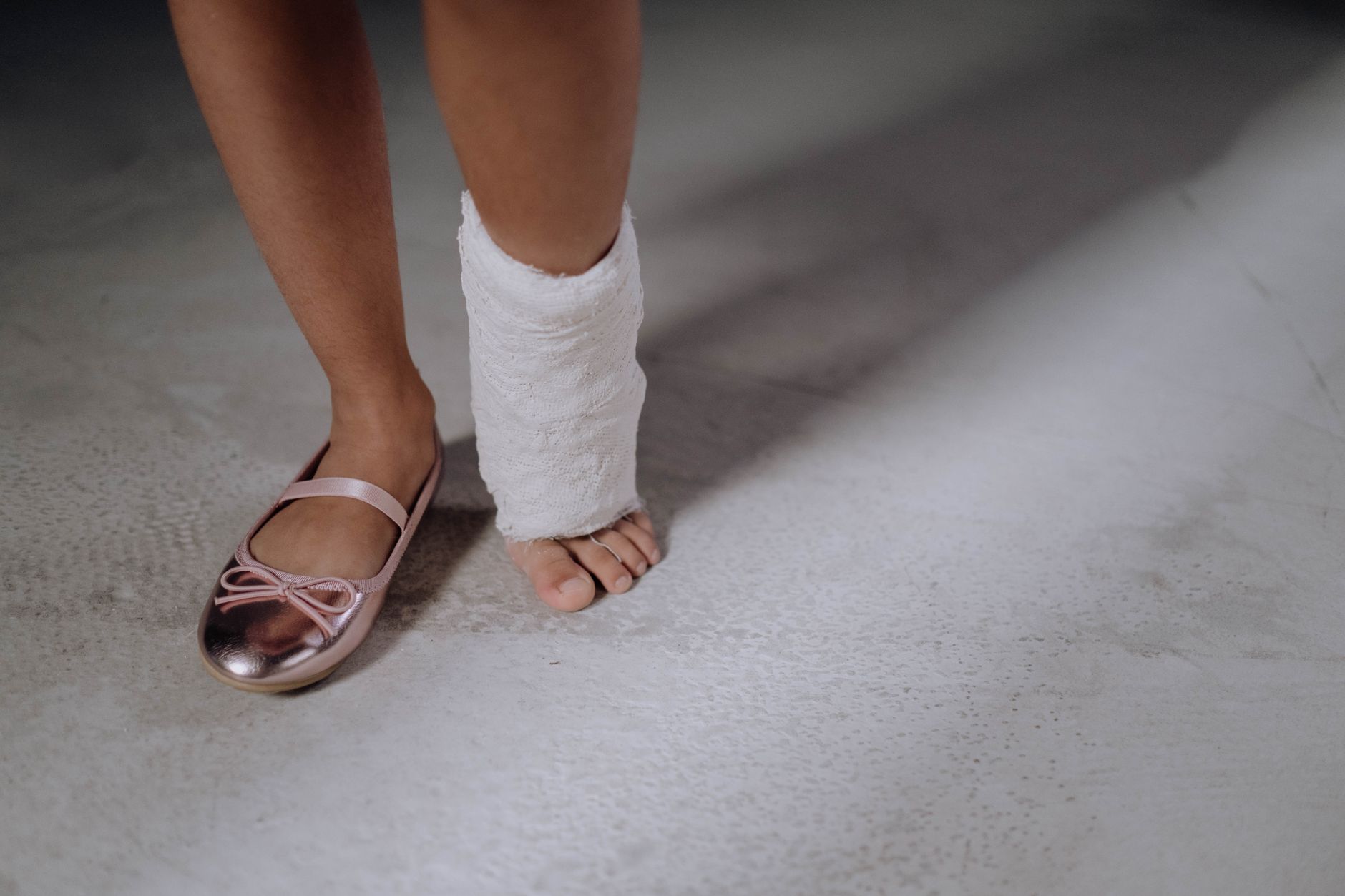
Limb correction covers a wide range of conditions: legs that differ in length, bowing or knock-knee patterns, rotational differences, and deformities following injury or infection. In children, these issues are often addressed with a philosophy of guided correction — using the child's own growth, or carefully controlled distraction techniques like external or internal lengthening devices, to bring the limb into balance.
Türkiye's paediatric orthopaedic centres have embraced modern limb reconstruction methods, including computer-assisted planning and magnetically controlled lengthening nails that reduce the burden of adjustments. Surgeons work closely with physiotherapists, so that strengthening and mobility training begin early and continue throughout treatment. Children are not treated as small adults; the pace of correction and rehabilitation is tailored to their age and stage of growth.
Parents often say that the emotional side of limb correction surprised them. Children notice differences, and so do their peers. Turkish teams frequently include child psychologists or play specialists in the care plan, helping children understand what is happening and celebrating milestones along the way. The aim is not only a straighter leg but a more confident child.
Because limb correction can span months or years, international families benefit from a staged plan. Many centres offer an intensive initial phase in Türkiye followed by remote monitoring with the family's local doctor, with regular return visits as needed. This shared-care model keeps treatment moving without requiring families to relocate indefinitely.
Growth Guidance: Watching, Measuring and Acting at the Right Time
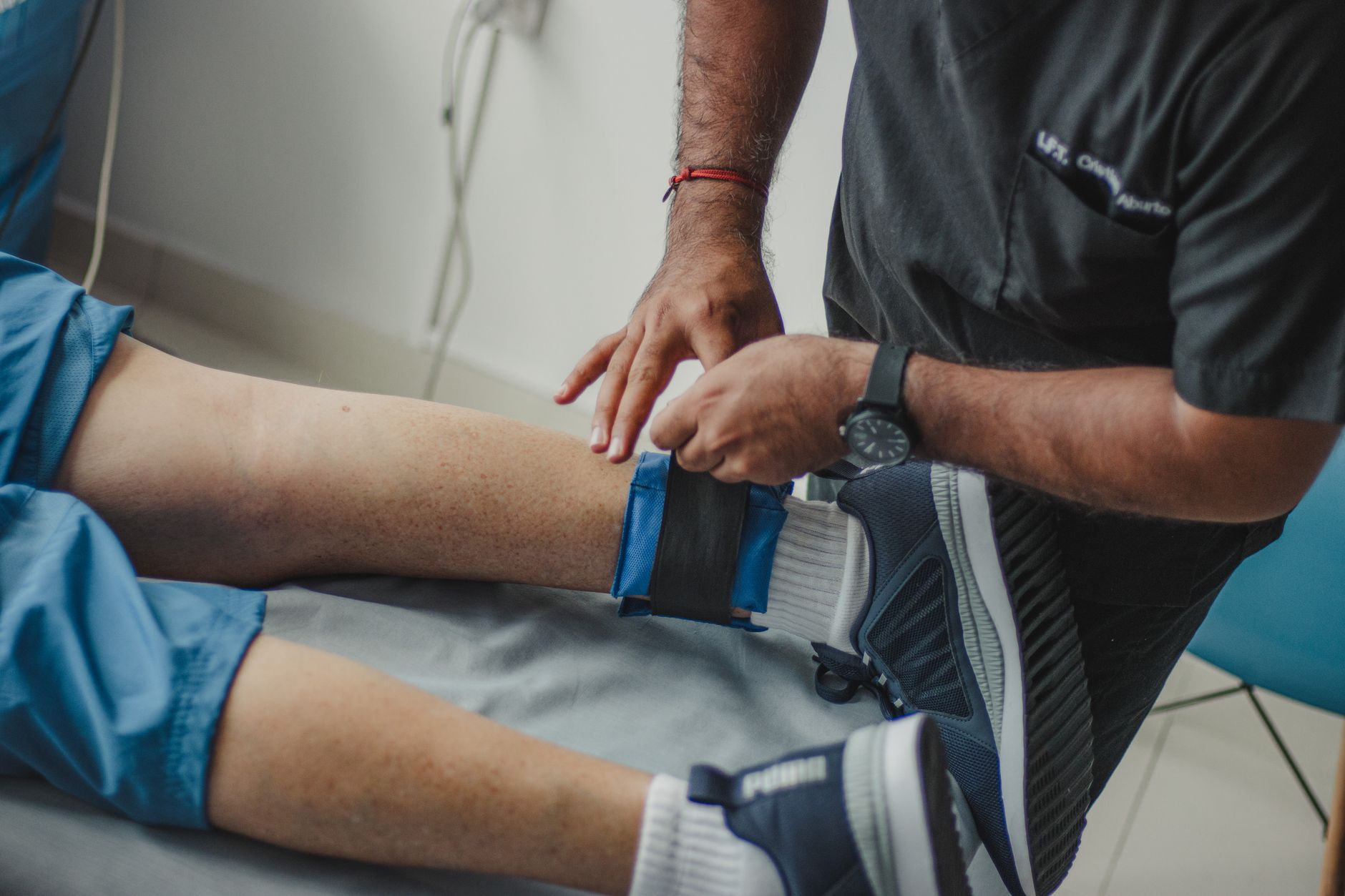
Not every orthopaedic concern needs immediate intervention. Some children are born with differences that may correct on their own, while others need intervention timed precisely to their growth spurts. This is the art of growth guidance: regular measurement, imaging when appropriate, and a clear decision about when to act — and when to wait.
Paediatric centres in Türkiye are well equipped for this long view. Growth clinics track leg length, alignment and joint development over years, using low-radiation imaging and standardised measurements. Families receive a written growth plan with review intervals, so they know what to expect and when. For international parents, this plan becomes a bridge between Türkiye and home: it can be shared with a local paediatrician, and it avoids the anxiety of vague "let's wait and see" advice.
Growth guidance also includes preventive care. Teams advise on footwear, activity, weight management and physiotherapy exercises that support healthy development. When a growth spurt is approaching, the team can plan ahead — sometimes scheduling a procedure during a school holiday, sometimes adjusting bracing or orthotics. The message to families is hopeful and practical: growth is an ally, and with careful monitoring it can be used to your child's advantage.
What Makes Türkiye's Family-Centred Hospitals Different
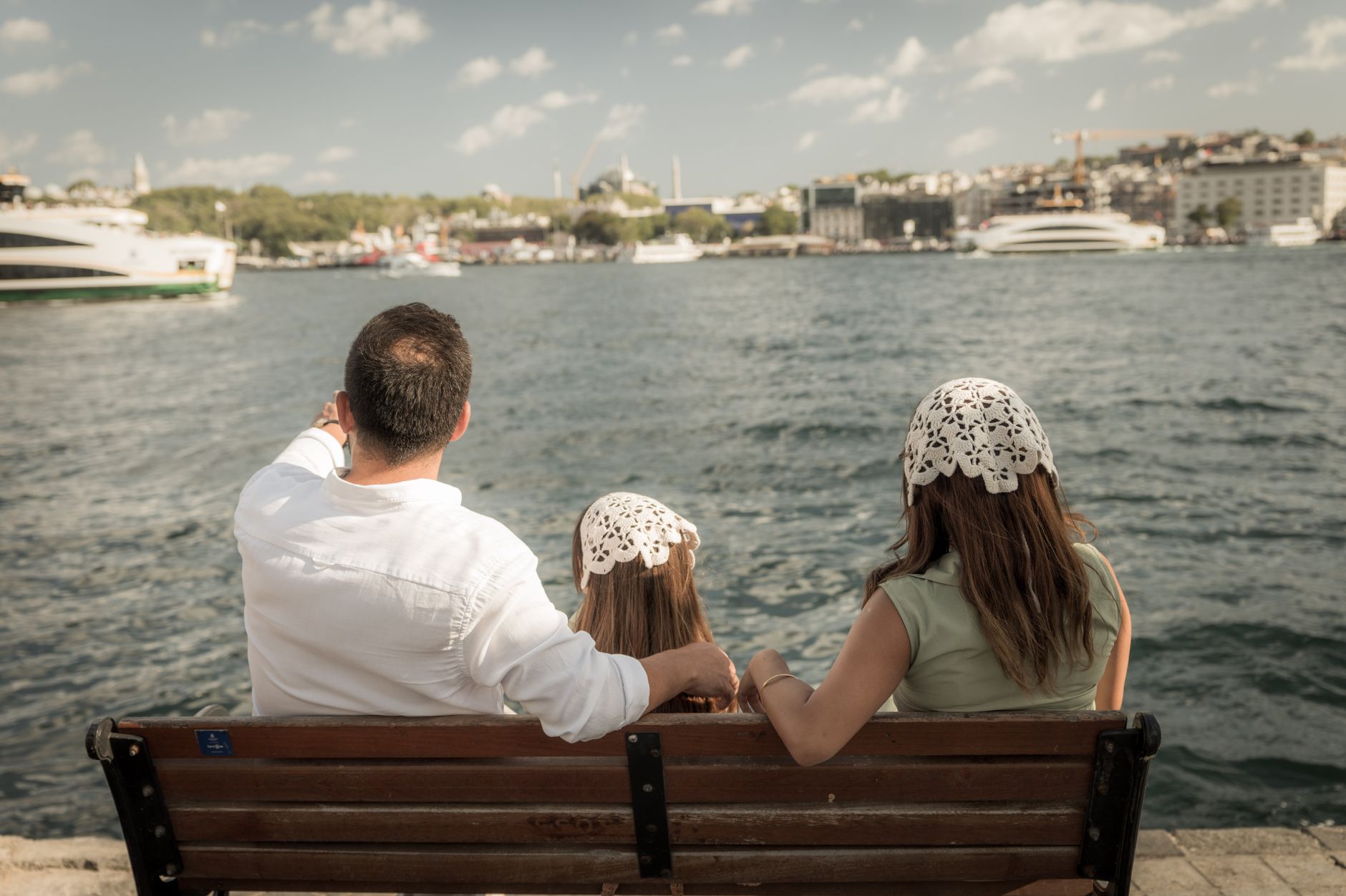
Walk into a good Turkish paediatric orthopaedic department and you notice small things first. Waiting areas with play corners. Staff who kneel to a child's eye level. Rooms where a parent can stay overnight beside the bed. These details reflect a broader philosophy: the child is treated within the family, not apart from it.
Coordination is built into the system. A typical international patient pathway includes a pre-arrival review of medical records, a translated summary of findings, a single point of contact who schedules imaging, surgery and physiotherapy around the family's travel dates, and a discharge plan that includes written instructions and follow-up appointments. Many hospitals offer interpreter services in Arabic, English, Russian, French and other languages, and some provide support with accommodation, airport transfers and visa invitation letters.
Communication is treated as part of clinical care. Surgeons explain options with images and models, nurses demonstrate casts and braces on dolls, and parents are encouraged to ask questions until they feel confident. For families who have navigated confusing medical systems elsewhere, this clarity can be deeply reassuring.
"We arrived frightened and left with a plan we actually understood," one parent of a child treated for clubfoot recalled. "Every person we met knew our child's story."
Costs are another practical advantage. Paediatric orthopaedic treatment in Türkiye is often significantly more affordable than in Western Europe or North America, without compromising on technology or expertise. Many centres provide transparent package pricing that includes consultations, casting or surgery, hospital stays and initial rehabilitation, so families can plan with confidence.
Planning Your Child's Journey: Practical Steps for Parents
If you are considering paediatric orthopaedic care in Türkiye, start with a clear question: what do you need to know, and what does your child need next? Gather recent medical records, imaging and any previous treatment notes, and send them ahead to the centre. A good team will respond with an initial assessment and a proposed plan, often before you book flights.
Ask about the whole pathway: who will lead your child's care, what language support is available, how long you should plan to stay, and what follow-up looks like once you return home. If your child needs casting or bracing, ask how the team will teach you to manage it and how they will stay in touch. For limb correction or growth guidance, request a written timeline with review points.
- Choose a centre with a dedicated paediatric orthopaedic unit, not a general orthopaedic department.
- Confirm interpreter services and translated written materials.
- Ask for a named coordinator who will handle scheduling and communication.
- Discuss a shared-care plan with your local doctor before travelling.
- Plan for rest and play — children heal best when they feel safe and entertained.
Türkiye's paediatric orthopaedic centres are not simply technically advanced; they are built around the belief that a child's treatment is a family's journey. For parents facing clubfoot, limb correction or years of growth monitoring, that belief translates into coordinated care, honest communication and a steady supply of hope. With the right team beside you, the road ahead looks far less daunting — and your child, step by step, keeps moving forward.
Thinking about treatment in Turkey?
Send us a question about this site or about the information published on it. This is a publisher's mailbox, not a medical service and not a route to a particular provider — for clinical questions, contact your own doctor.