

Why the Consultation Matters as Much as the Surgery
For international patients considering aesthetic surgery in Türkiye, the journey begins long before arrival in Istanbul, Izmir or Antalya. It begins with a conversation — one that, in 2026, increasingly happens over a secure video link rather than in a hurried airport pickup or a rushed WhatsApp exchange. Türkiye's aesthetic surgery sector has matured into one of the most sophisticated in the world, and the clinics that lead it understand a simple truth: a confident patient is a well-informed patient.
The best Turkish surgeons no longer treat the consultation as a sales pitch. They treat it as a clinical assessment, an educational session and a planning workshop rolled into one. That shift has been driven by demand. International patients — from the UK, Germany, the Gulf, Scandinavia and beyond — want to understand what is realistic, what the recovery looks like and what the total commitment involves before they commit to travel.
This guide explains how structured video consultations, standardised photo protocols and detailed pre-travel planning work in Türkiye today, and why honest, unhurried advice is the strongest signal of a trustworthy clinic.
Anatomy of a Structured Video Consultation
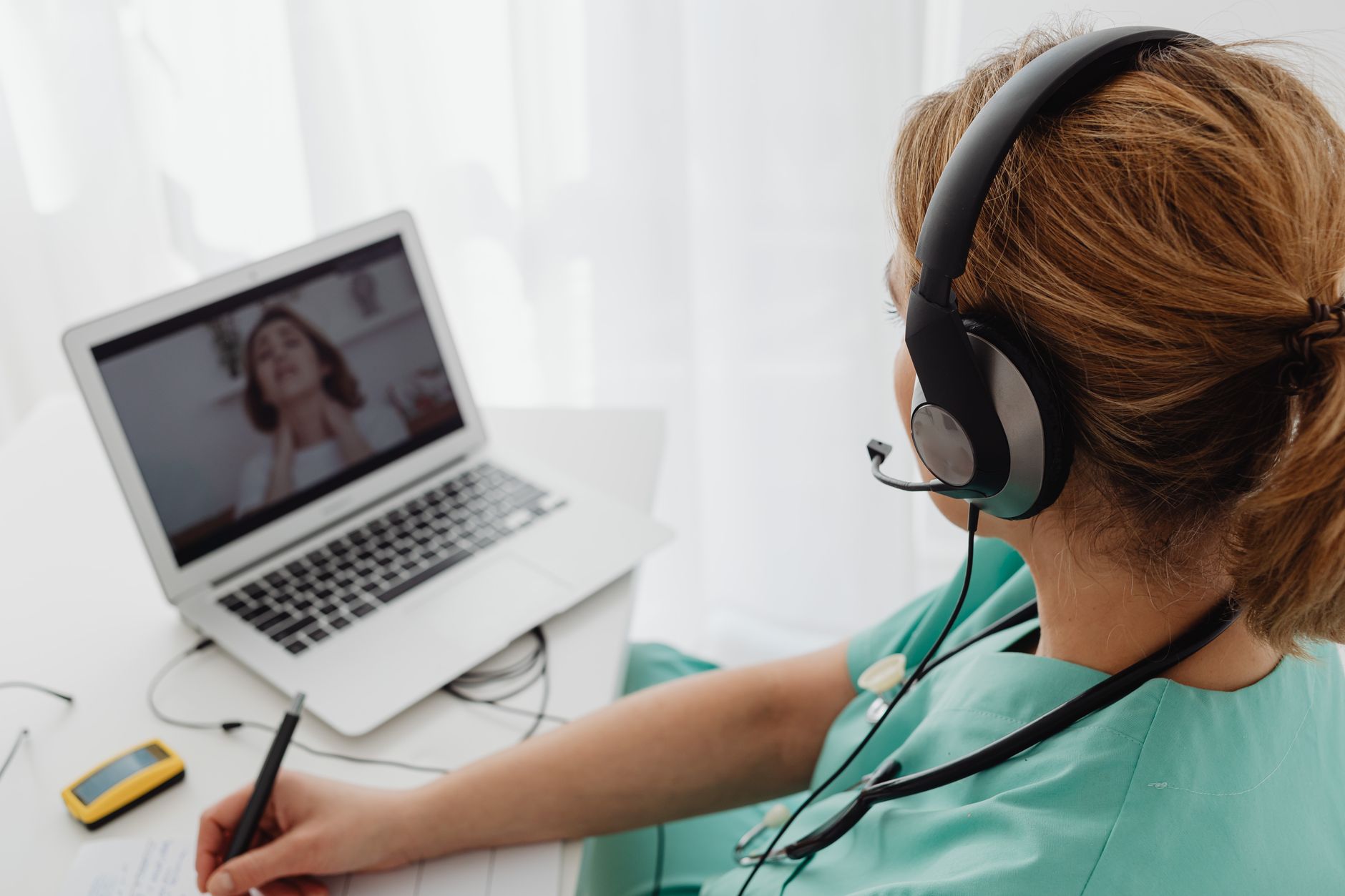
A well-run video assessment in Türkiye is rarely a casual ten-minute call. Reputable clinics schedule 30 to 60 minutes and send an agenda in advance. The session typically opens with medical history, medications, allergies and previous procedures, then moves into the patient's goals and expectations. Only after that does the surgeon discuss technique, incision planning, anaesthesia and recovery timelines.
What distinguishes the strongest programmes is the presence of a coordinator who handles logistics — dates, accommodation near the clinic, aftercare packages, language support — while the surgeon focuses purely on clinical judgement. This division keeps the medical conversation unhurried and prevents the pressure tactics that patients rightly find off-putting.
Many clinics also record the session or provide a written summary afterwards. That written plan is gold: it lists the recommended procedure, the alternatives discussed, the risks explained, the pre-operative tests required and the aftercare schedule. Patients can read it calmly with family members and compare options across clinics, rather than relying on memory of a fast-moving call.
The Photo Protocol: How Images Make Remote Assessment Reliable
Video alone is not enough for surgical planning, which is why Türkiye's leading clinics use carefully standardised photo protocols. Patients receive a simple guide — often a short video tutorial — explaining the angles, lighting and distances required. For facial procedures, that may mean front, profile and three-quarter views with hair pulled back and neutral expression. For body procedures, standardised front, side and rear views in fitted clothing or swimwear are requested, taken at a consistent distance.
These images are reviewed by the surgeon before the video call, so the conversation starts with an informed opinion rather than a generic overview. Photographs also allow measurement and comparison, and they form a baseline against which post-operative results can later be assessed. Clinics store them securely and in line with data protection standards, and patients should always ask how images are stored and whether they will ever be used for marketing.
Occasionally a surgeon will ask for additional imaging or an in-person examination once the patient arrives — a sign of rigour, not inconvenience. When a photo protocol is followed properly, most of the planning can genuinely be completed remotely, which is precisely why so many patients now arrive in Türkiye already knowing their surgical plan in detail.
Honest, Unhurried Advice Is the Real Trust Signal
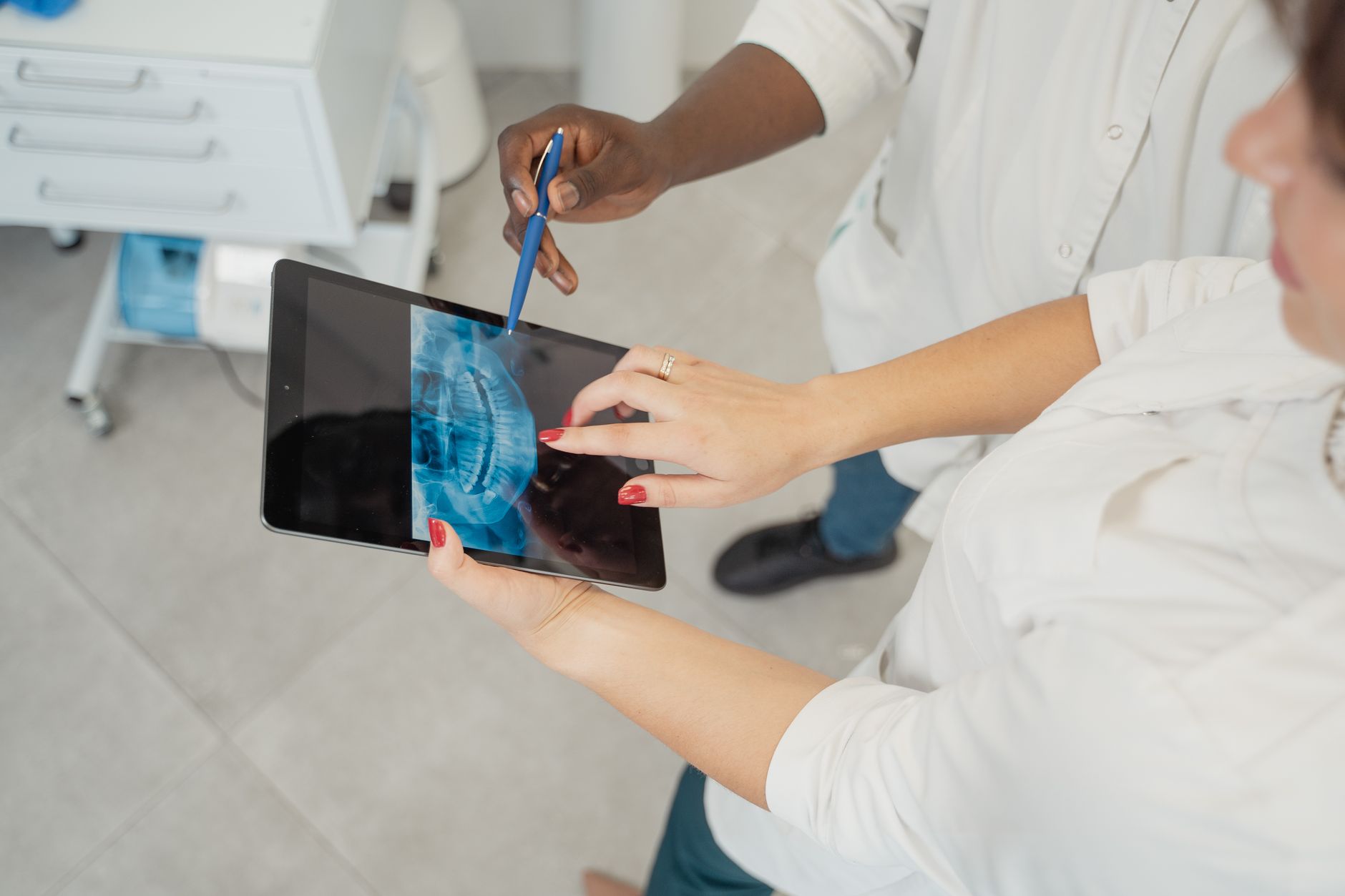
Experienced Turkish surgeons are often refreshingly direct. They may explain that a requested result is not achievable with a single procedure, that a revision is premature, or that non-surgical options should be tried first. They may decline to operate on patients whose expectations, health status or timing make surgery unwise. That kind of honesty is not a red flag — it is the clearest evidence that you are speaking with a clinician rather than a booking agent.
Patients should be wary of any consultation that promises exact results, quotes a price before examining photographs, or pressures a deposit during the first call. The clinics that build lasting international reputations do the opposite: they offer time to think, encourage second opinions and provide clear written information about risks and alternatives.
"The best consultation is the one where you leave understanding not just what surgery can do, but what it cannot — and still feel supported in your decision."
Language support matters here too. Professional medical interpreters, not well-meaning reception staff, should handle complex discussions, and patients should feel free to repeat questions until everything is clear. An unhurried clinic will always make room for that.
From Conversation to Itinerary: Detailed Pre-Travel Planning
Once the surgical plan is agreed, the planning phase begins in earnest. A detailed pre-travel document typically covers the recommended length of stay, the number of nights near the clinic, required blood tests and imaging, medication adjustments, smoking and alcohol guidance, and a day-by-day recovery timeline. Patients learn when drains or stitches are removed, when the first follow-up occurs and when they can realistically fly home.
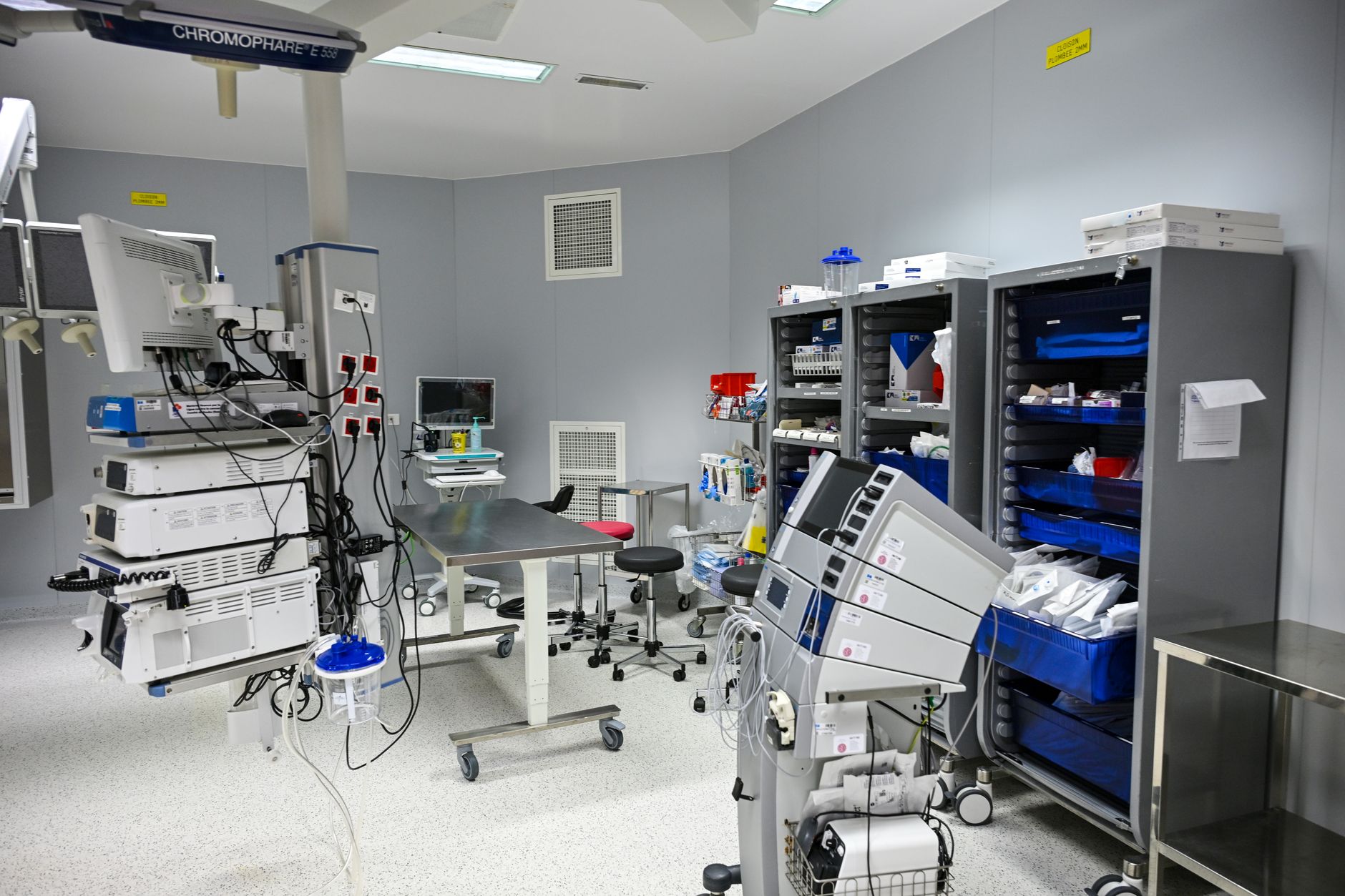
Logistics are woven into the medical plan rather than bolted on afterwards. Clinics advise on hotels within easy reach of the facility, airport transfers, companion arrangements and how to access emergency support after hours. Many provide a 24-hour contact line and scheduled check-ins during the first week, which is when most questions arise.
This is also the moment to confirm the practical details: what the quoted price includes, what aftercare and revision policies exist, which surgeon will actually perform the operation, and where the procedure will take place. A clinic confident in its process will answer all of this in writing without hesitation. When the itinerary and the medical plan line up neatly, the patient arrives calm rather than anxious — which itself supports better recovery.

Why Türkiye Leads in Remote Surgical Planning
Türkiye's aesthetic surgery sector has invested heavily in the infrastructure that remote planning requires: multilingual coordinators, dedicated patient-relations teams, secure image handling and surgeons experienced in treating international patients from dozens of countries. Cities like Istanbul combine internationally trained surgeons, modern accredited hospitals and a depth of experience that few destinations can match.
That experience shows in how consultations are structured. Clinics know that patients travelling thousands of kilometres need certainty, so they front-load the information: pre-operative requirements, realistic downtime, potential complications and the full cost picture. They also know that reputation is built on outcomes and word of mouth, which is why the best clinics are cautious rather than eager, and why they follow up long after the patient has returned home.
The result is a sector where informed decision-making is the norm. Patients compare written plans, ask for surgeon credentials, check hospital accreditation and speak to former patients — and the leading clinics welcome exactly that scrutiny.
A Practical Checklist for Your Video Consultation
To get the most from a remote assessment with a Turkish clinic, prepare as you would for any important medical appointment. The more structured your input, the more useful the surgeon's advice will be.
- Gather your medical history, medication list and any previous surgical reports.
- Follow the clinic's photo guide precisely, using good lighting and a plain background.
- Write down your goals, questions and absolute limits — including budget and time away.
- Ask who will perform the surgery, where it will take place and what aftercare is included.
- Request the plan and quotation in writing, and take time to review before committing.
- Ask how your photos and data are stored, and whether they may be used for marketing.
- Confirm the revision policy, the emergency contact arrangements and the follow-up schedule.
Finally, trust your instincts about the conversation itself. A surgeon who listens, asks questions, explains risks clearly and gives you room to decide is offering something far more valuable than a discount: a partnership in your care. In Türkiye's competitive aesthetic sector, that kind of honest, unhurried advice is exactly what the best clinics are known for — and it is the surest foundation for a confident journey.
Thinking about treatment in Turkey?
Send us a question about this site or about the information published on it. This is a publisher's mailbox, not a medical service and not a route to a particular provider — for clinical questions, contact your own doctor.