

A Nine-Month Milestone That Signals Full-Year Confidence
Türkiye's health tourism sector earned more than $2 billion in the first three quarters of 2026, according to industry data released this month. The figure marks another step upward for a sector that has now posted sustained growth for well over a decade.
For international patients, the headline number is a sign of something practical: the clinics and hospitals treating them are being trusted at scale, and that trust is funding the next round of upgrades.
Analysts following the sector note that Q4 historically brings a seasonal lift, which makes a full-year record for 2026 increasingly likely.
What the Revenue Number Really Represents
Health tourism revenue is not a marketing statistic — it reflects real patients crossing borders for real procedures. Türkiye's mix spans hair transplantation, dental work, aesthetic and bariatric surgery, ophthalmology, orthopedics and increasingly complex cardiology and oncology cases.
Repeat referrals, word-of-mouth from past patients and partnerships with international agencies have all contributed to the steady climb. The country now draws patients from Europe, the Gulf, the Balkans, Central Asia and beyond.
Sustained revenue growth at this level also supports something patients feel directly: the ability to reinvest in facilities, equipment and staff rather than simply scaling volume.
Newer Equipment, Changing Outcomes
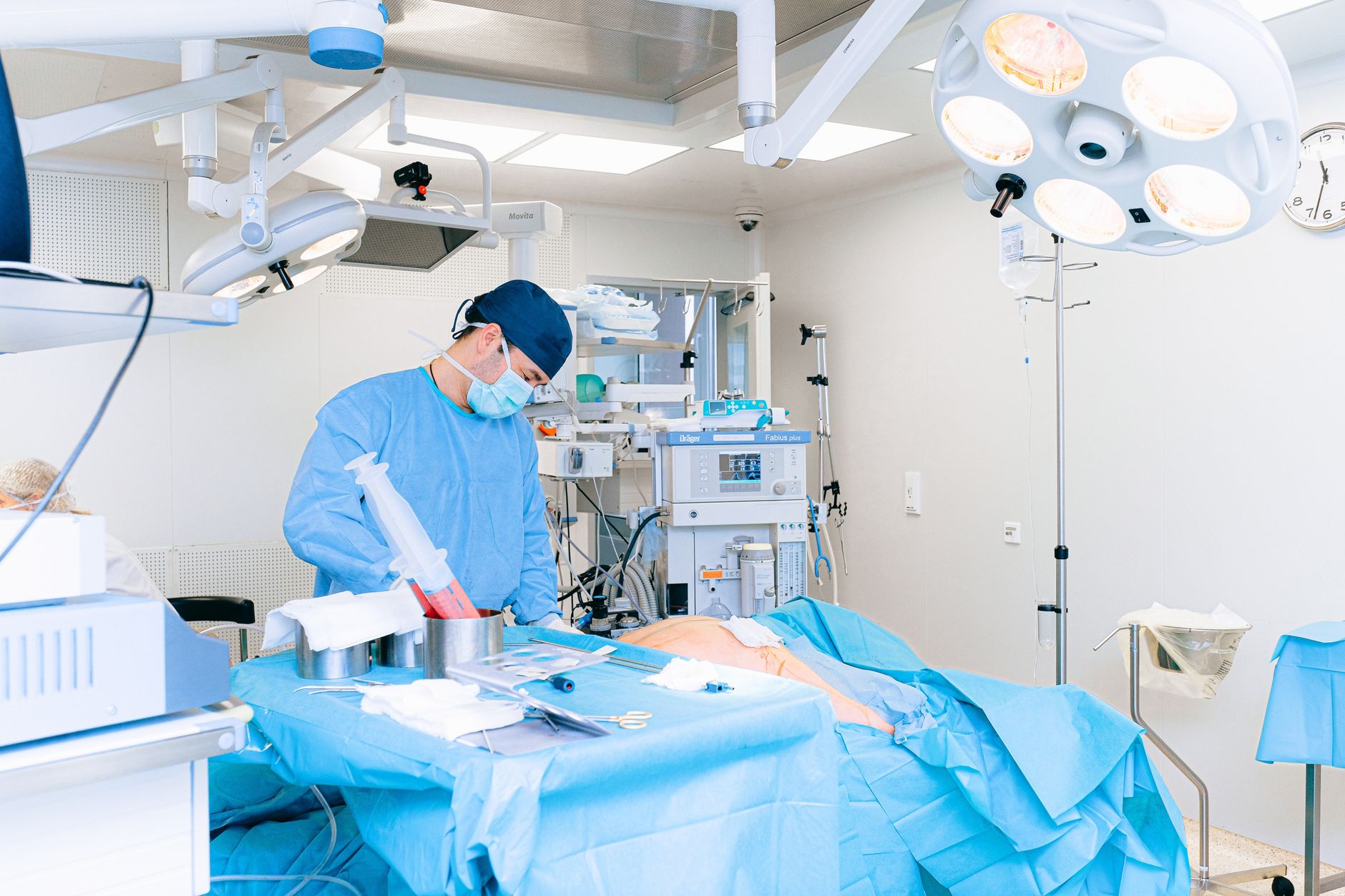
One of the clearest effects of the investment flowing into Turkish health tourism is the continuous renewal of medical technology. Hospitals in Istanbul, Ankara, Izmir and Antalya have added advanced imaging systems, robotic-assisted surgical platforms and modern operating theatres in recent years.
For patients considering treatment abroad, newer equipment can mean shorter recovery times, more precise diagnostics and access to procedures that may not yet be widely available in their home country. Outcomes vary between patients and cannot be predicted or guaranteed.
Because these investments are spread across both large hospital groups and specialized clinics, patients have more choice than ever when matching a facility to their specific procedure.

More Accredited Facilities Than Ever
Growth in revenue has gone hand in hand with a push toward international accreditation. A growing number of Turkish hospitals now hold JCI accreditation or equivalent quality certifications, and many clinics follow European and international clinical protocols.
Accreditation matters to patients because it represents independent verification of safety standards, hygiene, patient rights and clinical governance — not just a self-declaration.
The trend is toward broader accreditation across the sector, including smaller specialist centers that previously operated without it. That gives international patients a clearer, more comparable quality signal when choosing where to be treated.
Multilingual Staff and Smoother Patient Journeys
Another visible dividend of the sector's momentum is the expansion of multilingual patient services. Hospitals across Türkiye now employ Arabic-, English-, German-, Russian- and French-speaking coordinators, and many offer translation support from first inquiry through post-operative follow-up.
International patient departments have grown from simple booking desks into full-service units handling visa letters, airport transfers, accommodation, interpreters and aftercare scheduling.
For patients, this reduces the friction that once made medical travel daunting. It also means families accompanying patients can communicate comfortably throughout the process.
Why the Upward Trajectory Looks Durable
Several factors underpin the sector's consistency. Türkiye combines experienced surgeons, competitive pricing, short waiting times and direct flight connections from a wide range of cities.
Government support for health tourism, including promotional programs and streamlined regulations, has added stability. Meanwhile, private investment continues to flow into new hospital capacity and specialist centers.
"The numbers confirm what we hear from patients every day: Türkiye has become a dependable destination, not a novelty," industry observers note.
With Q4 still ahead, 2026 is shaping up as another record year — and for prospective patients, that momentum translates into more options, higher standards and better-supported care.
به فکر سفر به ترکیه هستید؟
پرسش خود را درباره این سایت یا اطلاعات منتشرشده در آن برای ما بفرستید. این صندوق پستی یک ناشر است، نه یک خدمت پزشکی و نه مسیری به سوی ارائهدهنده خاصی — برای پرسشهای بالینی با پزشک خودتان تماس بگیرید.