

Why Türkiye Has Become a Diagnostics Hub
Over the past two decades, Türkiye has invested heavily in healthcare infrastructure, and the results are visible in its diagnostic centres. Cities such as Istanbul, Ankara and Izmir are now home to radiology departments and private imaging centres equipped with the latest generation of MRI, CT and PET-CT scanners, often the same models found in leading European and North American hospitals. For international patients, this means access to high-end imaging without the long waits that have become common elsewhere.
The strength of the system lies in its combination of technology, trained specialists and volume. Turkish radiologists read thousands of scans every month, and many have completed fellowships or training periods abroad. The country's medical faculties have strong radiology programmes, and hospitals routinely participate in international quality accreditation schemes. As a result, the reporting standards are familiar to clinicians in Europe, the UK, the Gulf and North America.
Another practical advantage is speed. While patients in some countries wait weeks or even months for a non-urgent MRI, many private imaging centres in Türkiye can offer an appointment within days, and sometimes on the same day for urgent cases. For travellers combining medical checks with a holiday, or for patients who need a second opinion quickly, this responsiveness is a genuine game-changer.
Modern MRI and CT: Precision Equipment, Comfortable Experience
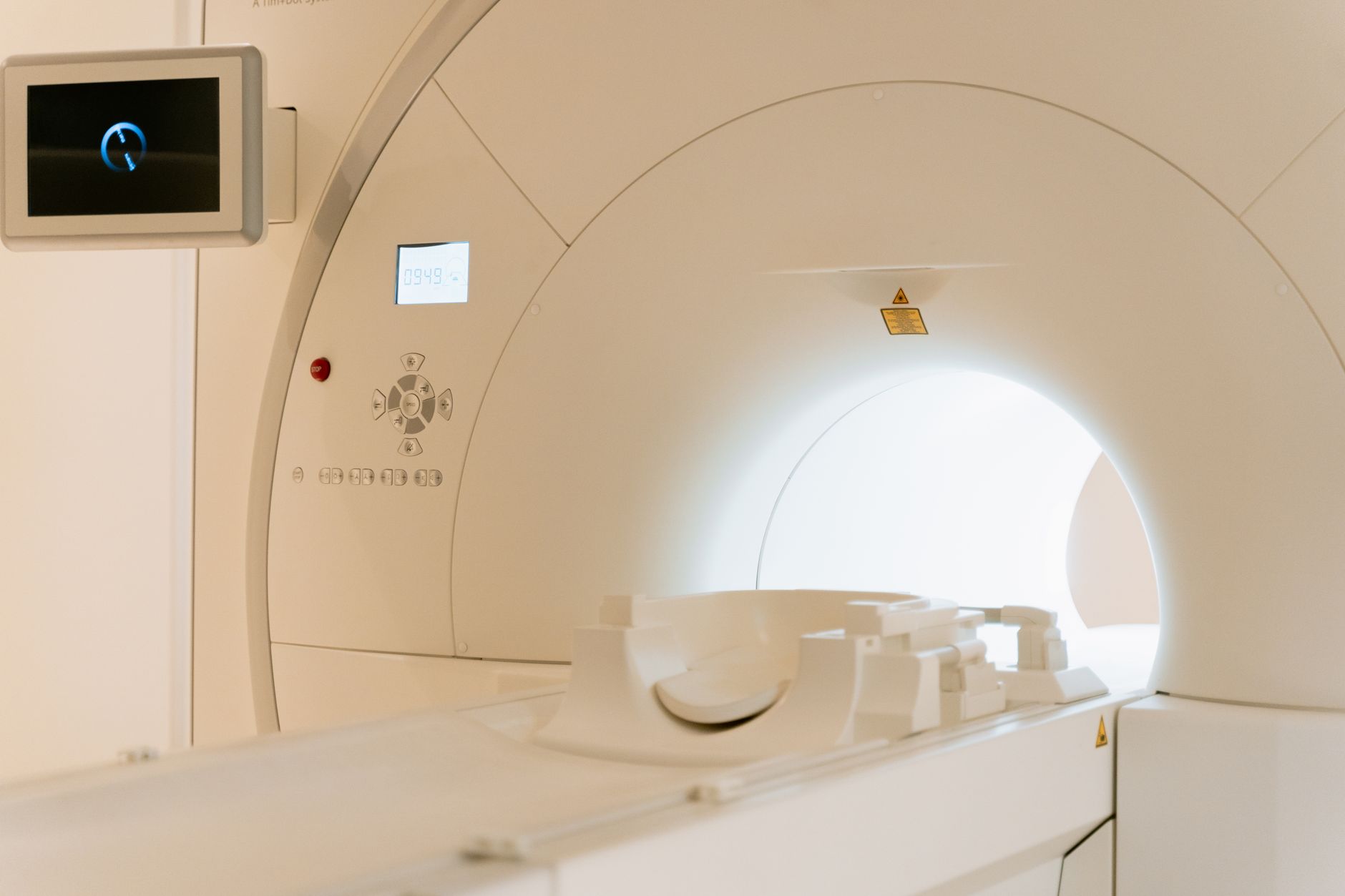
MRI has become the workhorse of modern diagnostics, and Türkiye's centres operate a wide range of systems, from 1.5-tesla workhorses to 3-tesla high-field scanners that deliver exceptional detail for neurological, musculoskeletal and abdominal studies. Many facilities also offer wide-bore MRI scanners, which are particularly appreciated by claustrophobic patients and by those with larger body sizes. Open MRI options are available in several centres as well.
CT imaging in Türkiye is equally advanced. Low-dose CT protocols are standard in screening contexts, and multislice scanners allow very fast acquisitions, which is helpful for children, elderly patients and anyone who finds breath-holding difficult. Cardiac CT angiography, CT colonography and detailed vascular studies are routinely performed, with images reconstructed in multiple planes for the referring clinician.
What often surprises international patients is the comfort of the experience. Many imaging centres have invested in patient-friendly design: calm waiting areas, clear instructions in English, staff who explain each step, and the option to receive images on a USB stick or via a secure online link. The goal is not only a high-quality scan but a stress-free one.
What to Expect During Your Scan
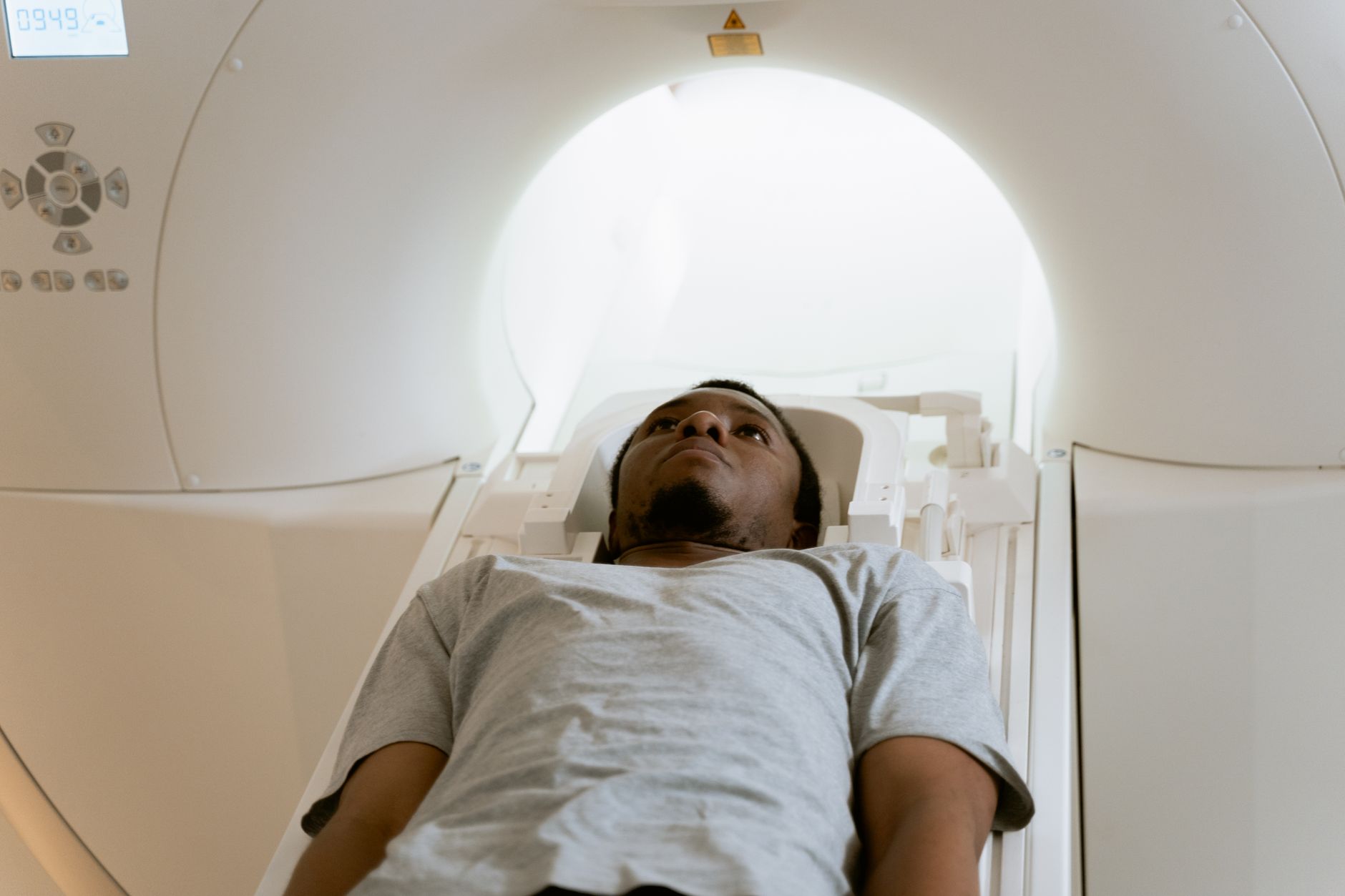
A typical MRI appointment lasts 30 to 60 minutes depending on the body area, with additional time for preparation and safety screening. For contrast studies, a nurse places a small intravenous line and explains what you may feel. CT scans are usually much quicker, often just a few minutes on the table. PET-CT, which combines metabolic and anatomical information, takes longer, typically two to three hours including tracer uptake time.
Safety screening is taken seriously. You will be asked about implants, pacemakers, metal fragments, pregnancy and allergies. Bringing any previous imaging and relevant medical records helps the radiologist compare findings and tailor the protocol.
PET-CT and Advanced Molecular Imaging
PET-CT is one of the most valuable tools in oncology, and Türkiye's major centres operate modern PET-CT scanners with fast, low-dose protocols. The technique combines a PET scan, which highlights metabolically active tissue, with a CT scan that provides precise anatomical localisation. It is used for staging and restaging many cancers, evaluating response to treatment, and investigating certain neurological and inflammatory conditions.
International patients often choose Türkiye for PET-CT because appointments are available quickly and reporting is prompt. The radiologist and nuclear medicine specialist work together to interpret the images, and the final report includes standardised uptake values (SUVs), comparison with prior studies where available, and clear conclusions for the treating oncologist.
Beyond PET-CT, many centres offer advanced molecular and functional imaging, including bone scans, thyroid imaging and specialised nuclear medicine studies. For patients undergoing cancer treatment or complex workups, having these services under one roof saves time and reduces the need for multiple referrals.
Rapid Reporting and Clear Communication
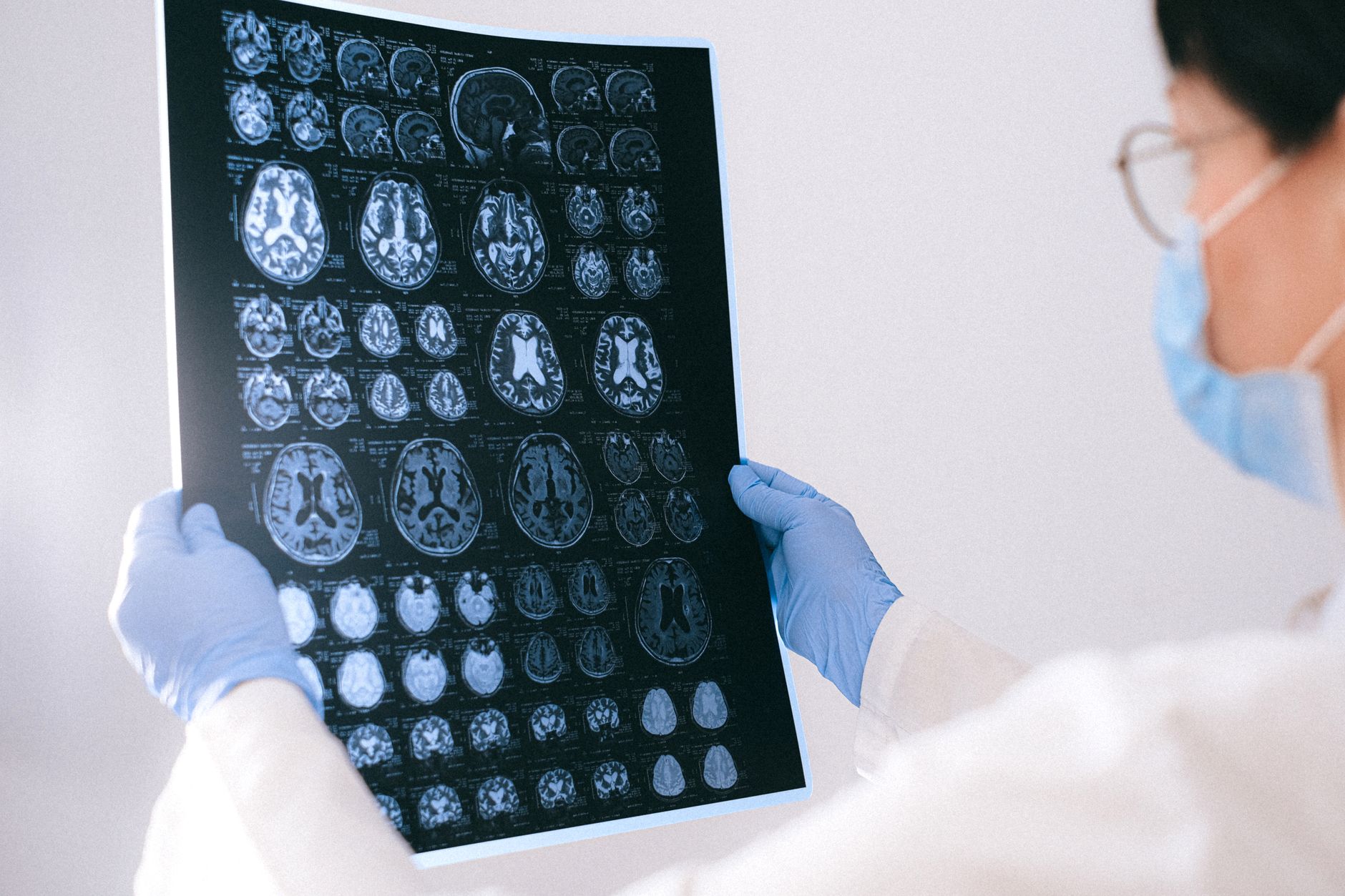
Speed matters in diagnostics, but clarity matters just as much. Turkish imaging centres have refined their reporting workflows so that international patients often receive their results within 24 to 48 hours, and sometimes faster for urgent cases. Reports are prepared in English on request and follow internationally recognised formats, with sections for technique, findings, impression and recommendations.
The best centres go further by offering a direct line of communication with the reporting radiologist or a coordinating physician. This is especially useful when the patient's treating clinician abroad has specific questions or needs the images in a particular format. Digital delivery through secure portals, DICOM files on USB, and cloud links are all common options.
For patients who are in Türkiye only briefly, this efficiency is invaluable. You can complete a scan in the morning, receive the report the next day, and discuss next steps with your doctor before flying home. Coordination with treating clinicians is treated as part of the service, not an afterthought.
Practical Benefits for International Patients
The most immediate benefit is access. Quick appointments mean less disruption to work and family life, and patients can often combine imaging with a planned trip to Istanbul or the Aegean coast. Transparent pricing is another plus: many centres publish package prices or provide clear quotes in advance, helping patients budget with confidence.
Language support is widely available. International patient departments coordinate appointments, translate instructions, and ensure reports are issued in the language the referring doctor needs. Interpreters can be arranged for in-person visits, and many centres offer WhatsApp or email follow-up for patients who have already returned home.
Finally, the overall coordination is strong. Centres routinely liaise with hotels, airports and hospitals, and some offer transfer services for patients with mobility needs. For anyone seeking a second opinion or a thorough diagnostic workup, Türkiye offers a compelling combination of advanced technology, trained specialists and patient-centred logistics.
Planning Your Imaging Appointment
Start by clarifying what your treating doctor needs: the body area, the type of scan, and whether contrast is required. Send any previous reports and images in advance so the radiology team can plan the protocol. Confirm the appointment time, fasting instructions if applicable, and whether you need to bring a companion.
On the day, arrive early with your passport, referral letter and medication list. Wear comfortable clothing without metal zips or buttons. If you are anxious about closed spaces, mention it when booking; the team can discuss wide-bore or open options and provide reassurance.
After the scan, confirm how and when you will receive the report, and whether a phone consultation with a radiologist is possible. With these simple steps, international patients can make the most of Türkiye's fast, precise and well-organised diagnostic services.
Thinking about treatment in Turkey?
Send us a question about this site or about the information published on it. This is a publisher's mailbox, not a medical service and not a route to a particular provider — for clinical questions, contact your own doctor.