

Robotic Orthopaedic Surgery in Türkiye
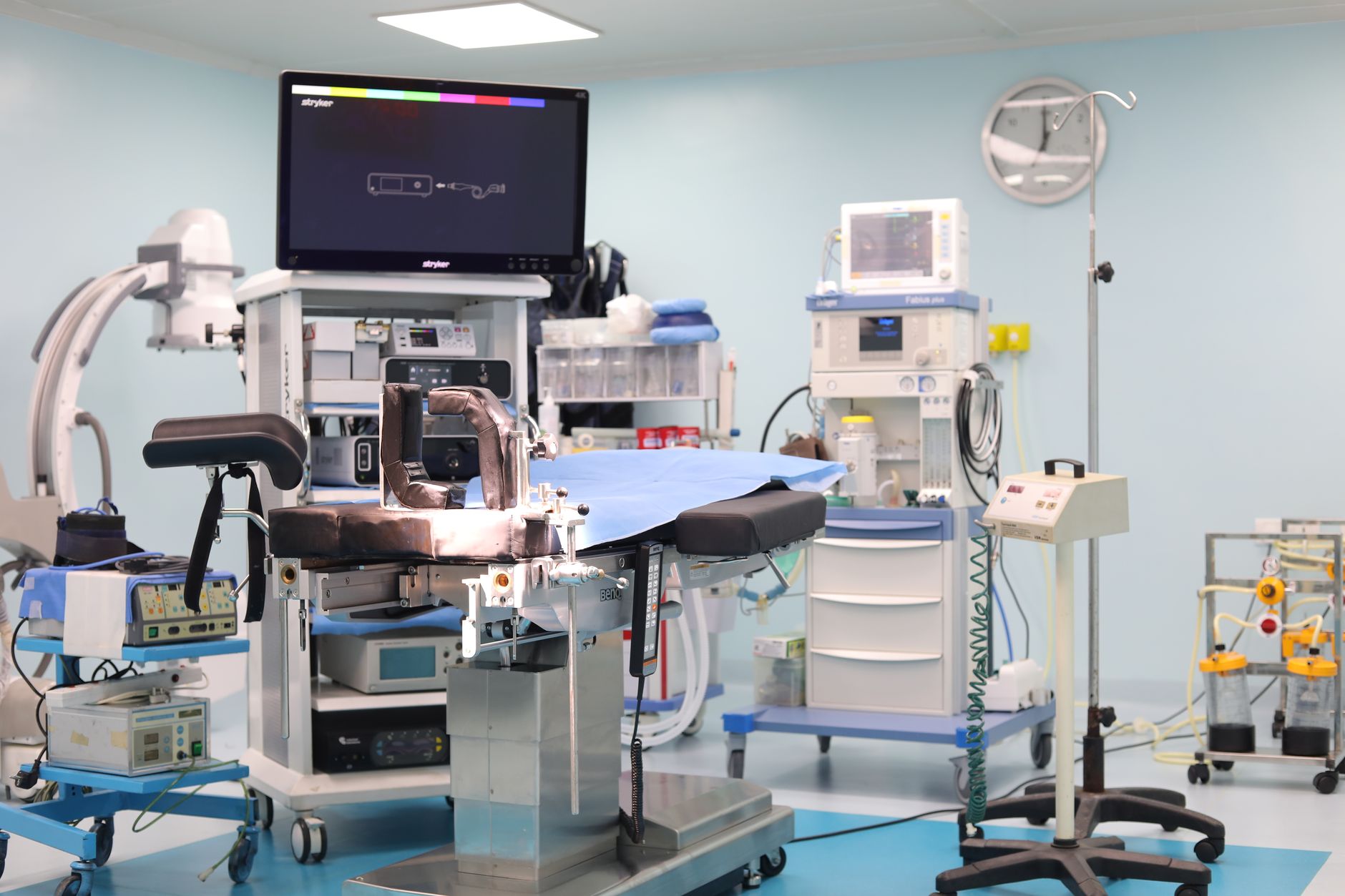
Türkiye's orthopaedic centres are attracting growing international attention for their robotic-assisted knee and hip replacement programmes. Hospitals in Istanbul, Ankara and Izmir have invested heavily in advanced robotic systems that help surgeons perform joint replacement with exceptional precision.
These programmes are part of a broader push to develop orthopaedic innovation in Türkiye. Patients from Europe, the Middle East and beyond are increasingly choosing Turkish hospitals for procedures that combine advanced technology with experienced surgical teams.
The result is a healthcare offering that pairs clinical expertise with shorter recovery times, making Türkiye a destination for medical travellers seeking joint replacement.
What Robotic-Assisted Joint Replacement Means for Patients
Robotic-assisted joint replacement uses a robotic arm guided by a surgeon to help position implants with a high degree of accuracy. Before surgery, detailed imaging is used to create a personalised plan based on the patient's unique anatomy.
During the procedure, the robotic system provides real-time feedback, helping the surgeon stay within the planned boundaries. This level of precision can lead to better alignment of the joint, which may contribute to improved function and longevity of the implant.
For patients, the practical benefits include less trauma to surrounding tissues, reduced pain and a smoother early recovery. Many people are able to stand and begin walking sooner after surgery than with traditional techniques.
Shorter Hospital Stays and Quicker Recovery
One of the most tangible advantages of robotic-assisted joint replacement is the potential for shorter hospital stays. Because the procedure is minimally invasive, many patients are discharged within a few days, compared with longer stays after conventional surgery.
Quicker recovery does not mean rushing the process. Instead, it reflects a carefully managed pathway that includes early mobilisation, pain control and close monitoring. Patients often begin physiotherapy within 24 hours of surgery.
This approach reduces the risk of complications associated with prolonged bed rest and helps patients return to daily activities sooner. For international patients, a shorter stay also means less time away from home and lower overall travel costs.
Personalised Rehabilitation Plans
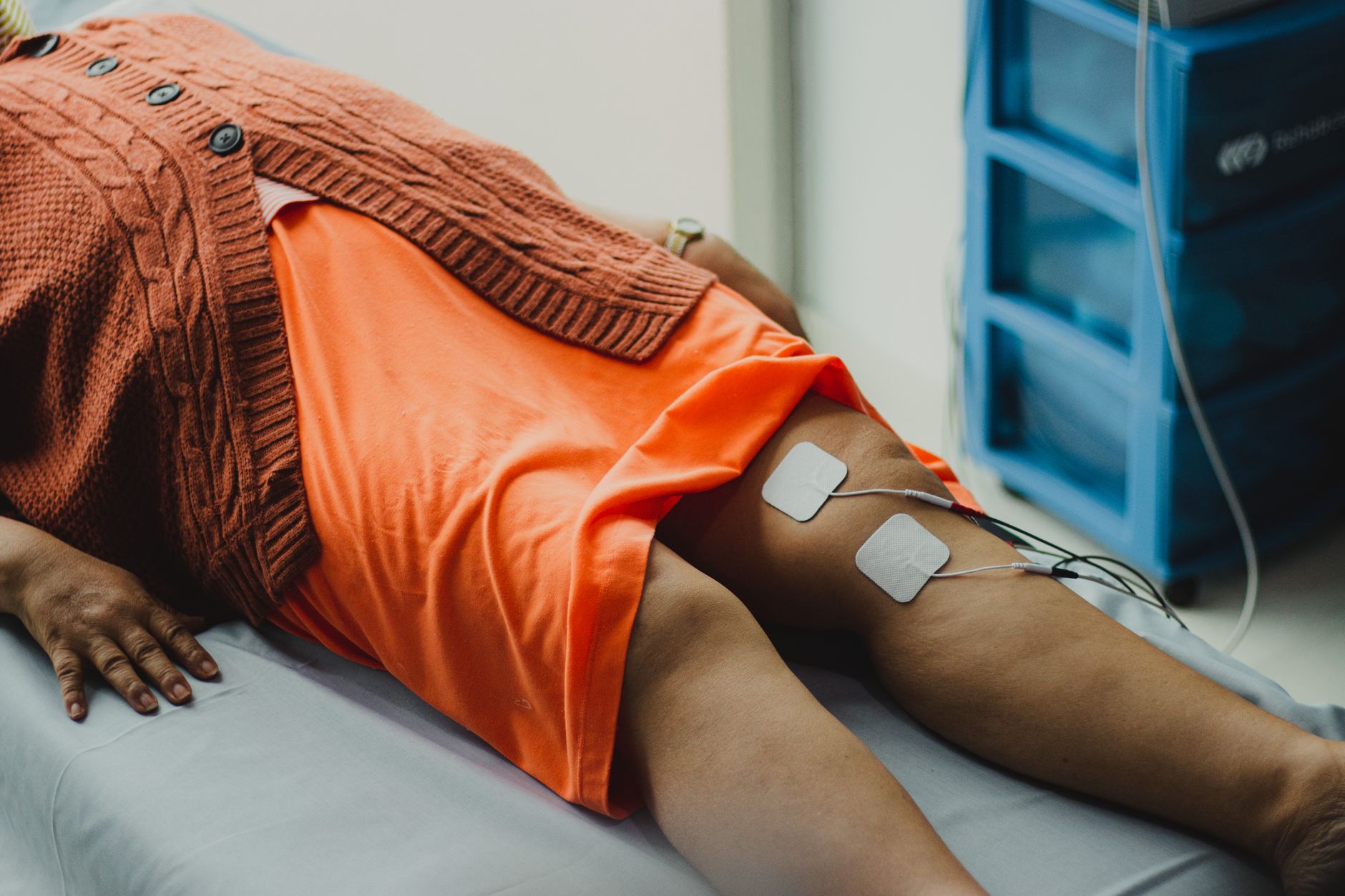
Turkish orthopaedic centres complement robotic surgery with tailored rehabilitation programmes. Each patient receives an individual plan based on their age, fitness level, type of surgery and recovery goals.
Rehabilitation typically begins in the hospital and continues after discharge, with support from physiotherapists and remote follow-up where needed. International patients often receive a structured plan they can continue in their home country.
This personalised approach helps patients make the most of robotic precision, supporting the regaining of strength, mobility and confidence at a pace suited to their needs.
Experienced Surgeons and Multidisciplinary Teams
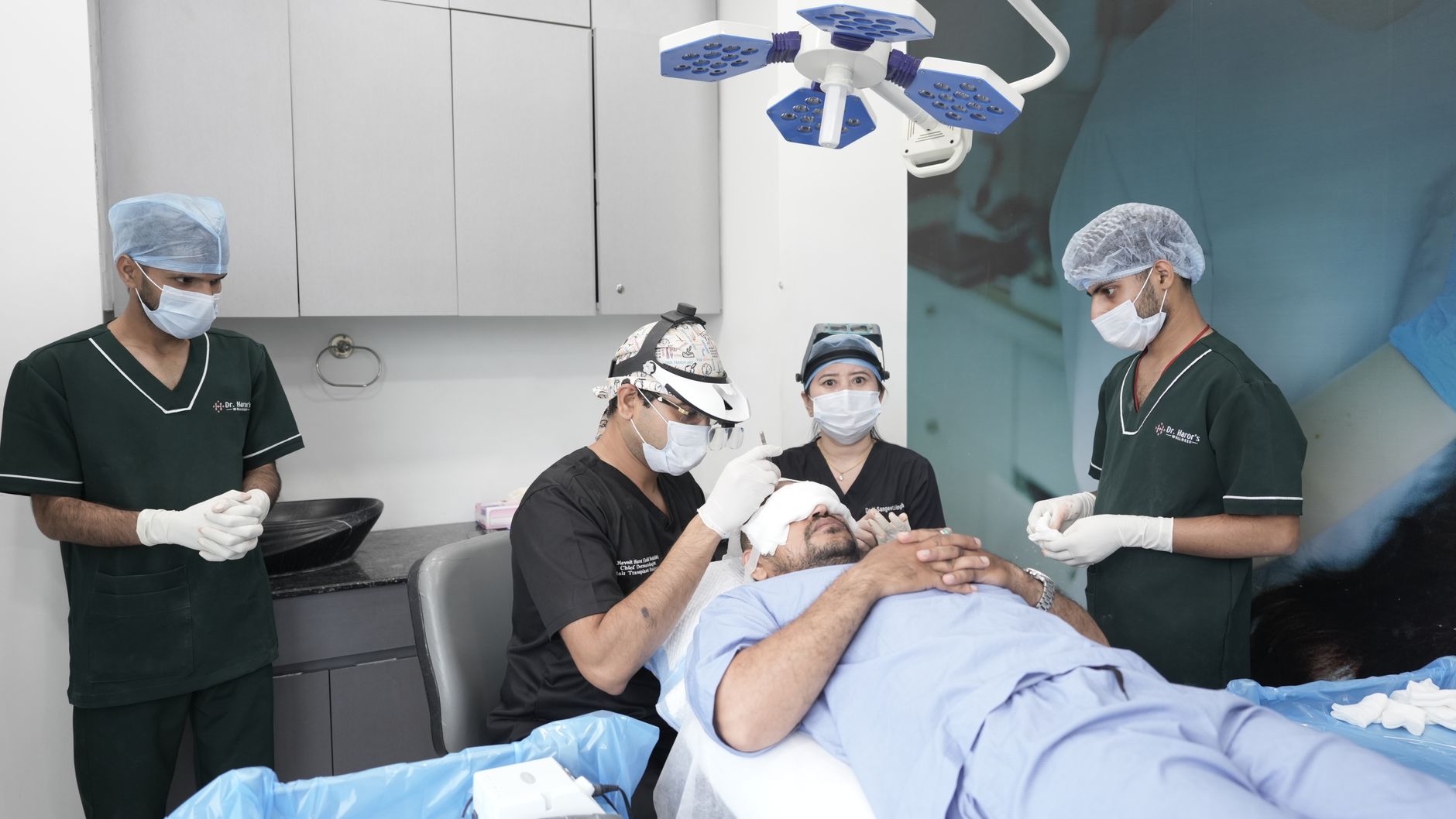
Behind every robotic procedure is a trained surgeon. Turkish orthopaedic surgeons performing robotic joint replacement have extensive experience in both traditional and robotic techniques, and many are involved in international training and research.
They work within multidisciplinary teams that include anaesthesiologists, physiotherapists, nurses and rehabilitation specialists. This collaborative model ensures that every aspect of the patient's journey is carefully coordinated.
For medical travellers, this means access to skilled professionals who are accustomed to treating international patients and who understand the importance of clear communication and follow-up care.
Why International Patients Choose Türkiye
Türkiye has become a destination for medical tourism, and orthopaedics is a major part of that growth. Hospitals offer modern facilities, advanced technology and pricing that may be lower than in many Western countries.
Patients also benefit from short waiting times and the opportunity to combine treatment with a stay in a culturally rich destination. Istanbul and other Turkish cities offer a wide range of accommodation and support services for medical travellers.
With robotic-assisted knee and hip replacement programmes drawing interest from international patients and professionals alike, Türkiye continues to develop its orthopaedic sector.
به فکر سفر به ترکیه هستید؟
پرسش خود را درباره این سایت یا اطلاعات منتشرشده در آن برای ما بفرستید. این صندوق پستی یک ناشر است، نه یک خدمت پزشکی و نه مسیری به سوی ارائهدهنده خاصی — برای پرسشهای بالینی با پزشک خودتان تماس بگیرید.