

Robotic Precision Takes Root in Turkish Orthopaedic Centres
Orthopaedic centres across Türkiye are reporting a steady rise in demand for robotic-assisted knee replacement, particularly from international patients seeking accurate, personalised joint care. Clinics in Istanbul, Ankara and Izmir have invested in advanced robotic platforms that help surgeons plan each operation around the individual anatomy of the patient rather than a one-size-fits-all approach.
Hospital teams describe the shift as a natural extension of Türkiye's long-standing reputation for high-quality orthopaedic surgery at accessible prices. Robotic systems do not replace the surgeon — they give experienced specialists a more detailed picture of the knee and finer control during the procedure.
The result, clinicians say, is a more predictable operation and a smoother path into rehabilitation for patients travelling from abroad.
Tailored Surgical Planning, Not Standardised Templates
Before surgery, imaging is used to build a detailed three-dimensional model of the patient's knee. The surgical team then uses this model to plan implant positioning, alignment and soft-tissue balance in advance, adjusting the plan to the person in front of them.
During the operation, the robotic system provides real-time feedback to the surgeon, helping to keep the procedure within the pre-agreed plan and to protect surrounding structures. For international patients, this means a treatment strategy shaped by their own joint mechanics, activity level and expectations.
Surgeons emphasise that the technology supports clinical judgement rather than substituting for it. The expertise of the operating team remains the decisive factor — robotics simply adds a layer of precision and consistency.
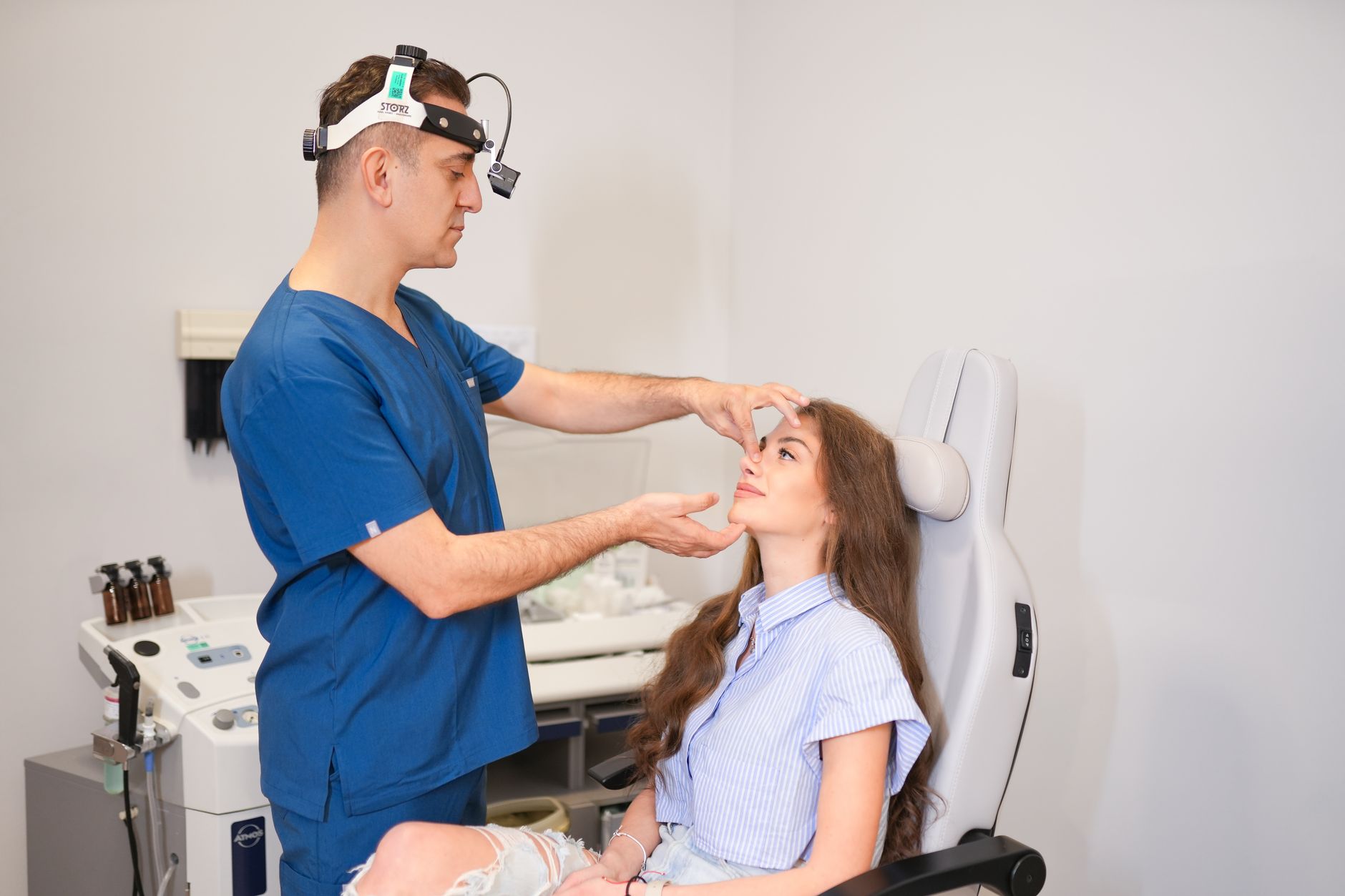
Dedicated Recovery Support Teams for Travellers
Recognising that patients arriving from overseas need more than an operating theatre, many Turkish clinics now pair robotic surgery with structured recovery support teams. These coordinators guide patients through pre-operative preparation, translation, hospital stays and the first stages of physiotherapy.
Recovery plans are typically mapped out before arrival, so patients know what to expect at each stage of their journey. Follow-up video consultations allow physiotherapists and surgeons to monitor progress after the patient has returned home.
This continuity is designed to reduce anxiety and encourage steady rehabilitation — a key factor in getting the most out of any knee replacement, robotic-assisted or otherwise.
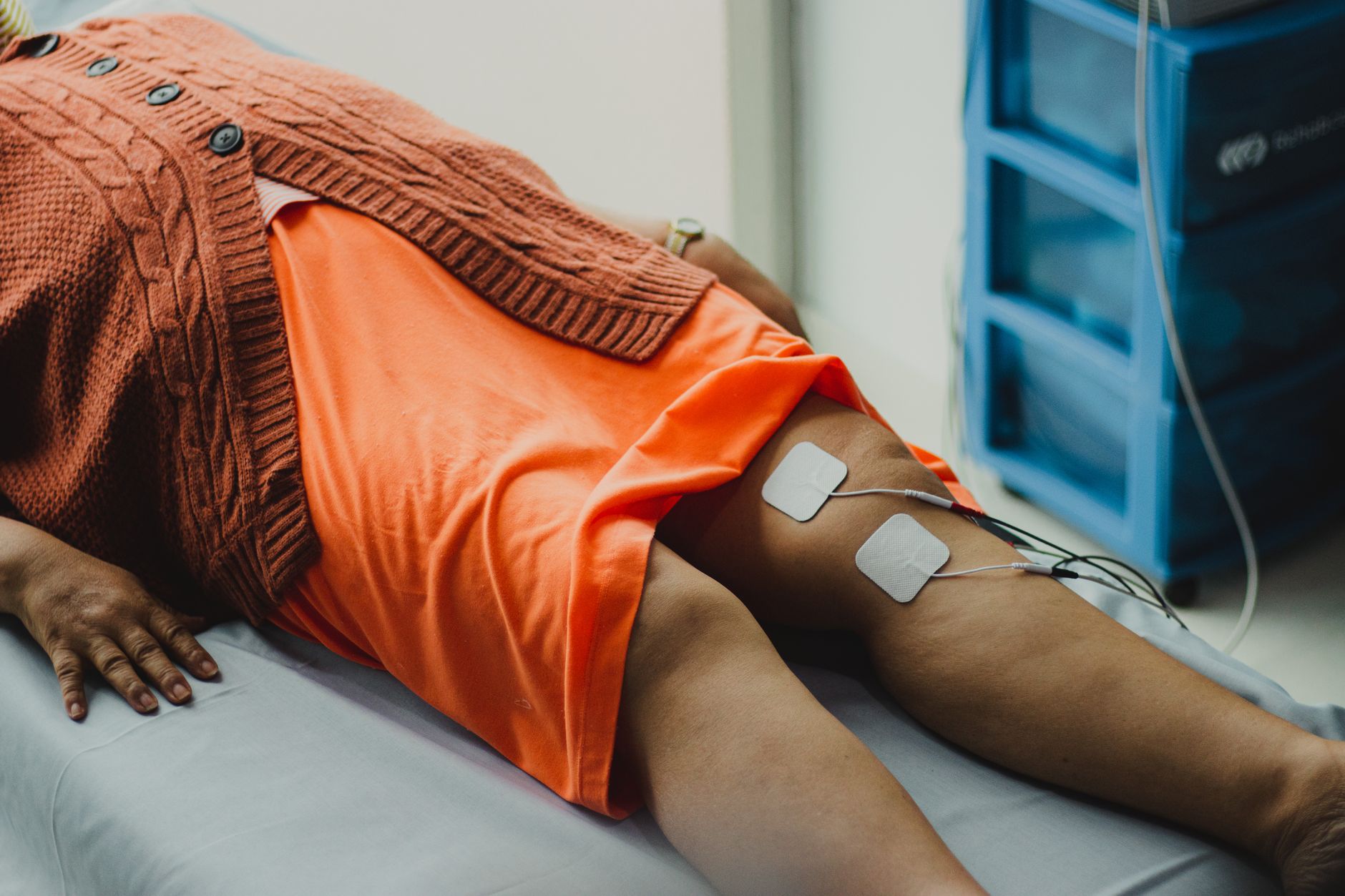
What the Approach Means for Patients
For international patients, the appeal of robotic-assisted knee replacement lies in the combination of careful planning and attentive aftercare. Clinics report that patients value knowing their surgery has been individually mapped, and that a named team is available to answer questions throughout recovery.
- Personalised planning: implant sizing and alignment tailored to the patient's anatomy.
- Consistency: robotic guidance helps keep the operation close to the agreed plan.
- Structured rehabilitation: recovery support teams coordinate physiotherapy and follow-up.
- Continuity of contact: remote check-ins after the patient returns home.
These benefits complement, rather than replace, the foundation of good outcomes: an experienced surgical team, careful patient selection and realistic expectations.
Expertise and Outcomes Remain the Focus
Turkish orthopaedic centres are keen to frame robotics as a tool in the hands of skilled professionals. Training programmes, audit of results and multidisciplinary review are increasingly part of standard practice in clinics adopting the technology.
Surgeons stress that no technology guarantees an outcome, and that suitability for robotic-assisted surgery is assessed case by case. Patients are encouraged to discuss their individual circumstances, rehabilitation plan and follow-up arrangements during consultation.
What is clear is the direction of travel: Türkiye's orthopaedic sector is investing in precision, personalisation and patient support — and international patients are taking notice.
Planning Knee Surgery in Türkiye
For those considering knee replacement abroad, the rise of robotic-assisted techniques adds another question to ask during consultations: how will the procedure be planned around my anatomy, and what support will I receive once I fly home?
Turkish clinics increasingly have clear answers, backed by modern facilities, experienced teams and coordinated recovery programmes. With careful research and open conversation with clinicians, international patients can make informed decisions about their joint care.
As adoption grows, Türkiye's orthopaedic centres look set to remain a leading destination for patients seeking precise, personalised knee surgery combined with attentive support from arrival to recovery.
Thinking about treatment in Turkey?
Send us a question about this site or about the information published on it. This is a publisher's mailbox, not a medical service and not a route to a particular provider — for clinical questions, contact your own doctor.