

Türkiye's Leap into the Robotic Surgery Era
When you think of Türkiye, images of bustling bazaars, stunning coastlines and ancient wonders often come to mind. But there is another revolution happening here — one that is quietly reshaping the future of medicine. Across university hospitals and leading private clinics in Istanbul, Ankara and Izmir, robotic-assisted surgery is no longer a novelty; it is becoming a standard of care for a growing number of procedures.
This shift is not just about adopting new gadgets. It signals Türkiye's ambition to be a genuine technology leader in the region, offering international patients access to some of the world's most modern operating suites. In this post, we'll explain what robotic-assisted surgery is, why it matters for your health, and how you can benefit from it during your medical journey to Türkiye.
Whether you're researching a prostatectomy, a hysterectomy, a heart procedure or a complex abdominal surgery, understanding the role of robotics can help you make an informed decision — and give you confidence that Türkiye is not merely a value destination, but a place where cutting-edge medicine is routine.
What Is Robotic-Assisted Surgery?
Robotic-assisted surgery is a type of minimally invasive surgery where the surgeon uses a sophisticated computer-controlled system to guide specialized instruments. The most widely used platform is the da Vinci Surgical System, but other systems like the Senhance and Hugo RAS are also gaining ground. Importantly, the robot does not perform the surgery on its own; it is a tool that enhances the surgeon's skill, offering superior precision and control.
During the procedure, the surgeon sits at a console near the operating table and views a magnified, high-definition 3D image of the surgical site. Using hand controls and foot pedals, the surgeon manipulates robotic arms that hold tiny instruments and a camera. These arms translate the surgeon's movements into precise, tremor-free actions inside the patient's body.
The result is surgery that is less invasive than traditional open surgery and often more precise than standard laparoscopy. For patients, this can mean smaller incisions, less pain, reduced blood loss, shorter hospital stays and faster recovery.
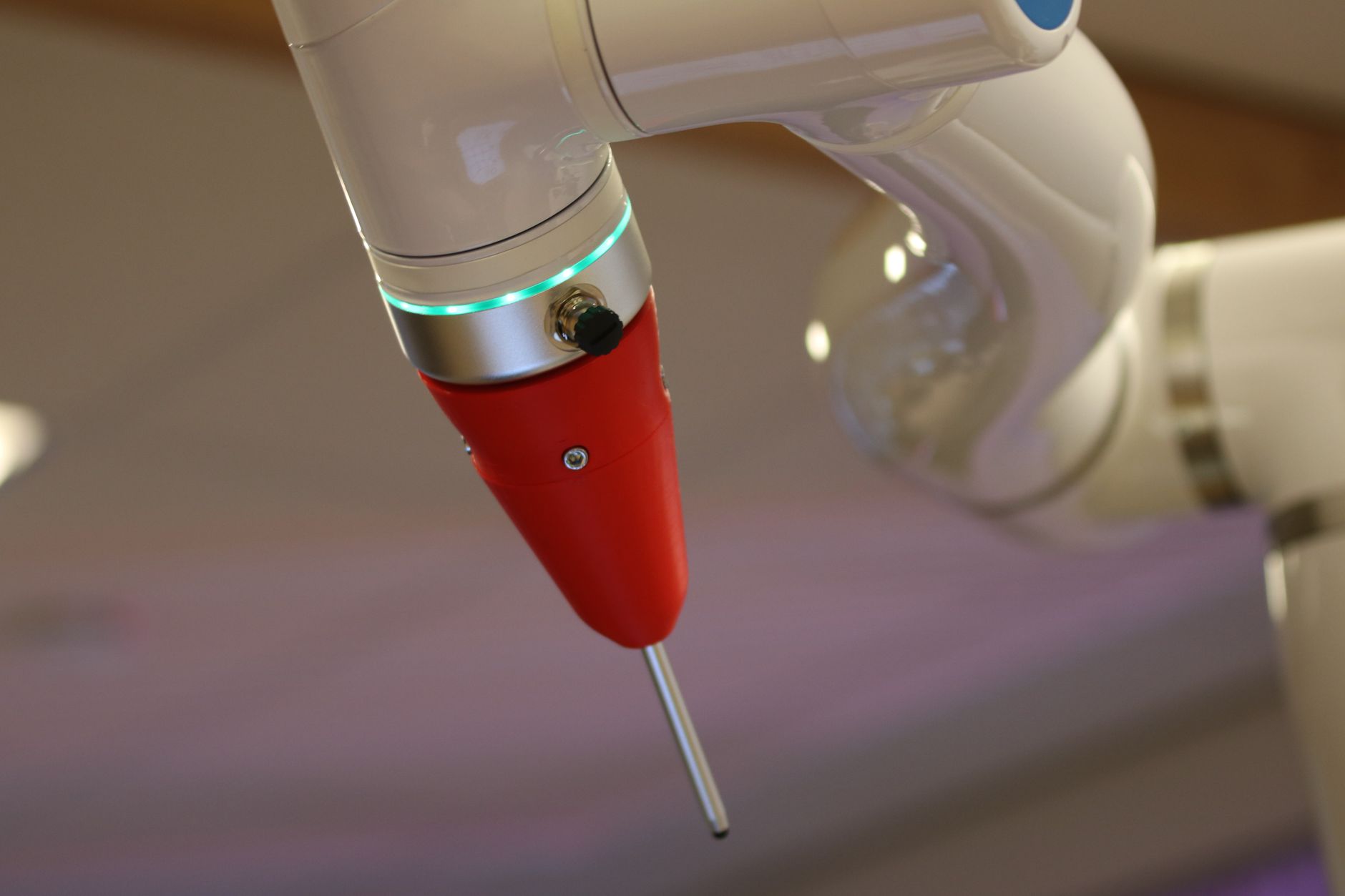
Why Robotic Surgery Matters: Smaller Incisions, Greater Precision
The benefits of robotic-assisted surgery go beyond technical elegance. For patients, the advantages are tangible and often life-changing. Here are the key reasons why this technology matters:
- Smaller incisions: Instead of a large open incision, robotic surgery typically requires only a few small cuts (often 8–12 mm). This reduces scarring and lowers the risk of infection.
- Enhanced precision: The robotic system filters out hand tremors and allows for extremely fine movements, which is crucial when operating near nerves, blood vessels or delicate organs.
- Better visualization: The 3D high-definition camera provides a magnified view, helping surgeons see details that are hard to distinguish with the naked eye.
- Less blood loss and pain: Smaller incisions mean less trauma to surrounding tissues, often resulting in less postoperative pain and reduced need for blood transfusions.
- Faster recovery: Many patients return to normal activities sooner and experience shorter hospital stays compared to open surgery.
These benefits are not just marketing claims. Numerous studies across urology, gynecology, cardiology and general surgery have shown that robotic-assisted approaches can lead to better outcomes in terms of complications, length of stay and patient satisfaction.

Türkiye's Growing Robotic Surgery Infrastructure
Türkiye has been investing heavily in robotic surgery over the past decade. Major university hospitals — such as Istanbul University, Hacettepe University in Ankara, and Ege University in Izmir — have acquired robotic systems and established dedicated robotic surgery programs. Private hospital groups like Acıbadem, Memorial, Medical Park and Liv Hospital have also integrated robotics into their surgical departments.
Today, it's estimated that more than 50 robotic surgical systems are installed across the country, with a concentration in Istanbul, Ankara and Izmir. This number continues to grow as hospitals recognize the competitive advantage and patient demand for minimally invasive options.
What's more, Turkish surgeons are not just users of this technology; they are active participants in international training programs, conferences and research. Many have completed fellowships abroad and bring back expertise to share with colleagues. This collaborative environment ensures that the learning curve is steep and safety standards are high.

Which Procedures Are Commonly Performed Robotically in Türkiye?
Robotic-assisted surgery is now used across a wide range of specialties in Turkish hospitals. Some of the most common procedures include:
- Urology: Radical prostatectomy for prostate cancer is one of the most frequent robotic procedures, offering better continence and potency outcomes.
- Gynecology: Hysterectomy, myomectomy, endometriosis resection and pelvic floor repair.
- General surgery: Gallbladder removal, hernia repair, colorectal cancer surgery, bariatric surgery and gastric procedures.
- Cardiothoracic surgery: Mitral valve repair, coronary artery bypass grafting and lung lobectomy.
- Thoracic surgery: Lobectomy and thymectomy for conditions like lung cancer and myasthenia gravis.
As experience grows, the range of indications expands. Surgeons in Türkiye are increasingly performing complex cancer surgeries robotically, often with outcomes comparable to leading international centers.
How to Access Robotic Surgery as an International Patient
If you're considering robotic-assisted surgery in Türkiye, the process is more straightforward than you might think. Many hospitals have dedicated international patient departments that handle everything from initial consultation to post-operative follow-up. Here's a typical pathway:
- Research and contact: Identify hospitals with robotic surgery programs and reach out via their international offices. Share your medical records for a preliminary evaluation.
- Consultation: You'll have a video or in-person consultation with a surgeon who will determine if you're a candidate for robotic surgery.
- Treatment plan and quote: You'll receive a personalized treatment plan, including estimated costs, length of stay and recovery timeline.
- Travel arrangements: The hospital's international team can assist with visa invitation letters, airport transfers and accommodation.
- Surgery and recovery: After your procedure, you'll receive follow-up care and a detailed report to take home to your local doctor.
Language is rarely a barrier; English-speaking coordinators and translators are available in most major hospitals, and many doctors speak fluent English.
Why Türkiye Is More Than a Value Destination
Türkiye has long been known for offering high-quality medical care at competitive prices. But the narrative is shifting. With robotic surgery, Türkiye is showcasing its technological prowess and commitment to innovation. The presence of advanced operating suites, trained surgeons and comprehensive patient support positions the country as a regional hub for medical tourism.
International patients are increasingly choosing Türkiye not only for affordability but for access to the latest techniques. The combination of modern infrastructure, skilled professionals and a patient-centric approach makes it a compelling alternative to Western Europe or North America.
Moreover, the cultural richness of Istanbul, Ankara and Izmir adds a unique dimension to the medical travel experience. You can recover while enjoying world-class cuisine, historic sites and warm hospitality — a holistic approach to healing that few destinations can match.
What the Future Holds
The robotic surgery revolution in Türkiye is still unfolding. We can expect to see more hospitals acquiring systems, more surgeons trained in robotic techniques, and an expansion into new specialties such as pediatric surgery and neurosurgery. Tele-surgery and AI-assisted robotics are on the horizon, promising even greater precision and accessibility.
For international patients, this means more options, better outcomes and a healthcare system that is genuinely at the forefront of medical technology. Türkiye is not just keeping up with global trends — it is helping to set them.
Thinking about treatment in Turkey?
Send us a question about this site or about the information published on it. This is a publisher's mailbox, not a medical service and not a route to a particular provider — for clinical questions, contact your own doctor.