

Your Case, Reviewed by Turkish Specialists — Before You Book a Flight
For many patients, the biggest barrier to seeking care abroad isn't the treatment itself. It's the uncertainty. What would a specialist actually recommend? Would my case even be a good fit? Is it worth the trip, the cost, the time away from home? Those are fair questions, and the good news is that you no longer have to answer them by guessing.
Across Türkiye, hospitals with dedicated international patient departments routinely review medical files remotely — CT and MRI scans, PET imaging, pathology slides, lab results, operative notes and previous consultation reports — and share their assessment with you before you make any commitment to travel. This is not a marketing gimmick. It is a structured clinical review process, carried out by the same specialists who treat patients in person, and it is offered at little or no cost in many institutions.
Think of it as a confident, no-pressure first step: you get a real sense of Turkish expertise from your own living room, and you decide what happens next on your own terms.
You don't have to board a plane to find out whether Türkiye is the right place for your care. You just have to send your files.
What “Remote Review” Actually Means in Practice
A remote review is a genuine clinical exercise, not a chatbot summary. Once your files arrive, the international patient department coordinates with the relevant department — oncology, cardiology, orthopaedics, neurosurgery, transplant, IVF, bariatric surgery or another specialty — and a consultant or a multidisciplinary team examines your material. They look at the images themselves, read the pathology reports, compare findings with prior studies where available, and consider your history and current condition.
The output is typically a written opinion or a structured summary: what the specialists see, what they would recommend, which additional tests (if any) would be needed, which treatment options apply and what the expected timeline and recovery might look like. Many departments also arrange a video or phone call so you can ask questions directly.
Crucially, this happens with no obligation. You are not booking a procedure to receive an opinion, and a review that concludes “your case can be handled closer to home” is a perfectly acceptable outcome — and a valuable one.

What to Send (and How to Send It)
Quality in, quality out. The clearer and more complete your file, the more useful the opinion. Most international patient departments ask for a short checklist, and gathering it is easier than most people expect.
- Imaging: DICOM files or CDs of CT, MRI, PET-CT, ultrasound and mammography — original digital files, ideally not just printed films or phone photos of screens.
- Pathology: The full pathology report, and where possible the actual slides or tissue blocks for a second read by the hospital's own pathologists.
- Reports: Discharge summaries, operative notes, consultation letters and any previous second opinions.
- Labs: Recent blood work and any disease-specific markers.
- Context: A short summary of your diagnosis, treatments tried, current medications, allergies, and what you most want the specialists to address.
Most hospitals accept files through a secure upload portal, a dedicated email address or a WhatsApp line managed by the international desk. Ask about encryption and data-handling policy if you're sharing sensitive material — reputable departments will have a clear answer.
One practical tip: write down your three most important questions before you send anything. “Is surgery appropriate for me, and which technique?” or “Is my pathology consistent with the diagnosis I've been given?” gives the reviewing team a target to aim at, and makes the reply far more useful to you.

The Transparency Advantage: Why This Step Feels So Different
Traditional medical travel often works in reverse: you commit, you travel, and only then do you learn what the specialists think. The remote review flips that sequence. You learn first, then you decide. That single change transforms the power dynamic between patient and provider.
There's also a financial dimension. Because the review is frequently low-cost or complimentary, you can seek input from more than one institution and compare approaches without accumulating bills. You see how different teams frame your case, how quickly and clearly they communicate, and whether their recommendations align with your own priorities — before any money changes hands for treatment.
And there's a quieter benefit: confidence. Patients who arrive in Istanbul having already spoken with their surgeon, having already had their scans examined by the team that will treat them, describe the experience very differently from those who arrive cold. The airport transfer is the same; the feeling is not.
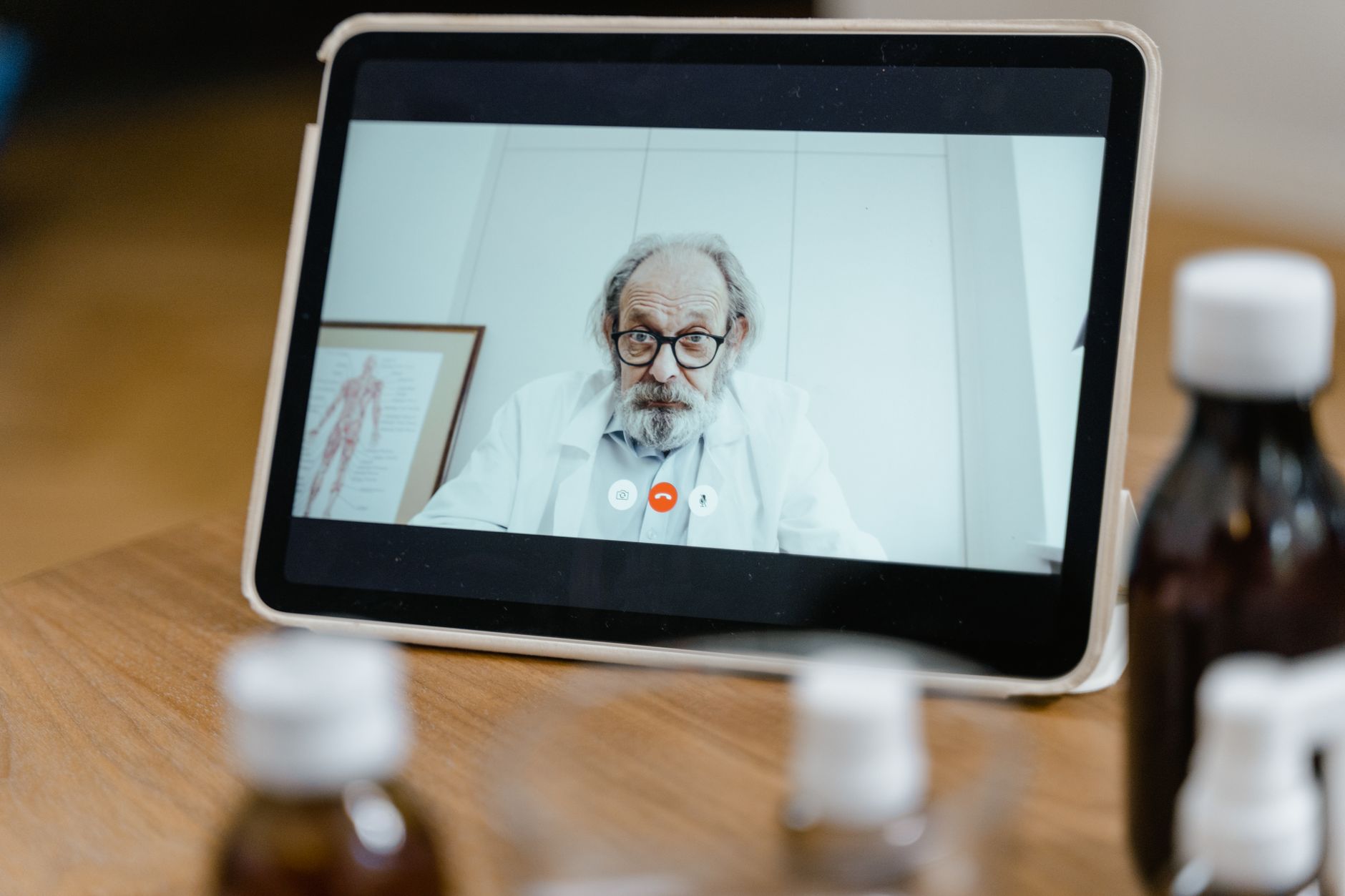
Turkish Expertise, Available From Your Sofa
Türkiye has invested heavily in its hospital infrastructure over the past two decades, and many centres — particularly in Istanbul, Ankara and Izmir — hold international accreditations, operate advanced imaging and robotic surgery platforms, and treat a genuinely international patient base. The international patient departments that support this work are accustomed to time zones, languages and file formats from all over the world.
That means the specialist reviewing your MRI in Istanbul may well have seen hundreds of cases like yours, from dozens of countries. The remote review is how that expertise becomes accessible without a twelve-hour flight — and it's why patients from Europe, the Gulf, Central Asia, Africa and beyond increasingly start their journey with an upload rather than a booking.
Language is rarely a barrier: most international desks work in English and often in Arabic, Russian, French, German or Spanish, with interpreters available for consultations.

How to Get the Most From Your Remote Opinion
Be honest and complete. Withholding a prior treatment or an additional diagnosis to appear a “better candidate” undermines the whole exercise — the specialists can only advise on what they know.
Ask specifically what the review does not cover. A remote opinion is a professional assessment based on documents; it cannot replace a physical examination, and some recommendations will depend on findings only possible in person. Good departments will say this plainly, and that honesty is itself a signal of quality.
Finally, keep your own copy of everything you send, note who reviewed your file and when, and don't be shy about asking follow-up questions. The whole point of this first step is that it's low-pressure — so use the space it gives you to think, compare and decide calmly.
Your First Step Can Happen Today
You don't need flights, visas or a packed suitcase to begin. You need your scans, your reports and a short list of questions. Send them to one or two international patient departments, give them a week or two, and see what comes back.
What comes back is information: a considered opinion from experienced specialists, an outline of options, and a clear picture of what treatment in Türkiye would involve. Whether you then travel, seek care locally, or simply sleep better knowing more about your own case, you'll have gained something real — at little or no cost, and with no obligation whatsoever.
That is what access and transparency look like in modern medical travel. And it starts from home.
Thinking about treatment in Turkey?
Send us a question about this site or about the information published on it. This is a publisher's mailbox, not a medical service and not a route to a particular provider — for clinical questions, contact your own doctor.