
Why Türkiye Is a Global Hub for Advanced Skin Cancer Surgery
Türkiye has quietly become one of the world's most trusted destinations for complex dermatologic surgery, particularly for skin cancers that demand precision beyond standard excision. Hospital-based dermatology teams in Istanbul, Ankara and Izmir now perform Mohs micrographic surgery and advanced staged excisions with same-day pathology support, all within internationally accredited facilities.
For international patients, this means something transformative: rather than navigating separate referrals for diagnosis, tumour removal and reconstruction across weeks or months, you can often complete the entire pathway in a single coordinated visit. Tumour clearance and reconstructive planning happen side by side, with pathologists and surgeons working in real time.
The appeal is not only clinical. Türkiye combines technology-rich operating suites, English-speaking medical coordinators and significantly shorter waiting times than many Western European or North American systems, all at a fraction of the cost. For patients facing basal cell carcinoma, squamous cell carcinoma, or challenging melanomas in sensitive areas such as the nose, eyelids or ears, this integrated model offers both peace of mind and superior aesthetic outcomes.
Understanding Mohs Micrographic Surgery: Precision at the Cellular Level
Mohs micrographic surgery is considered the gold standard for removing certain skin cancers while preserving as much healthy tissue as possible. The technique, developed by Dr. Frederic Mohs in the 1930s, involves removing the tumour layer by layer and examining 100% of the surgical margin under a microscope before deciding whether more tissue needs to be taken.
What sets Mohs apart is its complete margin control. In traditional excision, only a small fraction of the margin is sampled, leaving uncertainty about whether the cancer has been fully removed. In Mohs surgery, the surgeon acts as both surgeon and pathologist, mapping the tumour's exact location and tracing microscopic extensions that might otherwise be missed.
The result is a tumour clearance rate approaching 99% for primary basal cell carcinomas and similarly impressive outcomes for squamous cell carcinoma. Equally important, because tissue is conserved, reconstruction is often simpler and cosmetic results are markedly better — a critical consideration for cancers on the face, hands and genital area.
Advanced Excision Techniques for Complex and Recurrent Tumours
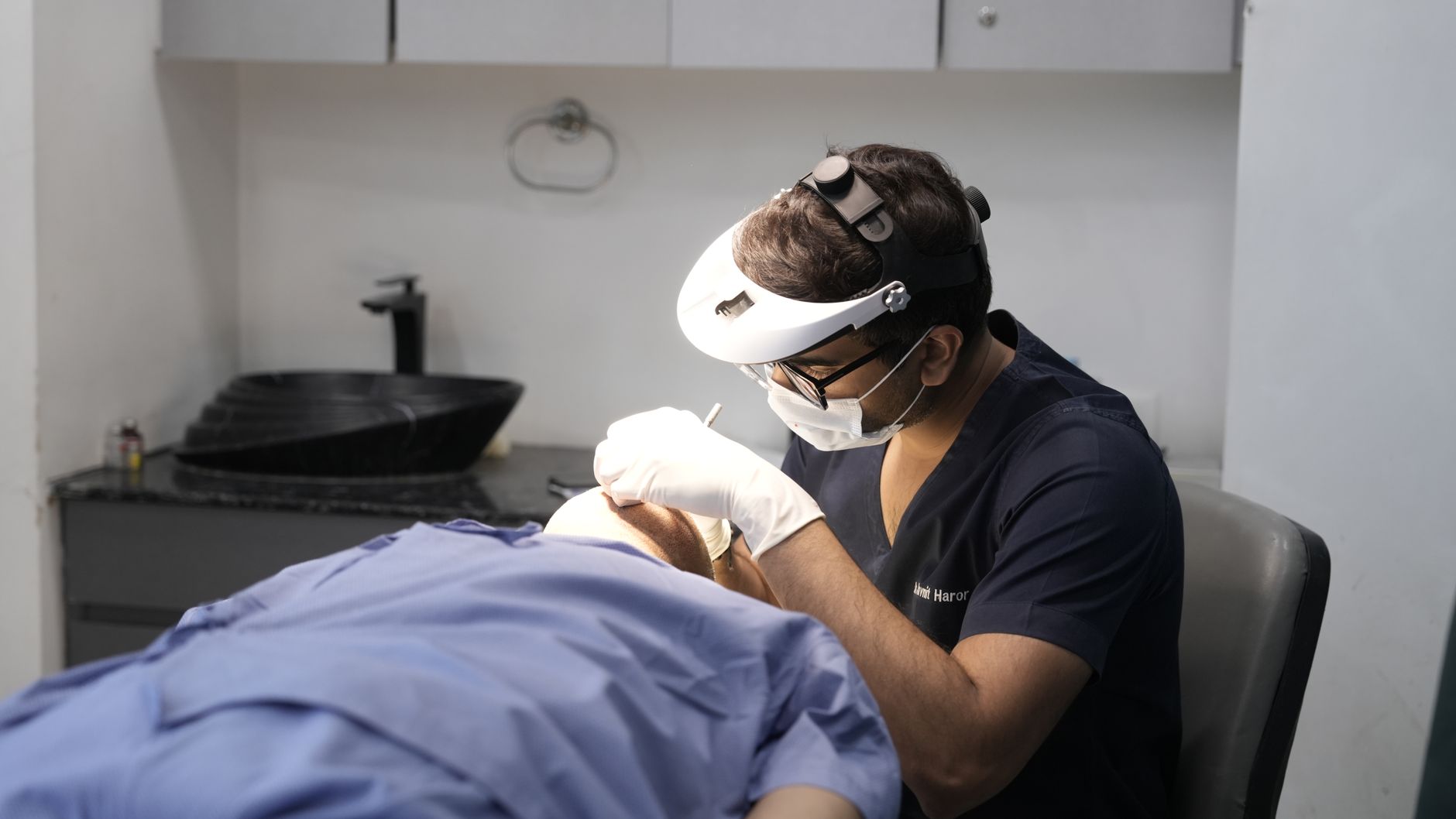
Not every skin cancer requires Mohs surgery, and Türkiye's hospital-based teams are equally skilled in advanced excisional techniques for larger, deeper or recurrent tumours. These include wide local excision with sentinel lymph node biopsy for melanoma, staged excision for lentigo maligna, and Mohs-adjacent approaches such as slow Mohs for certain melanoma subtypes.
Advanced excision becomes essential when tumours are aggressive, have returned after previous treatment, or involve structures such as cartilage, muscle or nerve. Turkish surgical teams frequently collaborate with oncologists, radiologists and pathologists to plan excisions that balance oncologic safety with functional preservation.
Because these procedures are hospital-based rather than office-based, patients benefit from access to frozen-section pathology, intraoperative imaging and, when needed, immediate multidisciplinary consultation. This infrastructure is what allows complex cases to be resolved efficiently — often within a single trip.
Same-Day Pathology: The Engine Behind One-Visit Care
Same-day pathology is the quiet revolution that makes Türkiye's approach so attractive to international patients. In many healthcare systems, patients wait days or even weeks between tumour removal and pathology results, only to learn that further surgery is required — forcing a second trip, a second anaesthetic and additional stress.
In Türkiye's leading hospitals, dermatopathologists are on site and embedded in the surgical workflow. Tissue removed during Mohs surgery is frozen, sectioned and stained while the patient waits, with results typically available within 30 to 60 minutes per stage. The surgeon reviews the slides personally, then either closes the wound or removes another layer.
This real-time feedback loop means the entire procedure — from first incision to final reconstruction — can often be completed in a single day. For patients travelling from abroad, that efficiency translates into fewer flights, less time away from work and family, and a dramatically simplified treatment journey.
"Our international patients often arrive on a Monday, have their surgery and reconstruction completed by Tuesday, and fly home later that week knowing their margins are clear," says one Istanbul-based dermatologic surgeon. "That certainty is priceless."
Immediate Reconstructive Planning: Closing the Loop in One Visit
One of the most significant advantages of hospital-based dermatologic surgery in Türkiye is the seamless integration of reconstruction into the same surgical session. Once margins are confirmed clear, the reconstructive surgeon — often working alongside the dermatologic surgeon — can immediately begin repairing the defect.
This immediate reconstruction is not merely cosmetic. It protects exposed structures such as bone, cartilage and blood vessels, reduces infection risk, and optimises scar formation. Techniques range from simple linear closure and skin grafts to complex local flaps, full-thickness grafts and, in selected cases, free tissue transfer.
Because the reconstructive plan is developed before surgery based on anticipated defect size, patients can discuss options, view photographic examples and understand expected outcomes during their preoperative consultation. This transparency reduces anxiety and aligns expectations — a hallmark of Türkiye's patient-centred approach.
For tumours on the nose, ear or eyelid, where aesthetic and functional stakes are highest, Turkish teams frequently include oculoplastic or ENT surgeons in the planning. The result is a truly multidisciplinary standard of care that few destinations can match in a single visit.
What International Patients Can Expect: A Step-by-Step Journey
The typical pathway for an international patient begins long before arrival. After submitting medical records and photographs, a coordinator arranges a video consultation with the dermatologic surgeon. During this call, the team reviews the diagnosis, discusses whether Mohs or advanced excision is appropriate, and outlines a personalised treatment schedule.
On arrival in Türkiye, patients attend a preoperative appointment that includes physical examination, imaging if needed, and anaesthesia assessment. Surgery is usually scheduled for the following day, with same-day pathology and reconstruction as described. Most patients are discharged within 24 hours and attend a wound check before flying home.
Throughout the process, English-speaking coordinators handle scheduling, interpretation, accommodation near the hospital and airport transfers. Many hospitals also provide digital follow-up, allowing patients to send wound photographs to their surgeon after returning home.
- Initial contact: Records review and video consultation within 48 hours
- Arrival: Preoperative assessment and surgical planning
- Surgery day: Mohs or advanced excision with same-day pathology
- Reconstruction: Immediate repair by a specialist team
- Follow-up: Wound check before departure and digital monitoring thereafter
Accreditation, Technology and the Turkish Advantage
Türkiye's leading dermatologic surgery centres hold JCI accreditation and ISO certifications, with operating theatres, pathology laboratories and sterilisation protocols that meet or exceed international benchmarks. Equipment such as Mohs cryostats, digital dermatoscopes, intraoperative ultrasound and advanced flap monitoring systems is standard in top-tier hospitals.
Surgeons are typically fellowship-trained, many having completed observerships or fellowships in the United States or Europe, and they regularly present at international dermatology and Mohs surgery conferences. This global exposure ensures that techniques used in Istanbul are aligned with the latest evidence-based guidelines.
Cost is another compelling factor. Mohs surgery in Türkiye typically costs 60–80% less than in the United States or United Kingdom, without compromising quality. Package pricing often includes consultation, surgery, pathology, reconstruction, hospital stay and follow-up, giving patients financial clarity from the outset.
Planning Your Skin Cancer Treatment in Türkiye
If you are considering Mohs micrographic surgery or advanced excision abroad, Türkiye offers a rare combination: cellular-level precision, same-day pathology, immediate reconstruction and a coordinated one-visit experience. The key is to choose an accredited hospital-based programme with a dedicated international patient department.
Start by gathering your biopsy report, pathology slides and clear photographs of the lesion. Ask potential providers about their Mohs case volume, whether pathology is performed on site, and how reconstruction is integrated. A transparent, well-organised team will answer these questions readily and provide a written treatment plan before you commit.
With its technology-rich hospitals, skilled multidisciplinary teams and reassuring efficiency, Türkiye has earned its place as a world-class destination for skin cancer surgery. For international patients seeking certainty, speed and aesthetic excellence, the journey begins with a single consultation — and often ends with a clear margin and a confident smile.
Thinking about treatment in Turkey?
Share your contact details and a verified doctor will follow up with a plan built around you — free, no obligation.