

A New Chapter in Turkish Medical Tourism: Recovery, Not Just Surgery
Türkiye has spent two decades building a reputation as one of the world's leading destinations for elective surgery, from hair transplantation and dental work to orthopaedics, bariatric surgery and cardiology. In 2026, a different segment of the market is attracting international attention: thermal and rehabilitation centres that specialise in the weeks after the operation, when the body needs guided movement, pain control and time.
These facilities are not spas in the leisure sense. They are medically supervised rehabilitation hospitals and licensed thermal health complexes where physiotherapists, physicians and balneotherapy specialists work from individual treatment plans. Their rise reflects a practical insight: a successful operation is only half of a successful outcome, and patients increasingly want a structured recovery phase rather than a flight home and a vague exercise sheet.
For international patients, the appeal is straightforward. Türkiye already offers advanced surgical care at competitive prices, and its thermal regions — Yalova, Bursa, Afyonkarahisar, İzmir and Ankara's surrounding districts — sit within easy reach of Istanbul's major hospitals. The result is a single journey that combines intervention and rehabilitation under one coordinated plan.
Where Türkiye's Rehabilitation Centres Are Located
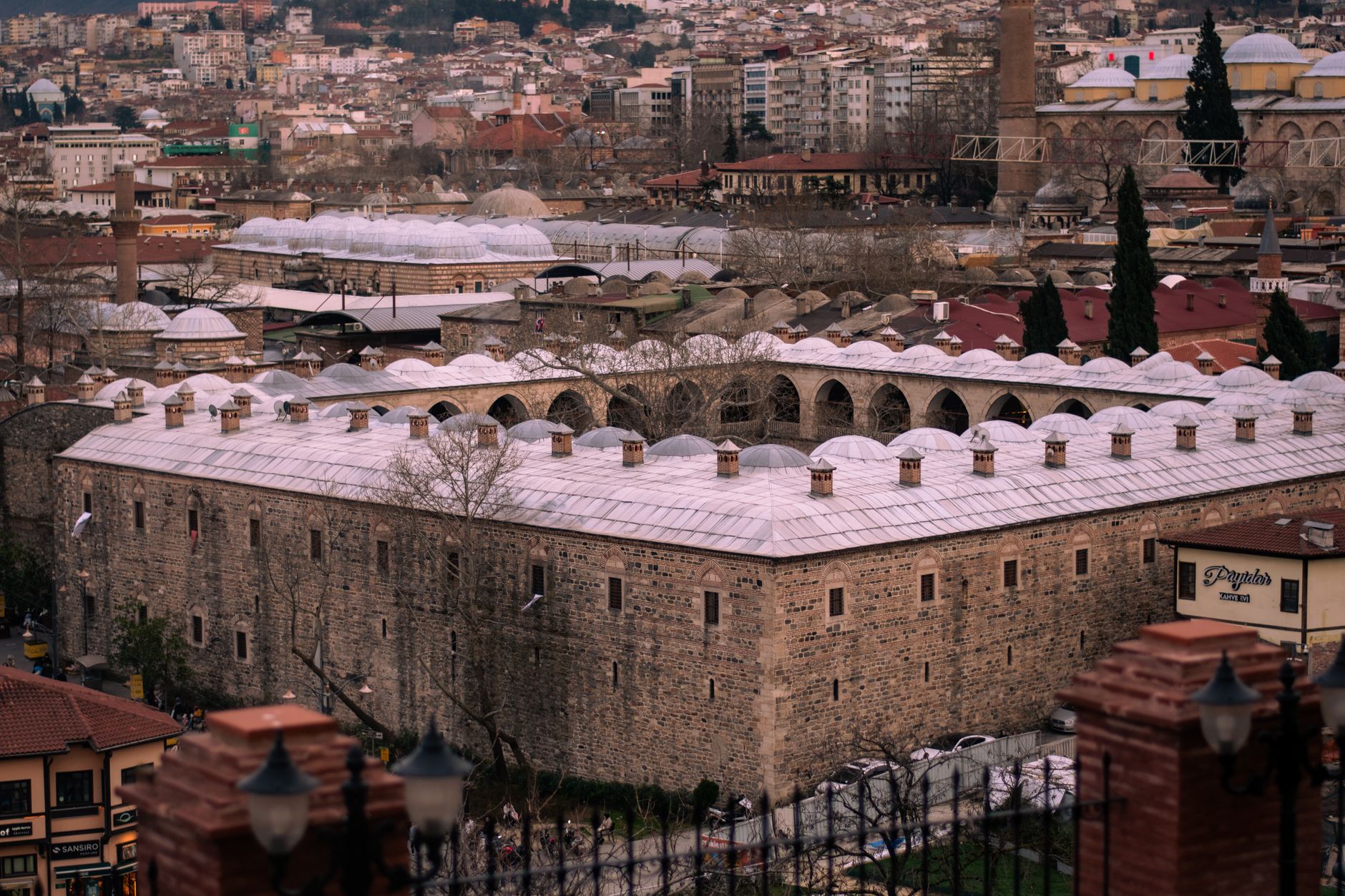
The country's thermal belt runs largely through western Anatolia, where geothermal springs have been used therapeutically for centuries. Yalova, on the southern shore of the Marmara Sea, is among the best known, with licensed thermal facilities and rehabilitation hospitals that treat musculoskeletal and neurological conditions. Bursa, a short ferry ride or drive from Istanbul, combines historic thermal baths with modern physiotherapy units. Afyonkarahisar, further inland, is a established centre for balneological treatment of rheumatic disease.
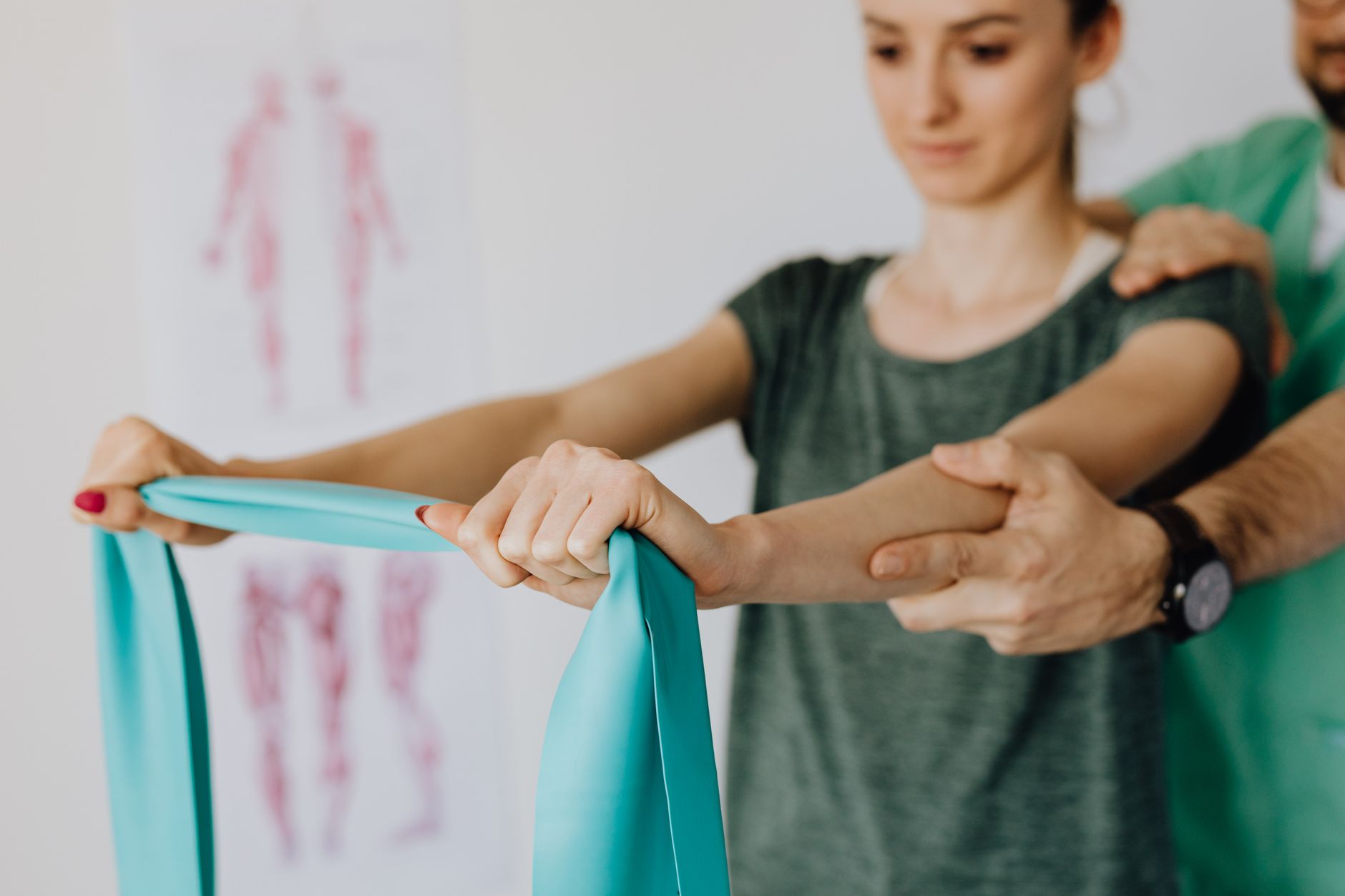
What distinguishes the current generation of facilities is integration. A patient recovering from knee or hip replacement, spinal surgery or a sports injury can be assessed on arrival, assigned a physiotherapy schedule, and receive hydrotherapy, manual therapy and electrotherapy in the same complex. Accommodation, meals and medical follow-up are typically bundled into a single recovery programme lasting two to six weeks.
Several centres have also invested in language support, international patient departments and reporting systems that keep the referring surgeon in Istanbul — or abroad — informed of progress. That coordination matters for patients who want continuity between the operating theatre and the rehabilitation gym.
What a Structured Recovery Programme Actually Involves
Programmes are built around assessment rather than assumption. On admission, patients typically undergo a functional evaluation covering range of motion, muscle strength, gait, balance and pain levels. From there, a physiatrist or rehabilitation physician sets goals and a timetable, which is reviewed weekly.
A typical day might include supervised exercise therapy in the morning, hydrotherapy or balneotherapy in the warm mineral pools around midday, and manual therapy, massage or electrotherapy in the afternoon. Education sessions on posture, joint protection and home exercise often round out the schedule. The mineral content and temperature of Turkish thermal waters are used at controlled levels, with screening for cardiovascular and other contraindications before immersion.
Crucially, these are clinical environments. Therapists adjust load according to surgical protocols, wound healing and swelling, and they flag complications early. For patients managing chronic pain — lumbar disc disease, osteoarthritis, fibromyalgia or post-traumatic stiffness — the combination of graded exercise and thermal therapy is used to improve function and reduce medication dependence, not merely to provide relaxation.
Recovery is a clinical phase, not a holiday. The best programmes combine warmth, movement and medical oversight in a measured sequence.
Practical Value for Post-Operative Patients
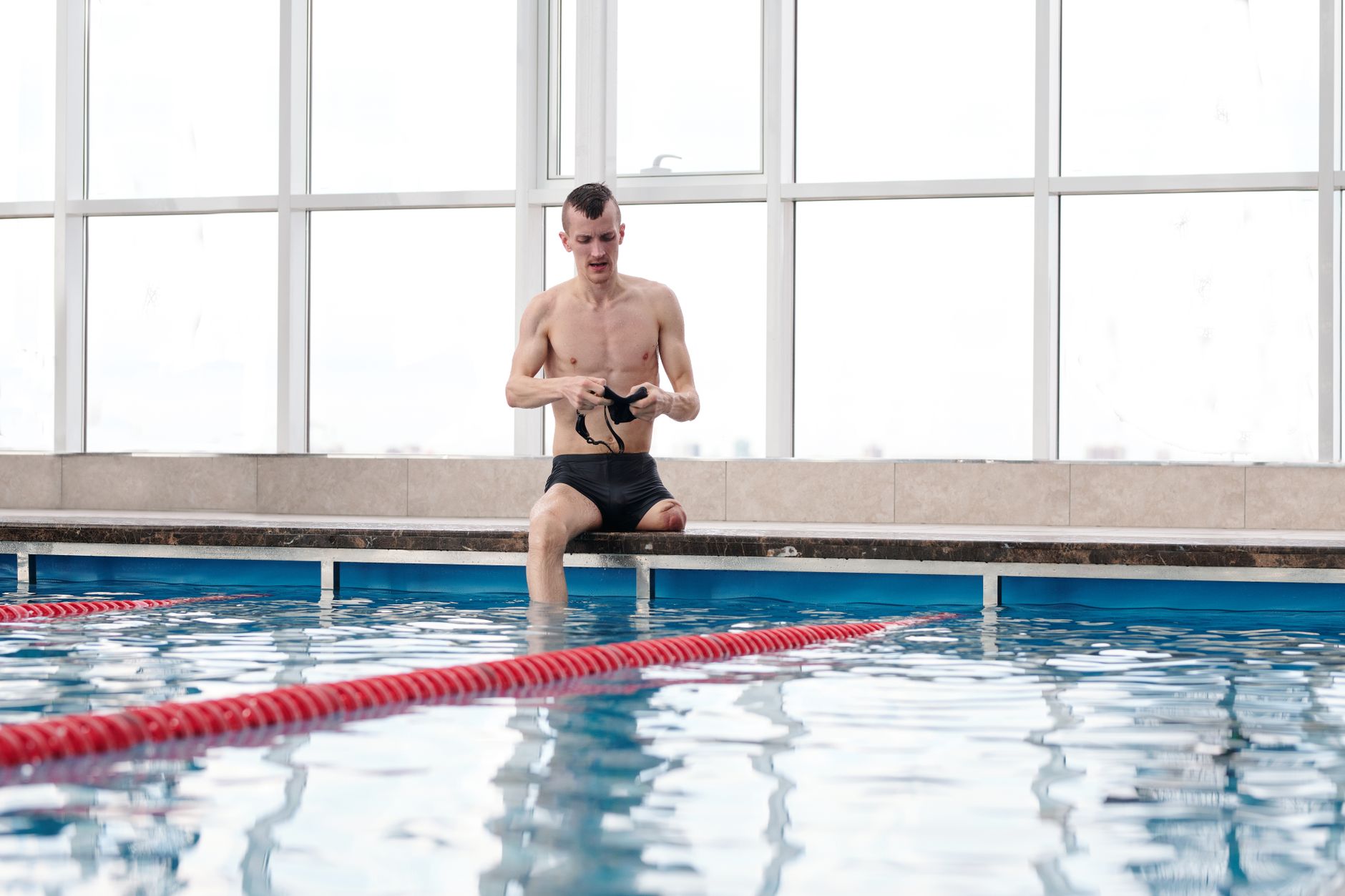
For someone planning surgery in Türkiye, adding a rehabilitation stay can simplify logistics and reduce risk. Instead of flying home days after an operation and navigating unfamiliar physiotherapy services, the patient moves from hospital to a rehabilitation centre, often within the same city or a short transfer away. Sutures, dressings and mobility are monitored by clinicians who speak the same clinical language as the surgical team.
The model is especially relevant for orthopaedic procedures. After total knee or hip replacement, early mobilisation and supervised strengthening are strongly associated with better function. Spinal surgery patients benefit from guided core stabilisation and gradual return to activity. Even cosmetic and reconstructive surgery patients may use shorter recovery packages focused on lymphatic drainage, scar care and safe return to exercise.
Cost is another factor. International patients frequently report that a bundled rehabilitation stay in Türkiye — including accommodation, therapy and follow-up — compares favourably with equivalent private programmes in Western Europe, while offering more intensive daily therapy. Patients should confirm what is included, whether the centre has an international patient agreement with their surgeon, and what insurance or evacuation cover applies.
Chronic Pain and Long-Term Function: Beyond the Operating Theatre
Not every patient arrives after surgery. A growing share of international visitors come for chronic musculoskeletal pain that has not responded to conservative care at home. Turkish rehabilitation centres increasingly offer multidisciplinary assessment for these patients, combining physical examination, imaging review and structured exercise with thermal therapy and pain education.
The emphasis is on measurable function: walking distance, stair climbing, sleep quality, return to work. Programmes usually include a home exercise plan and a follow-up consultation, so gains are maintained after departure. For patients with rheumatic conditions, balneotherapy in Afyonkarahisar and Yalova has a long clinical tradition, and modern centres pair it with contemporary physiotherapy rather than presenting it as a standalone cure.
Patients should be realistic. Thermal rehabilitation is a complement to medical and surgical care, not a replacement for it. Anyone with uncontrolled heart disease, active infection, recent thrombosis or certain cancers should be screened before thermal treatment, and centres are expected to conduct that screening themselves.
What International Patients Should Check Before Booking
First, verify credentials. Look for Ministry of Health licensing, rehabilitation physicians on staff, and physiotherapists with recognised qualifications. Ask whether the centre has a written protocol for your specific procedure and whether it will communicate with your surgeon.
Second, clarify the practical details: transfer times from Istanbul airports, language support, accessibility for wheelchairs or post-operative mobility aids, and whether a companion can stay. Third, review the contract and insurance arrangements, including what happens if rehabilitation needs to be extended.
Türkiye's thermal and rehabilitation sector is maturing quickly, and its international reputation is being built on outcomes rather than marketing. For patients considering surgery abroad — or struggling with persistent pain — the country now offers something more complete than a single procedure: a coordinated path from intervention to functional recovery, set among geothermal springs that have served patients for generations.
Thinking about treatment in Turkey?
Send us a question about this site or about the information published on it. This is a publisher's mailbox, not a medical service and not a route to a particular provider — for clinical questions, contact your own doctor.