

Why Türkiye Is Emerging as a Leader in Medical Rehabilitation Retreats
Türkiye has long been a global destination for affordable, high-quality medical care, from hair transplants in Istanbul to dental work in Antalya. Yet a quieter revolution is taking place along the country's thermal belts and Aegean and Mediterranean coasts: the rise of medically supervised rehabilitation and recovery retreats. These programmes combine clinical rigour — physiotherapy, nutritional counselling, psychological support and regular physician follow-up — with the restorative power of mineral-rich hot springs and calm seaside environments.
Unlike a traditional spa holiday, a rehabilitation retreat in Türkiye is built around measurable clinical outcomes. You are assessed on arrival, given a personalised treatment plan, monitored throughout your stay and provided with a discharge report and follow-up schedule. The difference is that all of this happens in a setting where the air is clean, the climate is gentle and the therapeutic waters have been used for healing since Roman and Byzantine times.
This pairing of medical expertise and a genuinely restorative environment is what we call the Turkish advantage. It is not simply that the country offers good doctors and beautiful scenery separately; it is that the two are increasingly integrated into single, seamless programmes designed for people recovering from surgery, managing chronic conditions or simply needing to rebuild their health after burnout.
What a Typical Multi-Week Programme Involves
Most reputable rehabilitation retreats in Türkiye run for two to four weeks, with some chronic-condition programmes extending to six. The structure varies by facility and indication, but a typical week might include five to six hours of structured therapy per day, balanced with rest, hydrotherapy and leisure time.
Clinical assessment and goal setting: On arrival, you undergo a comprehensive evaluation — often including physiatric assessment, musculoskeletal ultrasound, gait analysis, blood work and functional testing. A multidisciplinary team then sets realistic, measurable goals for your stay.
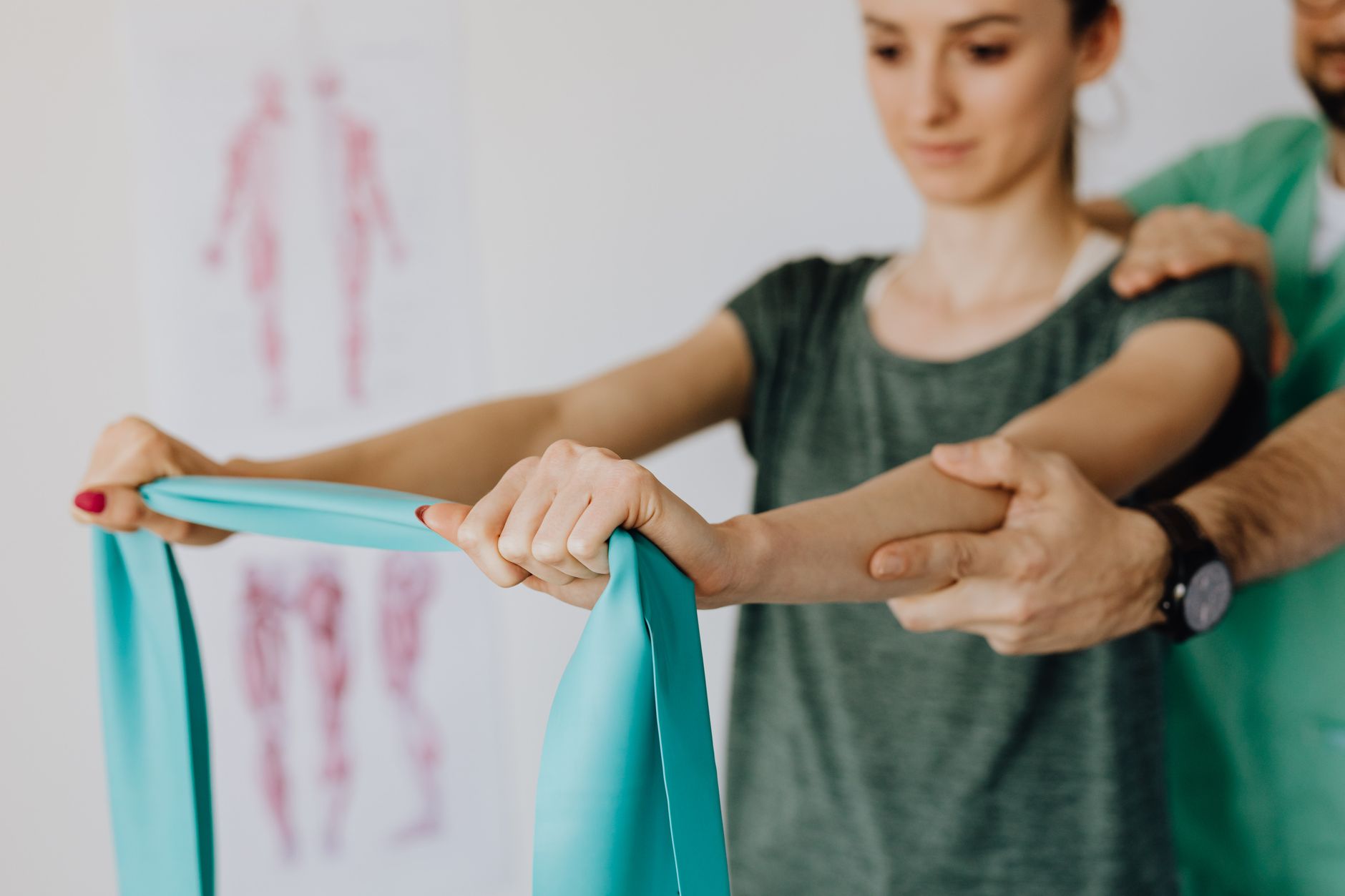
Physiotherapy and exercise therapy: Daily sessions may include manual therapy, dry needling, shockwave therapy, robot-assisted gait training, hydrotherapy in thermal pools, and supervised strength and conditioning. Turkish clinics increasingly use evidence-based protocols similar to those in Western Europe, at a fraction of the cost.
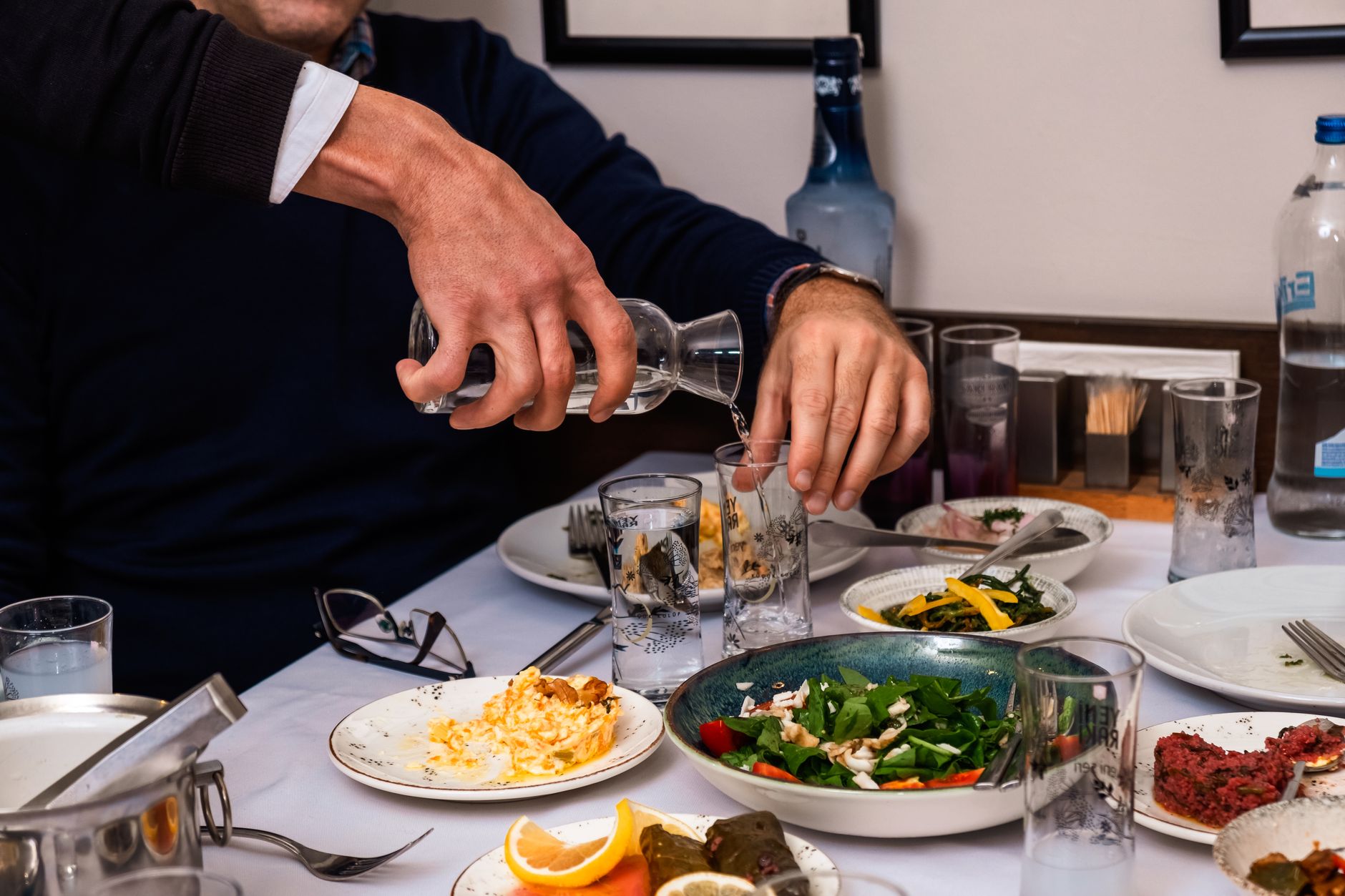
Nutrition guidance: A dietitian designs an anti-inflammatory eating plan tailored to your condition — whether that means post-operative recovery, diabetes management, weight loss or gut health. Turkish cuisine, with its emphasis on olive oil, vegetables, legumes, fish and yogurt, lends itself beautifully to therapeutic nutrition.
Follow-up consultations: You meet your physician and therapist regularly to review progress and adjust the plan. Before discharge, you receive a detailed report, a home exercise programme and a schedule for telemedicine follow-ups, so your recovery continues after you fly home.
Thermal and marine therapies: Many programmes incorporate balneotherapy — treatment using mineral springs — alongside thalassotherapy using seawater. These are not mere add-ons; in Türkiye they are often prescribed and supervised by clinicians who understand their physiological effects.
The Therapeutic Power of Türkiye's Thermal Springs
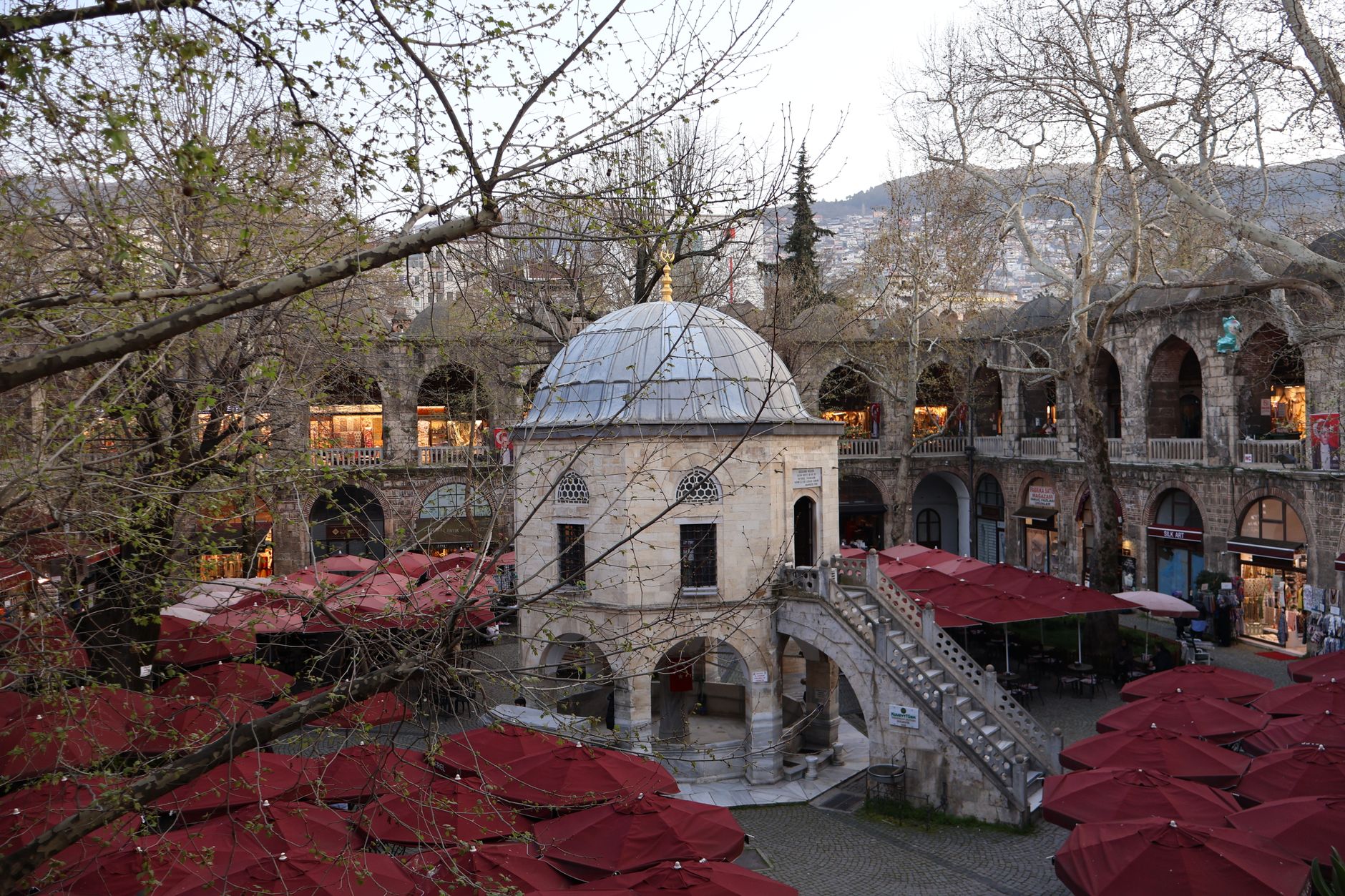
Türkiye sits atop significant geothermal activity, and the country is home to more than 1,500 thermal springs. Regions such as Yalova, Bursa, Afyonkarahisar, Denizli (Pamukkale) and the Aegean coast have been renowned for their healing waters for millennia. The Romans built the spa city of Hierapolis at Pamukkale, and Byzantine emperors sought relief in Bursa's baths.
Modern balneotherapy research suggests that mineral-rich thermal waters can help reduce pain and stiffness in conditions such as osteoarthritis, rheumatoid arthritis, fibromyalgia and chronic low back pain. The warm water also facilitates gentle exercise, making it ideal for post-operative rehabilitation when land-based movement is still difficult.
What distinguishes a medical retreat from a spa is supervision. In a proper rehabilitation programme, your thermal bathing is timed, temperature-controlled and adapted to your cardiovascular status. Contraindications — such as uncontrolled hypertension or certain heart conditions — are screened for in advance. A therapist may guide you through aquatic exercises in the pool rather than leaving you to soak unsupervised.
Coastal Calm: Why the Aegean and Mediterranean Matter
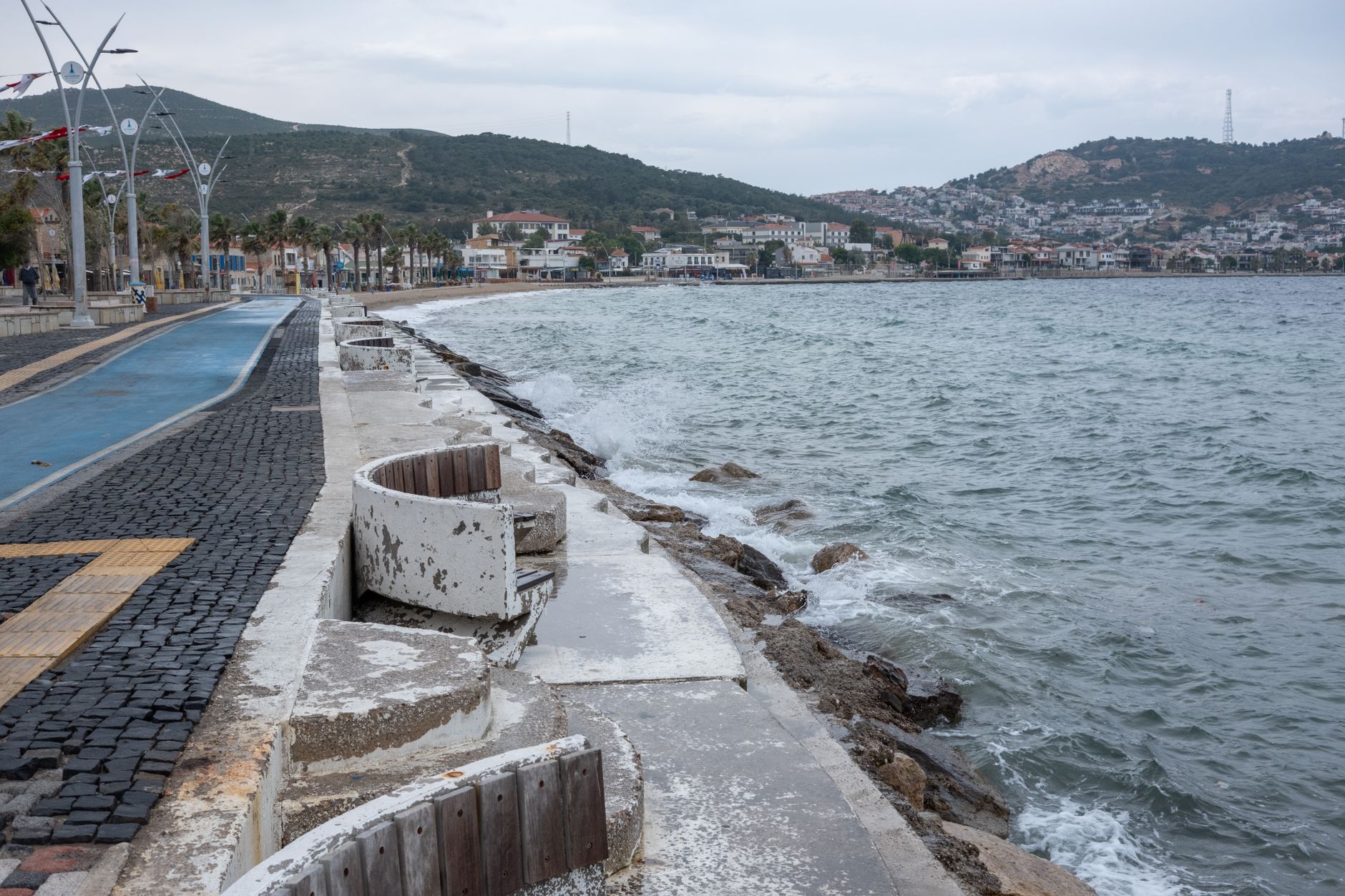
Türkiye's coastline is not just a backdrop; it is part of the therapy. Studies on restorative environments show that proximity to the sea, combined with mild weather and natural light, can lower stress hormones, improve mood and support better sleep — all of which accelerate recovery.
The Aegean towns of Cesme, Kusadasi and Bodrum, and Mediterranean spots like Antalya and Fethiye, offer a particular advantage: they host modern medical facilities within reach of quiet, uncrowded shores. You can attend physiotherapy in the morning, swim in clean seawater in the afternoon and eat a Mediterranean diet prepared with fresh local produce in the evening.
Thalassotherapy — the therapeutic use of seawater, marine algae and sea air — is a natural fit here. Seawater is rich in magnesium, calcium, potassium and trace minerals, and heated seawater pools are often used in rehabilitation for arthritis, post-injury recovery and chronic pain. Many coastal clinics combine thermal and marine therapies, giving patients the benefits of both.
Who These Programmes Suit — and Who They Don't
Medically supervised rehabilitation retreats in Türkiye can benefit a wide range of people, but they are not for everyone. Understanding the indications and limitations helps you make an informed choice.
Good candidates include:
- People recovering from orthopaedic surgery such as knee or hip replacement, ACL reconstruction or spinal surgery, who need intensive physiotherapy in a warm, supportive environment.
- Individuals with chronic musculoskeletal conditions — osteoarthritis, rheumatoid arthritis, fibromyalgia, chronic back or neck pain — seeking a structured, multi-week programme.
- Patients with neurological conditions such as stroke, Parkinson's disease or multiple sclerosis, who may benefit from intensive neurorehabilitation and aquatic therapy.
- People experiencing burnout, chronic stress or sleep disorders who want a clinically informed reset rather than a purely indulgent holiday.
- Those needing medically supervised weight management or metabolic programmes combining exercise, nutrition and behavioural support.
Who should reconsider: Anyone with unstable cardiac conditions, acute infections, uncontrolled epilepsy, severe cognitive impairment without a companion, or certain pregnancy-related risks should consult their own doctor first. Reputable facilities will screen you thoroughly and may decline admission if a programme is not safe for you — a good sign, not a bad one.
How to Verify Medical Oversight — and Avoid Glorified Spas
The term 'wellness retreat' is unregulated, and some establishments in Türkiye and elsewhere market themselves as medical without genuine clinical governance. If you are investing time and money in recovery, you need to know the difference. Here is how to check.
Look for named medical staff: A legitimate rehabilitation retreat will list its physicians, physiotherapists, dietitians and nurses, often with their specialties and registration details. If the website only shows 'wellness coaches' and massage therapists, be cautious.
Ask about assessment and documentation: Proper programmes begin with a clinical assessment and end with a discharge report. They should be able to describe what tests they use, how progress is measured and what follow-up you receive.
Check accreditation and licensing: In Türkiye, medical facilities should be licensed by the Ministry of Health. Many reputable clinics hold international accreditations such as JCI (Joint Commission International) or ISO certifications. Thermal facilities should also have documented water quality monitoring and hygiene protocols.
Request a sample programme schedule: A genuine medical retreat will share a detailed weekly timetable showing therapy hours, consultation frequency and rest periods. A spa will offer a menu of treatments without clinical structure.
Ask about emergency protocols: Hospitals nearby, on-site medical equipment, emergency transfer arrangements and staff trained in first aid are hallmarks of a medically serious facility.
Beware of guaranteed cures: No ethical provider promises to cure chronic conditions. Look for realistic language about improvement, management and individual variation.
Practical Tips for Planning Your Recovery Stay
Timing matters. The Aegean and Mediterranean coasts are pleasant in spring (April–June) and autumn (September–November), when temperatures are mild and crowds are thinner. Some thermal destinations, such as Yalova and Bursa, are enjoyable year-round.
Budget realistically. A two-week medically supervised programme in Türkiye might range from a few thousand euros to considerably more, depending on the intensity of therapy, accommodation standard and location. Even at the higher end, it often costs less than comparable programmes in Western Europe or North America.
Prepare your medical records in advance — imaging, operative reports, medication lists and recent blood tests — and have them translated into Turkish if possible. Confirm what is included: airport transfers, accommodation, meals, therapy sessions, consultations and follow-up calls.
Finally, communicate your goals clearly. The more specific you are about what you want to achieve — walking without a cane, returning to work, reducing pain medication — the better the team can tailor your programme. With the right facility, Türkiye offers something rare: clinical excellence and genuine tranquillity in the same place, working together for your recovery.
Thinking about treatment in Turkey?
Send us a question about this site or about the information published on it. This is a publisher's mailbox, not a medical service and not a route to a particular provider — for clinical questions, contact your own doctor.