

Why Türkiye Became a Global Healthcare Destination
Over the past two decades, Türkiye has transformed into one of the world's leading destinations for medical tourism. With internationally accredited hospitals, highly skilled specialists, and a remarkable blend of affordability and quality, the country now welcomes hundreds of thousands of international patients each year. From current cardiac surgery to life-restoring hair transplants, Türkiye offers a healthcare experience that combines advanced technology with genuine human warmth.
What sets Türkiye apart is not just the well-equipped facilities, but the holistic approach to patient care. Hospitals in Istanbul, Ankara, and Izmir often pair medical excellence with concierge-level services—from airport transfers to multilingual coordinators—making the journey seamless for patients traveling from abroad. This infrastructure has helped the country earn a reputation as a trusted hub for everything from dental work to organ transplants.
In this post, we share composite stories inspired by real patient experiences. These journeys illustrate the life-changing impact of accessible treatment, while also highlighting the importance of proper planning, realistic expectations, and dedicated aftercare.
From Hair Loss to Renewed Confidence: Ahmet's Story
Ahmet, a 42-year-old marketing executive from London, had watched his hairline recede for over a decade. He had tried countless topical treatments, but nothing restored his confidence. After researching options, he chose a clinic in Istanbul known for its expertise in FUE (Follicular Unit Extraction) hair transplants. The decision was not just about cost—though the procedure was a fraction of what he would have paid in the UK—but about the clinic's reviews and the promise of a comprehensive aftercare plan.
Upon arrival, Ahmet was impressed by the thorough consultation. The surgeon used digital imaging to map his donor area and design a natural-looking hairline. The procedure itself took about six hours, and while it was usually comfortable thanks to local anesthesia, Ahmet appreciated the team's constant check-ins. "They treated me like family," he recalls. "Even the translator stayed by my side to explain every step."
The results were not immediate—hair growth takes time—but after 12 months, Ahmet saw a full transformation. His new hairline looked completely natural, and his confidence soared. "It wasn't just about hair," he says. "It was about feeling like myself again." Ahmet's advice to others: "Do your research, choose a clinic with verifiable results, and follow the aftercare instructions religiously."
Cardiac Care That Saved a Life: Maria's Journey
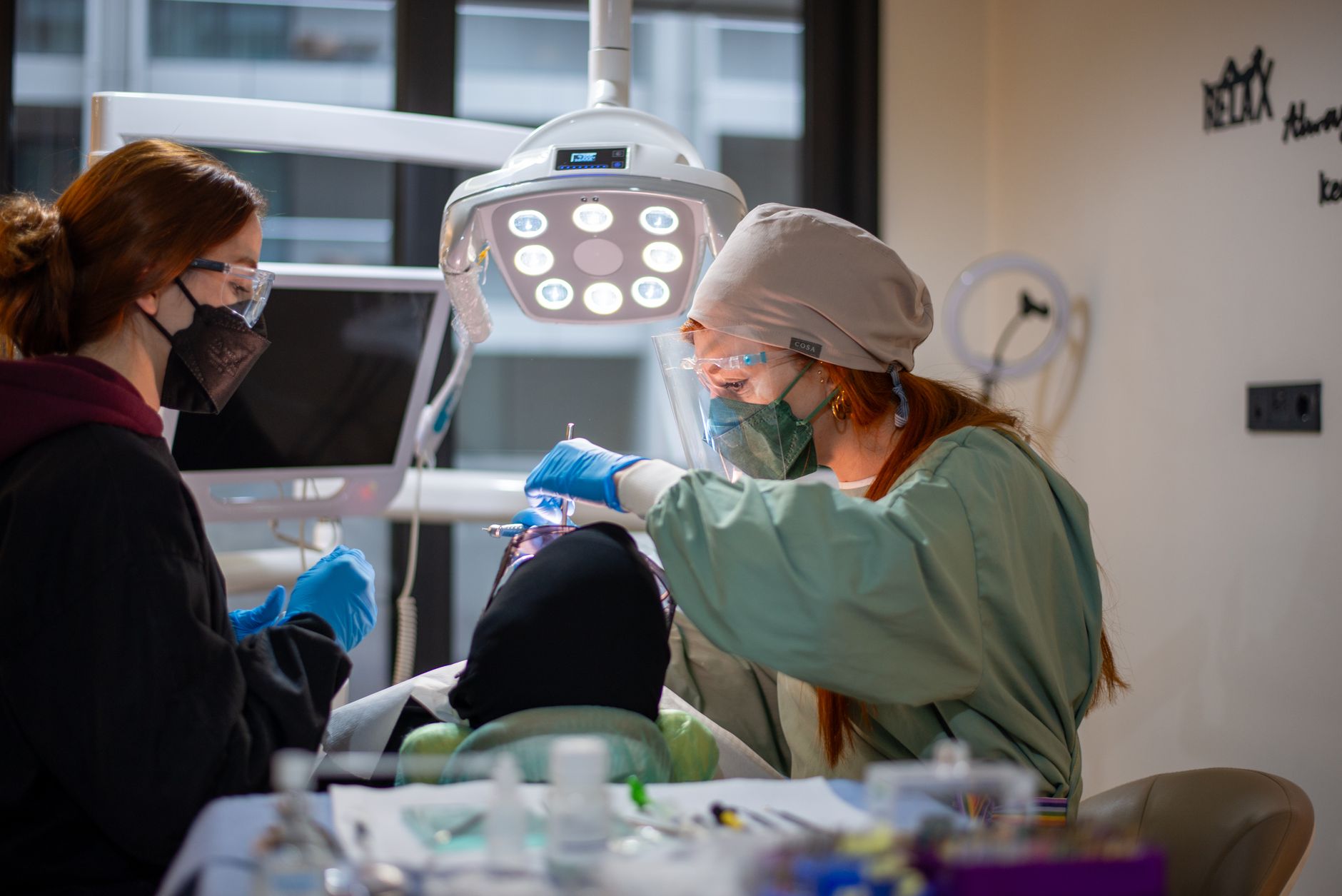
Maria, a 58-year-old teacher from Madrid, had been experiencing shortness of breath and chest pain for months. Her local cardiologist recommended a triple bypass, but the waiting list in Spain was over six months long. Fearful of delaying treatment, she began exploring options abroad. A friend mentioned the reputation of Turkish cardiovascular hospitals, and within weeks, Maria was in Istanbul for a comprehensive evaluation.
At a JCI-accredited hospital, Maria underwent a series of non-invasive tests followed by a coronary angiography. The surgical team, led by a professor with over 20 years of experience, explained the procedure in detail and reassured her about the risks. "They didn't rush me," Maria says. "They answered every question, and I felt truly cared for." The surgery was successful, and she spent five days in the hospital's intensive care unit, where nurses monitored her around the clock.
After discharge, Maria stayed in a nearby hotel for two weeks for follow-up appointments and cardiac rehabilitation. The total cost, including surgery, hospital stay, and hotel, was less than half of what she would have paid in Spain without insurance. More importantly, she returned home healthy and grateful. "Türkiye gave me a second chance," she says. "I will forever be thankful."
Dental Makeovers: Liam's Smile Transformation
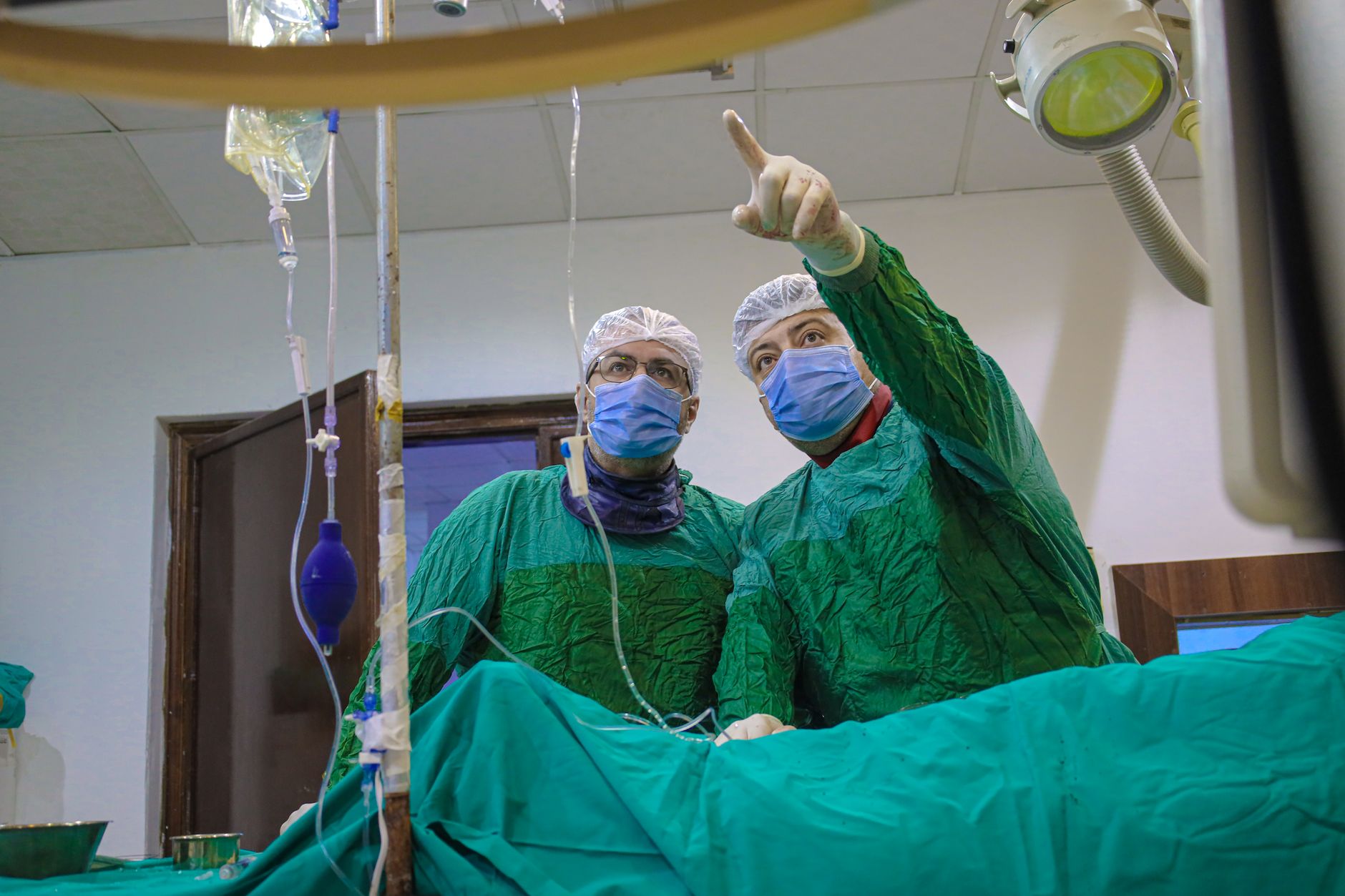
Liam, a 35-year-old software engineer from Dublin, had always been self-conscious about his discolored and slightly crooked teeth. He wanted a smile makeover but was quoted over €15,000 in Ireland. After reading about Turkish dental clinics, he decided to combine a vacation with treatment. He chose a clinic in Antalya that offered a full package: veneers, whitening, and a dental implant for a missing molar.
The process was spread over two visits. During the first trip, Liam had consultations, X-rays, and preparations. The dentist explained the plan using 3D models, ensuring Liam knew exactly what to expect. "They were meticulous," Liam notes. "They even adjusted the shade of the veneers to match my natural teeth perfectly." The second visit, three months later, involved fitting the final restorations. In between, Liam wore temporary teeth and followed a soft diet.
Today, Liam can't stop smiling. His total cost, including flights and a week's stay at a beach resort, was under €5,000. "I got a holiday and a new smile," he laughs. "It was the best decision I ever made." His tip: "Don't rush the process. Choose a clinic that offers a warranty and has a clear aftercare policy."
Bariatric Surgery: Emma's Path to a Healthier Life
Emma, a 45-year-old nurse from Manchester, had struggled with obesity for years. Despite diet and exercise, her weight remained dangerously high, leading to type 2 diabetes and joint pain. She considered bariatric surgery but faced long waits and high costs at home. After extensive research, she opted for a gastric sleeve procedure at a established hospital in Istanbul.
The pre-operative phase included psychological evaluation, nutritional counseling, and a detailed surgical plan. Emma was impressed by the multidisciplinary team, which included an endocrinologist and a dietitian. The surgery was laparoscopic, meaning smaller incisions and faster recovery. She spent three days in the hospital and another ten days in a hotel under the supervision of a nurse who checked on her daily.
One year later, Emma has lost over 40 kilograms. Her diabetes is in remission, and she no longer needs medication for hypertension. "It wasn't just about weight loss," she says. "It was about gaining a future." Emma emphasizes the importance of aftercare: "Follow the diet, take your supplements, and stay in touch with your surgeon. The clinic's follow-up program made all the difference."
Lessons for Aspiring Medical Travelers
These stories share common threads: thorough research, realistic expectations, and a commitment to aftercare. If you're considering treatment in Türkiye, here are key lessons to apply:
- Do your homework: Verify hospital accreditations (JCI, ISO), check surgeon credentials, and read reviews from multiple sources. Look for treatment photographs and patient testimonials.
- Communicate openly: Discuss your medical history, allergies, and expectations with your healthcare provider. Use a translator if needed—most clinics provide free language support.
- Plan for aftercare: Understand the follow-up protocol, including virtual consultations and local doctor referrals in your home country. Ensure you have a contact person for emergencies.
- Budget beyond the procedure: Factor in flights, accommodation, meals, and potential complications. Many clinics offer all-inclusive packages, but read the fine print.
- Allow time for recovery: Don't schedule sightseeing immediately after surgery. Rest and follow your doctor's orders to ensure optimal healing.
By approaching medical travel with the same diligence as any major life decision, you can maximize your chances of a successful outcome and a positive experience.
The Warmth of Turkish Hospitality in Healthcare
Beyond the clinical excellence, what often surprises patients most is the warmth of Turkish hospitality. From the moment they land, patients are greeted with genuine care—whether it's a nurse offering çay (Turkish tea) after a procedure or a coordinator helping with hotel check-in. This cultural emphasis on hospitality, known as "misafirperverlik," transforms a medical trip into a healing journey.
Many hospitals invest in patient experience teams who speak multiple languages and understand the emotional toll of traveling for care. They organize city tours for accompanying family members, provide nutritious Turkish meals tailored to dietary needs, and even arrange for post-operative patients to enjoy gentle walks in serene hospital gardens. This holistic approach addresses not just the body, but the mind and spirit.
It's this combination of medical expertise and human connection that leaves patients recommending Türkiye to friends and family. As Maria puts it: "I came for surgery, but I left with a piece of my heart in Istanbul."
Thinking about treatment in Turkey?
Send us a question about this site or about the information published on it. This is a publisher's mailbox, not a medical service and not a route to a particular provider — for clinical questions, contact your own doctor.