

A Maturing Transplant and Advanced Surgery Landscape
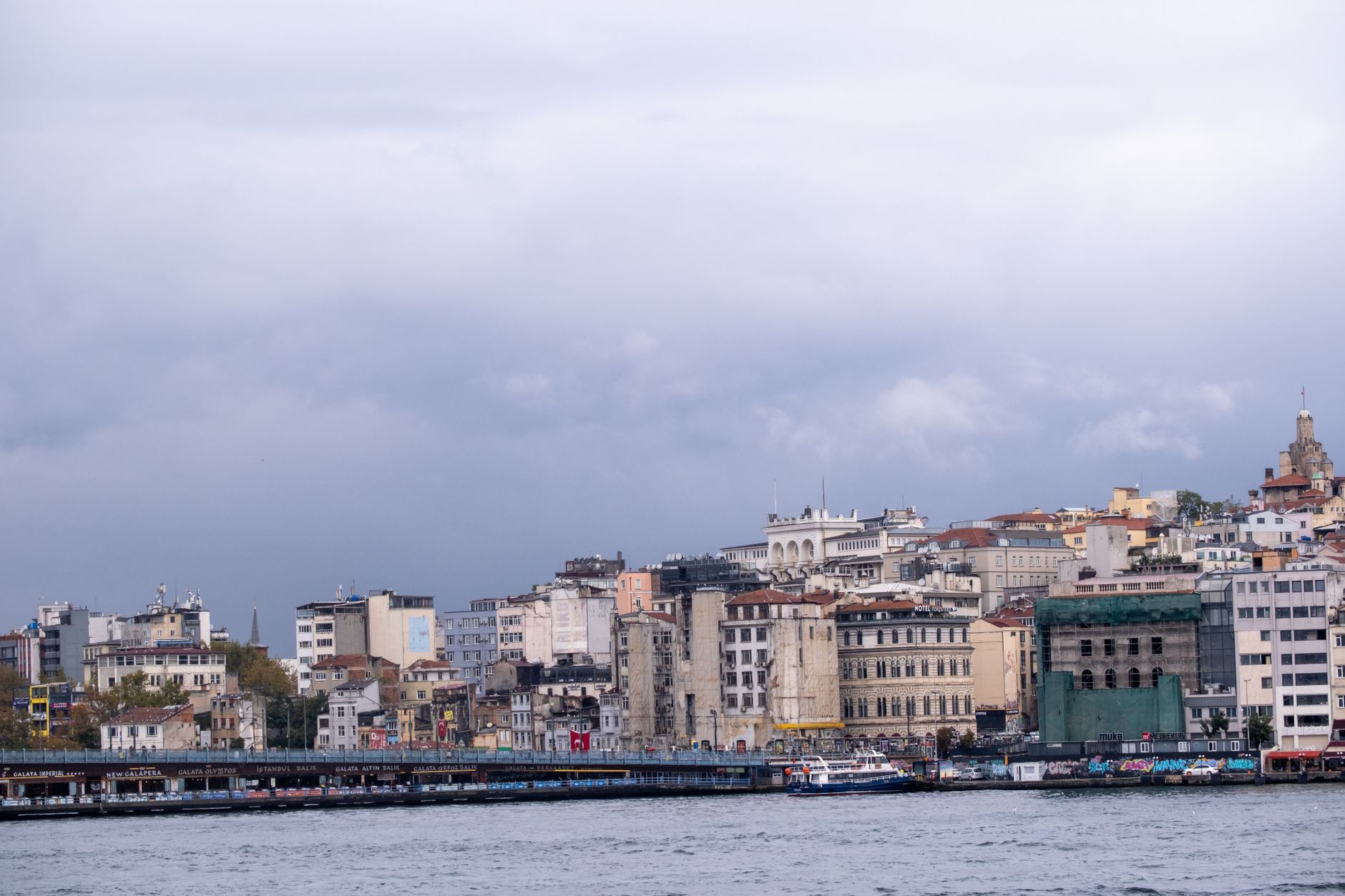
Türkiye's transplant and advanced surgery centres are marking a new phase in their development, with hospitals in Istanbul, Ankara and Izmir reporting programme milestones that reflect years of steady investment in surgical teams, operating theatres and post-operative care. These milestones are best read as indicators of institutional experience rather than as promises about any individual patient's result.
The country has a long-established culture of organ transplantation, supported by a national organ-sharing framework and a network of accredited hospital programmes. Advanced surgery centres have developed alongside this foundation, covering fields such as cardiac surgery, hepatobiliary procedures, orthopaedics and reconstructive surgery.
For international patients, the significance lies in what these milestones represent: teams that have performed a high volume of procedures, protocols refined over time, and facilities equipped to manage complex cases and their follow-up.
What the Milestones Reflect
Recent announcements from Turkish centres have focused on cumulative experience — growing numbers of transplant procedures, expanded multidisciplinary teams and investments in intensive care capacity and diagnostic technology. Such figures are typically audited internally and reported by the institutions themselves.
Volume matters in complex surgery because repetition builds consistency in surgical technique, anaesthesia management and complication handling. It also supports the training of junior surgeons and the maintenance of round-the-clock cover in critical care units.
Patients should note that programme-level milestones describe a hospital's overall activity. They do not predict outcomes for a specific diagnosis, and individual results depend on many factors, including age, comorbidities and the stage of disease.
Specialised Expertise Across Disciplines
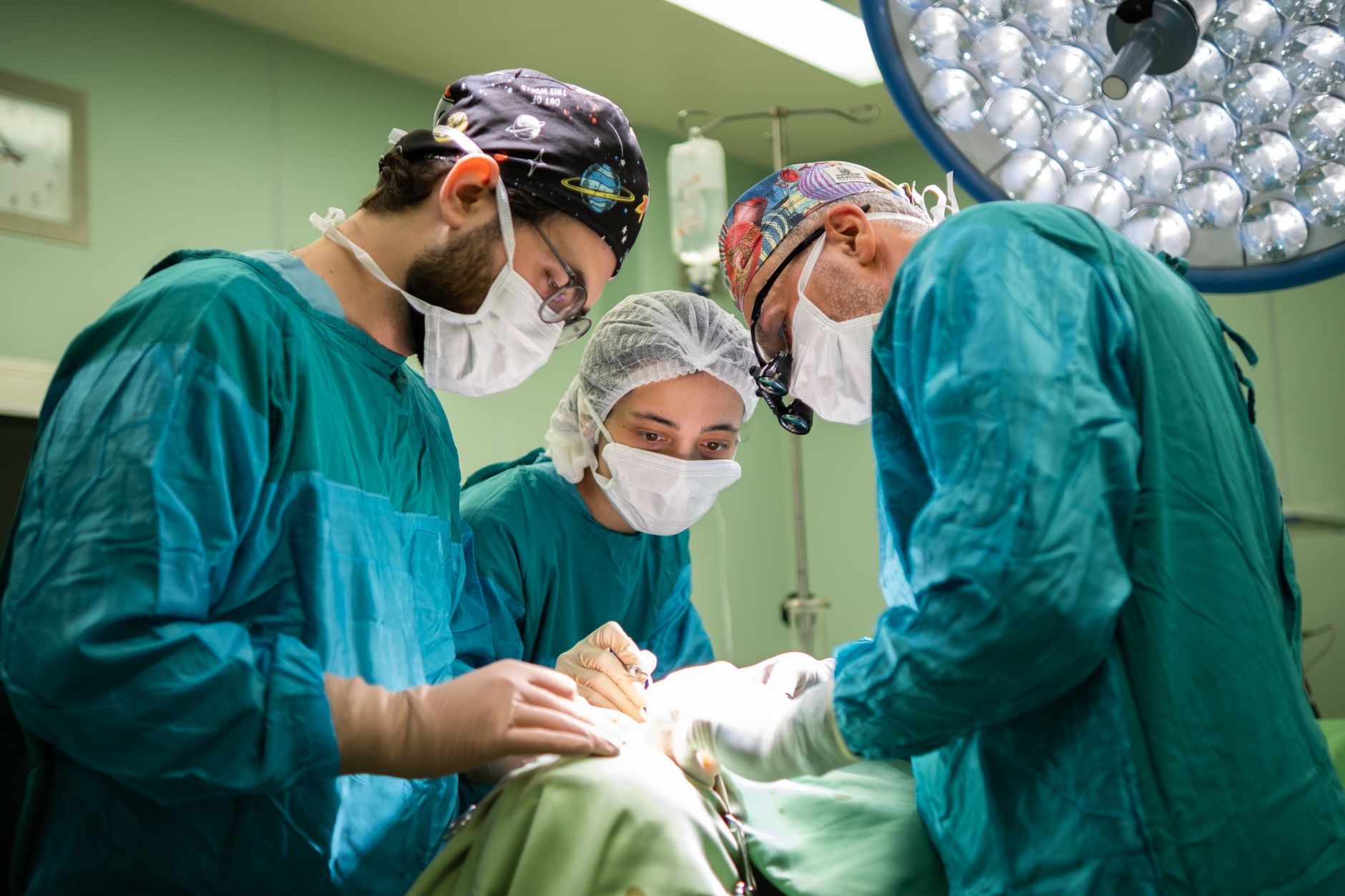
Transplant and advanced surgery programmes in Türkiye are typically organised around multidisciplinary teams. A liver transplant service, for example, may involve transplant surgeons, hepatologists, anaesthesiologists, interventional radiologists, intensive care specialists and dedicated nurses working from a shared protocol.
This team-based structure is one of the clearest benefits for patients travelling from abroad. Complex decisions — whether surgery is appropriate, which technique to use, and how to manage immunosuppression or rehabilitation — are made collectively rather than by a single clinician.
Many centres also maintain specialised units for paediatric transplantation, living-donor programmes and minimally invasive approaches, allowing patients to be matched with the team whose experience best fits their condition.
Modern Facilities and Supporting Infrastructure
Milestones in advanced surgery depend on infrastructure as much as on surgical skill. Turkish hospitals serving international patients commonly feature modern operating theatres, advanced imaging such as CT and MRI, on-site laboratory services and dedicated intensive care units.
Several institutions hold international accreditation, and many provide multilingual coordination teams, international patient departments and assistance with travel and accommodation logistics. These services are designed to reduce the practical burden of treatment abroad.
Patients are encouraged to ask specific questions about facilities relevant to their procedure — for example, the availability of extracorporeal support, infection-control practices, or the ratio of intensive care beds to surgical cases.

Follow-Up Care and Continuity
Comprehensive follow-up is a defining feature of well-organised transplant and advanced surgery programmes. For transplant recipients, this means structured monitoring of organ function, immunosuppressive medication and infection risk, often coordinated between the Turkish centre and the patient's home physicians.
Many hospitals offer remote consultations and shared care arrangements after discharge, so that routine checks can take place locally while the surgical team remains involved in key decisions. Clear communication between the two sides is essential.
Patients should confirm in advance how follow-up will work in their home country, what records will be provided, and who to contact in case of concerns after returning home.
What International Patients Should Consider
Türkiye's surgical milestones are a useful signal of experience and capacity, but choosing a centre remains an individual decision. Patients should verify the hospital's accreditation status, the credentials and case experience of the specific surgical team, and the availability of care for their particular condition.
It is also important to discuss realistic expectations. Every operation carries risk, and outcomes vary. A candid conversation with the treating team about benefits, alternatives and potential complications is a better guide than headline figures alone.
With careful preparation, transparent communication and a clear follow-up plan, patients considering transplant or advanced surgery in Türkiye can make informed choices grounded in the country's growing institutional expertise.
Thinking about treatment in Turkey?
Send us a question about this site or about the information published on it. This is a publisher's mailbox, not a medical service and not a route to a particular provider — for clinical questions, contact your own doctor.