

When most people think of medical travel to Türkiye, they picture summer: sunny beaches, bustling bazaars, and packed clinics. But here’s an insider tip that seasoned patients and coordinators know well — the cooler months, from October through March, are actually the ideal time for treatment and recovery. With fewer crowds, easier access to top specialists, and mild weather that’s perfect for rest, winter offers a quieter, more attentive medical journey. And despite any seasonal myths, Turkish hospitals maintain full staffing, advanced technology, and unwavering quality all year round. In this post, we’ll explore why winter might just be the best-kept secret in medical tourism.
Calmer Clinics, More Attention
During the summer high season, Türkiye’s leading hospitals and clinics buzz with international patients. While that energy is exciting, it also means waiting rooms are fuller, appointment slots are tighter, and staff — though always professional — juggle more cases simultaneously.
In autumn and winter, the pace slows. You’ll find shorter wait times, more flexible scheduling, and a noticeably more relaxed atmosphere. This translates into more one-on-one time with your surgeon, more thorough pre-op consultations, and a greater sense of personal care. Many patients report that winter visits feel like having a private medical team dedicated just to them.
“In summer, I sometimes have to squeeze consultations between surgeries,” says Dr. Elif Kaya, a plastic surgeon in Istanbul. “In winter, I can sit with a patient for an hour, answer every question, and plan meticulously. That difference matters.”
Easier Appointments with Top Specialists
Turkey’s most renowned doctors — from cardiologists to orthopedic surgeons to hair transplant experts — often have months-long waiting lists during peak season. Winter changes that equation.
Because demand from international patients drops in the cooler months, you can often secure appointments with professors, department heads, and award-winning specialists who might otherwise be fully booked. This is especially valuable for complex procedures or second opinions where you want the very best in the field.
Additionally, many hospitals offer more attractive packages and faster turnarounds on scheduling in winter, as they aim to keep their operating rooms and beds efficiently utilized. For patients, that means premium care without the premium wait.
Whether you’re considering a hair transplant, dental work, bariatric surgery, or a joint replacement, winter gives you a strategic advantage in accessing elite expertise.
Pleasant Weather for Recovery
Recovery is as much about environment as it is about medical skill. Türkiye’s winter climate — particularly in Istanbul, Antalya, and Izmir — is mild and forgiving, especially compared to the scorching heat of July and August.
Think about it: after surgery, you don’t want to sweat through bandages, battle dehydration, or avoid going outside because of intense sun. Cooler temperatures reduce inflammation, lower infection risks, and make it far more comfortable to rest. You can enjoy gentle walks along the Bosphorus, sit in a peaceful hotel garden, or simply sleep better without air conditioning blasting.
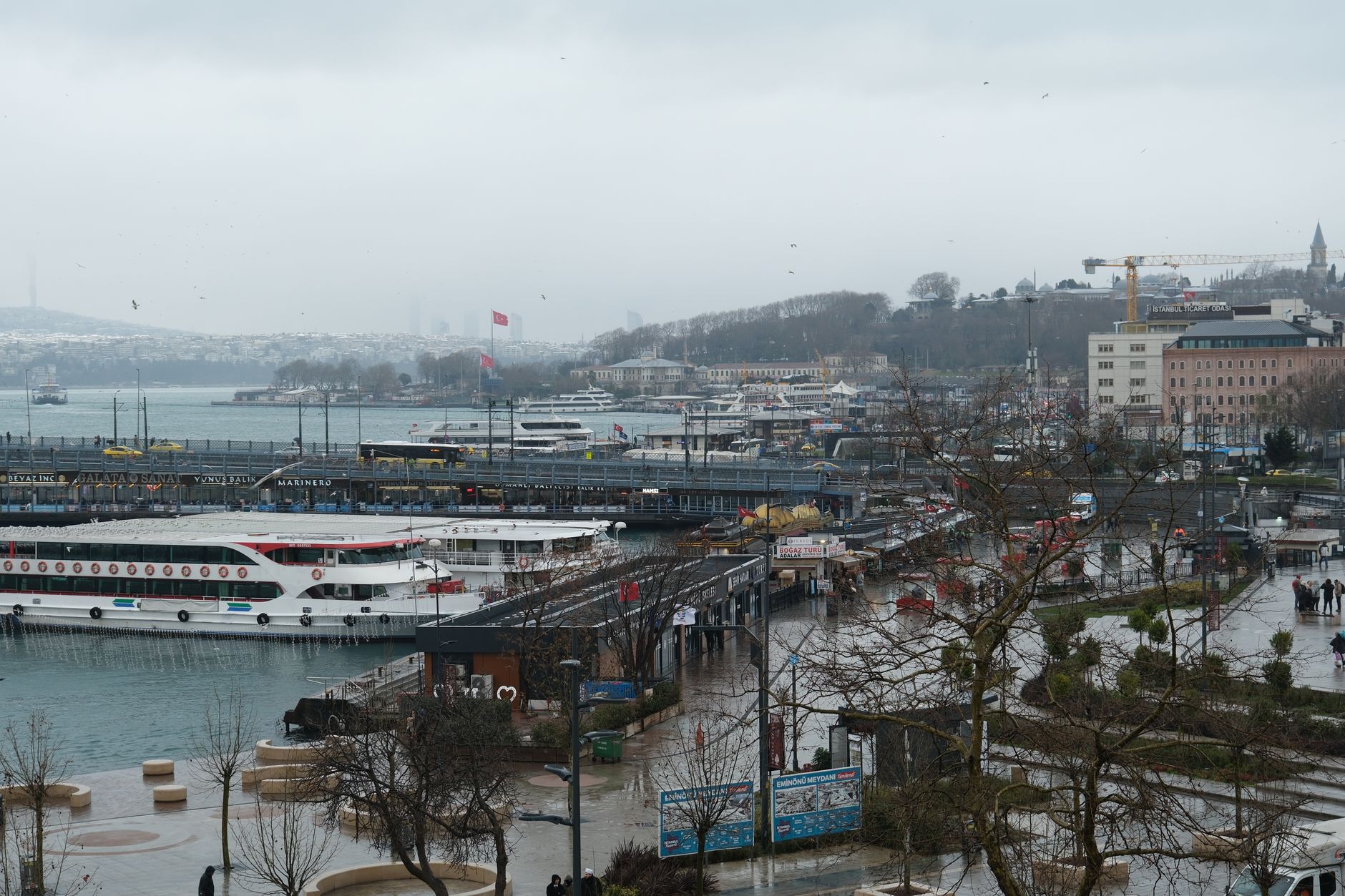
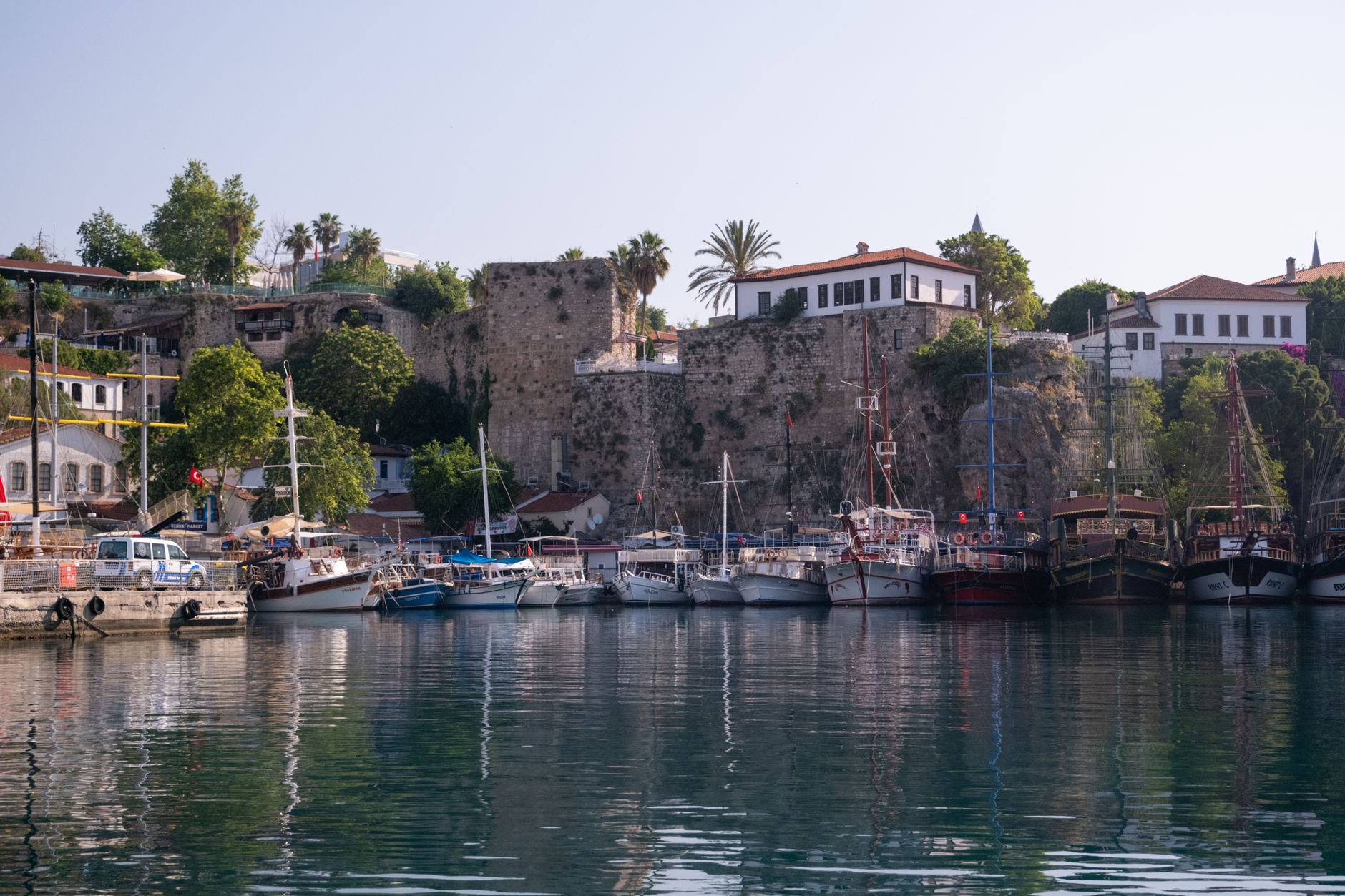
In regions like Antalya, daytime winter temperatures often hover around 15–18°C (59–64°F) — ideal for strolling the old town or sipping tea by the sea. Even in Istanbul, the crisp air and occasional light rain add a cozy charm that encourages relaxation rather than exertion.
Many recovery hotels and aftercare centers also offer special winter wellness programs, including nutritious Turkish cuisine, light physiotherapy, and guided relaxation, all tailored to post-operative needs.
Full Staffing and Technology Year-Round
A common misconception is that hospitals operate with skeleton crews in winter. Nothing could be further from the truth.
Turkey’s accredited hospitals — many with JCI certification — are fully staffed 365 days a year. Surgeons, anesthesiologists, nurses, and technicians work regular schedules regardless of season. In fact, because winter is less crowded, the staff-to-patient ratio often improves, meaning you get even more attentive care.
Technology is equally unaffected. Advanced imaging equipment (MRI, CT, PET), robotic surgery systems, and modern operating theaters are maintained and upgraded continuously. There is no “seasonal downgrade” in Turkish healthcare. The same world-class standards that draw millions of medical travelers annually are present in January just as in June.
Moreover, many hospitals use the quieter winter months to conduct training programs and equipment upgrades, ensuring that by the time you arrive, everything is cutting-edge.
Cost Advantages and Availability
While medical procedures in Türkiye are already affordable compared to Western Europe and the US, winter can bring additional savings. Flights and hotels are significantly cheaper outside the summer peak, and some clinics offer seasonal promotions to attract patients.
You’ll also find more availability for combined treatment-and-recovery packages that include accommodation, transfers, and aftercare. These packages are often customizable and can be booked with shorter lead times.
For budget-conscious patients, the winter window means you can allocate more of your budget to the procedure itself or to a higher standard of accommodation, rather than paying inflated summer prices.
Enjoying Türkiye in Winter
Medical travel doesn’t have to be all hospitals and rest. Türkiye in winter offers a rich cultural experience with fewer tourists.
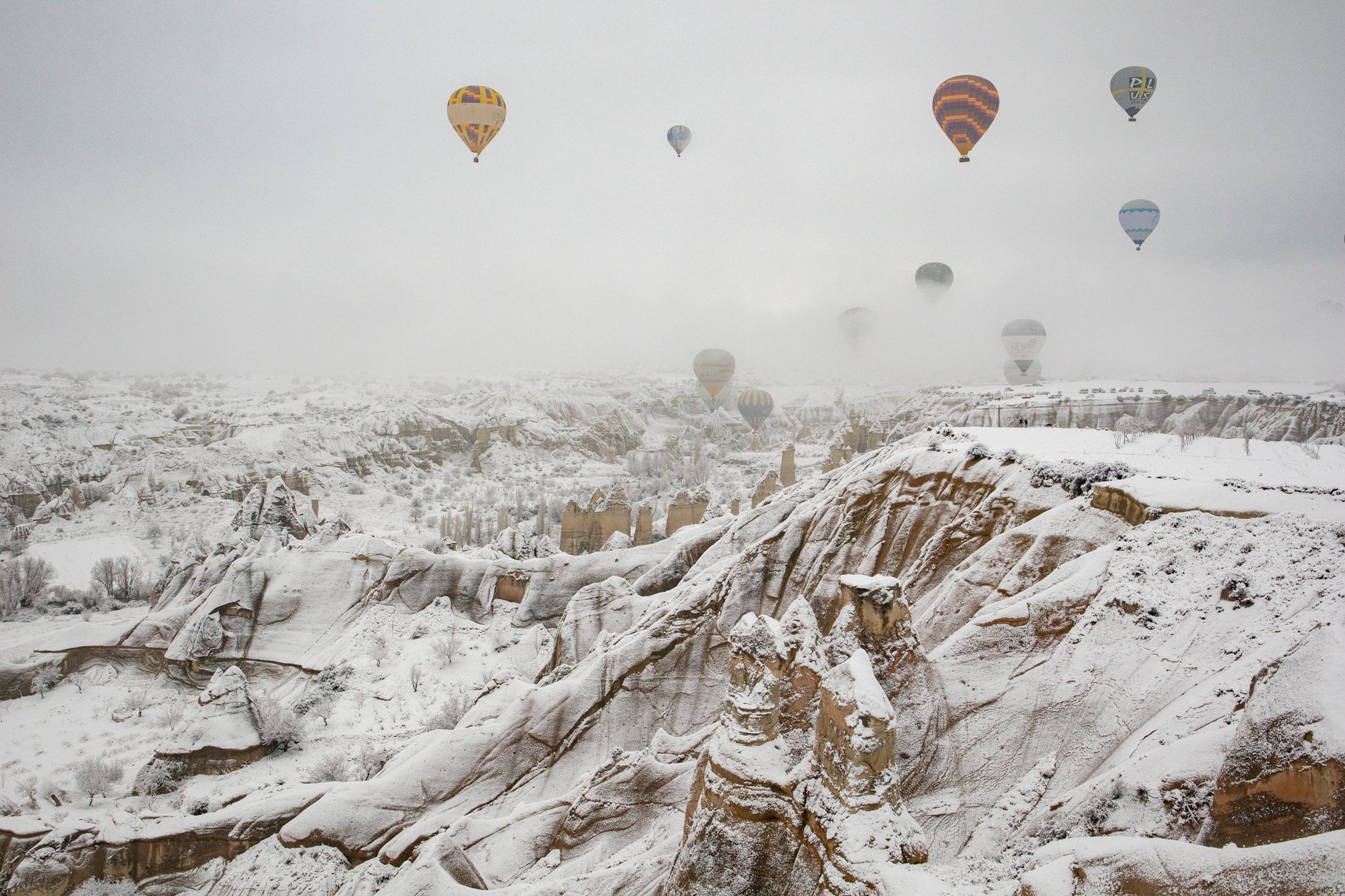
In Istanbul, you can explore the Hagia Sophia, Topkapi Palace, and the Grand Bazaar without the crushing crowds. The city’s cozy cafés serve warming salep and rich Turkish coffee. In Cappadocia, the fairy chimneys dusted with snow create a magical landscape — and hot air balloons still fly on clear days. Antalya’s beaches are quiet, perfect for gentle walks, while Izmir’s markets brim with winter citrus and fresh seafood.
For those further along in recovery, a day trip to a hammam or a peaceful thermal spa can be wonderfully therapeutic. Always check with your doctor first, but many traditional Turkish baths offer gentle, restorative experiences.
Even a short stroll through a neighborhood pazar (market) or a visit to a museum can lift your spirits and aid recovery — without the exhaustion of summer heat.
Practical Tips for a Winter Medical Journey
To make the most of your winter medical trip, keep these tips in mind:
- Pack layers: Weather can vary; bring comfortable, loose clothing that’s easy to remove for appointments.
- Stay hydrated: Indoor heating can dry you out; drink plenty of water and use lip balm.
- Plan light activities: Schedule cultural visits for mornings or early afternoons when it’s warmer.
- Confirm your appointments: Even though it’s quieter, double-check dates and times, especially around holidays like New Year.
- Choose recovery-friendly accommodation: Look for hotels near your hospital with good heating, room service, and quiet rooms.
Also, consider travel insurance that covers medical complications and winter weather delays. While rare, snow in Istanbul can occasionally disrupt transport — though it’s also beautiful.
In short, Türkiye’s winter medical travel season offers a rare combination: top-tier care, reduced crowds, personalized attention, and a comfortable climate for healing. If you’re planning a procedure and have flexibility, consider the cooler months. You might find that the quieter season is exactly what your recovery needs.
Thinking about treatment in Turkey?
Send us a question about this site or about the information published on it. This is a publisher's mailbox, not a medical service and not a route to a particular provider — for clinical questions, contact your own doctor.