

A Beacon of Hope in Modern Medicine
For patients facing end-stage organ failure, the search for a transplant centre that combines surgical excellence, ethical integrity, and genuine human compassion can feel overwhelming. Türkiye has emerged as a global beacon of hope in this field, offering international patients access to some of the world's most advanced transplant programmes. With a network of accredited hospitals, multidisciplinary surgical teams, and state-of-the-art intensive care units, Türkiye is redefining what it means to receive life-restoring care abroad.
What sets Turkish transplant centres apart is not only their clinical outcomes but also their unwavering commitment to patient dignity. Every step of the journey—from the first enquiry to decades of follow-up monitoring—is guided by dedicated coordinators who understand the physical and emotional complexities of transplantation. In a landscape where ethical standards vary widely, Türkiye's regulated framework provides the transparency and security that international patients and their families deserve.
In this article, we explore why Türkiye has become a trusted destination for organ transplantation, how its medical teams deliver life-changing results, and what the practical pathway looks like for overseas patients considering treatment.
Why Türkiye Leads in Transplant Medicine
Türkiye's ascent in transplant medicine is the result of decades of investment in healthcare infrastructure, medical education, and international collaboration. The country now hosts some of the highest-volume transplant centres in Europe and the Middle East, performing thousands of kidney, liver, heart, and bone marrow transplants annually. This high volume translates directly into expertise: surgeons who perform hundreds of procedures each year refine their techniques and manage complications with a level of skill that is difficult to match.
Beyond surgical volume, Turkish centres benefit from a deeply integrated approach to care. Transplant teams include transplant surgeons, hepatologists, nephrologists, cardiologists, infectious disease specialists, immunologists, and specialised nurses who work together under one roof. This multidisciplinary model ensures that every aspect of a patient's health is considered, from pre-transplant evaluation to post-operative immunosuppression management.
Another key advantage is technology. Turkish hospitals invest continuously in advanced diagnostic imaging, minimally invasive surgical tools, and modern ICU equipment. For transplant patients, this means more precise surgery, faster recovery times, and better management of potential complications. The result is a level of care that rivals—and in some cases exceeds—what patients might find in their home countries, often at a fraction of the cost.
An Ethical and Regulated Framework You Can Trust
Ethical practice is the cornerstone of Türkiye's transplant success. The country operates under a strict legal framework that aligns with international standards set by the World Health Organization and the Declaration of Istanbul. Organ trafficking and transplant tourism are explicitly prohibited, and all donations must be voluntary, altruistic, and legally documented. This commitment to ethics protects both donors and recipients, ensuring that every transplant is conducted with full transparency and respect for human rights.
Turkish transplant centres are subject to rigorous oversight by the Ministry of Health and national transplant registries. Hospitals must meet specific criteria to perform transplants, including maintaining dedicated transplant units, adhering to infection control protocols, and reporting outcomes to national databases. For international patients, this regulatory environment provides peace of mind: you are not entering a grey market but a well-governed medical system with clear accountability.
Moreover, the ethical framework extends to how patients are selected and prioritised. Transplant committees evaluate each case based on medical urgency, compatibility, and ethical considerations, not financial incentives. International patients receive the same standard of ethical review as local patients, ensuring fairness and integrity throughout the process.
The Multidisciplinary Team Behind Every Successful Transplant
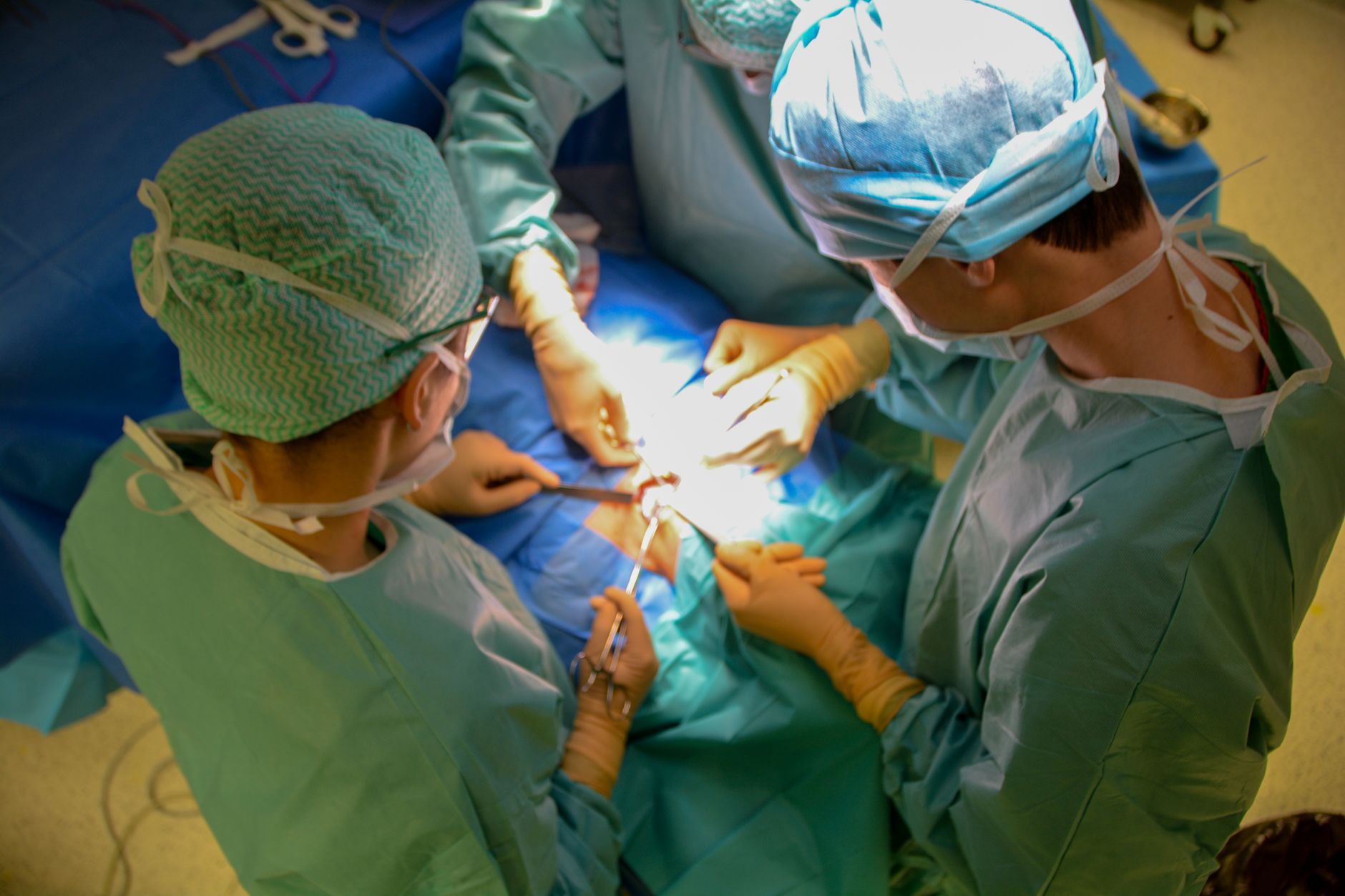
A successful transplant is never the work of a single surgeon. It is the result of a coordinated effort by a multidisciplinary team that includes specialists from numerous fields. In Turkish transplant centres, this team approach is embedded in every stage of care. The transplant surgeon leads the operation, but is supported by anaesthesiologists, perfusionists, and specialised nurses who ensure the procedure is as safe as possible.
Before surgery, hepatologists, nephrologists, or cardiologists assess the patient's organ function and overall health, while immunologists determine the best immunosuppression strategy to prevent rejection. Psychologists and psychiatrists evaluate the patient's mental readiness and provide support for the emotional challenges that accompany transplantation. Dietitians, physiotherapists, and social workers contribute to rehabilitation planning, ensuring that recovery is holistic.
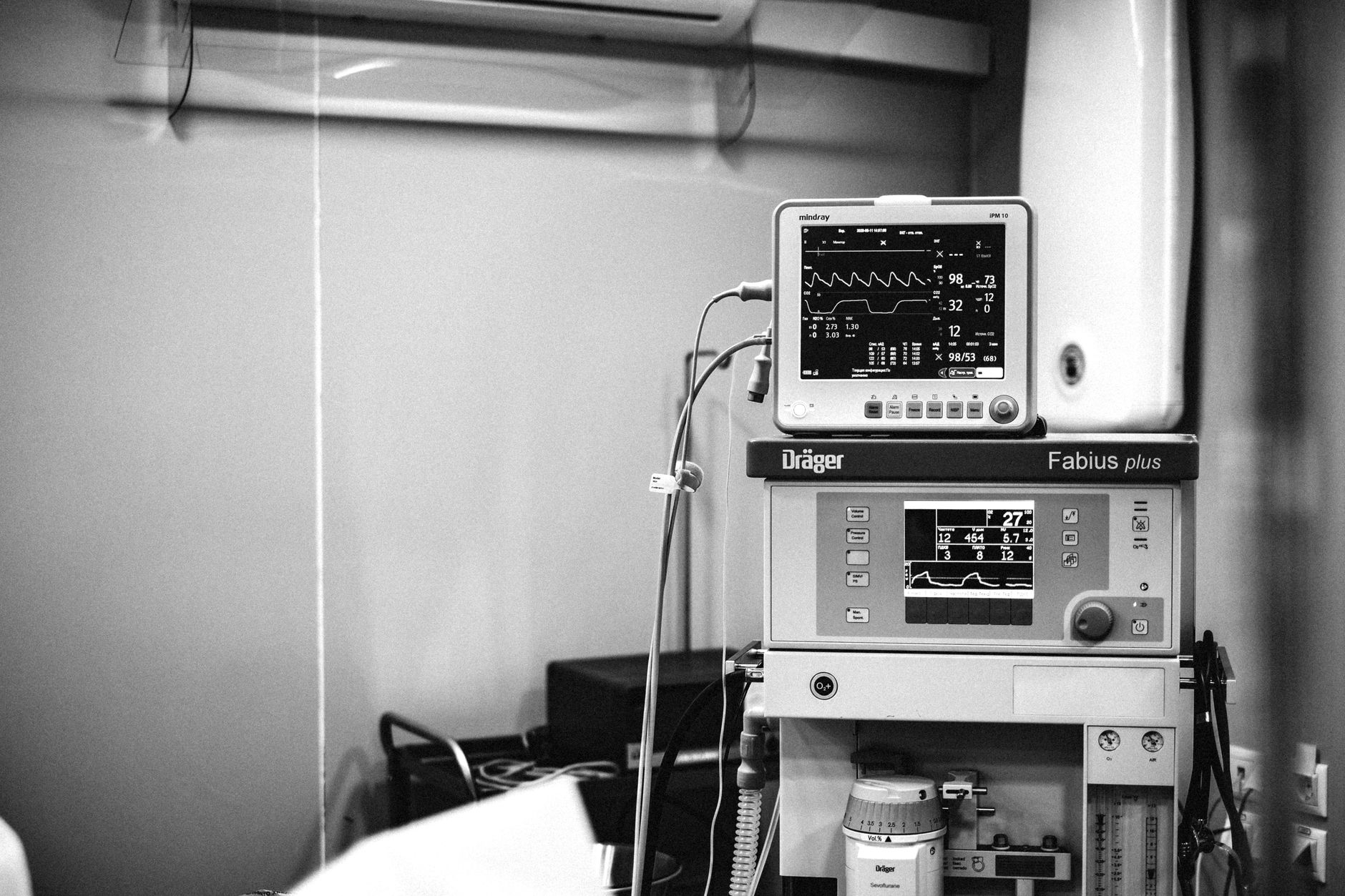
After surgery, intensivists and critical care nurses monitor the patient in a modern ICU equipped with advanced life-support systems. Infectious disease specialists watch for signs of infection, while pharmacists manage complex medication regimens. This level of specialisation and teamwork is why Turkish transplant centres achieve survival rates comparable to the world's best institutions.
The Practical Pathway: From First Enquiry to Long-Term Monitoring
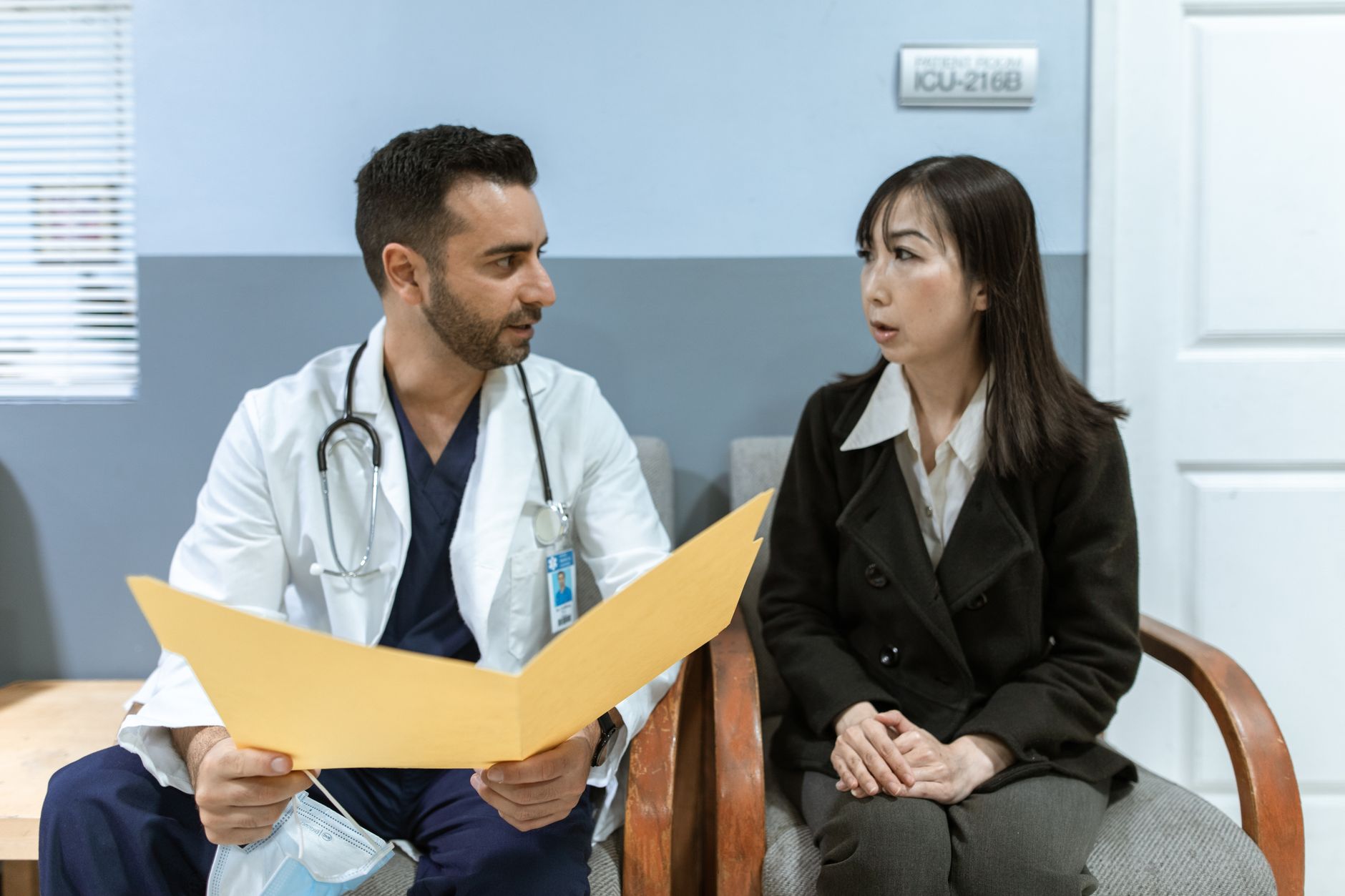
For international patients, the journey begins with a simple enquiry. Most Turkish transplant centres have dedicated international patient coordinators who respond promptly and guide you through the initial steps. You will be asked to provide medical records, imaging, and laboratory results, which are reviewed by the transplant team to determine whether you are a suitable candidate. This evaluation is thorough and may take several days, but it ensures that no time or resources are wasted on inappropriate cases.
If you are accepted as a candidate, the coordinator will help you plan your travel, arrange accommodation, and schedule appointments. Upon arrival in Türkiye, you will undergo a comprehensive in-person evaluation, including blood tests, imaging, and consultations with various specialists. If a living donor is involved—such as a spouse or sibling—they will also undergo rigorous medical and psychological assessments to ensure that donation is safe and voluntary. Legal documentation is completed with the assistance of hospital legal teams and notary services.
Once the transplant is performed, you will remain in the hospital for a period of recovery and monitoring. Before discharge, your medical team will provide detailed instructions on medications, diet, and activity restrictions. Follow-up care is structured and proactive: you will have regular appointments with your transplant team, either in person or via telemedicine, to monitor organ function and adjust medications. Many centres offer long-term monitoring programmes that extend for years, ensuring that you receive continuous support even after you return home.
Modern ICU Care and Rehabilitation: The Keys to Life-Restoring Outcomes
The success of a transplant is not measured only by the surgery itself but by the quality of post-operative care. Turkish hospitals boast modern intensive care units with advanced monitoring systems, ventilators, and dialysis machines. These ICUs are staffed by highly trained intensivists and nurses who specialise in transplant care, providing round-the-clock attention during the critical early days after surgery.
Rehabilitation begins as soon as the patient is stable. Physiotherapists help patients regain strength and mobility, while respiratory therapists work to prevent lung complications. Nutritional support is tailored to each patient's needs, promoting healing and immune function. Psychological support is also available, helping patients cope with the emotional ups and downs of recovery.
This comprehensive approach leads to life-restoring outcomes. Patients who were once confined by organ failure can return to work, travel, and enjoy time with their families. The transformation is not just medical but deeply personal—a second chance at life made possible by skilled hands and compassionate hearts.
Conclusion: A Trusted Partner in Your Transplant Journey
Türkiye's transplant centres have earned the trust of international patients by combining surgical excellence, ethical integrity, and patient-centred care. With multidisciplinary teams, modern ICUs, and a regulated framework that prioritises safety and transparency, Türkiye offers a pathway to life-restoring treatment that is both effective and compassionate.
If you are considering organ transplantation abroad, Turkish centres stand ready to guide you from your first enquiry to long-term monitoring. With dedicated coordinators by your side, you can focus on what matters most: your health and your future. Reach out today to begin your journey toward renewed life.
Thinking about treatment in Turkey?
Share your contact details and a verified doctor will follow up with a plan built around you — free, no obligation.