

Why Antalya Is a Smart Base for Vein Treatment
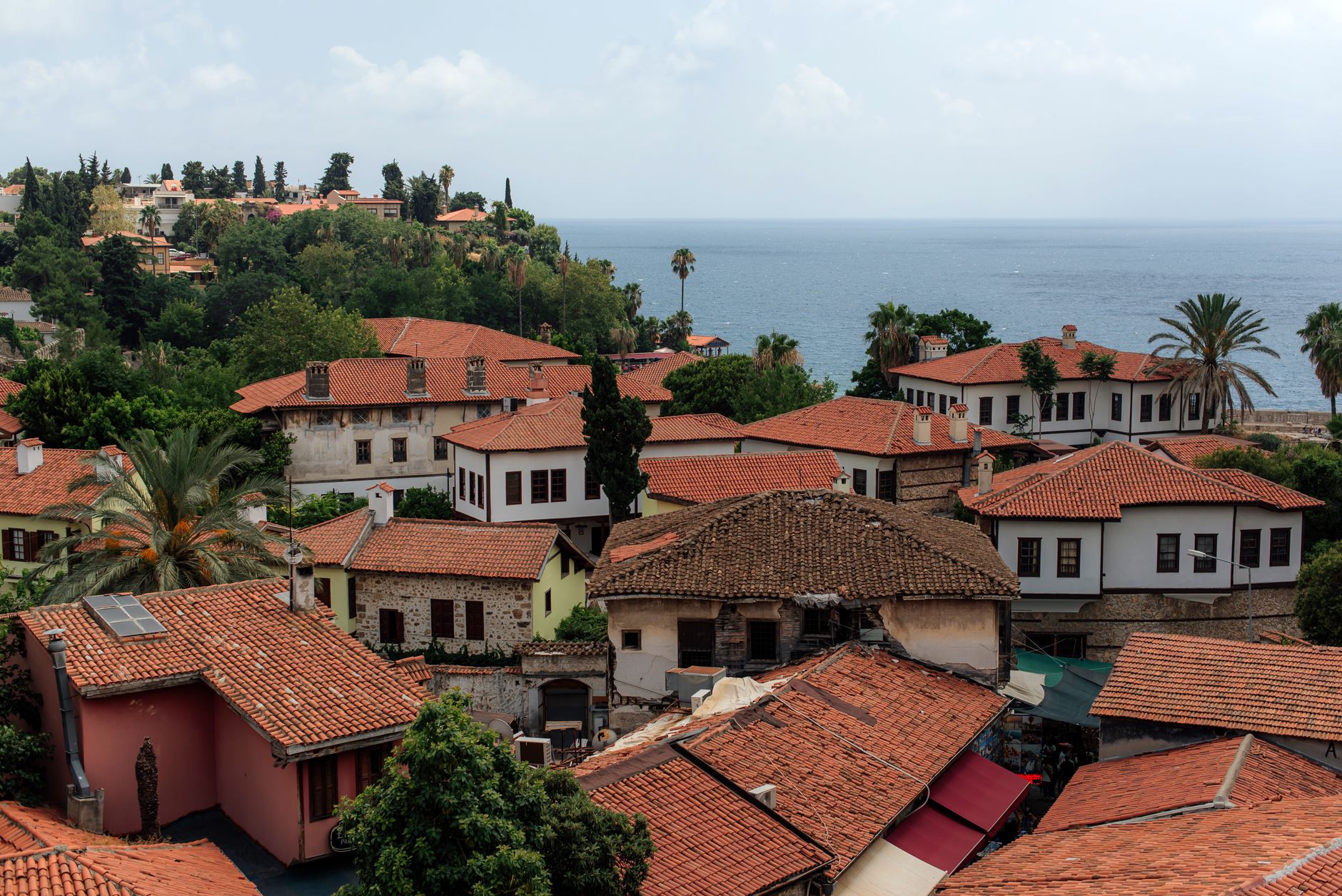
Antalya has quietly become one of the Mediterranean's most practical destinations for aesthetic phlebology — the branch of vein care focused on how legs look and feel as much as how they function. The city combines modern private clinics, English-speaking specialists and a climate that makes recovery genuinely pleasant: warm, dry summers, sea air and plenty of shaded promenades for gentle walks.
For travellers, the appeal is simple. Varicose vein procedures such as endovenous laser ablation, radiofrequency ablation and foam sclerotherapy are minimally invasive, usually performed under local anaesthesia, and typically take well under two hours per session. That means treatment can fit into a holiday rather than replacing it — provided you plan sensibly and follow your clinician's aftercare advice.
It is worth being clear about what these treatments are not. They are not a cosmetic quick fix with zero downtime, and they are not a substitute for a proper duplex ultrasound assessment. What they are is a well-established, evidence-based set of options for varicose veins and smaller spider veins, offered by many Antalya clinics in a calm, tourist-friendly setting. If you approach it with realistic expectations, the combination of effective care and a Mediterranean backdrop can be genuinely rewarding.
How the Main Treatments Actually Work
Endovenous Laser Ablation (EVLA)
Endovenous laser treatment is one of the most common approaches for larger varicose veins, particularly when the underlying problem is an incompetent great or small saphenous vein. Under ultrasound guidance, a thin fibre is inserted into the vein through a tiny puncture — usually at the knee or ankle — and laser energy is delivered along the vein wall. The heat seals the vein shut, and blood naturally reroutes through healthier deep veins.
Most patients describe EVLA as a series of brief warm sensations rather than pain, since the area is numbed with local anaesthetic. Afterward, you will typically wear compression stockings for a period advised by your clinic and be encouraged to walk regularly. Bruising along the treated vein is normal and generally fades over two to four weeks.
Radiofrequency Ablation (RFA)
Radiofrequency ablation works on the same principle as EVLA but uses controlled radiofrequency energy delivered through a catheter to heat and close the vein. Many clinicians find RFA particularly comfortable for patients because the heat is applied in short, precisely controlled segments. The preparation, aftercare and recovery pattern are broadly similar to laser treatment: a walk-in, walk-out procedure with compression stockings and a strong emphasis on mobilising early.
Foam Sclerotherapy
For smaller varicose veins and spider veins, foam sclerotherapy is often the treatment of choice. A sclerosant foam is injected into the vein, irritating the lining so the vessel collapses and is gradually absorbed by the body. It is quick, requires no incisions, and is frequently used alongside thermal ablation to tidy up residual veins once the main problem has been addressed.
Foam sclerotherapy usually needs more than one session for best results, spaced a few weeks apart. Your clinic can advise whether a single session during your trip is realistic or whether a follow-up at home makes more sense. Compression stockings after treatment are standard, and gentle daily walking is encouraged from the same day.
Planning Treatment Early in Your Trip
The single most useful piece of advice for combining vein treatment with a holiday is this: schedule your procedure early in your stay, leaving the remaining days for low-key enjoyment rather than sightseeing marathons. A typical plan looks like this — arrive, settle in, attend a consultation and duplex ultrasound scan, then have treatment on day two or three at the latest, keeping the final days for relaxed walks, café terraces and swimming-free sunbathing if your clinician advises it.
Book your consultation before you travel. Many Antalya clinics offer online pre-assessments where you can share photos and medical history, which helps them estimate the number of sessions needed and confirm whether you are a suitable candidate. Ask in advance about language support, written aftercare instructions, and what happens if you need a follow-up once you are back home.
Allow yourself a buffer day after treatment. Even though most people return to normal activities quickly, it is wise not to book a long boat tour or a mountain excursion for the day after your procedure. Compression stockings, walking and rest with legs elevated should be your priorities for the first 24 to 48 hours.
Think of treatment as the first chapter of your holiday, not the last — the days afterward are when gentle movement and warm Mediterranean air work in your favour.
What Recovery Really Feels Like — and How to Enjoy Antalya Anyway
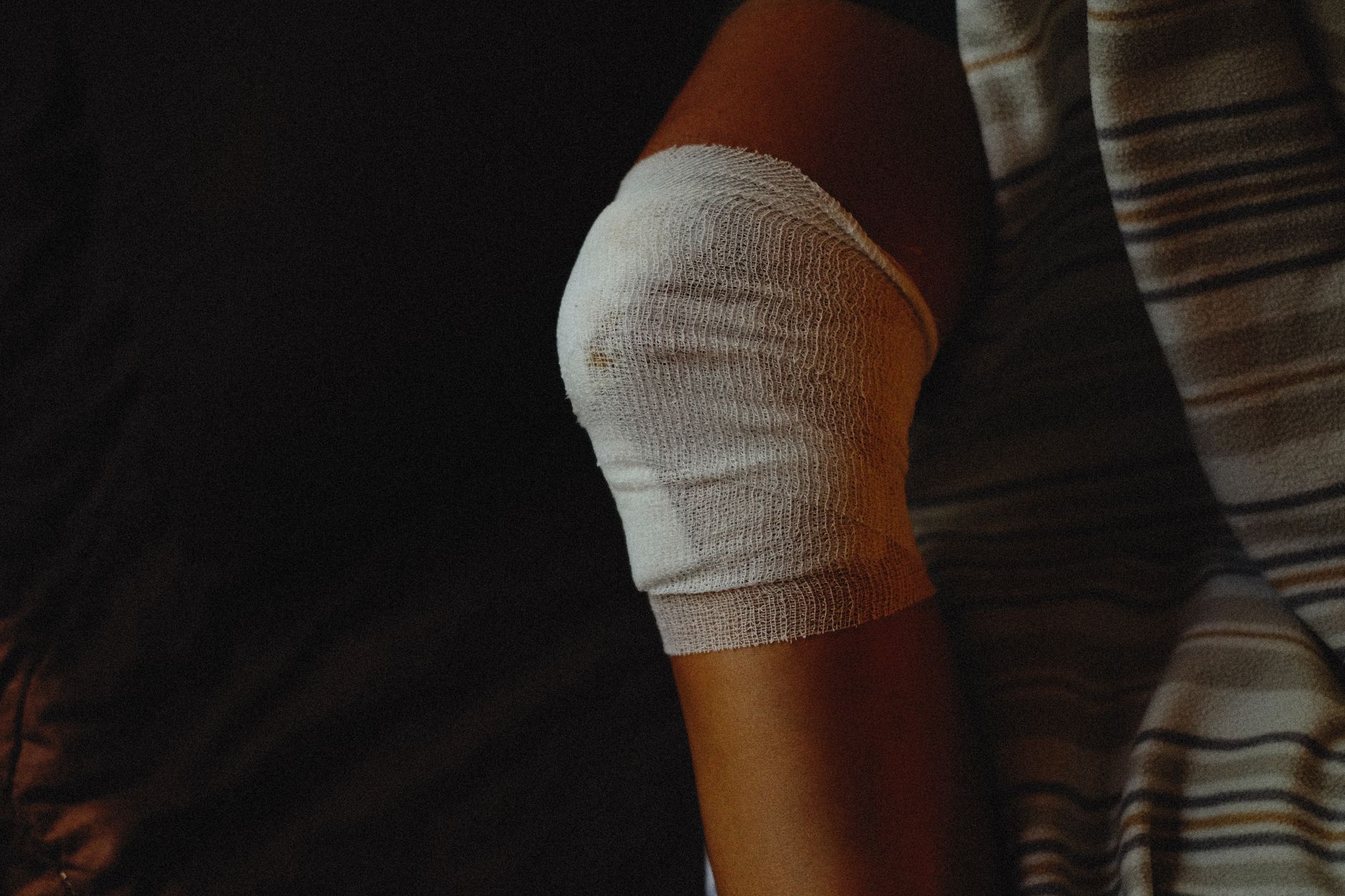
Recovery from endovenous laser, radiofrequency ablation and foam sclerotherapy is generally quick, but it is not nothing. Expect some bruising, mild tightness or tenderness along the treated vein, and a few days of feeling that your legs have done a workout. Most patients can walk comfortably the same day, and many are back to work and normal routines within a few days to a week.
Antalya is almost tailor-made for this stage of recovery. Walking is actively encouraged to support circulation, and the city offers plenty of flat, shaded routes where you can stroll without overdoing it. The old town of Kaleiçi, with its cobbled lanes and harbour views, is ideal for short ambles with frequent café stops. The palm-lined promenades along Konyaaltı and Lara beaches are similarly gentle — and you can admire the sea without needing to swim until your clinician gives the go-ahead.
What you should avoid for the first week or two is prolonged standing, heavy lifting, hot baths, saunas and, in most cases, swimming while the puncture sites are healing. That rules out some classic holiday activities, but it leaves plenty: shaded tea gardens, museums such as the Antalya Museum, boat trips where you can sit comfortably, and slow lunches by the water. Ask your clinic for a written list of specific restrictions so you are not guessing.
Choosing an Antalya Clinic with Confidence
Aesthetic phlebology is a field where quality varies, so choose carefully. Look for clinics with a dedicated vascular surgeon or phlebologist, access to duplex ultrasound, and clear, written information about the procedures they offer. Ask how many treatments of each type they perform and what their protocol is for follow-up scans, since good vein care always includes an assessment of results.
Be cautious with offers that promise permanent removal of every vein in a single session or that cost suspiciously little. Realistic clinics will explain that varicose veins can recur, that treatment is often staged, and that compression stockings and aftercare are part of the package, not optional extras. A reputable clinic will also be honest if your anatomy or medical history makes treatment during a holiday a poor idea.
Finally, check practicalities: the price of the consultation, whether the ultrasound is included, what happens if additional sessions are needed, and how records can be shared with your doctor at home. Good communication before you book is a strong signal of good communication after treatment.
Building a Summer-Confident, Doable Itinerary
A good itinerary for a vein-treatment holiday is deliberately calm. Book accommodation near a pedestrian promenade or within easy walking distance of restaurants, so movement is built into your day without effort. Choose a hotel with a lift and a comfortable place to put your feet up. If you are travelling with a partner, enlist them for bag-carrying duty for a few days.
Plan your gentler activities for the days after treatment and save longer excursions for the end of the trip or for future visits. Consider limiting your stay to a week: enough time for consultation, treatment and a few days of relaxed recovery, without the pressure to fill every moment. Many travellers find that a shorter, slower trip is far more restorative than a packed one anyway.
Above all, remember that confidence about your legs is the point. Once the treated veins have settled — often within a few weeks — many patients notice a visible improvement in the appearance of their legs and less heaviness or aching at the end of the day. Combine that with a few cautious days of Mediterranean walking and you have a realistic recipe for summer-ready legs and a genuinely pleasant trip.
Thinking about treatment in Turkey?
Send us a question about this site or about the information published on it. This is a publisher's mailbox, not a medical service and not a route to a particular provider — for clinical questions, contact your own doctor.