

Why Verification Is Your Superpower, Not a Sign of Doubt
Every year, hundreds of thousands of international patients choose Türkiye for everything from hair transplants and dental work to bariatric surgery and vision correction. That popularity is no accident: Türkiye has built one of the world's most structured health-tourism ecosystems, with government-issued licences, internationally recognised hospital accreditations and surgeons who train and practise to global standards.
Doing a little homework before you book is not a sign of mistrust — it is exactly what smart patients do in London, Berlin or New York too. The difference is that in Türkiye, the information is often more accessible and centralised than many people expect. The Turkish Ministry of Health maintains a public health-tourism licence system, major hospitals proudly display JCI and ISO certifications, and clinics increasingly publish verifiable doctor profiles and patient outcomes.
This guide walks you through a practical, four-part verification checklist: accreditation, Ministry of Health licensing, surgeon credentials and patient reviews. By the end, you will know exactly which questions to ask and where to look for answers — so you can book with confidence rather than uncertainty.
Step 1: Check JCI and Other International Accreditations
Joint Commission International (JCI) is the gold standard in global healthcare accreditation. A JCI-accredited hospital has passed rigorous, on-site evaluations covering patient safety, infection control, surgical protocols, medication management and staff qualification. In Türkiye, dozens of private hospitals — especially in Istanbul, Ankara and Izmir — hold JCI accreditation, alongside other recognised certifications such as ISO 9001, TEMOS and JCI's Clinical Care Program Certifications.
How do you verify an accreditation? Start with the clinic's own website, where accredited facilities usually display a JCI seal and certificate number. Then cross-check that number on the Joint Commission International's official directory. This takes two minutes and immediately separates serious institutions from marketing-only operations.
Remember that accreditation is facility-level, not procedure-level. A hospital may be JCI-accredited overall while a specific department or satellite clinic operates separately. Ask whether the exact facility where your procedure will take place holds the accreditation — not just the brand name you saw in an advertisement.
Beyond JCI, look for Turkish Standards Institution (TSE) certificates and Ministry of Health inspection reports. A clinic that welcomes your questions about accreditation is usually a clinic that takes quality seriously.
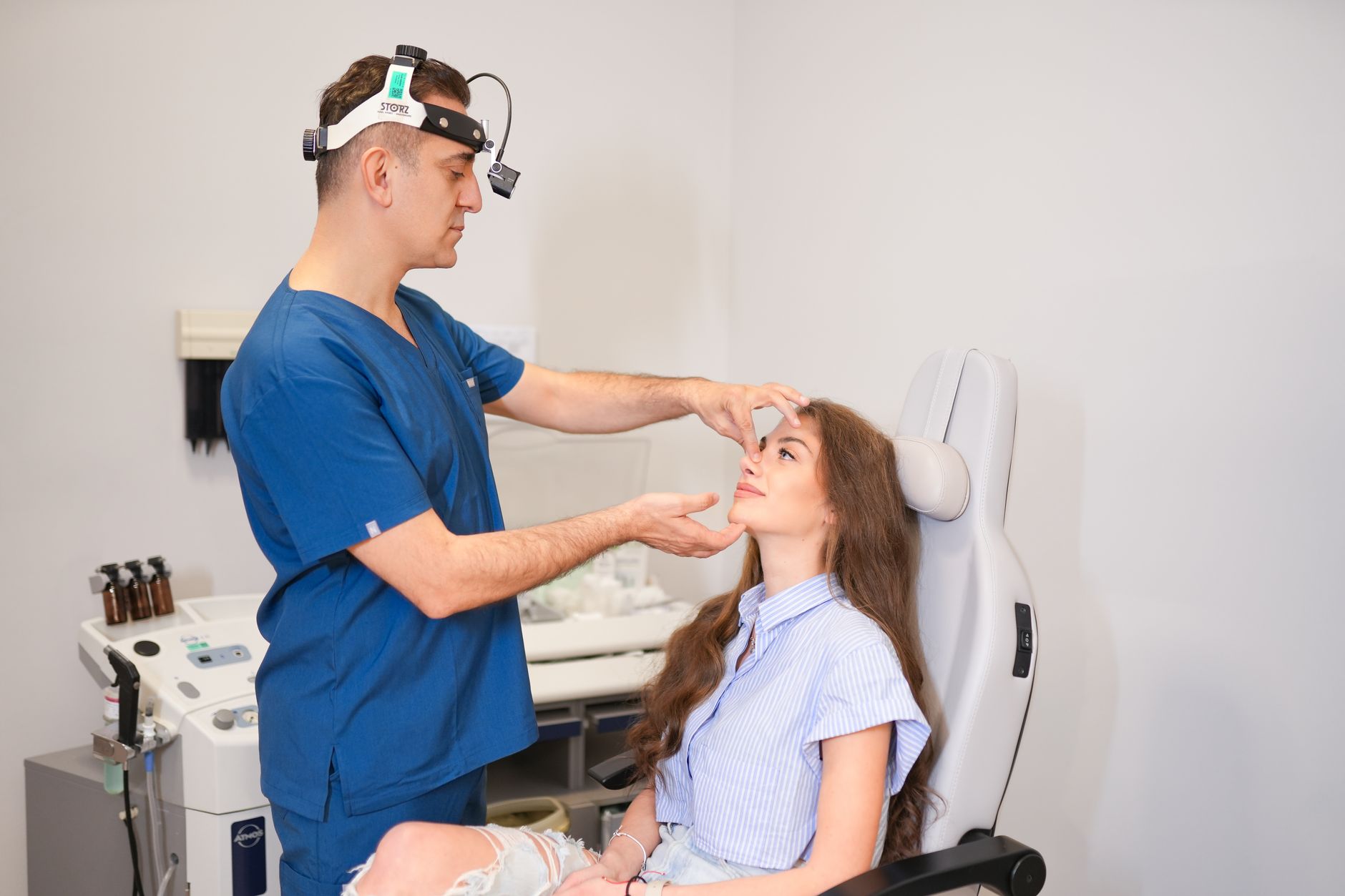
Step 2: Confirm the Ministry of Health Health-Tourism Licence
Türkiye regulates medical tourism through the Ministry of Health's International Health Services Department (USHAS). Any clinic or hospital offering treatment to international patients must hold a valid health-tourism authorisation certificate. This licence confirms that the facility meets Turkish clinical standards, employs qualified translators, maintains international patient records and complies with advertising and pricing regulations.
Verification is straightforward. The Ministry of Health publishes a list of authorised health-tourism facilities, and many clinics display their licence number on their website or in their reception area. You can request the certificate directly from the clinic's international patient coordinator and, if in doubt, ask the Turkish consulate or your embassy in Türkiye to confirm the licence.
Why does this matter? Licensed facilities are subject to inspections, mandatory reporting and patient-complaint mechanisms. Unlicensed intermediaries or informal "clinics" operating out of hotel rooms or unregistered offices fall outside this protection. If a provider cannot or will not show a Ministry of Health health-tourism licence, that is a clear red flag.
Tip: Ask for the licence number in writing before paying any deposit. A legitimate clinic will provide it without hesitation.
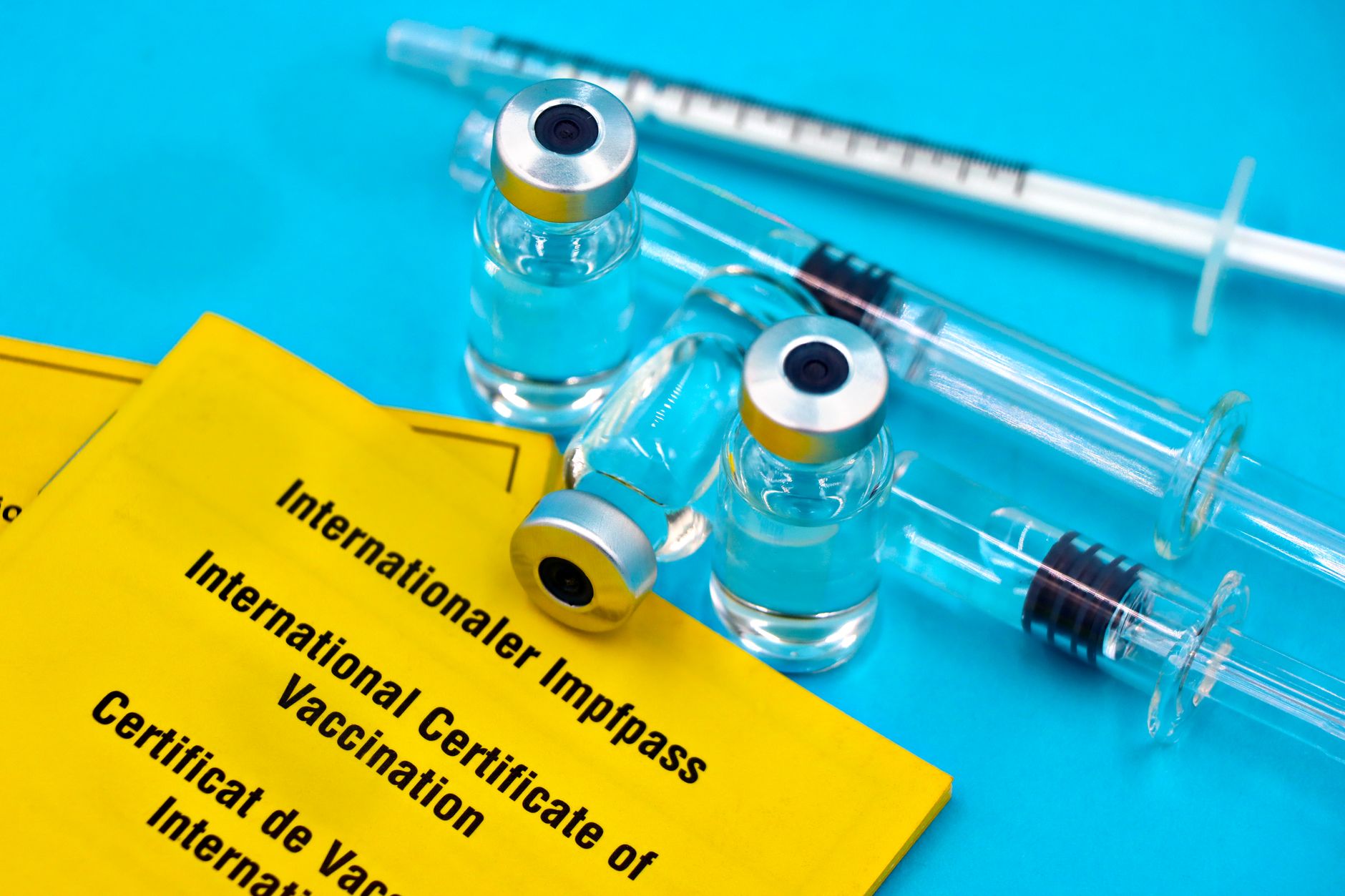
Step 3: Verify Your Surgeon's Board Certification and Experience
Accreditation covers the building; board certification covers the person holding the scalpel. In Türkiye, physicians must be registered with the Turkish Medical Association (Türk Tabipleri Birliği) and, for specialists, hold certification from the relevant medical specialty board — such as plastic surgery, general surgery, ophthalmology or dermatology.
Ask your surgeon for their medical licence number and specialty board certificate. You can verify registration through the Ministry of Health's physician query system or by asking the hospital's human resources department. Reputable surgeons also list their education, residency training, fellowships and memberships in international societies such as ISAPS, EBOPRAS or ASPS.
Experience matters as much as paperwork. Ask how many procedures of your specific type the surgeon performs annually, what their complication and revision rates are, and who handles follow-up care once you return home. A surgeon who answers these questions clearly and patiently is demonstrating exactly the professionalism you want.
Finally, ensure the surgeon will personally perform your procedure. Some low-cost packages rely on technicians or junior staff while advertising a senior doctor's name. A direct consultation — in person or by video — with the operating surgeon should be a non-negotiable part of your booking process.

Step 4: Evaluate Patient Reviews and Testimonials Critically
Patient reviews are valuable, but only if you read them intelligently. Look for detailed, balanced accounts that mention both positive outcomes and practical details like communication, aftercare and recovery. One-line reviews that only praise price or speed tell you very little.
Cross-reference multiple sources: Google Reviews, Trustpilot, RealSelf, specialised medical-tourism forums and the clinic's own before-and-after gallery. Be cautious of sudden bursts of five-star reviews posted within a short period, or reviews that read like marketing copy.
Ask the clinic for contact details of past international patients who consented to share their experience — many reputable Turkish clinics maintain ambassador programmes. A brief video call with a former patient in your country can be more reassuring than any brochure.
Also check how the clinic responds to negative reviews. A professional response that offers to resolve concerns shows accountability. Silence or defensiveness is a warning sign.

Red Flags vs. Green Flags: A Quick Checklist
To summarise, here are the signals that should guide your decision.
- Green flags: JCI or equivalent accreditation verifiable online; Ministry of Health health-tourism licence number provided in writing; surgeon's board certification and licence number shared; transparent pricing with itemised costs; clear aftercare and revision policy; multiple detailed, verifiable patient reviews.
- Red flags: Pressure to pay a deposit immediately; refusal to provide licence or certification numbers; prices far below market average with no explanation; no direct consultation with the surgeon; no written aftercare plan; testimonials that cannot be traced to real people.
Use this checklist as a conversation script. The right clinic will treat your questions as a sign of a well-prepared patient — and will gladly provide the documentation you need.
Why Türkiye's Transparent System Works in Your Favour
Türkiye's regulatory framework is not a hurdle — it is a competitive advantage. The combination of Ministry of Health licensing, JCI-accredited hospitals, specialty board-certified surgeons and a culture of patient feedback has made the country a global leader in medical tourism. International patients benefit from world-class clinical outcomes at accessible prices, supported by English-speaking coordinators, modern facilities and direct flights from major cities worldwide.
Istanbul, in particular, has become a hub where you can combine treatment with a memorable recovery — think Bosphorus views, Turkish hospitality and excellent rehabilitation facilities. When you verify your clinic properly, you are not just protecting yourself; you are choosing to participate in a system designed to be accountable and transparent.
So ask the questions. Request the documents. Compare the answers. A clinic that meets these standards will welcome your diligence, and you will begin your medical journey with confidence, clarity and peace of mind.
Thinking about treatment in Turkey?
Share your contact details and a verified doctor will follow up with a plan built around you — free, no obligation.