

Cornea Transplant and Advanced Eye Care in Ankara: Türkiye's Capital for Sight Restoration
Why Ankara for Cornea Transplant and Advanced Eye Care
Ankara is not simply the political capital of Türkiye — it is also one of the country's most important academic medical cities. Its university hospitals and dedicated eye institutes have trained generations of Turkish ophthalmologists, and their cornea and anterior-segment units are referral centres for patients from across the country and the region.
For international patients considering corneal transplantation or complex eye surgery, this academic depth matters. Departments here combine high surgical volumes with rigorous scientific oversight, which means surgeons are familiar with rare and challenging cases: advanced keratoconus, failed grafts, scarring after infection or trauma, and eyes that have already undergone multiple procedures.
The result is an environment where patients travelling from abroad can feel genuinely reassured — a capital city with serious medicine, modern diagnostics and a calm, well-organised clinical culture.
Academic Ophthalmology Departments: Depth You Can Trust
Ankara's university ophthalmology departments are built around the classical academic triad of patient care, education and research. Cornea and refractive surgery is typically organised as a dedicated sub-specialty unit, working alongside glaucoma, retina, oculoplastic and paediatric ophthalmology services within the same hospital.
This sub-specialty structure is important. A cornea surgeon in an academic centre does not work in isolation; complex cases are discussed in departmental meetings, second opinions are readily available, and difficult decisions — such as whether to perform a full-thickness or a partial-thickness graft — are made with the benefit of collective expertise.
Academic departments also maintain close links with eye banks and tissue-banking networks, helping to ensure that donor tissue is available, screened and allocated according to strict quality standards. Skilled anaesthesia, internal medicine and infectious disease support are available on-site, which is a significant advantage for patients with diabetes, hypertension or other systemic conditions.
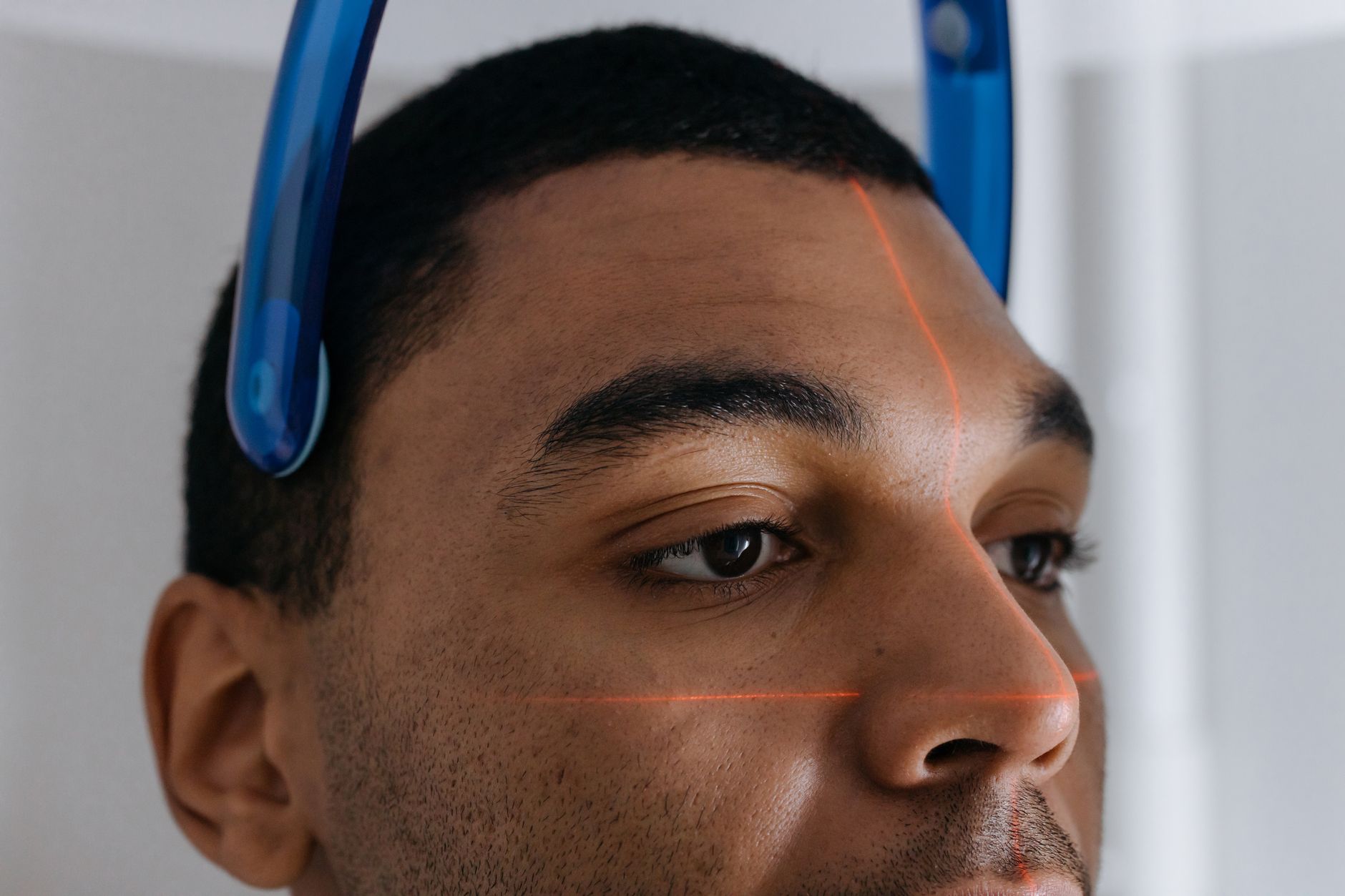
Corneal Transplantation: Restoring Clarity with Modern Techniques
Corneal transplantation — keratoplasty — is among the most successful tissue transplant procedures in medicine, and Ankara's academic centres perform the full spectrum of modern techniques. Surgeons are experienced in penetrating keratoplasty (full-thickness replacement), as well as lamellar procedures such as DALK (Deep Anterior Lamellar Keratoplasty) and endothelial keratoplasty (DSAEK and DMEK), which replace only the diseased layers of the cornea.
Lamellar techniques can offer faster visual recovery, lower rejection risk and greater structural stability for appropriate patients — but they demand considerable microsurgical skill and experience. In Ankara's high-volume academic units, surgeons select the technique that matches each individual eye rather than applying a single approach to every patient.
Indications commonly managed include keratoconus, corneal scarring after infection or injury, Fuchs' endothelial dystrophy, bullous keratopathy, previous failed grafts and corneal thinning or perforation. Penetrating and lamellar surgery is performed under local or general anaesthesia using modern operating microscopes and fine, atraumatic sutures.
Patients are counselled honestly about what transplantation can and cannot achieve. The goal is not simply a clear graft but the best possible functional vision, which may involve glasses, contact lenses or further refinement procedures after healing.
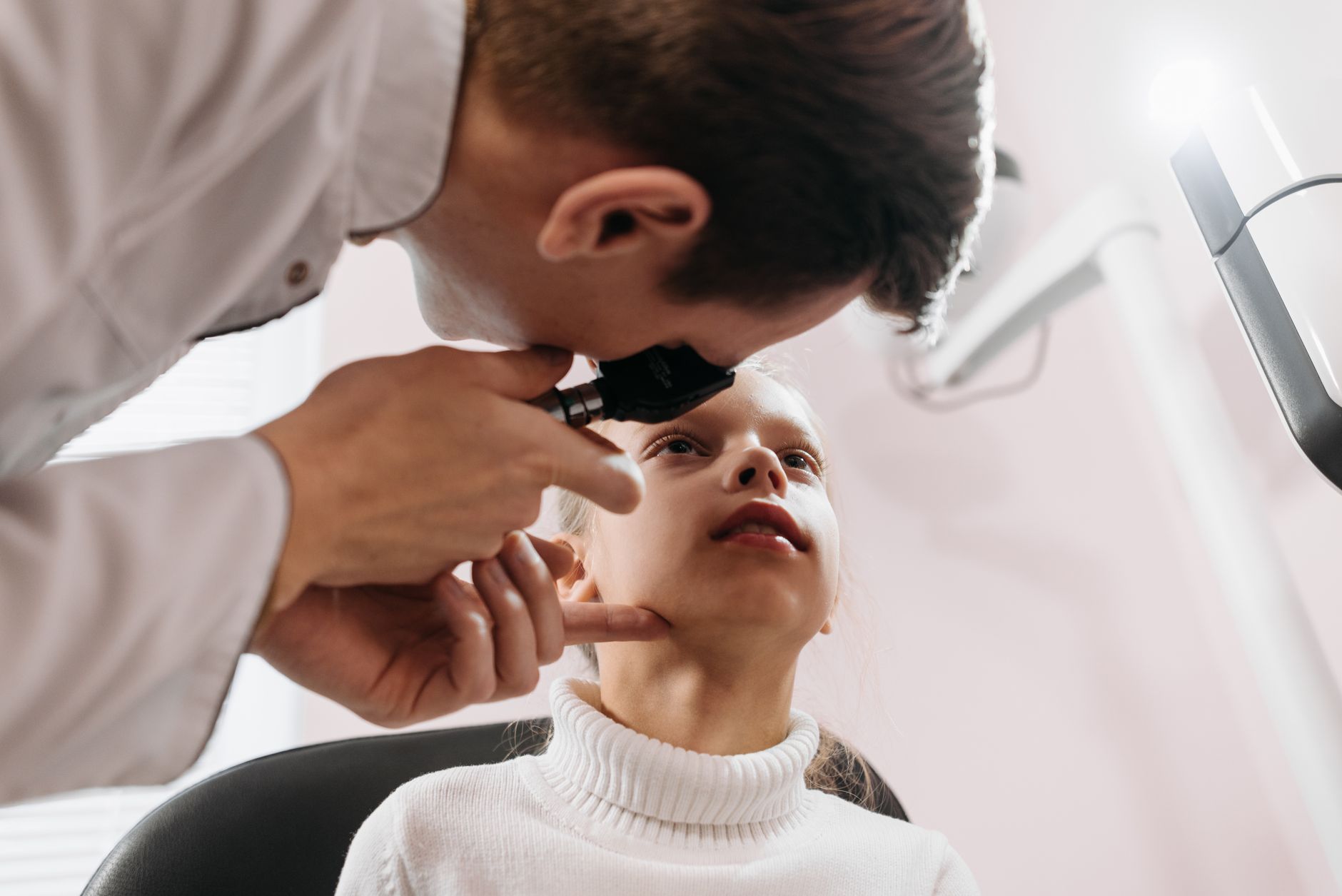
Keratoconus and Ectasia: A Full Continuum of Care
Keratoconus — a progressive thinning and bulging of the cornea — is one of the most common reasons patients seek corneal care in Türkiye, and Ankara's academic departments treat it across the entire disease spectrum. Early or progressive cases can be stabilised with corneal cross-linking (CXL), a minimally invasive procedure that strengthens the cornea and is performed routinely in these centres.
Vision rehabilitation is equally important. Specialty contact lens fitting — including rigid gas-permeable and scleral lenses — is available for irregular corneas where spectacles cannot provide good vision. When contact lenses are not tolerated or the cornea is too scarred or thin, lamellar or penetrating transplantation is considered.
Because keratoconus is often bilateral and progressive, academic centres emphasise long-term monitoring, with topographic imaging to track change over time and coordinated planning for each eye. International patients leave with a clear plan for what should happen next, and when.
Complex Anterior-Segment and Microsurgical Procedures
Beyond keratoplasty, Ankara's anterior-segment surgeons manage conditions that require advanced microsurgical judgement: cataracts in eyes with corneal disease, dislocated or subluxated lenses, iris reconstruction, anterior-segment trauma and complications from previous surgery.
Combined procedures — such as cataract surgery with endothelial keratoplasty, or lens implantation with corneal grafting — are performed where appropriate, saving patients multiple operations and recovery periods. Modern phacoemulsification, premium and specialty intraocular lenses, and ophthalmic viscosurgical systems are standard in these units.
Complex cases are often reviewed jointly by cornea, glaucoma and retina specialists within the same department, so that a single treatment strategy is agreed before surgery. For a travelling patient, this integrated approach reduces uncertainty and avoids fragmented care.
Multidisciplinary University Hospitals and Fast Diagnostics
One of the strongest arguments for choosing an Ankara university hospital is the breadth of services under one roof. Ophthalmology sits within a full tertiary hospital, with access to internal medicine, cardiology, endocrinology, radiology and laboratory medicine. Pre-operative medical clearance, anaesthesia assessment and management of chronic conditions can all be coordinated quickly.
Diagnostics are fast and comprehensive. Corneal topography and tomography, anterior-segment optical coherence tomography (AS-OCT), specular microscopy for endothelial cell counts, pachymetry, biometry and ultrasound imaging allow surgeons to characterise the cornea precisely and plan surgery accordingly. Many of these investigations can be completed within a short visit, which is invaluable for patients who have travelled a long distance.
University hospitals also have established processes for international patients: appointment scheduling, translation support, structured pre-operative work-up and a written post-operative plan. Follow-up is planned in advance, including guidance on local check-ups and communication with the surgical team after return home.
Planning Your Treatment Journey from Abroad
A typical pathway begins with a remote review of medical records, corneal imaging and previous operative reports, followed by an in-person assessment in Ankara. Most international patients allow around seven to ten days for consultation, surgery and an early post-operative check before travelling home.
Follow-up after corneal transplantation is a long-term commitment. Sutures may be removed gradually over months, and rejection monitoring requires regular review — often shared between the Ankara team and a local ophthalmologist. Patients receive clear written instructions on warning signs, medication schedules and when to seek urgent care.
Travellers should also plan for practical matters: a companion for the first days after surgery, sensible expectations about visual recovery, and adequate time before flying home, as advised by the surgeon. With careful planning, Ankara offers international patients a reassuring combination of academic expertise, modern diagnostics and a proud tradition of Turkish ophthalmology dedicated to restoring sight.
Top Highlights
Popular Activities
Thinking about treatment in Turkey?
Send us a question about this site or about the information published on it. This is a publisher's mailbox, not a medical service and not a route to a particular provider — for clinical questions, contact your own doctor.
