

Epilepsy Monitoring and Neurosurgery in Istanbul: Türkiye's Comprehensive Epilepsy Pathway
Why Istanbul for Epilepsy Monitoring and Surgery?
Istanbul has become a leading destination for comprehensive epilepsy care, combining advanced monitoring units with neurosurgical expertise. International patients seek clarity on seizure control, and Istanbul's centres provide a coordinated pathway that begins with precise diagnosis and extends to tailored treatment.
The city's epilepsy monitoring units (EMUs) are equipped with continuous video-EEG systems, allowing neurologists to capture seizures and analyse brain activity over several days. This inpatient stay is crucial for understanding seizure type, origin and frequency, especially when outpatient tests are inconclusive.
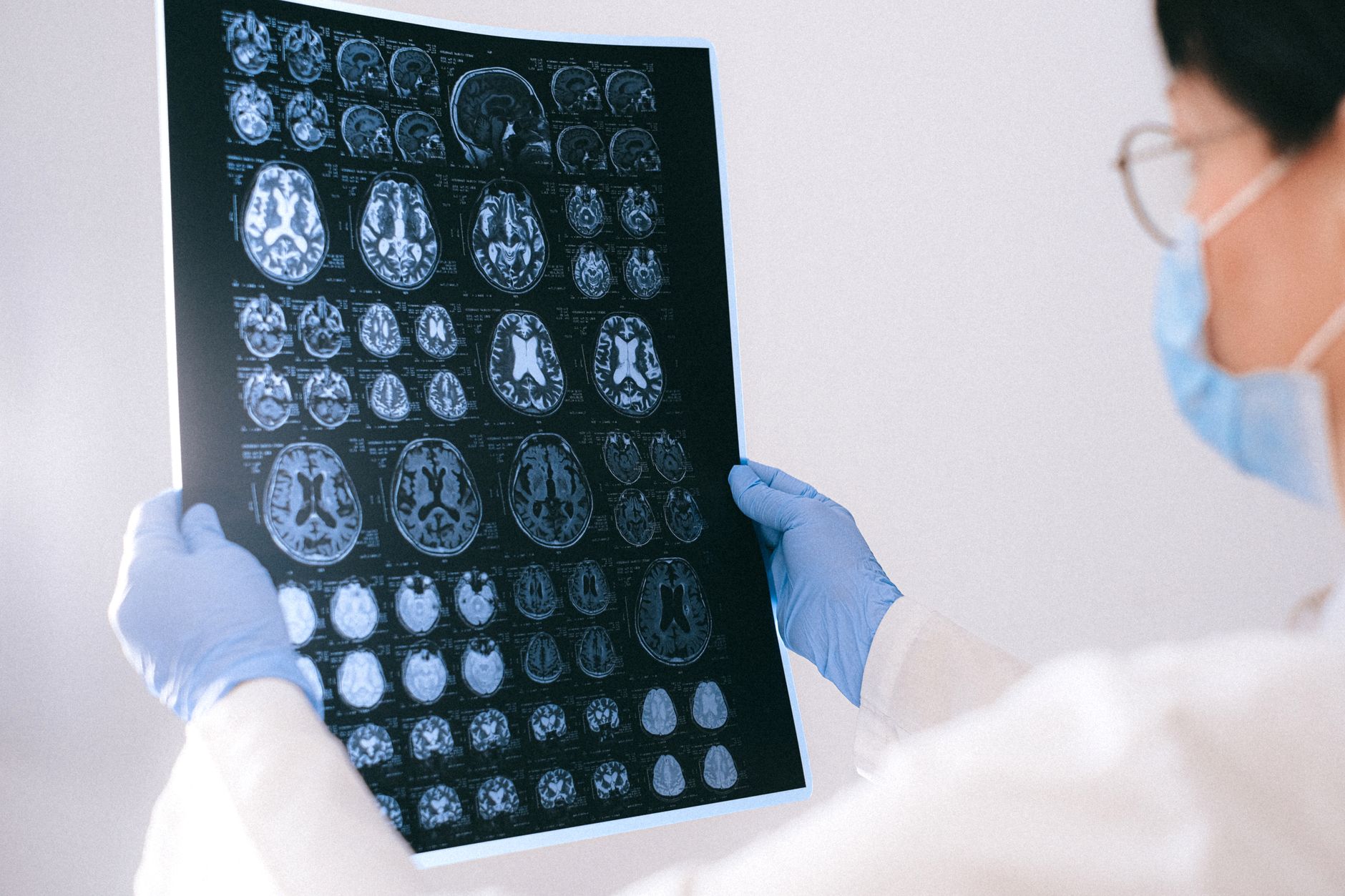
Neuroimaging facilities in Istanbul include high-resolution MRI, PET and SPECT scans, which help identify structural abnormalities. These tools are essential for presurgical evaluation, ensuring that any surgical plan is based on robust data.
The Inpatient Monitoring Stay: What to Expect
During your stay in an epilepsy monitoring unit, you will be admitted to a private room with continuous video and EEG recording. The goal is to record typical seizures, so your anti-seizure medications may be adjusted under medical supervision. A nurse and EEG technologist will be available around the clock, ensuring safety and comfort.
The environment is calm and structured. You will have access to entertainment, Wi-Fi and family visitation, while the medical team monitors your brain activity remotely. The average stay is 3–7 days, depending on how quickly seizures are captured. Daily rounds by an epileptologist keep you informed of progress.
For international patients, interpreters and international patient coordinators are available to bridge language gaps and explain each step. Discharge planning includes a detailed report and a follow-up appointment, often scheduled before you leave Istanbul.
Multidisciplinary Review: A Team Approach to Your Care
After monitoring, your case is discussed in a multidisciplinary team meeting (MDT) that includes epileptologists, neurosurgeons, neuroradiologists, neuropsychologists and sometimes psychiatrists. They review your EEG, imaging and clinical history to reach a consensus on diagnosis and treatment options.
This collaborative approach ensures that all aspects of your epilepsy are considered. The team evaluates whether surgery is a viable option and, if so, what type of procedure is most appropriate. You will receive a clear explanation of the findings and recommendations, often with the support of a coordinator.
The MDT also considers non-surgical alternatives, such as medication adjustments, dietary therapies or neurostimulation devices. The emphasis is on personalised care, not a one-size-fits-all solution.
Planning Surgery When Appropriate
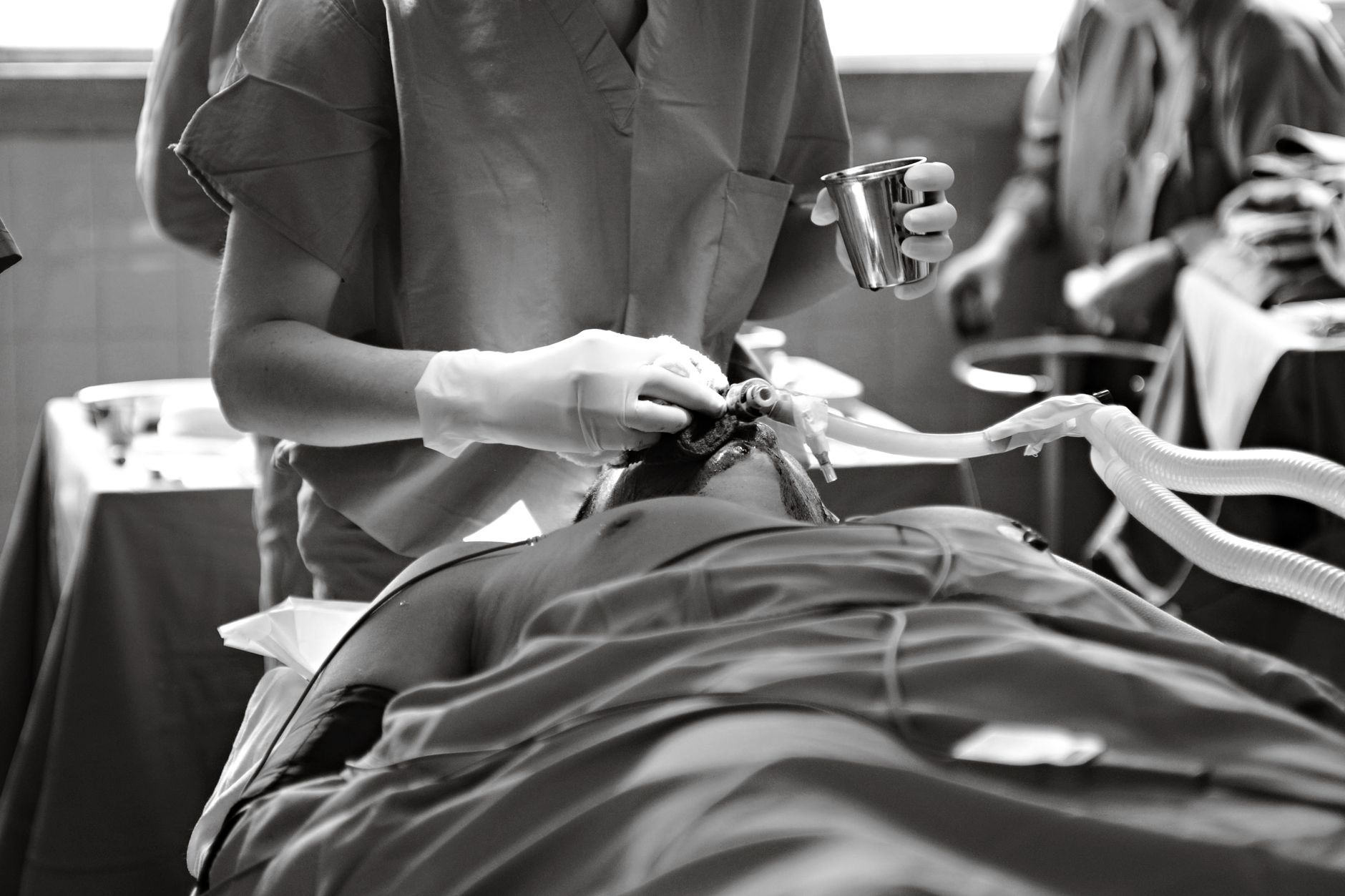
If surgery is considered, further tests may be needed, such as functional MRI, Wada test or intracranial EEG monitoring. These are arranged promptly, and the team will explain the rationale and risks. The goal is to localise the seizure onset zone and map eloquent cortex to minimise deficits.
Surgical planning is meticulous. Neurosurgeons use neuronavigation and intraoperative monitoring to guide resection. In some cases, minimally invasive techniques like laser ablation or responsive neurostimulation are options. The team will discuss the expected outcomes, including seizure freedom rates and potential complications.
For international patients, the surgery is typically scheduled after a comprehensive evaluation, and a follow-up plan is provided. Postoperative care includes ICU monitoring, rehabilitation and medication management, with telemedicine follow-ups available after you return home.
Expertise and Communication You Can Trust
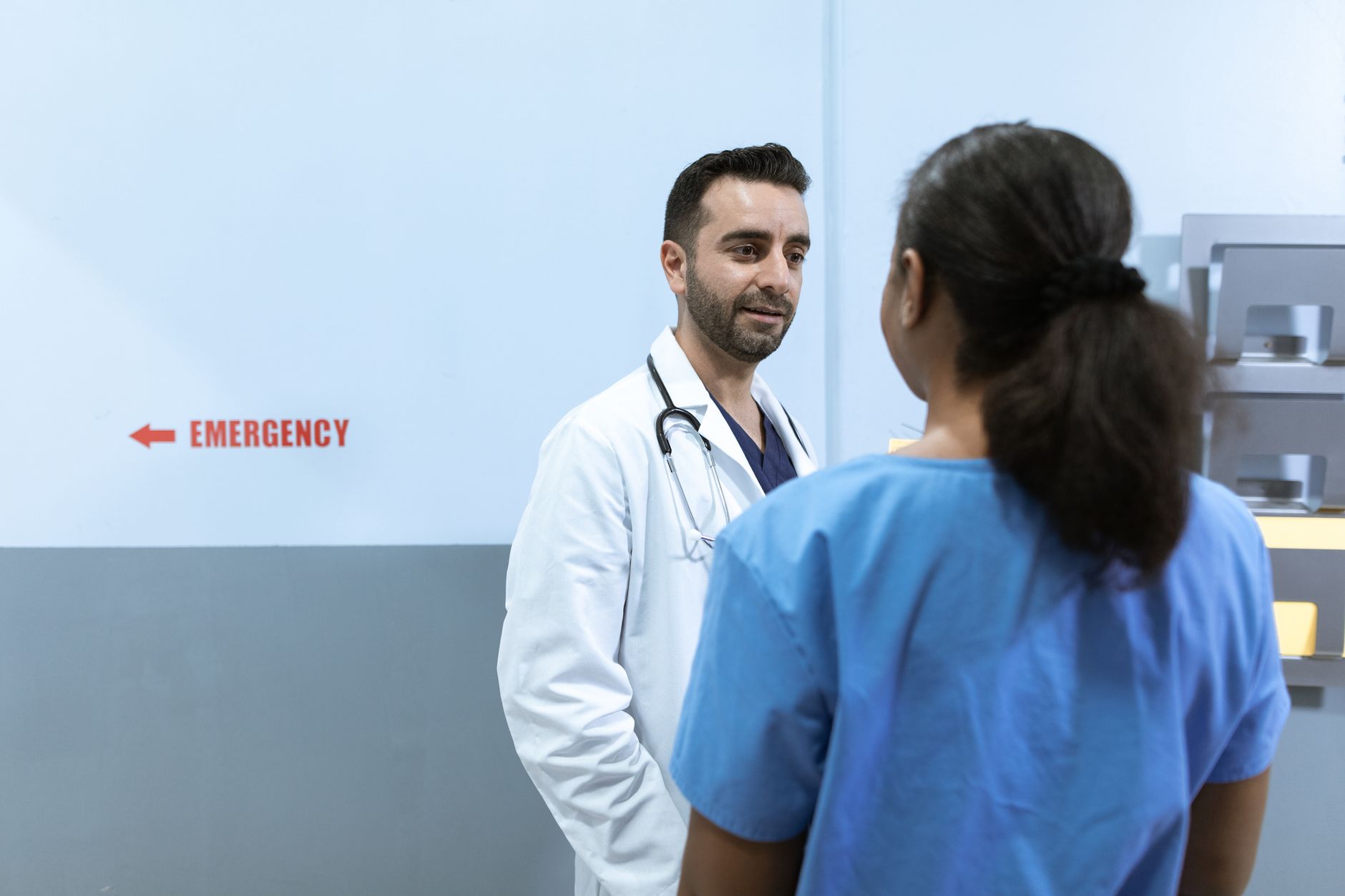
Istanbul's epilepsy centres are staffed by fellowship-trained specialists who are experienced in treating complex cases from around the world. They understand the anxieties of international patients and prioritise clear, calm communication.
Every step is explained in plain language, with written materials and access to interpreters. You will have a named contact person throughout your journey, from initial enquiries to post-discharge follow-up.
The centres are accredited by international bodies, and many have partnerships with European and American institutions. This ensures that standards of care are aligned with global best practices.
Beyond the Hospital: Support for International Patients
Istanbul offers a range of accommodation options near hospitals, from hotels to serviced apartments. International patient departments can assist with visa letters, airport transfers and accommodation bookings.
The city itself is a vibrant metropolis with a rich history, offering opportunities for relaxation during your stay. Many patients combine their treatment with a short recovery period exploring Istanbul's cultural sites, under medical advice.
After returning home, you will receive a comprehensive discharge summary and imaging files to share with your local physician. The team remains available for consultations, ensuring continuity of care.
Top Highlights
Popular Activities
Thinking about treatment in Turkey?
Send us a question about this site or about the information published on it. This is a publisher's mailbox, not a medical service and not a route to a particular provider — for clinical questions, contact your own doctor.
