

Knee and Hip Replacement in Adana: Fast-Track Orthopaedics with Warm Anatolian Hospitality
Why Adana for Knee and Hip Replacement?
Adana is one of Türkiye's most underrated medical destinations. While Istanbul and Antalya dominate headlines, this southern city — the heart of Çukurova — has quietly built a reputation for high-volume, high-quality orthopaedic surgery. Its joint replacement centres perform hundreds of knee and hip procedures each year, with infection rates and revision rates that match European benchmarks.
The city's warm climate (over 300 sunny days a year) is more than a holiday bonus. Patients recovering from joint replacement benefit from gentle outdoor walking, vitamin D from natural sunlight, and a low-stress environment that supports healing. Adana's cost of living is lower than Istanbul's, which means your treatment package often stretches further.
Most importantly, Adana's hospitals are known for something harder to measure: hospitality. International patients consistently describe the care here as warm, patient and family-like. Nurses who check in with a smile, surgeons who sit down to explain every step, and coordinators who treat you like a guest rather than a case number.
Modern Implants and Minimally Invasive Approaches
Adana's orthopaedic teams use the same implant families found in leading Western hospitals — cobalt-chromium and titanium alloys with highly cross-linked polyethylene bearings, ceramic-on-ceramic options for younger patients, and cementless press-fit designs that encourage natural bone ingrowth. Implant selection is personalised based on your age, bone quality, activity level and anatomy.
Surgical technique matters just as much as the implant. Many procedures are performed through minimally invasive or muscle-sparing approaches: a smaller incision, less damage to surrounding tissue, and less post-operative pain. For hips, the direct anterior or anterolateral approach can spare key muscles. For knees, subvastus or mid-vastus techniques help preserve the quadriceps mechanism.
Computer navigation and patient-specific instrumentation are available for complex deformities, improving alignment accuracy. In selected cases, robotic-assisted systems help surgeons fine-tune implant positioning. The result is a joint that feels stable and natural — and a recovery that starts sooner.
Rapid-Recovery Protocols: Walking Sooner
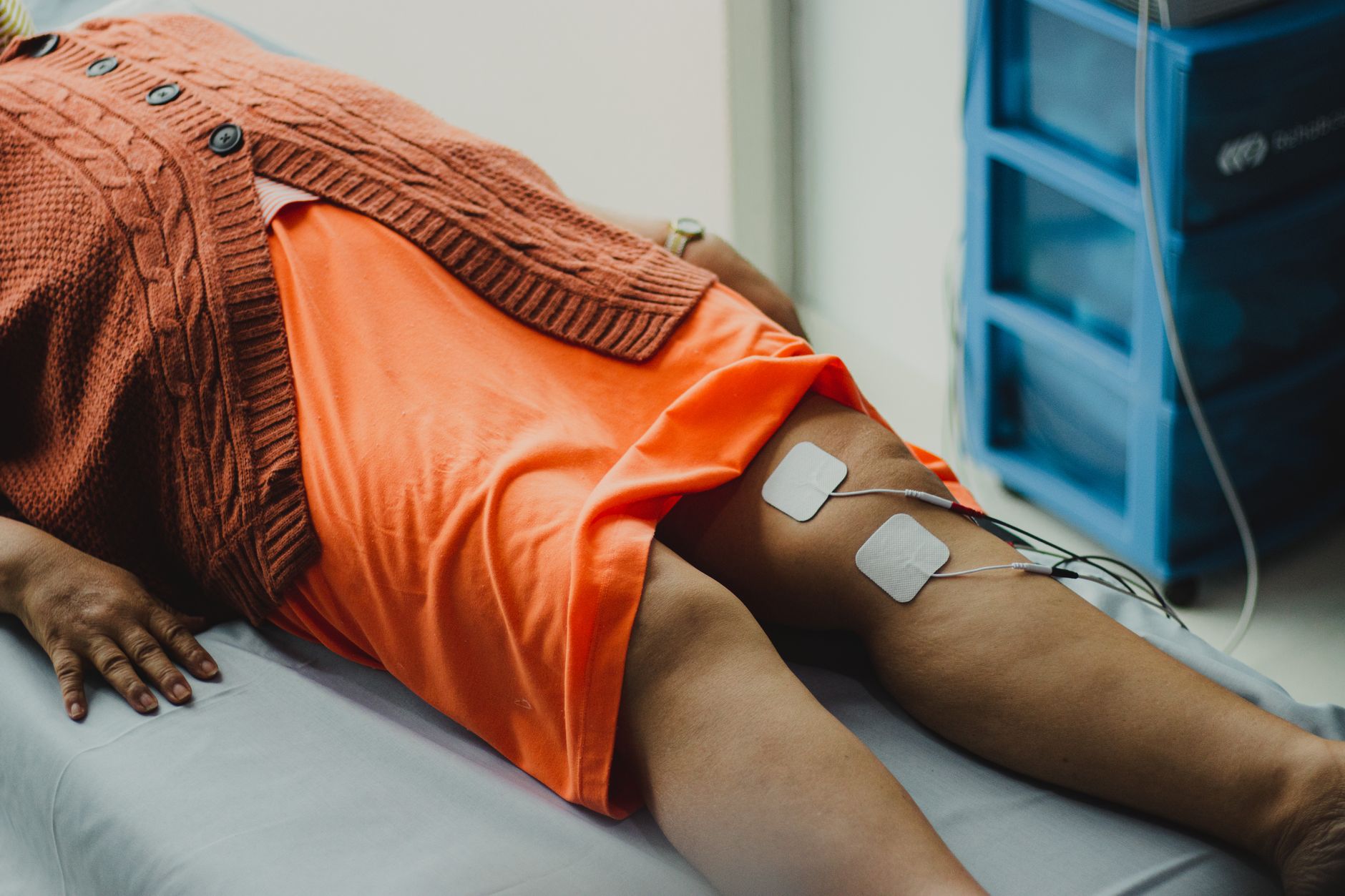
Fast-track orthopaedics is not about rushing. It is about removing obstacles to normal function. Adana's centres follow enhanced recovery after surgery (ERAS) principles: pre-operative education and carbohydrate loading, multimodal pain control that reduces opioid use, and early mobilisation.
Many patients stand and take assisted steps within 4 to 6 hours of surgery. By the next morning, most are walking with a walker or crutches under the guidance of a physiotherapist. This early movement is safe, protects against blood clots, and builds confidence.
Pain management combines regional nerve blocks, local infiltration analgesia and scheduled non-opioid medications. Because patients are comfortable, they move more willingly. Because they move, they recover faster. It is a positive cycle that shortens hospital stays and gets people back to their lives.
"I walked the same day. By day three I was doing stairs. The team made me feel like family." — patient feedback commonly heard in Adana clinics.
Your Treatment Pathway, Step by Step
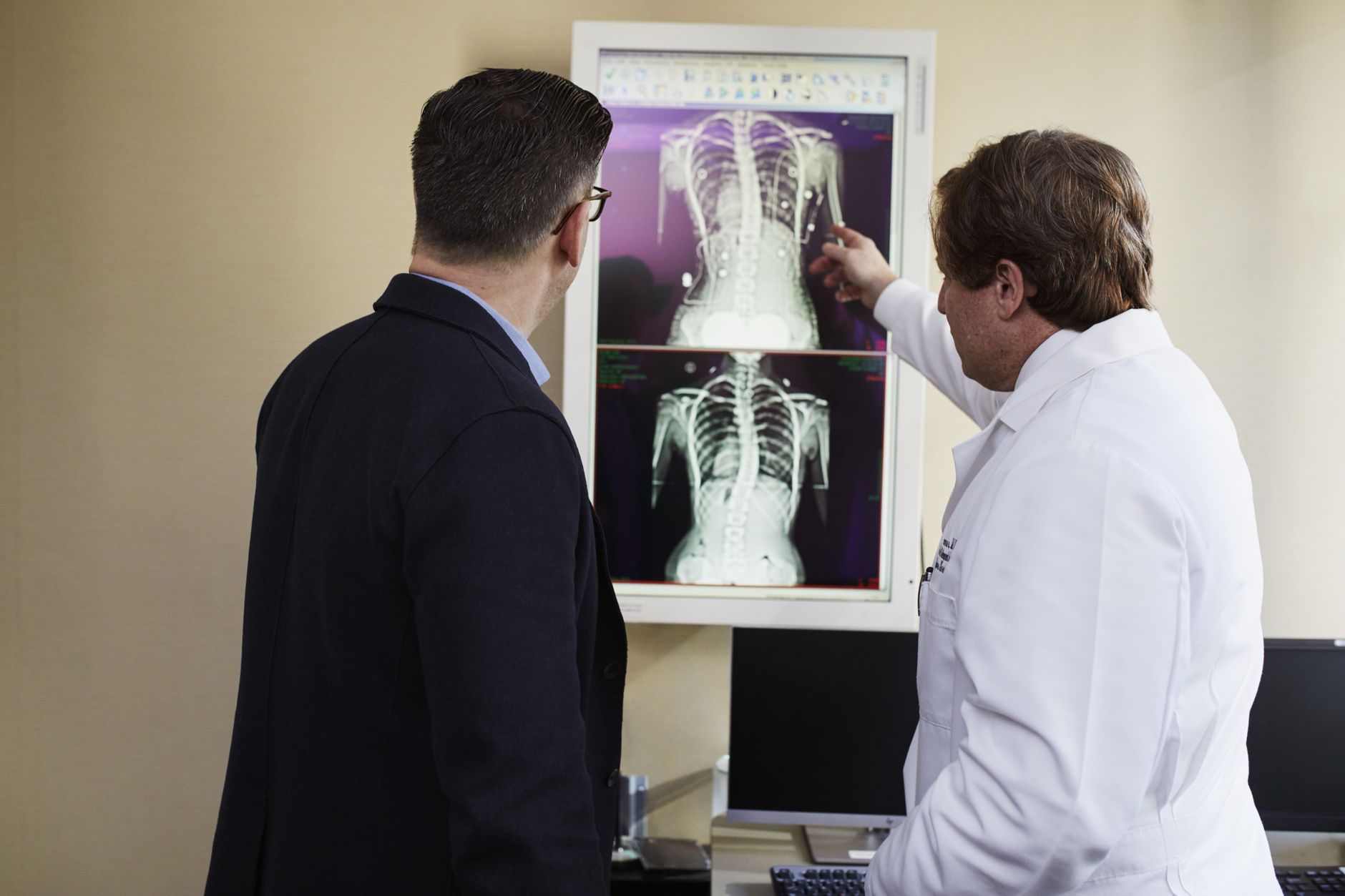
First contact and remote assessment. You share your medical history, X-rays, MRI or CT scans with the Adana team. A surgeon reviews them and confirms whether knee or hip replacement is appropriate. You receive a written treatment plan, a cost estimate and a proposed schedule.
Arrival and pre-operative evaluation. You fly into Adana Şakirpaşa Airport (or arrive via Istanbul or Antalya with a domestic connection). A coordinator meets you, helps with transfer and accompanies you to your pre-operative appointments: blood tests, ECG, chest X-ray and anaesthesia consultation. You meet your surgeon face-to-face.
Surgery day. The procedure typically takes 60 to 120 minutes. You recover in a monitored unit before returning to your room. Pain is controlled with a tailored protocol, and a physiotherapist visits you the same day.
Hospital stay and early rehabilitation. Most patients stay 3 to 5 days. Daily physiotherapy focuses on safe walking, transfers, range of motion and breathing exercises. You learn how to use crutches or a walker correctly before discharge.
Physiotherapy: Arranged Before You Fly Home
Recovery does not end when you leave the hospital. The Adana team organises your physiotherapy programme in advance, so there are no gaps in care. You receive a personalised plan that includes in-clinic sessions while you are still in Türkiye and a structured home programme for when you return.
Before your flight, you will have several outpatient physiotherapy sessions at the hospital or a partner rehabilitation centre. Your therapist assesses your gait, swelling, strength and range of motion, then teaches you exercises you can continue independently. You leave with printed instructions, videos or app-based guidance.
Your surgeon provides a detailed discharge report and a follow-up schedule. Many clinics offer video consultations after you return home, and they coordinate with your local physiotherapist if needed. This continuity is one reason patients from Europe, the Middle East and beyond choose Adana.
Warm Anatolian Hospitality and Practical Support
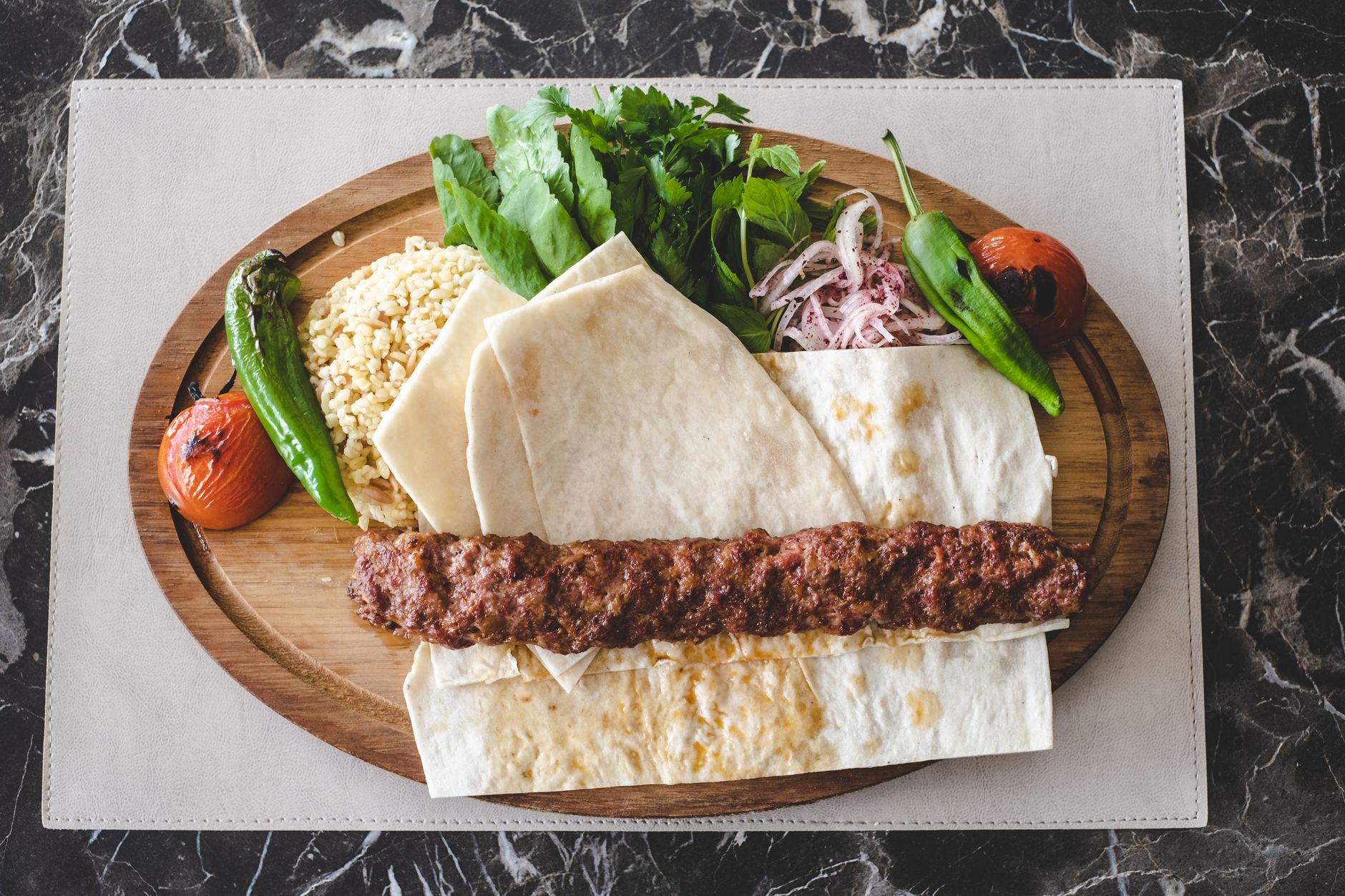
Adana is famous across Türkiye for its food, its generosity and its welcoming spirit. That culture carries into its hospitals. International patient departments arrange airport transfers, assist with visa letters, provide interpreter services and help family members find comfortable accommodation near the clinic.
You are never left to figure things out alone. A patient coordinator is reachable by phone or messaging app throughout your stay. Nurses check on you not just for medical needs but for comfort — a warm blanket, a cup of tea, a reassuring word. This is the "family-like care" that international patients mention again and again in reviews of Turkish hospitals.
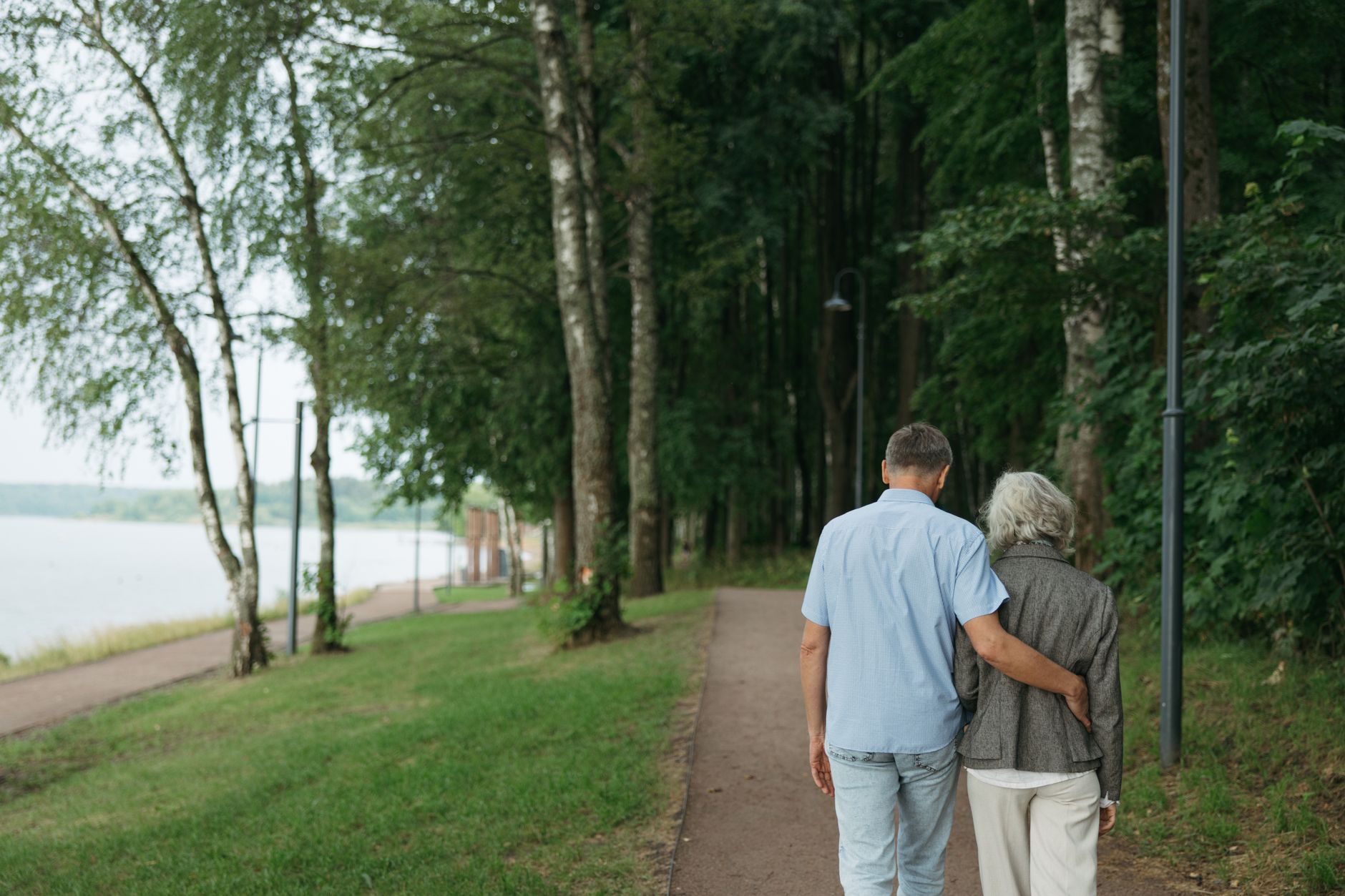
Between therapy sessions, you can enjoy Adana's relaxed pace: a stroll along the Seyhan River, fresh local cuisine, and the famous Adana kebab. Recovery feels less like a medical ordeal and more like a supported journey.
Planning Your Trip: Costs, Timing and Length of Stay
Knee or hip replacement in Adana typically costs significantly less than in Western Europe or North America, even when you include flights and accommodation. Packages usually cover surgery, implants, hospital stay, medications, physiotherapy and transfers. Request an itemised quote so you know exactly what is included.
Plan for a stay of 10 to 14 days in Türkiye: a few days for evaluation and surgery, 3 to 5 days in hospital, and about a week of outpatient physiotherapy and recovery before your surgeon clears you to fly. Your fitness to fly depends on swelling, wound healing and clot risk, so follow your surgeon's advice.
The best time to visit is spring (April–May) or autumn (October–November), when the weather is mild and pleasant for walking practice. Adana's summers are hot, but air-conditioned hospitals and clinics make treatment comfortable year-round.
Top Highlights
Popular Activities
Thinking about treatment in Turkey?
Send us a question about this site or about the information published on it. This is a publisher's mailbox, not a medical service and not a route to a particular provider — for clinical questions, contact your own doctor.
