

Knee Replacement in Izmir: Aegean Orthopaedic Centres for Active Recovery
Why Choose Izmir for Knee Replacement?
Izmir has emerged as a prominent destination for orthopaedic surgery, particularly knee replacement, attracting patients from around the world. The city's hospitals are equipped with state-of-the-art technology and staffed by highly experienced orthopaedic surgeons who specialize in minimally invasive techniques. These approaches reduce surgical trauma, minimize scarring, and promote faster recovery times compared to traditional methods.
What sets Izmir apart is the integration of robotic-assisted surgery, which enhances precision and improves implant alignment. This technology allows for personalized treatment plans tailored to each patient's anatomy, leading to better outcomes and higher patient satisfaction. Additionally, the hospitals follow international protocols for infection control and patient safety, ensuring a comfortable and secure experience.
Beyond the operating room, Izmir offers a supportive environment for rehabilitation. The city's mild Mediterranean climate, with warm summers and mild winters, encourages outdoor activities and walking, which are essential for post-operative recovery. Many rehabilitation centers are located near the coast, providing a serene and motivating atmosphere for patients to regain their mobility.
What Does the Treatment Involve?
Knee replacement surgery in Izmir typically begins with a comprehensive pre-operative assessment, including physical examinations, imaging studies, and blood tests. Patients consult with their surgeon to discuss medical history, expectations, and the choice of implant. The surgical team then develops a personalized plan, often using robotic assistance to map the knee's unique structure.
The procedure itself is performed under anesthesia, either general or spinal, and takes about one to two hours. Minimally invasive techniques involve smaller incisions, which reduce damage to surrounding tissues and lead to less post-operative pain. The surgeon removes damaged cartilage and bone, replacing them with metal and plastic components that replicate the knee's natural movement. Robotic arms help guide the surgeon for precise placement, enhancing the longevity of the implant.
After surgery, patients are monitored in a recovery room before moving to a private room. Pain management is prioritized, and physical therapy begins within 24 hours. Most patients stay in the hospital for 2-3 days, during which they receive guidance on exercises, wound care, and precautions. Before discharge, patients are assessed by physiotherapists to ensure they can safely perform basic movements and are given a home exercise program.
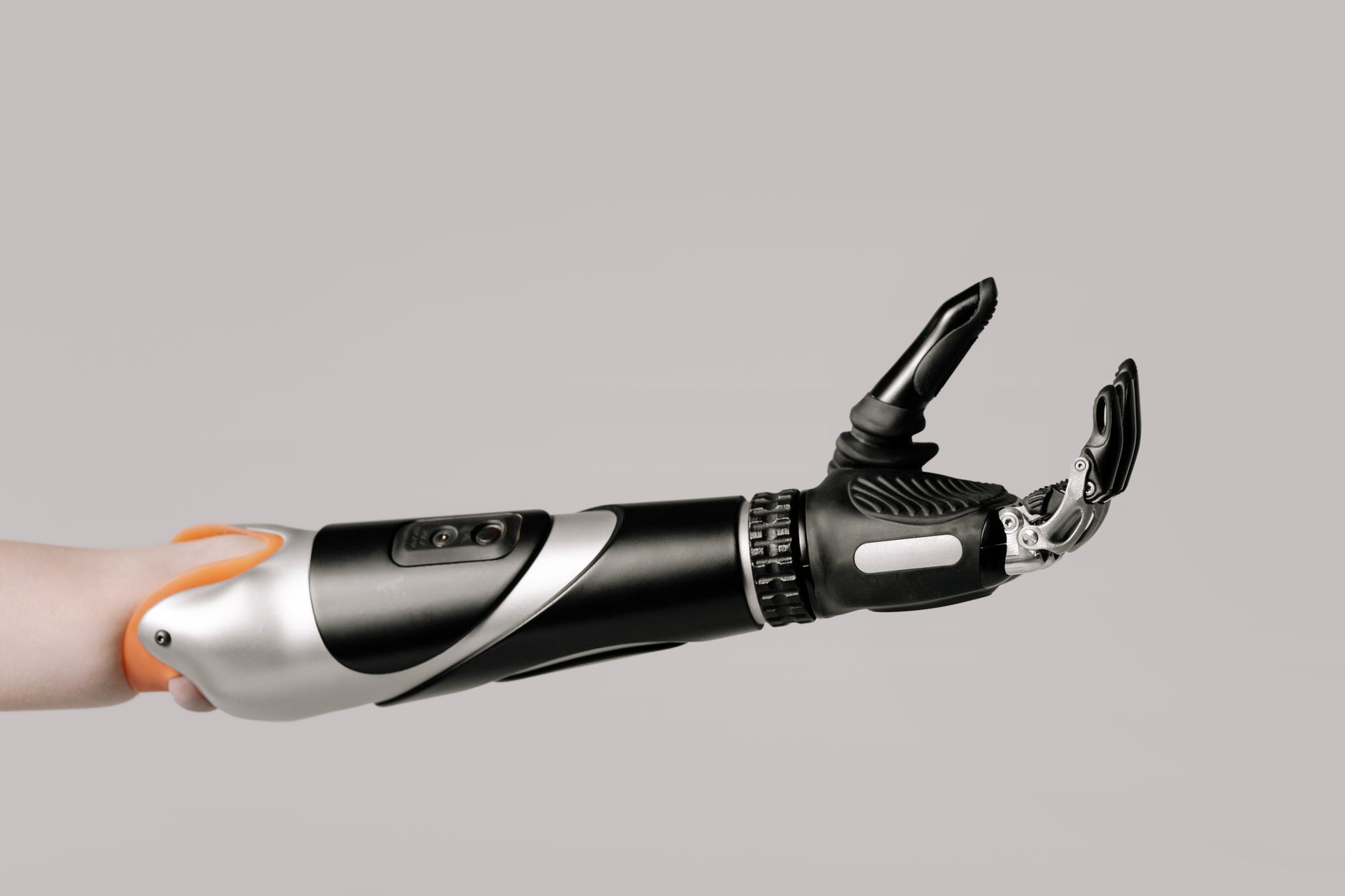
Recovery and Rehabilitation in Izmir
Recovery from knee replacement is a gradual process, and Izmir's rehabilitation facilities are designed to support each stage. In the first few weeks, patients focus on reducing swelling and pain while practicing assisted walking and range-of-motion exercises. Outpatient physiotherapy sessions are typically scheduled 2-3 times per week, utilizing advanced equipment such as continuous passive motion machines and hydrotherapy pools.
The city's mild climate allows patients to supplement clinic-based therapy with outdoor walking, which is encouraged as part of the recovery plan. Many patients enjoy strolls along the Kordon promenade or in the city's parks, using walking aids as needed. This active recovery approach not only accelerates physical healing but also boosts morale.
By the sixth week, most patients can walk without aids and have resumed light daily activities. Full recovery, including return to low-impact sports, usually takes 3-6 months. Throughout this period, patients have access to follow-up consultations with their surgeon and physiotherapist, either in person or via telemedicine, ensuring continuous support even after returning home.
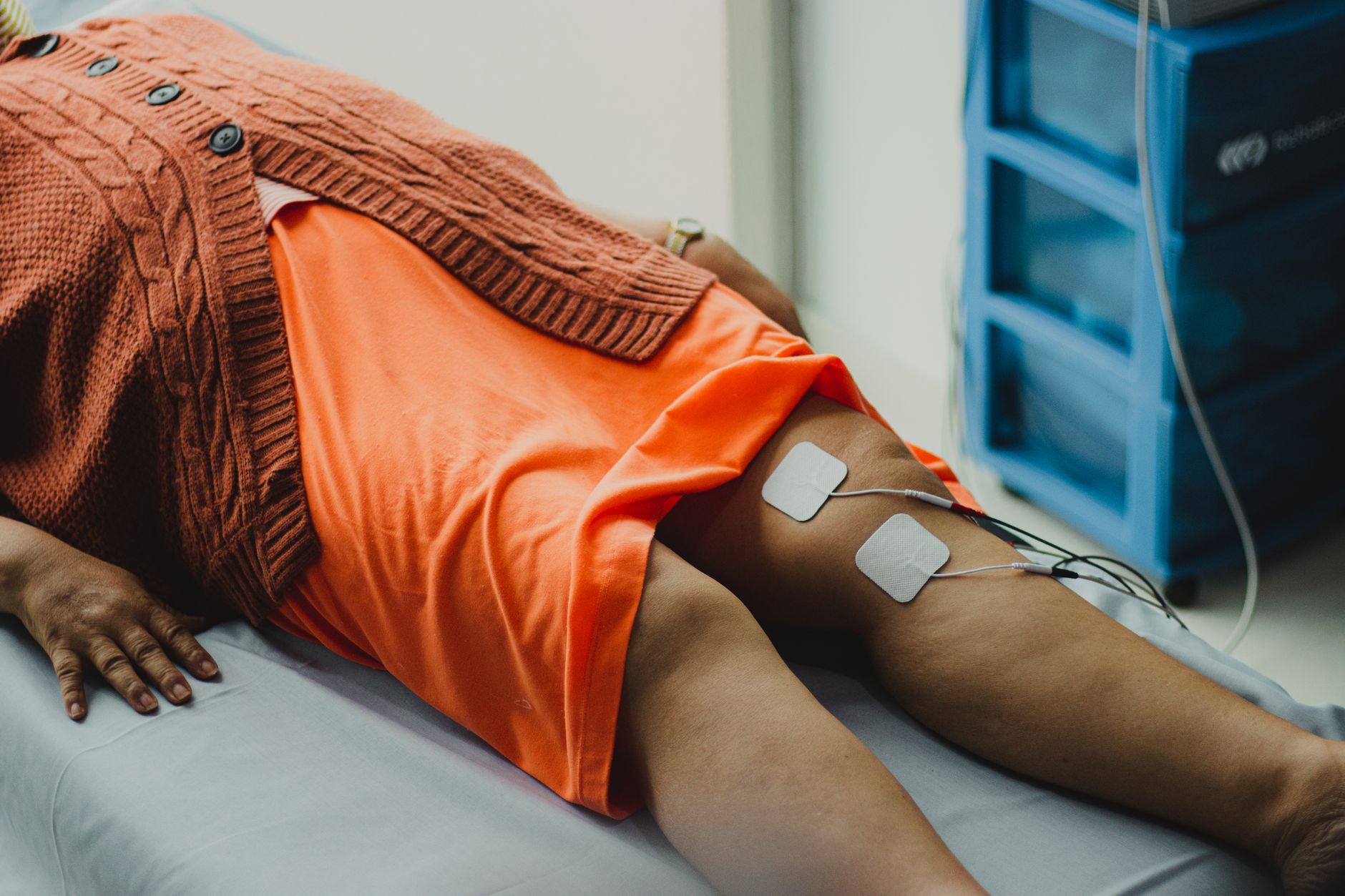
How Patients Return to Mobility
Returning to mobility after knee replacement is a collaborative effort between the patient and the healthcare team. Izmir's orthopaedic centres emphasize patient education, providing detailed rehabilitation protocols and setting realistic goals. Patients are encouraged to participate in prehabilitation programs before surgery to strengthen muscles and improve outcomes.
Post-surgery, the focus is on progressive mobilization. Patients start with bed exercises and gradually move to standing and walking with assistance. The use of cryotherapy and compression devices helps manage pain and swelling, facilitating earlier movement. As strength improves, patients transition to more advanced exercises, including stair climbing and balance training.
The ultimate goal is to restore independence and enable patients to return to their desired activities. Many patients report significant improvements in quality of life, with reduced pain and increased ability to perform daily tasks. Izmir's rehabilitation specialists work closely with each patient to tailor the program, ensuring a safe and effective return to mobility.
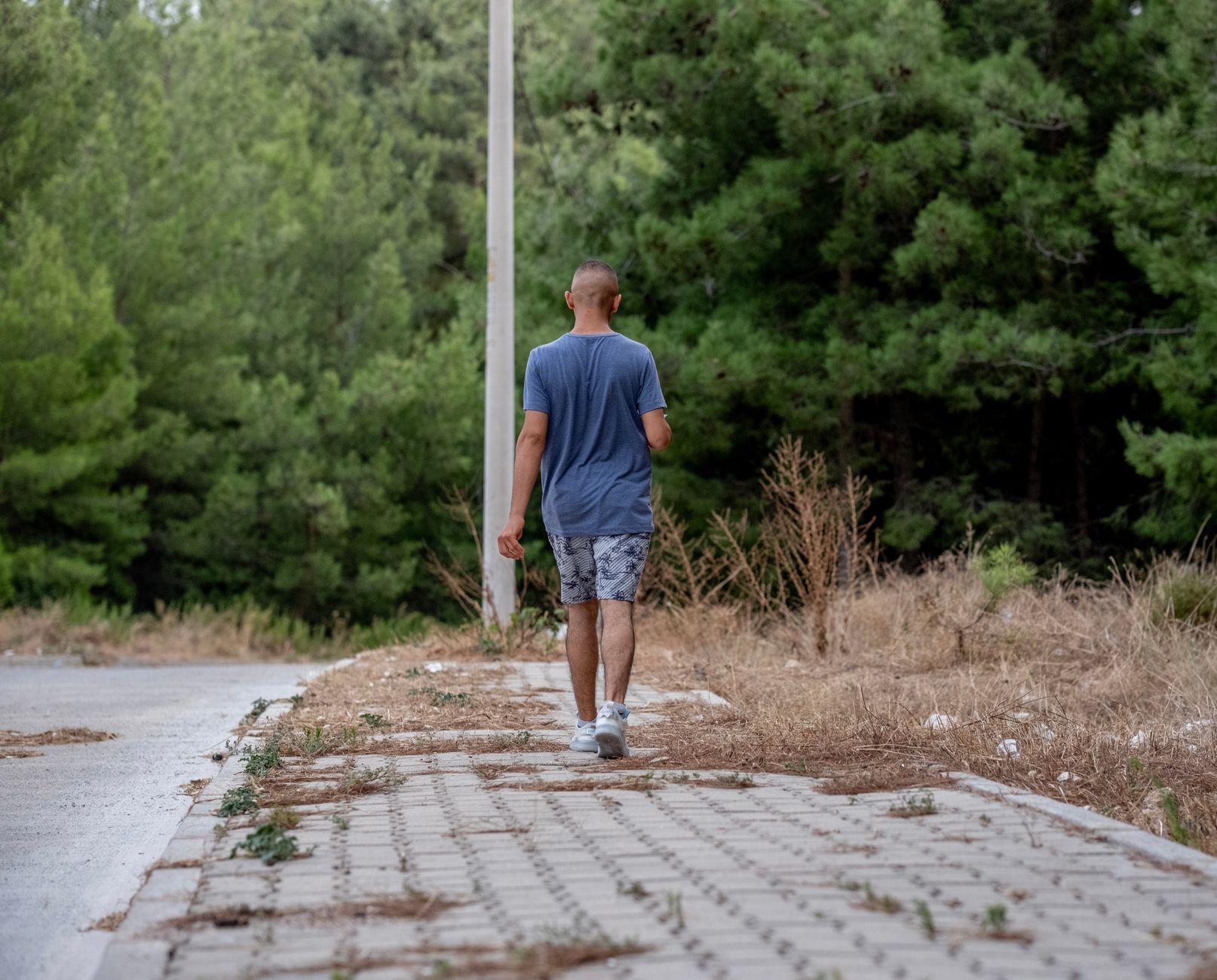
Best Time to Visit for Knee Replacement
Izmir enjoys a pleasant Mediterranean climate year-round, but the best time for knee replacement surgery and rehabilitation is during the spring (April to June) and autumn (September to November). During these months, temperatures are mild, ranging from 15°C to 25°C (59°F to 77°F), making outdoor activities comfortable and enjoyable.
Summer can be hot, with temperatures often exceeding 30°C (86°F), which might be uncomfortable for post-operative patients who need to wear compression stockings and avoid excessive heat. Winter is generally mild but can be rainy, potentially limiting outdoor walking. Spring and autumn offer the perfect balance for recovery, with plenty of sunshine and gentle breezes.
Additionally, these shoulder seasons are less crowded, allowing for more personalized attention at hospitals and rehabilitation centres. Patients can also take advantage of lower travel and accommodation costs compared to peak summer months.
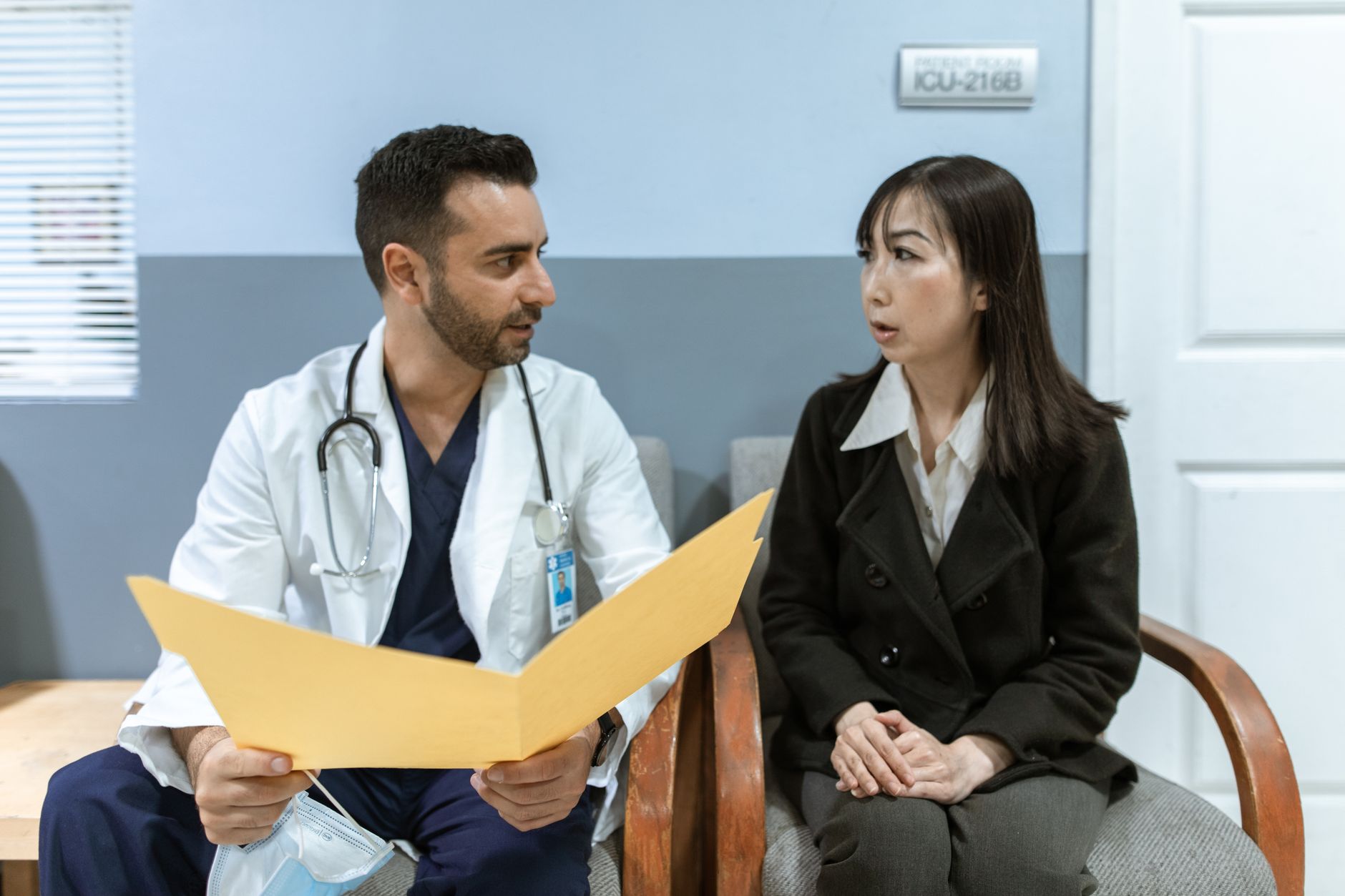
What to Expect: A Typical Treatment Journey
A typical treatment journey for knee replacement in Izmir spans about 10-14 days, including pre-operative assessments, surgery, and initial rehabilitation. Patients usually arrive a few days before surgery for consultations and tests. After surgery, they stay in the hospital for 2-3 days and then transfer to a hotel or rehabilitation facility for the remainder of their stay.
During the first week post-surgery, patients attend daily physiotherapy sessions and gradually increase their activity level. They also receive wound care and pain management support. By the time they return home, most patients can walk with crutches or a cane and have a clear understanding of their home exercise program.
Follow-up care continues after returning home, with scheduled check-ins with the surgeon and physiotherapist. Patients are advised to continue rehabilitation for several months to achieve optimal results. Izmir's medical teams provide comprehensive documentation and support to ensure a smooth transition to local care if needed.
Top Highlights
Popular Activities
Thinking about treatment in Turkey?
Send us a question about this site or about the information published on it. This is a publisher's mailbox, not a medical service and not a route to a particular provider — for clinical questions, contact your own doctor.
