

Prostate and Urological Cancer Surgery in Antalya: Robotic Precision on the Turkish Riviera
Why Antalya for Prostate and Urological Cancer Surgery?
Antalya has become a leading destination for men seeking robotic prostate surgery and other urological cancer procedures. The city hosts JCI-accredited and internationally recognized hospitals that invest in state-of-the-art robotic platforms and minimally invasive technology. Surgeons here perform high volumes of radical prostatectomies, partial and radical nephrectomies, and bladder cancer surgeries, giving patients access to experienced, focused care teams.
What sets Antalya apart is the setting. After surgery, patients recover in a calm Mediterranean environment — sea air, warm sunshine, and quiet coastal resorts — that supports rest and rehabilitation. Instead of a stressful urban recovery, you can step from a modern hospital into a serene seaside stay.
Antalya also offers strong value. Treatment packages often include hospital fees, robotic surgery, consultations, and accommodation at a fraction of Western European or North American costs — without compromising on accreditation or technology.
Robotic Precision: What It Means for Patients
Robotic-assisted urology uses a high-definition, 3D magnified view and wristed instruments that mimic the human hand with greater dexterity than traditional open surgery. This allows surgeons to operate through small incisions with enhanced precision.
For prostate cancer, this precision supports nerve-sparing techniques aimed at preserving urinary continence and erectile function when oncologically safe. For kidney cancer, it can enable partial nephrectomy — removing the tumor while sparing healthy kidney tissue. For bladder cancer, robotic cystectomy with urinary diversion is increasingly performed in selected cases.
Patients typically experience shorter hospital stays, less postoperative pain, reduced blood loss, and faster return to daily activities. While every case is unique, these advantages are well documented in high-volume robotic centers.

Multidisciplinary Teams Review Every Case Before Travel
Before you fly, your medical records — imaging, biopsy reports, PSA history, and pathology — are reviewed by a multidisciplinary team including urologists, medical oncologists, radiation oncologists, and radiologists. This case review before travel ensures the treatment plan is appropriate and personalized.
You receive a clear preliminary plan, expected hospital stay, and cost estimate before departure. This transparency reduces uncertainty and helps you prepare physically and mentally. On arrival, you meet your surgeon and team in person for final confirmation and any additional tests.
This collaborative approach reflects Türkiye's broader oncology standards, where hospitals follow international guidelines and participate in tumor boards. It is not a promise of a specific outcome, but a commitment to thorough, guideline-driven care.
Shorter Hospital Stays and a Calm Recovery
Minimally invasive robotic surgery often translates into shorter hospital stays — frequently 2–4 days for prostatectomy, depending on the individual. This means less time in a hospital bed and more time recovering in comfort.
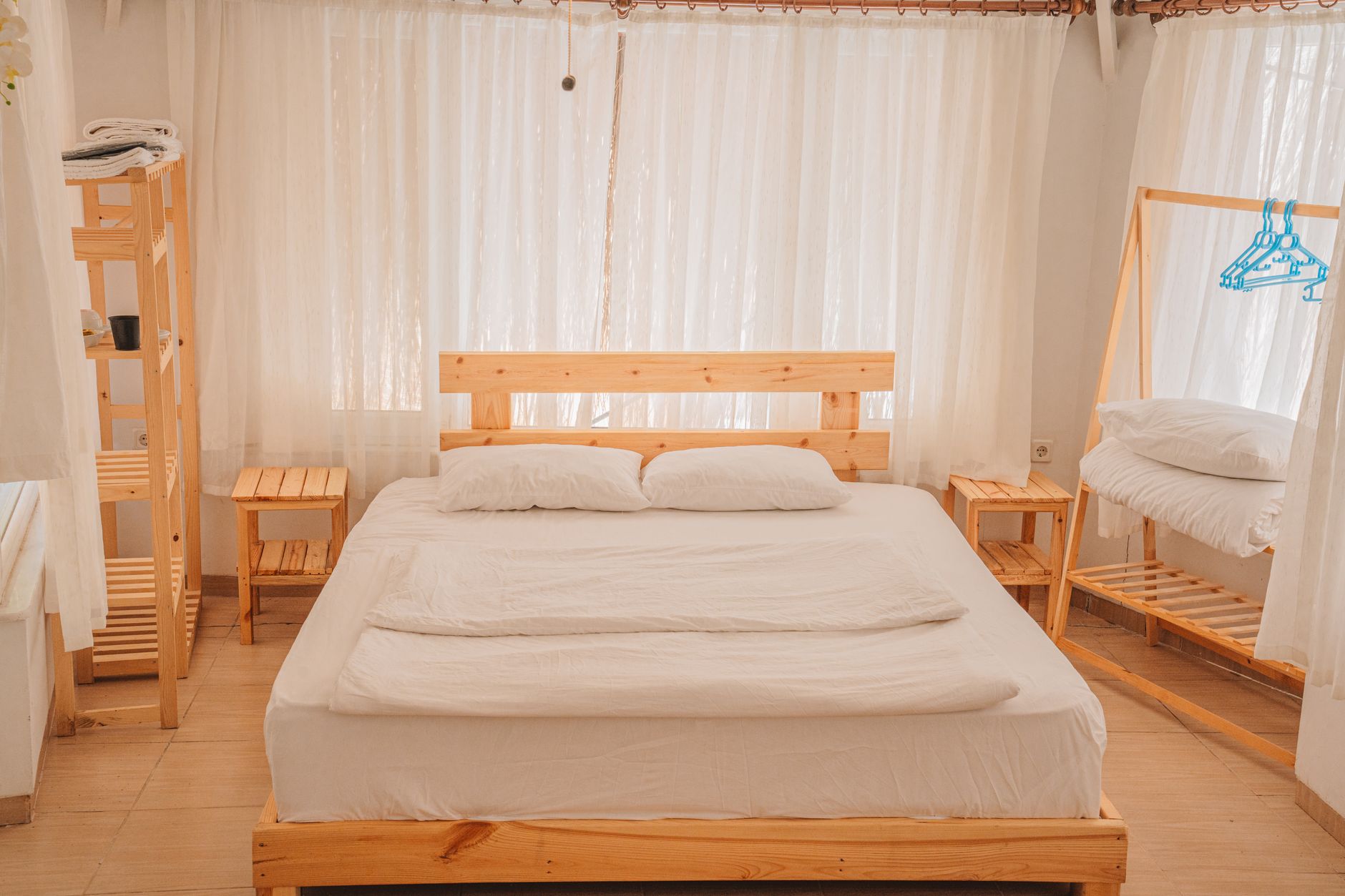
Antalya's recovery infrastructure is well suited to medical travelers. Many patients stay in beachfront hotels or dedicated recovery residences with nursing support, physiotherapy, and nutritious Mediterranean cuisine. Gentle walks along the coast, warm climate, and low stress promote healing.
Follow-up can be coordinated with your local doctor, and your Antalya team remains available for remote consultations. The goal is a smooth transition from surgery to normal life.

What to Expect: Your Medical Journey
Your journey typically begins with an online consultation and record review. If surgery is recommended, you receive a detailed treatment plan, timeline, and quote. Most patients are advised to arrive 2–3 days before surgery for pre-operative tests and最终 surgical planning.
The procedure itself takes a few hours, followed by a short hospital stay. Before discharge, you receive wound care instructions, medication guidance, and a follow-up schedule. A post-operative check is usually arranged before you fly home.
Overall, most patients spend 10–14 days in Antalya, combining treatment with a few days of gentle recovery by the sea.
Planning Your Trip: Best Time and Practical Tips
Antalya enjoys a mild Mediterranean climate. Spring (April–June) and autumn (September–November) offer pleasant temperatures ideal for recovery walks and relaxation. Summer can be hot, but hospital environments are fully air-conditioned, and many patients still travel then.
Most nationalities can enter Türkiye visa-free or with an e-visa for short stays. Ensure your passport is valid for at least six months. It is wise to bring copies of your medical records, a list of medications, and contact details of your local physician.
Consider travel insurance that covers medical complications, and confirm whether your chosen hospital offers interpreter services. English-speaking coordinators are common in accredited Antalya hospitals.
Antalya offers a rare combination: advanced robotic urology in accredited hospitals, transparent multidisciplinary review, and a serene Mediterranean setting for recovery. It is a destination where medical precision meets peace of mind.
Top Highlights
Popular Activities
Thinking about treatment in Turkey?
Share your contact details and a verified doctor will follow up with a plan built around you — free, no obligation.
