

Robotic Gynaecological Surgery in Istanbul
Why Choose Istanbul for Robotic Gynaecological Surgery?
Istanbul has emerged as a global hub for advanced medical care, particularly in minimally invasive gynaecological surgery. The city is home to high-volume surgical teams that perform hundreds of robotic procedures annually, leveraging state-of-the-art robotic platforms such as the da Vinci Surgical System. These centres are renowned for their expertise in treating complex conditions like uterine fibroids, endometriosis, and performing hysterectomies with precision and care.
Patients from around the world are drawn to Istanbul not only for the exceptional clinical outcomes but also for the seamless coordination and English-speaking support provided throughout their journey. The combination of skilled surgeons, cutting-edge technology, and patient-centric care makes Istanbul a compelling destination for women seeking advanced gynaecological treatment.
Moreover, the cost of robotic surgery in Istanbul is significantly lower than in many Western countries, without compromising on quality. This affordability, coupled with the opportunity to explore a city rich in history and culture, makes Istanbul an attractive option for medical travellers.
Conditions Treated with Robotic Surgery
Robotic gynaecological surgery in Istanbul addresses a wide range of women's health issues. Uterine fibroids, which affect many women and can cause heavy bleeding and pain, are often treated with robotic myomectomy, preserving the uterus and fertility. Endometriosis, a painful condition where tissue similar to the uterine lining grows outside the uterus, is managed through robotic excision, offering relief and improved quality of life.
Hysterectomy, the removal of the uterus, is performed robotically for conditions such as fibroids, endometriosis, or cancer. The robotic approach allows for smaller incisions, less blood loss, and a quicker return to daily activities compared to traditional open surgery. Other procedures include robotic removal of ovarian cysts, treatment of pelvic organ prolapse, and surgery for gynaecological cancers.
The high-volume teams in Istanbul have extensive experience in these procedures, ensuring that each patient receives a tailored treatment plan based on their specific condition and needs.

Benefits of Robotic Surgery: Smaller Incisions, Faster Recovery
Robotic surgery offers numerous advantages over traditional open surgery. The use of tiny incisions (typically 5-10 mm) reduces scarring and post-operative pain. Patients often experience less blood loss, lower risk of infection, and shorter hospital stays. Recovery times are significantly faster, allowing women to return to their normal activities within weeks rather than months.
The robotic system provides surgeons with a 3D high-definition view and enhanced dexterity, enabling precise movements and fine dissection. This is particularly beneficial in gynaecological surgery, where preserving surrounding structures such as nerves and blood vessels is crucial for maintaining urinary and sexual function.
Many patients report high satisfaction with the cosmetic results and the overall surgical experience. The combination of advanced technology and expert surgical teams in Istanbul ensures that patients receive the highest standard of care.

Your Patient Journey: From Consultation to Recovery
Your journey begins with a thorough consultation, either in person or via telemedicine, with an English-speaking gynaecologist. During this consultation, your medical history is reviewed, and diagnostic tests may be ordered. A personalised treatment plan is then developed, including a detailed explanation of the robotic surgical approach.
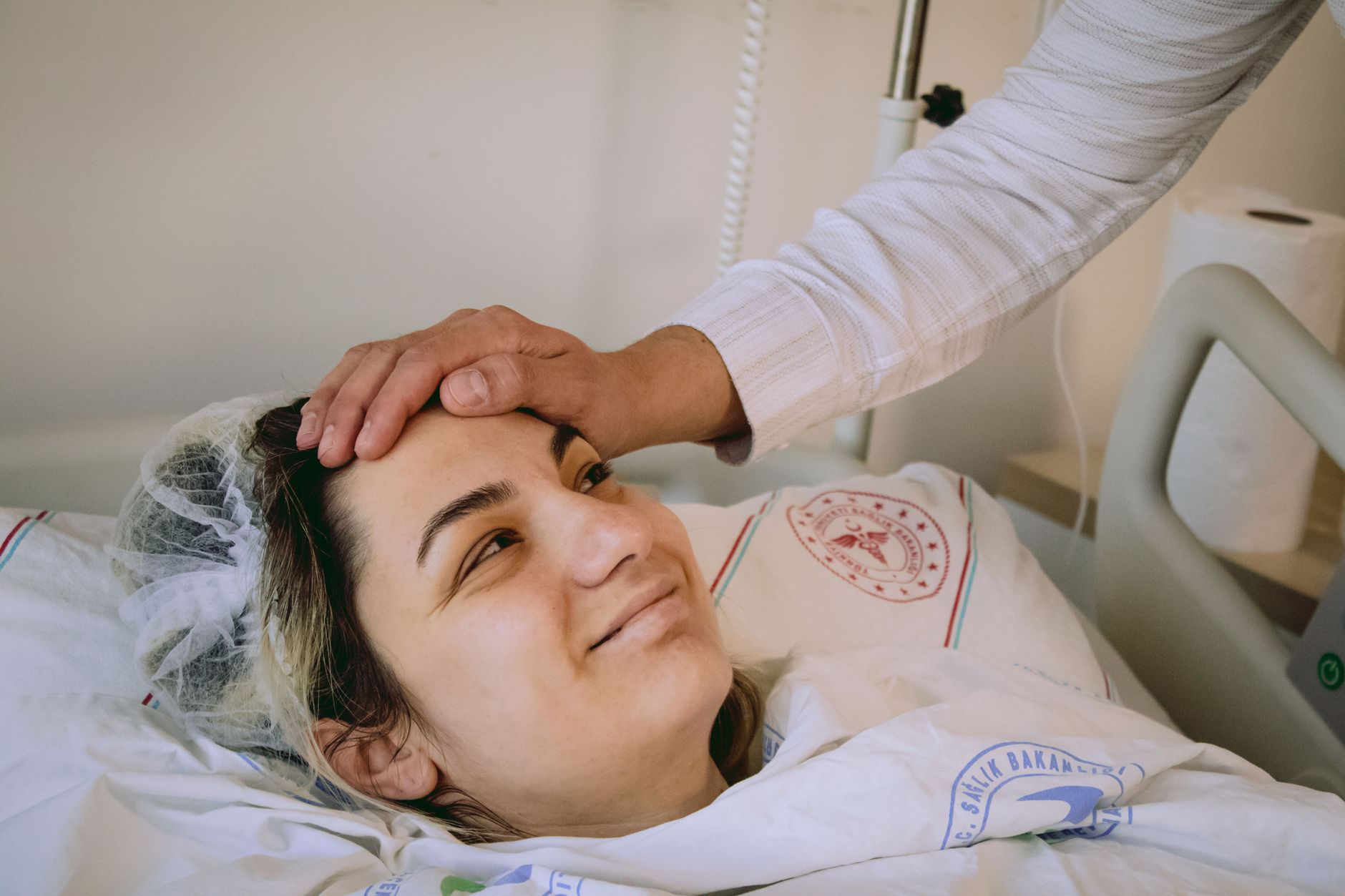
Upon arrival in Istanbul, you will have a pre-operative assessment, including any necessary imaging or blood tests. The surgery is performed at a modern, accredited hospital with dedicated robotic surgical suites. You will stay in a comfortable private room, with nursing care available around the clock.
Post-operative follow-up includes a review before discharge and a telemedicine consultation after you return home. The coordination team assists with travel arrangements, accommodation, and translation services, ensuring a smooth and stress-free experience.
Choosing the Right Centre and Surgical Team
When selecting a centre for robotic gynaecological surgery in Istanbul, consider factors such as the surgical team's experience, hospital accreditation, and patient support services. High-volume centres with surgeons who specialise in robotic gynaecology often have better outcomes and lower complication rates.
Look for hospitals that are internationally accredited, such as by the Joint Commission International (JCI), and that offer comprehensive care in multiple languages. Reading patient testimonials and outcomes data can also help you make an informed decision.
At Istanbul Medical Tourism, we partner with leading centres that meet these criteria, ensuring you receive safe, effective, and compassionate care.

Planning Your Medical Trip to Istanbul
The best time to visit Istanbul for surgery is during the spring (April-May) or autumn (September-October) when the weather is mild and pleasant. The recommended length of stay is typically 7-10 days, including pre-operative tests, surgery, and initial recovery.
Istanbul is well-connected by major airlines, and many hospitals offer airport transfer services. Accommodation options range from budget-friendly hotels to luxury suites, often located near the hospital. The city itself offers a wealth of attractions, from historic sites like Hagia Sophia and Topkapi Palace to vibrant markets and delicious cuisine, allowing for a comfortable recovery and a memorable stay.
Our team can assist with all logistical aspects of your trip, ensuring a seamless medical travel experience.
Top Highlights
Popular Activities
Thinking about treatment in Turkey?
Send us a question about this site or about the information published on it. This is a publisher's mailbox, not a medical service and not a route to a particular provider — for clinical questions, contact your own doctor.
