

Robotic and Laparoscopic Hysterectomy in Kocaeli: Marmara Women's Health Centres for Faster Recovery
Why Kocaeli for Minimally Invasive Gynaecological Surgery
Kocaeli sits at the heart of Türkiye's Marmara industrial and medical innovation corridor, only a short drive or ferry ride from Istanbul and its international airports. Its private women's health centres have invested heavily in advanced surgical platforms, bringing robotic-assisted and laparoscopic gynaecological procedures to a region once served only by open surgery.
For international patients, this means access to high-volume, technique-focused surgical teams in a calmer, less crowded setting than central Istanbul — with the same standards of operating theatres, sterilisation and post-operative monitoring. Many centres pair their surgical units with dedicated international patient departments, so language and logistics never become a barrier to care.
Surgeons here specialise in women's health: uterine fibroids, endometriosis, adenomyosis, abnormal bleeding and pelvic pain. That focus translates into refined judgement about when a minimally invasive approach is possible, and the skill to complete complex cases through tiny incisions.
Robotic and Laparoscopic Hysterectomy Explained
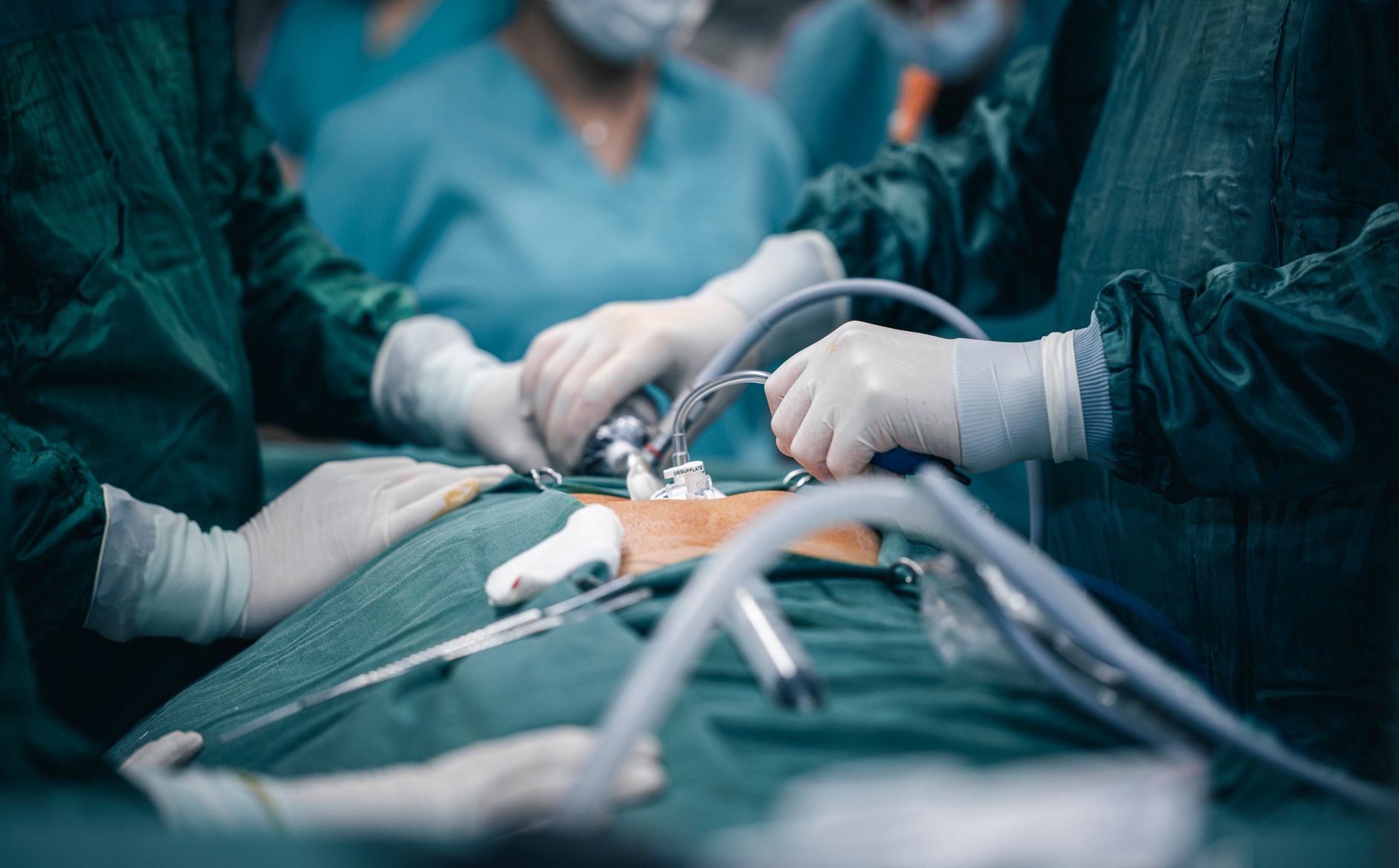
A hysterectomy — removal of the uterus — is one of the most common major gynaecological operations worldwide. Traditionally performed through a large abdominal incision, it is now routinely offered in Kocaeli through two minimally invasive routes. In laparoscopic hysterectomy, the surgeon operates through a few small keyhole incisions using long, precise instruments and a camera. In robotic-assisted hysterectomy, the surgeon controls robotic arms that translate hand movements into steady, micro-scale motions with magnified 3D vision.
Both techniques avoid the large abdominal cut. Where clinically appropriate, surgeons may also perform a vaginal or laparoscopically assisted vaginal approach, sometimes leaving the cervix in place and preserving ovarian function when that is the right choice for the patient.
The choice between laparoscopic and robotic surgery depends on anatomy, the size of the uterus, the presence of fibroids or endometriosis, previous surgery and each woman's health history. Kocaeli's teams assess these factors carefully and explain the recommendation in plain, multilingual terms before any decision is made.
Fibroids, Endometriosis and the Case for Keyhole Surgery
Uterine fibroids are the single most common reason for hysterectomy, and they can also be treated with myomectomy (fibroid removal) or embolisation when a woman wishes to preserve her uterus. Laparoscopic and robotic myomectomy in Kocaeli offers women a uterus-sparing option with far less scarring and recovery time than open surgery.
Endometriosis is another area of concentration. Deep infiltrating disease and endometriomas can be technically demanding, and Kocaeli's gynaecological teams use laparoscopy to excise disease precisely while preserving healthy tissue and fertility where possible. Robotic platforms add dexterity in narrow pelvic spaces, particularly for cases involving the bowel or ureters.
For women whose symptoms are severe or whose uterus cannot be preserved, hysterectomy remains a definitive and safe solution. Minimally invasive techniques make that operation considerably easier to recover from — an important consideration for patients travelling abroad on a fixed schedule.

The Recovery Advantage for International Patients
The central promise of keyhole gynaecological surgery is straightforward: smaller incisions, less post-operative pain, less blood loss and a shorter hospital stay. Many patients in Kocaeli go home within one to three days after laparoscopic or robotic hysterectomy, compared with four to six days or more after open abdominal surgery. Wounds are typically a few centimetres in total, reducing infection risk and leaving minimal scarring.
Faster discharge matters enormously for medical travellers. A shorter hospital stay lowers total cost, frees up days in Türkiye and reduces the time away from family and work. Most women are walking comfortably within a day, managing with simple analgesia, and ready for a supervised return flight within one to two weeks, subject to their surgeon's assessment.
Kocaeli's centres reinforce surgery with structured post-operative pathways: early mobilisation, thrombosis prevention, dietary guidance and clear written aftercare instructions in the patient's language. Remote follow-up by video call means patients can be monitored after returning home, with the surgical team reachable for questions.

Türkiye's Surgical Innovation and Quality Standards
Türkiye has become one of the world's most active destinations for planned surgery, and gynaecology is no exception. Ministry of Health-licensed hospitals and clinics operate to recognised international standards, and many hold accreditation or work in partnership with European and international medical bodies. Robotic surgery programmes have expanded rapidly across the Marmara region, supported by trained console surgeons, dedicated theatre teams and modern intensive care backup.
Kocaeli's proximity to Istanbul gives it access to the same supply chains, biomedical engineers and continuing education networks that support Türkiye's leading academic centres. Surgeons regularly participate in international congresses on minimally invasive gynaecology, and robotic and laparoscopic case volumes are high enough to sustain genuine expertise.
For patients, this combination — advanced technology, high volume and rigorous training — is what makes travelling for surgery a reasonable choice. Transparent pricing and package-based care further distinguish the Turkish model from many Western systems.
Supportive, Multilingual Care for Women
International patients are not left to navigate the system alone. Kocaeli's women's health centres typically assign a personal coordinator who arranges airport transfers, accommodation near the hospital, interpretation during consultations and consent discussions, and accompaniment on the day of surgery. Female interpreters are often available on request, which many patients find reassuring.
Care is designed around women's preferences: private rooms, female nursing staff where possible, and unhurried consultations in English, Arabic, Russian, German or other languages. Consent is explained thoroughly, and patients are encouraged to ask questions — including about fertility preservation, hormone therapy and sexual health after surgery.
Beyond the operating theatre, teams provide psychological support, physiotherapy advice and clear guidance on when to resume work, exercise and intimacy. This holistic model reflects a broader shift in Turkish gynaecology toward patient-centred, respectful care — and it is a large part of why women return home recommending Kocaeli to friends and family.
Top Highlights
Popular Activities
Thinking about treatment in Turkey?
Send us a question about this site or about the information published on it. This is a publisher's mailbox, not a medical service and not a route to a particular provider — for clinical questions, contact your own doctor.
