

Robotic Prostate Surgery in Ankara: Türkiye's Capital for Precision Urological Care
Why Choose Ankara for Robotic Prostate Surgery?
Ankara, Türkiye's capital, is home to some of the country's most prestigious university hospitals and JCI-accredited medical institutions. These centers have invested heavily in robotic surgical platforms, including the da Vinci Xi and other advanced systems, to offer patients minimally invasive treatment for prostate cancer. For international men, this means access to high-volume robotic prostatectomy programs with outcomes that rival leading global centers.
The city's medical ecosystem is supported by a deep pool of fellowship-trained urologists who specialize in robotic-assisted radical prostatectomy. Many have trained abroad and return to Türkiye to apply the latest techniques in nerve-sparing and continence-preserving surgery. The combination of academic rigor, technological investment, and patient-centered care makes Ankara a compelling choice for prostate cancer surgery.
The Treatment: Robotic-Assisted Radical Prostatectomy
Robotic-assisted radical prostatectomy is a minimally invasive procedure to remove the prostate gland and seminal vesicles while preserving the neurovascular bundles responsible for erectile function and the sphincter muscles that control urination. During surgery, the urologist sits at a console and controls robotic arms that translate hand movements into precise, tremor-free motions inside the patient's pelvis.
The procedure is typically performed under general anesthesia and lasts between two and four hours, depending on the complexity and whether nerve-sparing is feasible. Small incisions (about 1–2 cm each) are made for the robotic instruments and a camera, resulting in less blood loss, reduced postoperative pain, and faster recovery compared to open surgery. Most patients are discharged within 24 to 48 hours.
In Ankara's leading hospitals, the surgical team often includes a dedicated pathologist for intraoperative frozen sections, ensuring clear margins and optimal cancer control. Advanced imaging and nerve-monitoring techniques are used to maximize functional outcomes.
Recovery Milestones and Short Hospital Stays
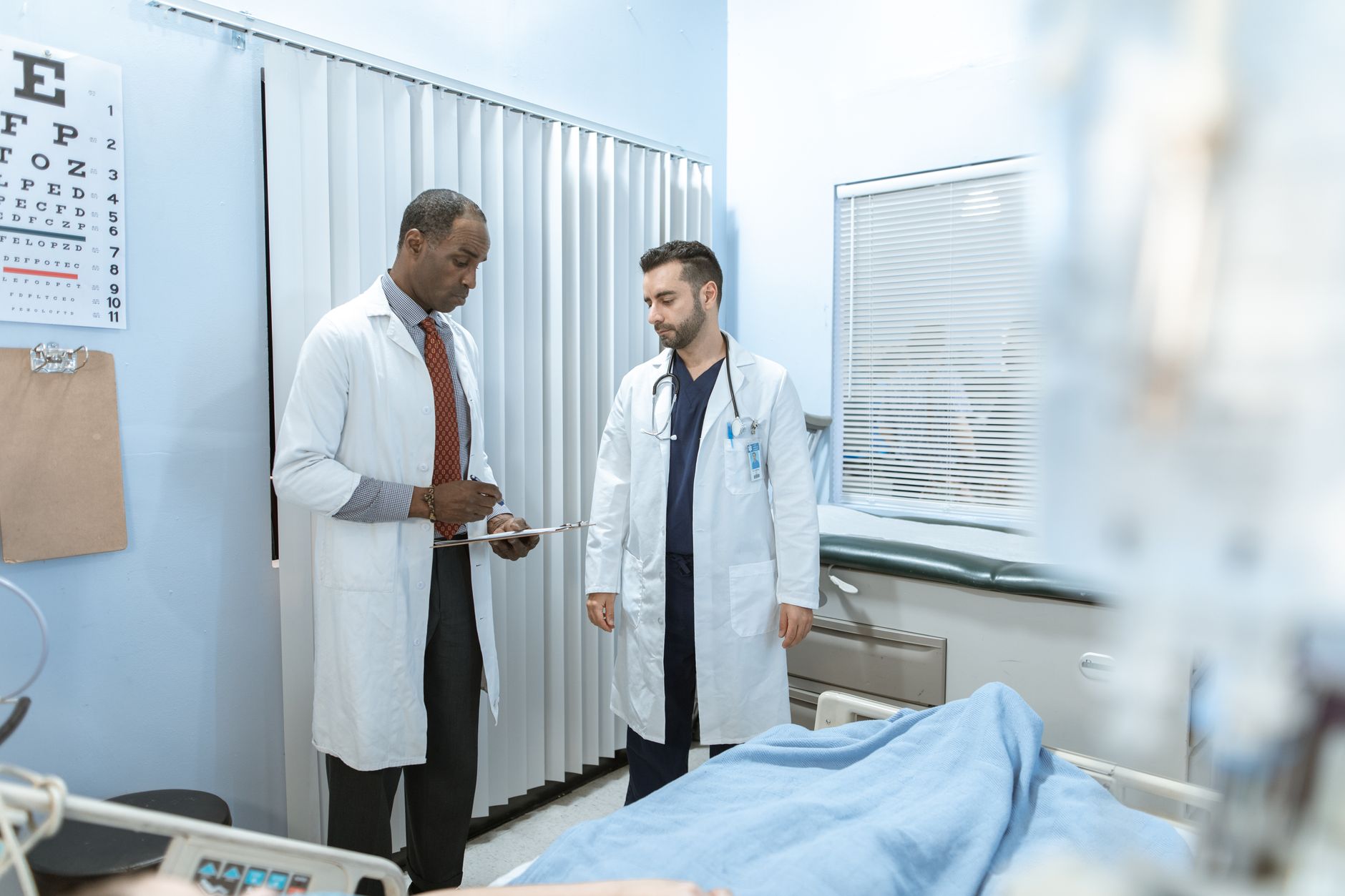
Recovery after robotic prostate surgery is typically faster than with traditional open approaches. Patients are encouraged to walk within hours of surgery to prevent blood clots. A urinary catheter is usually removed within 5 to 7 days, and most men return to light activities within two weeks. Full recovery and return to strenuous exercise may take four to six weeks.
Continence: Many patients regain urinary control within a few weeks to a few months, thanks to meticulous nerve and sphincter preservation. Pelvic floor exercises (Kegels) are an essential part of rehabilitation.
Potency: Erectile function recovery varies based on preoperative function, age, and the extent of nerve sparing. Medications or vacuum devices can aid recovery, and many men see improvement over 6 to 18 months.
The short hospital stay—often just one night—reduces the risk of hospital-acquired infections and allows patients to recover in the comfort of a hotel or residence. Ankara's hospitals provide comprehensive follow-up, including PSA testing and rehabilitation support, ensuring a smooth transition back to daily life.
Türkiye's Investment in Robotic Platforms and Urological Expertise
Türkiye has made significant investments in robotic surgery over the past decade, with numerous hospitals acquiring advanced robotic systems and establishing dedicated robotic surgery training centers. This commitment has led to a surge in the number of robotic prostatectomies performed annually, giving Turkish urologists extensive experience and refined techniques.
Ankara's university hospitals and JCI-accredited centers are at the forefront of this movement. They participate in international registries, publish outcomes, and host workshops for surgeons from around the world. The concentration of expertise means patients benefit from a team that performs a high volume of robotic prostatectomies, which is strongly correlated with better outcomes.
Furthermore, Turkish urologists are known for their meticulous surgical skills and personalized care. Many speak English and other languages, and hospitals provide dedicated international patient departments to assist with travel, accommodation, and translation.
Continence and Potency Preservation: What to Expect
One of the primary concerns for men undergoing prostatectomy is the impact on urinary continence and sexual function. In Ankara, surgeons employ a range of techniques to preserve these functions, including:
- Nerve-sparing surgery: Identifying and preserving the neurovascular bundles that run alongside the prostate.
- Retzius-sparing approach: A technique that avoids certain ligaments to speed continence recovery.
- Anterior and posterior reconstruction: Reinforcing the sphincter and supporting tissues.
- Intraoperative frozen section analysis: To confirm clear margins while maximizing nerve preservation.
Studies from Turkish centers show continence rates of 85–95% within 12 months and potency recovery rates that are comparable to international benchmarks. Your surgeon will discuss realistic expectations based on your individual case.
Planning Your Medical Journey to Ankara
Ankara is easily accessible via Esenboğa Airport (ESB), with direct flights from major European and Middle Eastern cities. Hospitals often provide airport transfers and assistance with visa letters. The city offers a range of accommodation options near medical centers, from luxury hotels to serviced apartments.
Before traveling, you will have a virtual consultation with your surgeon, who will review your medical records, including PSA levels, biopsy results, and imaging. A personalized treatment plan and cost estimate will be provided. Typically, patients are advised to arrive a few days before surgery for preoperative tests and to stay in Ankara for about 10–14 days after discharge for follow-up and catheter removal.
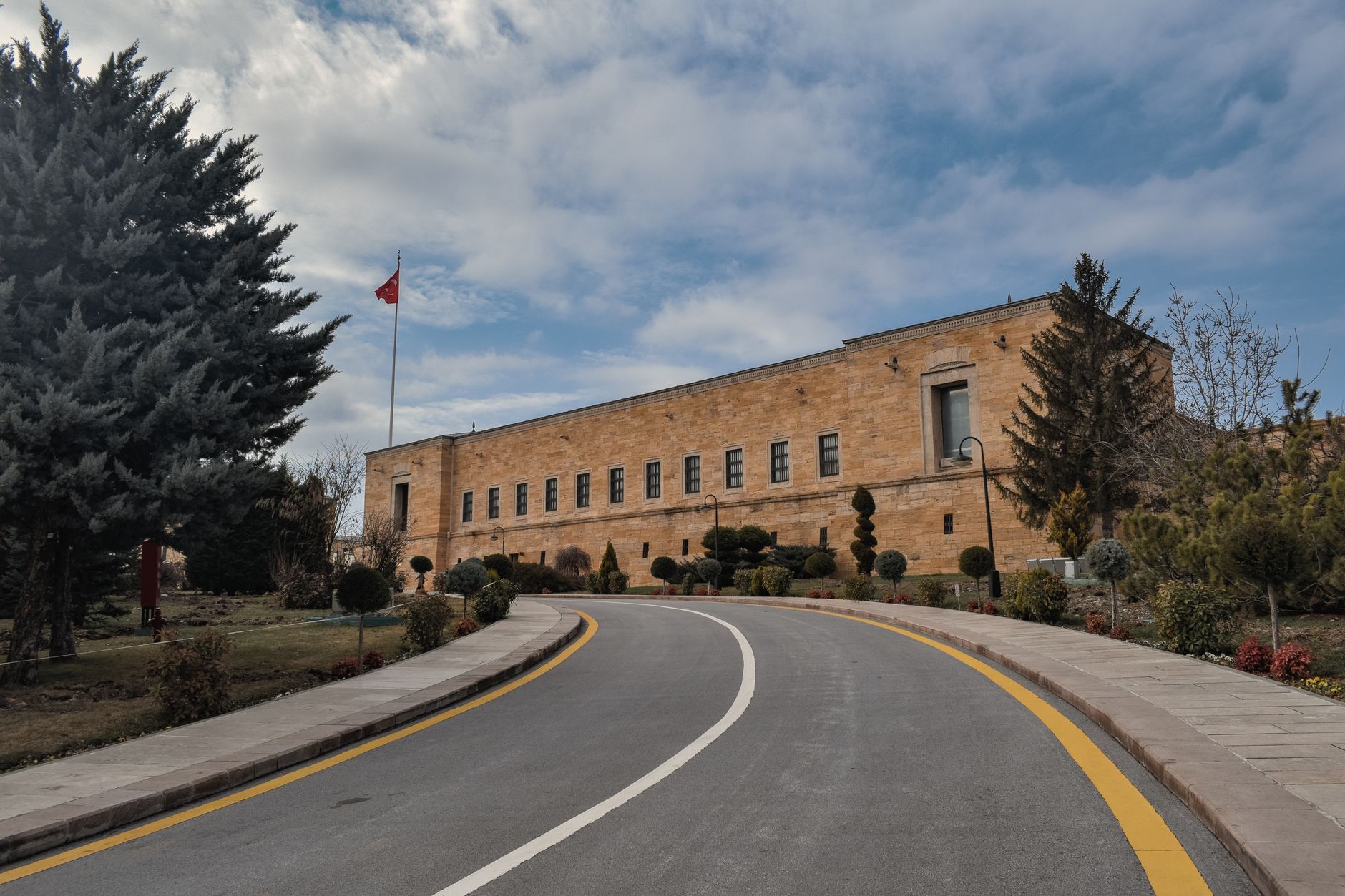
Combining advanced medical care with the opportunity to explore Ankara's rich history and culture can make your medical journey a positive experience. The city boasts landmarks such as Anıtkabir, the Museum of Anatolian Civilizations, and the historic Citadel.
Top Highlights
Popular Activities
Thinking about treatment in Turkey?
Share your contact details and a verified doctor will follow up with a plan built around you — free, no obligation.
