

Shoulder and Elbow Surgery in Ankara: Türkiye's Capital for Upper-Limb Orthopaedics
Why Choose Ankara for Shoulder and Elbow Surgery?
Ankara, Türkiye's capital, is home to some of the country's most prestigious university hospitals and specialised orthopaedic centres. These institutions are renowned for their academic rigour, research-driven approach, and adoption of advanced arthroscopic techniques. Surgeons here are frequently involved in international collaborations and are committed to evidence-based practice. For patients seeking shoulder replacement, rotator cuff repair, or elbow surgery, Ankara offers a compelling combination of expert care and modern infrastructure.
Unlike crowded tourist hubs, Ankara provides a calm, focused environment for medical travellers. The city is easily accessible via Esenboğa International Airport, with direct flights from major European, Middle Eastern, and Asian cities. Its central location makes it a convenient stop for patients from neighbouring countries, and the city's well-developed healthcare system ensures seamless coordination between specialists, physiotherapists, and support staff.
International patient departments in Ankara's hospitals are experienced in handling the unique needs of overseas visitors, from language interpretation to travel logistics. Many facilities offer dedicated coordinators who assist with appointment scheduling, accommodation, and post-operative follow-up, ensuring a stress-free experience. The combination of academic expertise, modern technology, and patient-centric services makes Ankara a top choice for upper-limb orthopaedics.
Comprehensive Assessment and Diagnosis
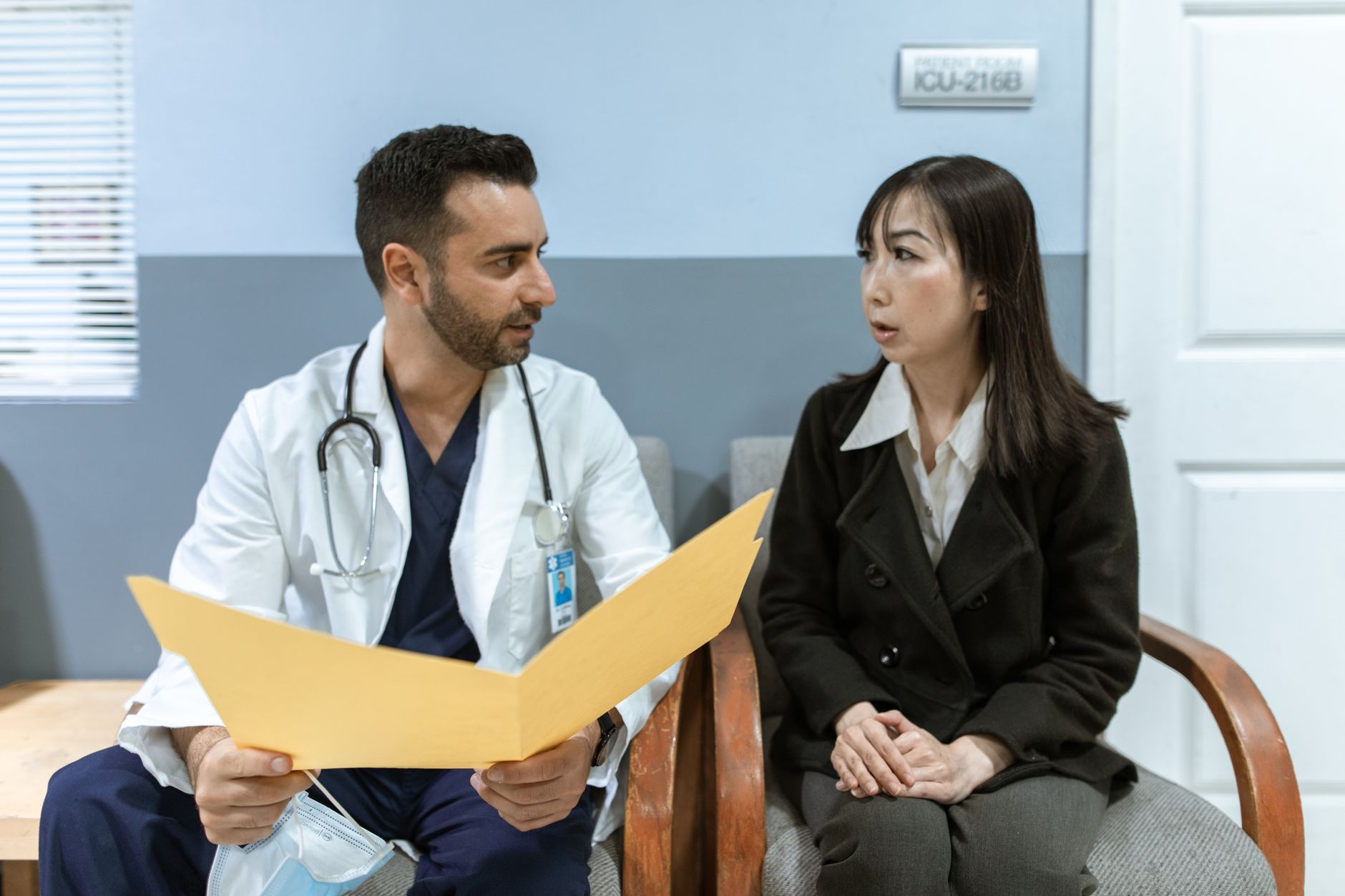
The journey to recovery begins with a thorough assessment. Upon arrival, patients undergo a detailed clinical evaluation by an orthopaedic surgeon specialising in shoulder and elbow conditions. This includes a review of medical history, physical examination, and imaging studies. Ankara's hospitals are equipped with high-resolution MRI, CT scans, and digital X-ray, enabling precise diagnosis of complex pathologies such as rotator cuff tears, shoulder arthritis, elbow instability, and ligament injuries.
Diagnostic arthroscopy may be recommended in some cases to directly visualise joint structures and confirm the extent of damage. This minimally invasive procedure allows surgeons to assess cartilage, ligaments, and tendons in real-time, facilitating accurate treatment planning. The assessment phase is conducted efficiently, often within 24-48 hours of arrival, to minimise waiting time for international patients.
Following diagnosis, the surgical team discusses treatment options in detail, considering the patient's age, activity level, and goals. A personalised plan is developed, which may include non-surgical measures, arthroscopic repair, or joint replacement. Patients are encouraged to ask questions and are provided with educational materials in multiple languages to ensure informed decision-making.
Surgical Options: Arthroscopic and Replacement Procedures
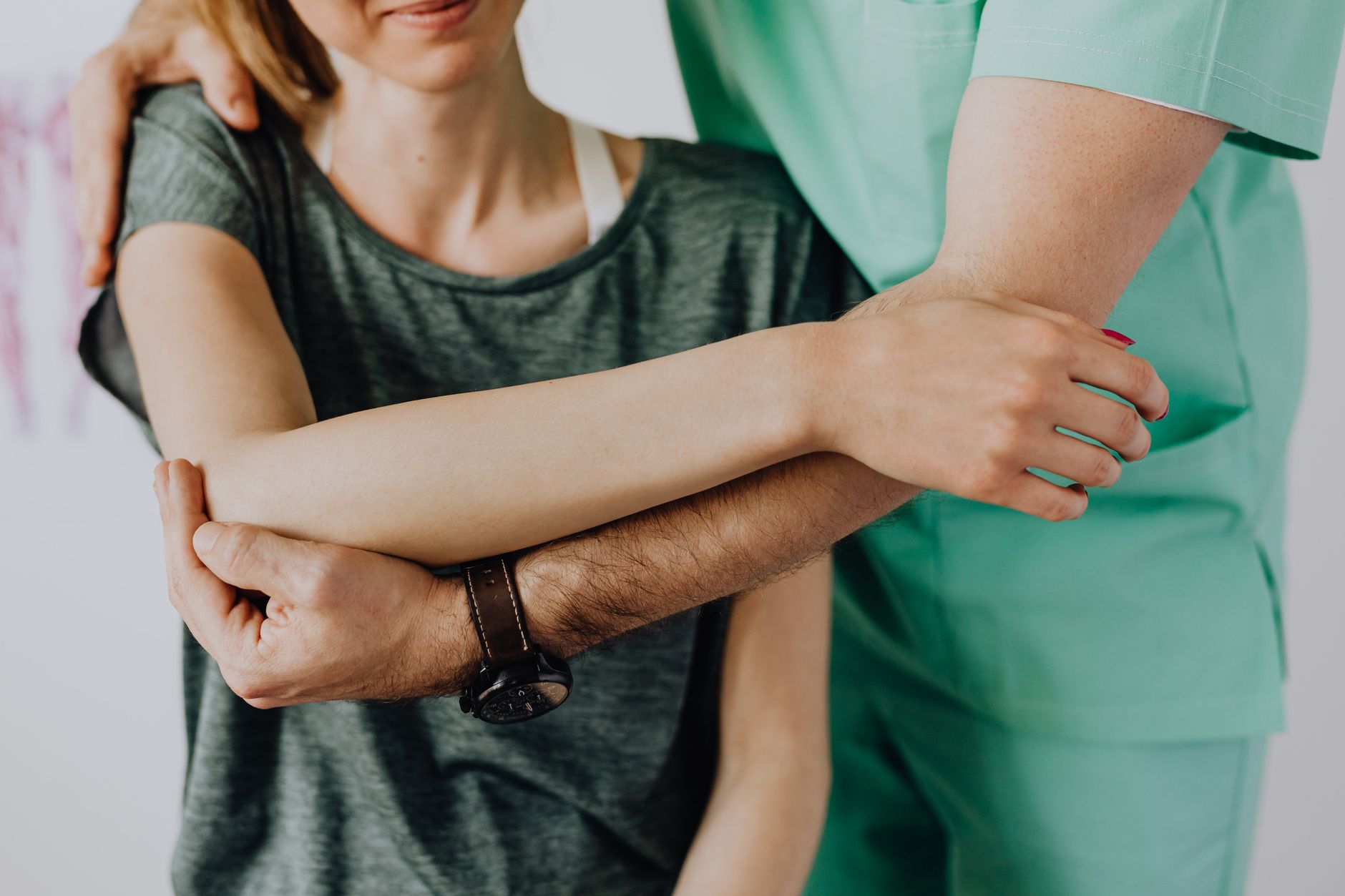
Ankara's orthopaedic centres excel in arthroscopic surgery, a minimally invasive technique that uses small incisions and a camera to treat joint problems. For rotator cuff tears, arthroscopic repair involves reattaching the tendon to the bone using suture anchors, with the advantage of less pain, smaller scars, and faster recovery compared to open surgery. Similarly, arthroscopic techniques are employed for shoulder instability, labral tears, and elbow ligament reconstruction.
When joint damage is severe, shoulder replacement surgery may be necessary. Ankara's hospitals offer anatomic and reverse total shoulder replacements, using the latest prostheses and computer-assisted navigation for precise implant positioning. These advanced techniques improve outcomes and longevity of the replacement. Elbow surgery, including arthroscopic debridement, ligament repair, and elbow replacement, is also performed with high expertise.
All surgical procedures are carried out in state-of-the-art operating theatres with laminar airflow and advanced anaesthesia monitoring. Post-operative pain management protocols, including regional anaesthesia and multimodal analgesia, are implemented to enhance comfort and facilitate early mobilisation. Patients typically spend 1-2 nights in the hospital for arthroscopic procedures and 2-3 nights for joint replacements, depending on individual recovery.

Rehabilitation and Recovery
Rehabilitation is integral to successful outcomes in upper-limb orthopaedics. Ankara's hospitals provide structured, phase-based rehabilitation programmes tailored to each patient's surgery and functional goals. Physiotherapy begins immediately after surgery, focusing on protected range of motion, pain control, and gradual strengthening. Dedicated physiotherapists work closely with patients to ensure proper technique and prevent complications.
International patients receive a comprehensive rehabilitation plan before discharge, including detailed instructions, exercise videos, and equipment recommendations. Tele-rehabilitation follow-ups are available for those who return home, allowing therapists to monitor progress remotely. The average rehabilitation period is 3-6 months for rotator cuff repair and 4-6 months for shoulder replacement, with most patients achieving significant functional improvement within the first three months.
Ankara's hospitals also offer accelerated rehabilitation pathways for suitable candidates, which can shorten recovery time and help patients return to daily activities sooner. The city's central location and excellent transport links make it easy for patients to attend follow-up appointments if they choose to stay locally during the early rehabilitation phase.
Academic Expertise and Modern Technology
Ankara's reputation as a centre for upper-limb orthopaedics stems from its academic hospitals, which are affiliated with leading universities and research institutions. Many surgeons hold professorships and are actively involved in clinical trials and international registries, ensuring access to the latest evidence-based treatments. This academic environment fosters a culture of continuous improvement and innovation.
The hospitals invest heavily in modern technology, including 3D planning software, patient-specific instrumentation, and advanced arthroscopic equipment. These tools enhance surgical precision and improve outcomes. Additionally, some centres offer biologic treatments such as platelet-rich plasma (PRP) and stem cell therapy as adjuncts to surgery, although these are selected on a case-by-case basis.
Patients can expect a multidisciplinary team approach, with collaboration between orthopaedic surgeons, radiologists, physiotherapists, and pain specialists. This comprehensive care model ensures that all aspects of the patient's health are addressed, leading to better surgical results and faster recovery.
Accessible and Central for Medical Travellers
Ankara's central location in Türkiye makes it a convenient destination for medical travellers from Europe, the Middle East, and Asia. The city is served by Esenboğa International Airport, with numerous direct flights and easy connections via Istanbul. Visa procedures for medical tourism are straightforward, and many hospitals provide invitation letters for visa applications.
Accommodation options range from luxury hotels to serviced apartments near major hospitals, catering to different budgets. The city's public transportation system, including metro and buses, is efficient and affordable, and hospitals often provide shuttle services for international patients. English-speaking staff and interpreters are readily available in medical facilities, reducing language barriers.
Beyond medical care, Ankara offers a rich cultural experience with historical sites such as Anıtkabir, the Museum of Anatolian Civilizations, and the historic Ankara Castle. Patients and their companions can explore the city's museums, parks, and culinary scene during their recovery, making the medical journey a positive and enriching experience.
Top Highlights
Popular Activities
Thinking about treatment in Turkey?
Send us a question about this site or about the information published on it. This is a publisher's mailbox, not a medical service and not a route to a particular provider — for clinical questions, contact your own doctor.
