

Shoulder Replacement and Rotator Cuff Surgery in Gaziantep: Southeastern Türkiye's Orthopaedic Expertise
Why Gaziantep for Shoulder Surgery?
Gaziantep has quietly become one of southeastern Türkiye's most trusted destinations for orthopaedic care. Its shoulder surgeons perform high volumes of arthroscopic rotator cuff repairs and shoulder joint replacements each year, supported by modern MRI and CT imaging, dedicated operating theatres and physiotherapy teams who work alongside the surgeon from day one.
What sets the city apart, however, is the human side. Gaziantep has centuries of experience hosting travellers, traders and neighbours from across the region, and its hospitals are accustomed to supporting patients from Syria, Iraq, Jordan, Lebanon and beyond. Arabic-speaking staff, patient coordinators who understand cross-border logistics and a culture of generous hospitality mean that international patients rarely feel like strangers.
Gaziantep's surgeons are also experienced in the particular challenges of patients who arrive with long-standing shoulder problems — chronic tears, stiffness after previous injury, or arthritis that has developed over years. This shapes the assessment and the rehabilitation plan, which is tailored rather than generic.
Understanding Your Shoulder Problem
The shoulder is the most mobile joint in the body, and that mobility comes at a cost: the rotator cuff tendons that stabilise it are vulnerable to wear, tear and inflammation. Common reasons patients seek surgery include a rotator cuff tear that has not responded to physiotherapy, shoulder arthritis with severe pain and loss of movement, or instability and impingement that limit everyday activities such as dressing, sleeping or reaching overhead.
At the first consultation in Gaziantep, your surgeon will review your history, examine the shoulder and correlate findings with imaging — usually an MRI, sometimes a CT scan for bony detail and planning of a replacement. You will be asked about your goals: returning to manual work, lifting grandchildren, swimming, or simply sleeping through the night without pain.
The surgeon will then explain whether arthroscopic (keyhole) surgery, a shoulder replacement, or a combined approach is most appropriate. Rotator cuff repair is typically performed arthroscopically, while shoulder replacement — whether anatomical or reverse — is chosen based on the state of your cuff tendons and joint surfaces. The conversation is candid about what surgery can and cannot achieve, and what rehabilitation will demand of you.
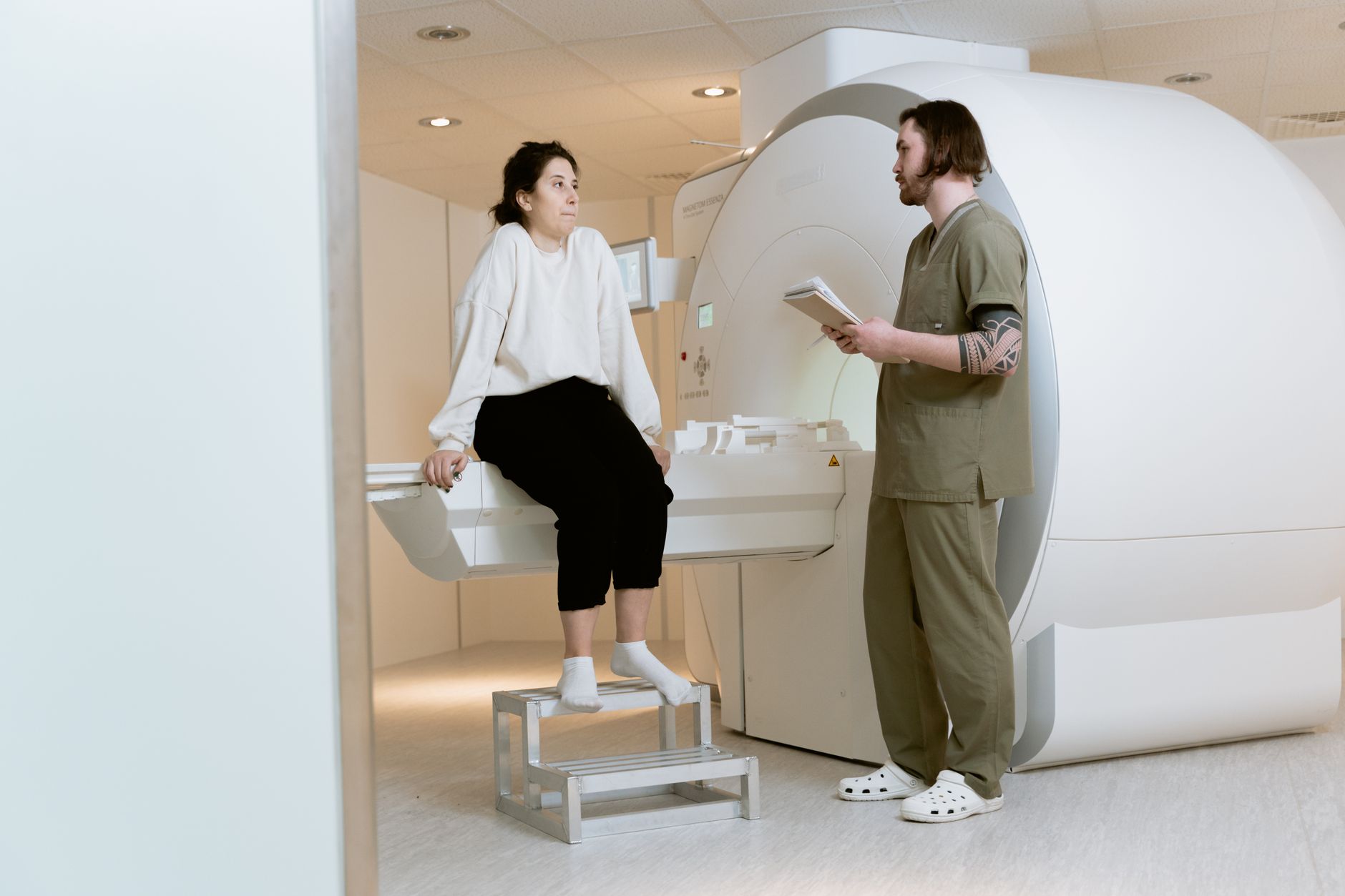
How the Clinic Builds Your Staged Rehabilitation Plan
Rehabilitation is not an afterthought in Gaziantep; it is written into the surgical plan. Before the operation, your physiotherapy team will meet you, record baseline movement and strength, and explain the phases ahead. This pre-operative session also covers practical matters: how to sleep with a sling, how to dress, and which movements to avoid in the early weeks.
The plan is staged around tissue healing. The first phase protects the repair or the new joint, with gentle passive and assisted movement only. The second phase introduces active movement and light strengthening once the surgeon confirms healing is on track. The final phase focuses on functional strength, endurance and the specific activities you care about. Each stage has clear criteria for progression rather than fixed dates alone.
Your progress is reviewed at scheduled intervals — typically around the first dressing change, at the removal of stitches, and at follow-up consultations. If you are returning home to another country, the clinic provides a written rehabilitation protocol in plain language (with Arabic or English translation where needed) that your local physiotherapist can follow, plus contact details for questions that arise after you leave.
Patients are not discharged from the plan; they are handed a clear roadmap and a team that stays reachable long after the flight home.
What to Realistically Expect: Week by Week
Weeks 1–2: Most patients spend one or two nights in hospital. The shoulder is protected in a sling, and pain is managed with medication and, where appropriate, a nerve block. You will begin gentle pendulum and assisted movements under supervision. Sleeping is often the biggest challenge in this period, and the team will show you supported positions. International patients typically stay in Gaziantep through this phase, with a hotel or guesthouse arranged near the hospital.
Weeks 3–6: The sling is gradually reduced as advised. Active-assisted movement progresses to active movement, and light strengthening begins for many patients, depending on the procedure. Stitches or staples have usually been removed by now. This is also the common window for returning home, armed with your written protocol, and many patients complete the remainder of rehabilitation locally with remote guidance from the Gaziantep team.
Weeks 7–12: Strength and range of motion improve noticeably. Rotator cuff repair patients often regain comfortable movement for light daily tasks, though heavy lifting remains off-limits. Shoulder replacement patients typically report a marked reduction in night pain by this stage. Physiotherapy sessions three to five times weekly are common, whether in Gaziantep or at home.
Months 3–6 and beyond: Functional strength is the focus. Most rotator cuff patients are cleared for more demanding activity somewhere between four and six months, while replacement patients often continue to gain motion for up to a year. Full recovery timelines vary with the severity of the tear, the quality of the tendon tissue, your age and your commitment to rehabilitation — your surgeon will give you an individual projection rather than a generic promise.
Support for International Patients from Neighbouring Countries
Gaziantep sits close to the Syrian border and has long been a hub for patients travelling from across the region. Hospital teams frequently work with Arabic-speaking interpreters, and coordinators help with visa invitation letters, airport transfers, accommodation and appointments. Many staff have years of experience guiding first-time medical travellers through each step.
Because follow-up care after shoulder surgery can span months, the clinic plans for continuity from the outset. Imaging, operative notes and the rehabilitation protocol are provided in a format your home doctor can use. For patients who prefer to remain in Gaziantep for the longer rehabilitation period, the team can recommend physiotherapy providers and affordable long-stay accommodation.
Cultural and religious needs — dietary requirements, prayer times and family involvement in decisions — are treated as normal parts of care, not special requests. Family members are welcome in consultations, which matters greatly to patients who travel with a relative or caregiver.

A City That Feels Like a Warm Welcome
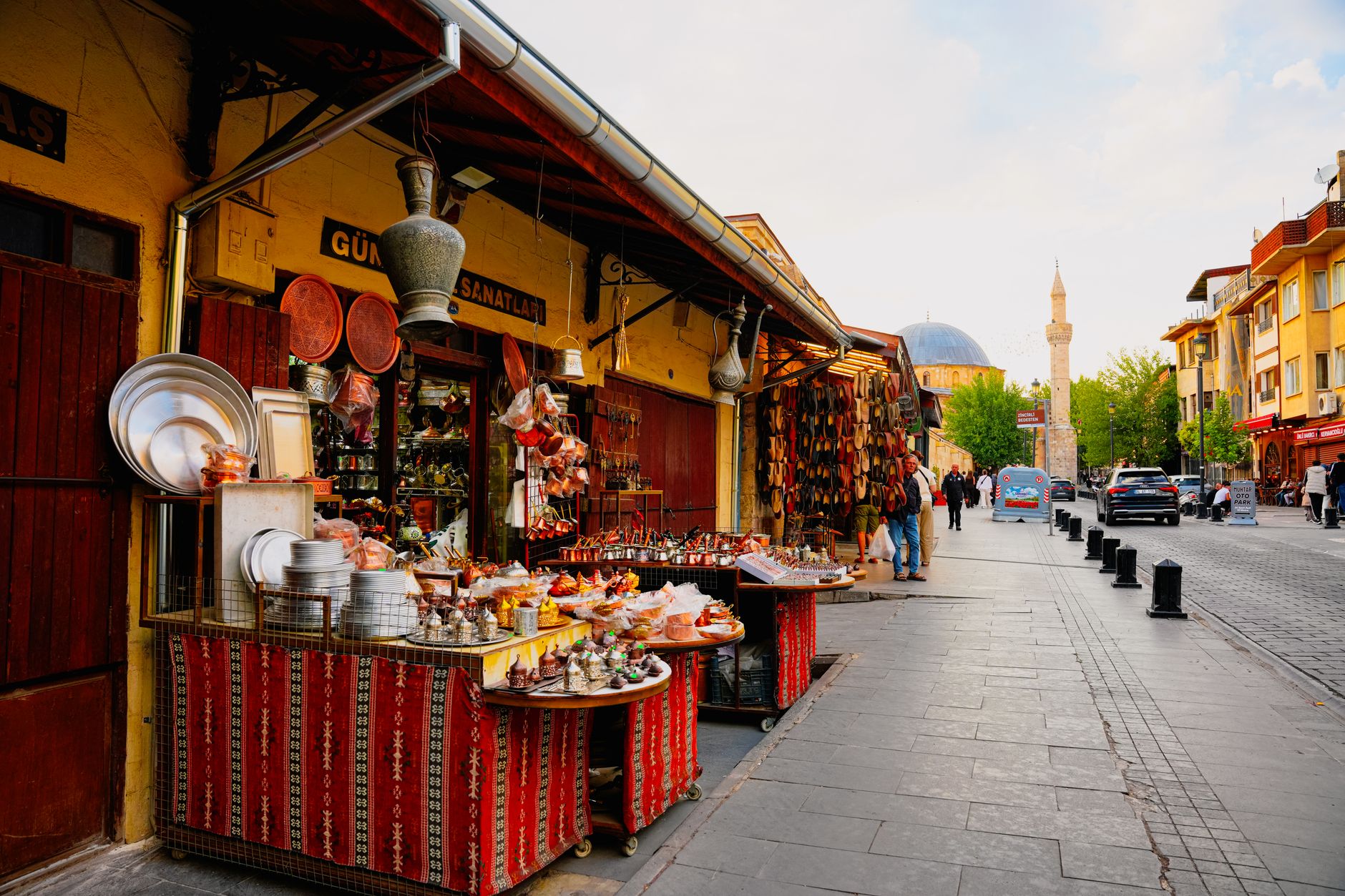
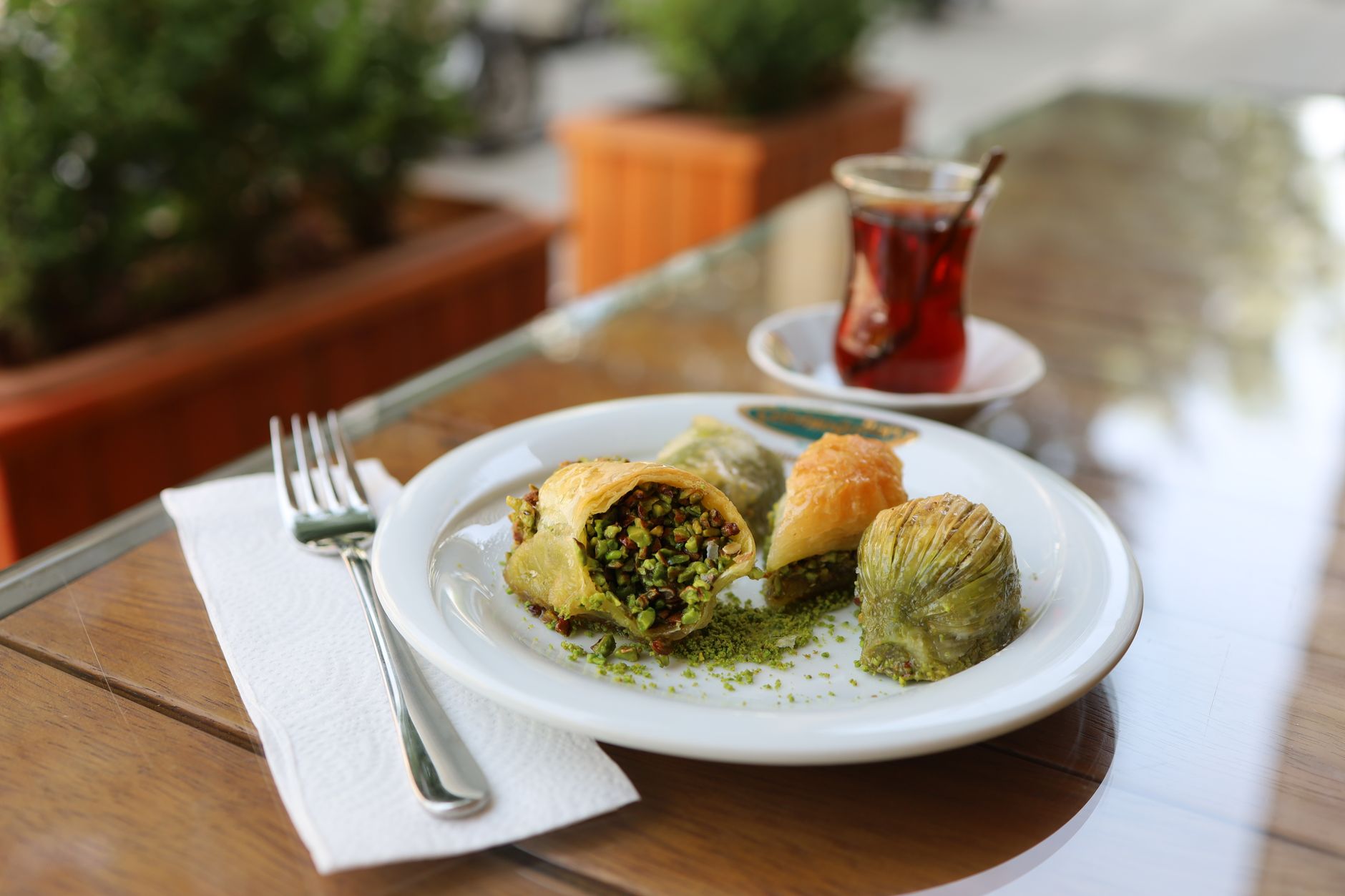
Gaziantep is one of Türkiye's great gastronomic capitals, famous for pistachios, baklava and a cuisine that has earned UNESCO recognition. Between appointments, patients and their families can walk the old bazaar, visit the castle and enjoy the city's legendary hospitality — a genuine comfort during a recovery period that can feel long.
The city's warmth is not incidental to the medical experience. Convalescence goes better when patients feel settled, well fed and supported, and Gaziantep's compact centre, friendly neighbourhoods and accessible hospitals make daily life manageable even while wearing a sling.
If you are considering shoulder surgery abroad, Gaziantep offers a rare combination: experienced orthopaedic surgeons, modern imaging, a structured rehabilitation plan that travels home with you, and a city that treats visitors as guests. The team's goal is simple — to return you to the movements and moments that matter, with clear expectations at every step.
Top Highlights
Popular Activities
Thinking about treatment in Turkey?
Send us a question about this site or about the information published on it. This is a publisher's mailbox, not a medical service and not a route to a particular provider — for clinical questions, contact your own doctor.
