

Medical Travel to Türkiye for Skin Allergy and Patch Testing: A Comfortable Diagnostic Journey
Understanding Skin Reactions and the Value of Patch Testing
Skin reactions can be puzzling and uncomfortable, but they are also very common and usually manageable with the right diagnosis. Allergic contact dermatitis, for example, occurs when your skin reacts to a substance it has become sensitive to—often something you encounter daily, such as a fragrance, metal, preservative or dye. Identifying the exact trigger is the key to lasting relief.
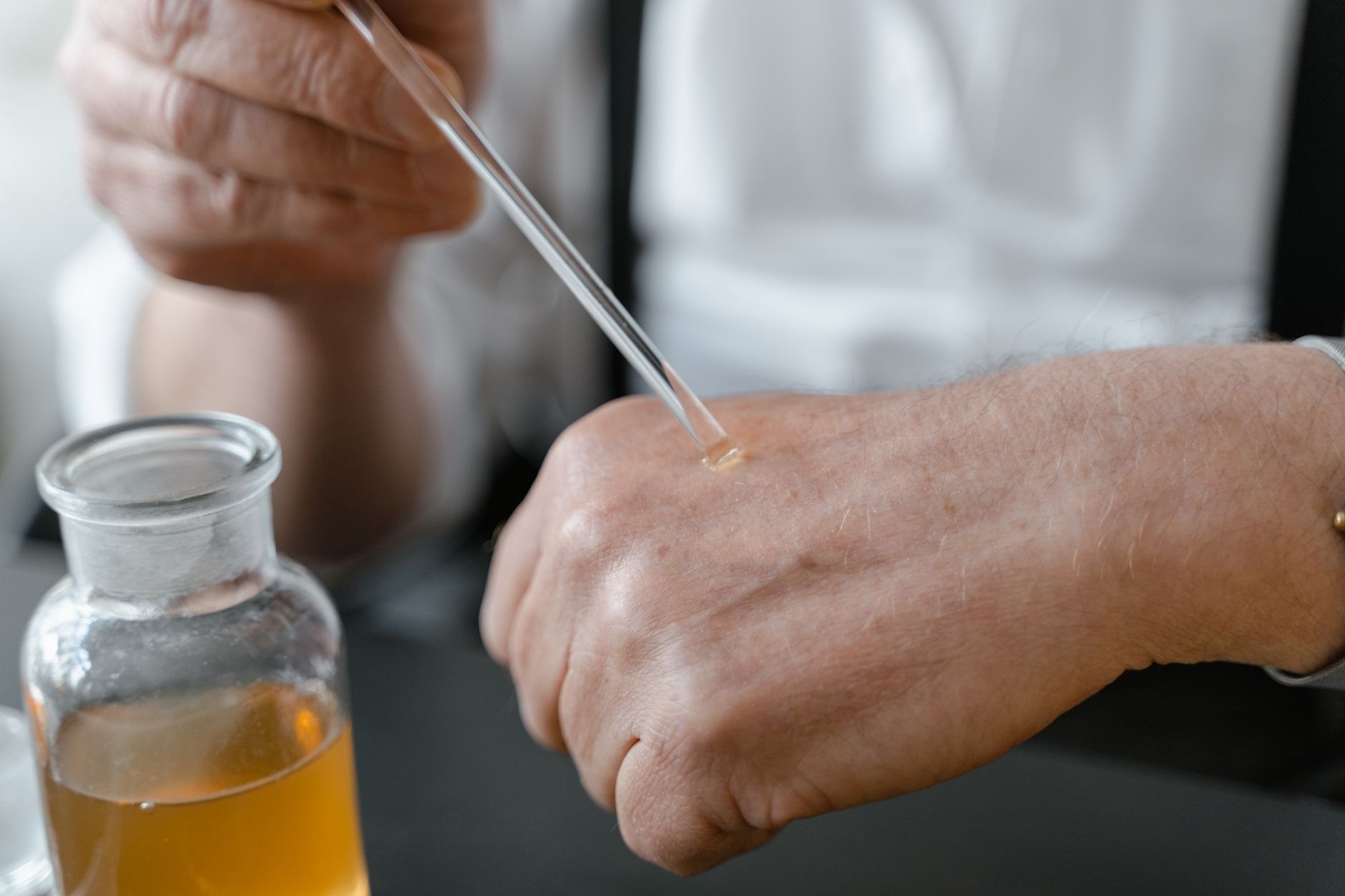
Patch testing is the gold-standard method for diagnosing delayed-type skin allergies. Unlike a quick prick test, patch testing involves applying small amounts of potential allergens to your back under adhesive patches. Over 48 to 96 hours, your skin's response is carefully observed. This structured approach reveals not just what you are allergic to, but also what is safe for you to use.
In Türkiye, many hospitals have dedicated dermatology and allergy units that perform patch testing with standardised series and, when needed, customised allergens based on your history. The process is gentle, well-organised and designed to give you clarity rather than more questions.
Why Türkiye for Allergy and Patch Testing?
Türkiye has become a preferred destination for medical travellers seeking high-quality dermatology and allergy care. The country's hospitals combine modern diagnostic laboratories with experienced specialists who are used to working with international patients. Many units are part of large, accredited hospital groups in cities like Istanbul, Ankara and Izmir.
What sets these centres apart is their systematic approach. Instead of a rushed consultation, you can expect a comprehensive evaluation: a detailed history, a review of your products and environment, and a patch test series tailored to your exposure. The results are then explained in plain language, often with a written report you can share with your doctor at home.
Another advantage is value. For the cost of a basic consultation in some countries, you can access a full diagnostic work-up in Türkiye, including testing, interpretation and a personalised management plan. Many patients also appreciate the chance to combine their medical visit with a comfortable stay in a welcoming city.
What to Expect During Your Visit
Your journey typically begins with an initial consultation. A dermatologist or allergist will ask about your symptoms, when they started, and what products or materials you handle regularly. They will examine your skin and may take photographs for your records. This appointment sets the stage for selecting the most relevant allergens to test.
On the day of patch application, small chambers containing allergens are placed on your upper back and secured with hypoallergenic tape. This takes about 30 minutes and is painless. You will then be asked to keep the area dry and avoid strenuous activity or excessive sweating until the patches are removed, usually after 48 hours.
Readings are typically done at 48 hours and again at 72 or 96 hours. The specialist examines each site for redness, swelling or tiny blisters, grading the reaction. You will receive a detailed explanation of any positive results and what they mean for your daily life. A written report and a list of safe alternatives are standard.

Preparing for Your Patch Test
Proper preparation helps ensure accurate results. Tell your doctor about any medications you take, especially corticosteroids or antihistamines, as some may need to be paused before testing. Avoid applying creams or lotions to your back for a few days before your appointment. If you have a severe flare-up, the test may be postponed until your skin settles.
It is also helpful to bring a list of all skin care products, cosmetics, hair dyes, and household items you use, along with any relevant medical records. If you have photos of previous reactions, bring them too. This information helps the specialist choose the most appropriate allergen series.
During the testing period, you can continue most normal activities, but avoid swimming, saunas, and heavy sweating. Wear loose, comfortable clothing that does not rub against your back. If you experience intense itching or discomfort, contact the clinic—they can advise you.
Interpreting Results and Your Take-Home Plan
Once your patch test readings are complete, your specialist will explain which substances caused a reaction and how strong the reaction was. Not every positive result is clinically relevant; your doctor will correlate findings with your history to determine which allergens truly matter for you.
You will receive a personalised management plan. This often includes a list of ingredients to avoid and safe product recommendations. For example, if you are allergic to a preservative like methylisothiazolinone, you will learn which product categories commonly contain it and how to read labels. If nickel is your trigger, you will get practical tips for choosing jewellery, belts and electronics.
The plan may also include advice on skincare to restore your skin barrier, such as gentle cleansers and moisturisers. If needed, your doctor may prescribe a short course of topical steroids or other treatments to calm any active dermatitis. You will leave with a clear roadmap for managing your skin going forward.
Making the Most of Your Medical Journey in Türkiye
Many hospitals in Türkiye offer international patient services to make your visit smooth. These can include help with appointment scheduling, translation, airport transfers and assistance with accommodation. Some facilities have English-speaking staff or can arrange an interpreter for your consultations.
Plan to stay in Türkiye for at least 5 to 7 days to accommodate the patch test schedule. This allows time for the initial consultation, patch application, two readings and a follow-up discussion. You can use the waiting days to explore local sights, enjoy Turkish cuisine and relax—just remember to keep your back dry and avoid excessive heat.
Before you travel, confirm the appointment dates and any pre-test instructions with your chosen hospital. Check whether your insurance covers treatment abroad and keep all receipts for reimbursement. With a little planning, your medical trip can be both productive and pleasant, giving you the answers you need in a comfortable setting.
Top Highlights
Popular Activities
Thinking about treatment in Turkey?
Send us a question about this site or about the information published on it. This is a publisher's mailbox, not a medical service and not a route to a particular provider — for clinical questions, contact your own doctor.
