

Stem Cell Therapy and Regenerative Orthopaedics in Türkiye
Why Choose Türkiye for Regenerative Orthopaedics?
Türkiye has rapidly emerged as a global hub for regenerative medicine, particularly in orthopaedics. The country combines a deep tradition of surgical excellence with cutting-edge biological therapies, attracting patients from Europe, the Middle East, and beyond. Turkish clinics are known for their multidisciplinary approach, where orthopaedic surgeons, sports medicine specialists, and biologists collaborate to deliver personalized treatment plans.
The regulatory environment in Türkiye supports ethical and evidence-based use of regenerative techniques. Many centres operate under strict Ministry of Health guidelines, ensuring that patients receive safe, high-quality care. This commitment to both innovation and safety has positioned Türkiye as a trusted destination for those seeking alternatives to conventional surgery.
Understanding PRP, BMAC, and Stem Cell Therapy
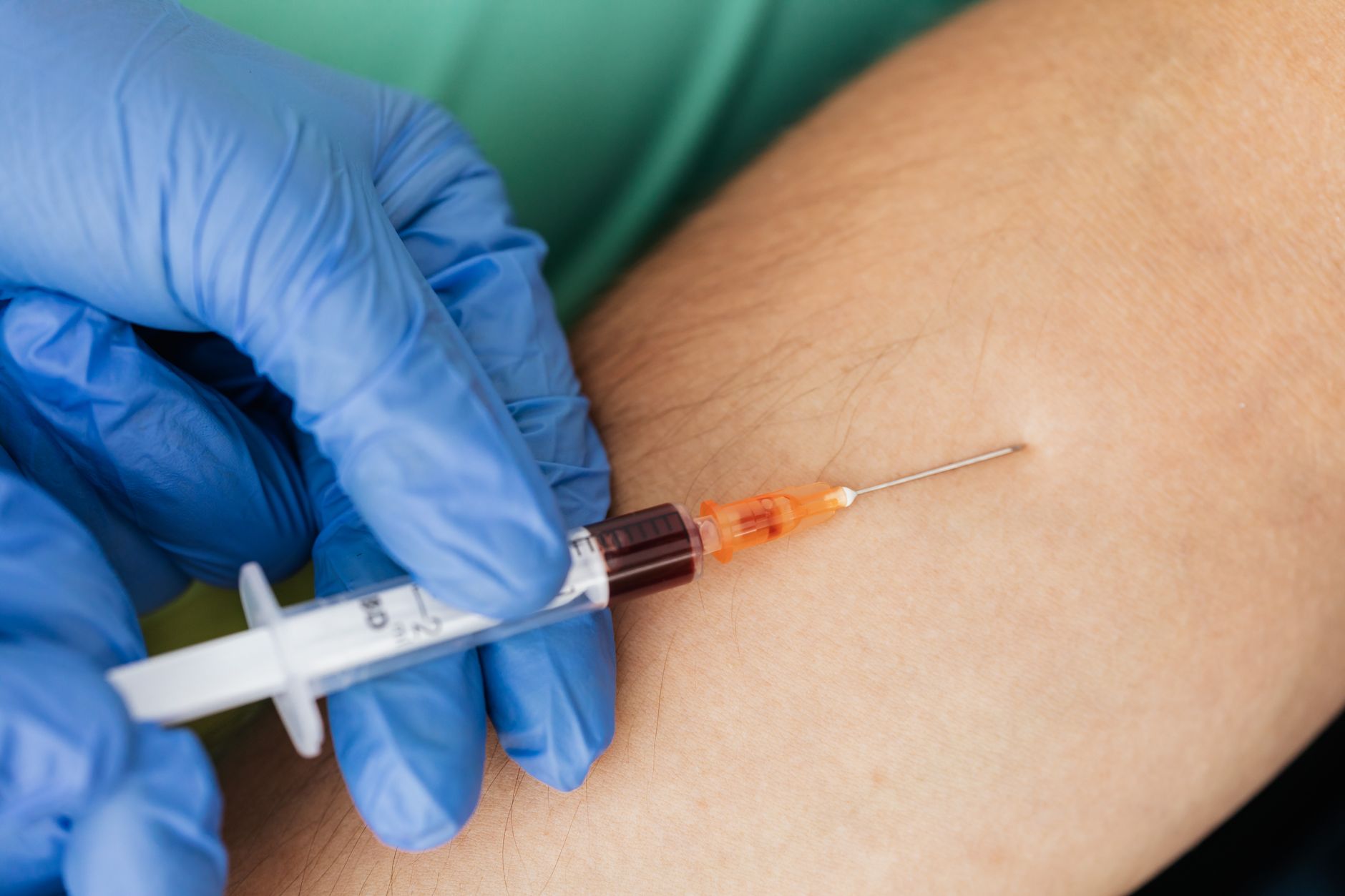
Platelet-Rich Plasma (PRP) therapy involves concentrating platelets from the patient's own blood and injecting them into damaged tissues. This triggers a release of growth factors that stimulate healing and reduce inflammation. It is widely used for tendon injuries, osteoarthritis, and ligament sprains.
Bone Marrow Aspirate Concentrate (BMAC) is a more advanced form of orthobiologic. It contains mesenchymal stem cells (MSCs), haematopoietic stem cells, and growth factors. BMAC is particularly effective for larger joint defects or when PRP alone is insufficient. Turkish clinics use state-of-the-art centrifugation and cell counting to ensure optimal dosage and viability.
Stem cell therapy in orthopaedics often refers to the use of autologous MSCs, typically harvested from bone marrow or adipose tissue. These cells are processed in specialised labs and then injected into the affected joint or tendon. In Türkiye, this procedure is performed by experienced orthobiologists who carefully select patients and track outcomes.
Applications for Knees, Hips, and Tendons
Knee osteoarthritis is one of the most common indications for regenerative therapy. Patients with mild to moderate cartilage damage may benefit from PRP or BMAC injections, which can reduce pain and improve function, potentially delaying or avoiding knee replacement. Turkish specialists often combine these injections with rehabilitation programmes for comprehensive care.
For hip joint issues, such as early-stage avascular necrosis or osteoarthritis, stem cell therapy aims to preserve the joint and alleviate symptoms. Tendon injuries—like rotator cuff tears, Achilles tendinopathy, or tennis elbow—also respond well to PRP and BMAC, especially when conservative treatments have failed.
These therapies are less invasive than surgery, typically requiring only a small blood draw or bone marrow aspiration. Recovery is generally quicker, with most patients returning to daily activities within days. However, results depend on proper patient selection and technique.
Complementing Türkiye's Renowned Surgical Orthopaedics
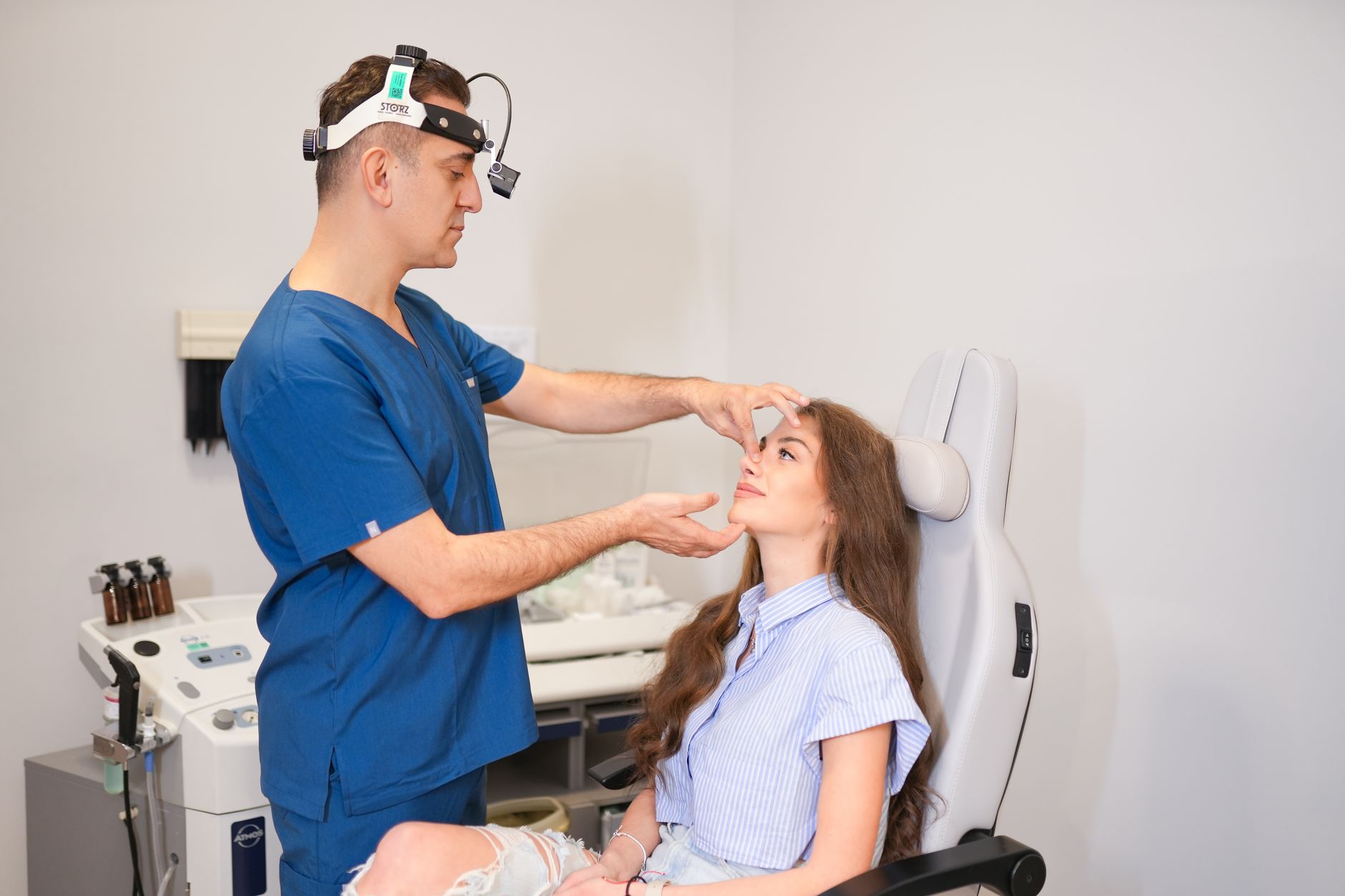
Türkiye is already famous for its surgical orthopaedics, with high success rates in joint replacement, arthroscopy, and sports injury repairs. Regenerative therapies do not replace surgery; rather, they expand the treatment spectrum. Patients who are not yet candidates for surgery, or who wish to delay it, can explore biological options.
In complex cases, regenerative techniques can be used alongside surgery to enhance healing. For example, BMAC may be applied during cartilage repair procedures to improve tissue integration. This integrated approach is a hallmark of top Turkish orthopaedic centres.
Moreover, the availability of both surgical and non-surgical solutions means patients receive unbiased recommendations. Orthopaedic surgeons in Türkiye are trained to evaluate each case individually, ensuring that patients receive the most appropriate care—whether that involves a scalpel or a syringe.
Experienced Orthobiologists and Modern Laboratories
The quality of regenerative therapy hinges on the expertise of the practitioner and the sophistication of the laboratory. Türkiye boasts a growing number of orthobiologists—physicians specialised in the biological treatment of musculoskeletal conditions. Many have trained internationally and are active in research, publishing outcomes in peer-reviewed journals.
Labs in Turkish regenerative clinics are equipped with advanced cell separators, flow cytometry, and sterile processing environments. This ensures that the biologics used are safe, potent, and tailored to the patient. Some centres even offer same-day procedures, where cells are harvested, processed, and injected within hours.
Patients can expect detailed consultations, including imaging and functional assessments, to determine candidacy. Follow-up protocols are robust, with scheduled check-ins and rehabilitation guidance to maximise results.
A Less Invasive Option with Strong Follow-Up
For active individuals seeking to avoid or postpone surgery, regenerative orthopaedics offers a compelling alternative. The procedures are minimally invasive, often performed in an outpatient setting under local anaesthesia. Downtime is minimal, and patients can usually resume light activities immediately.
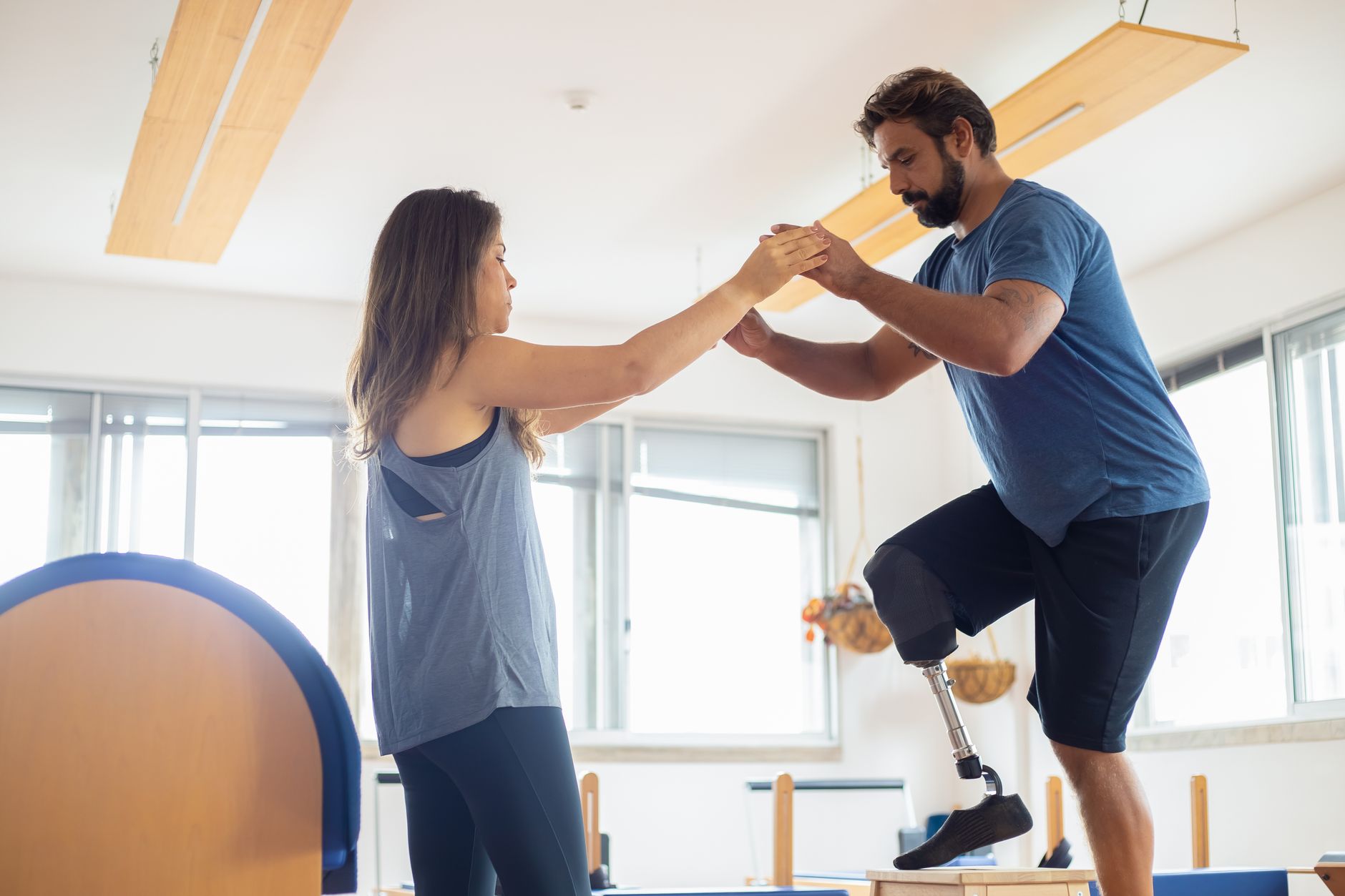
Turkish clinics emphasise post-procedure follow-up. Patients receive personalised rehabilitation plans, telemedicine support, and access to physiotherapists. This continuity of care is crucial for optimal outcomes, as regenerative therapies rely on the body's own healing response, which can take weeks to months.
International patients appreciate the combination of affordability, quality, and hospitality. Türkiye's medical tourism infrastructure ensures seamless travel, accommodation, and translation services. Whether you are a weekend warrior or a professional athlete, regenerative orthopaedics in Türkiye could be your path to recovery.
Top Highlights
Popular Activities
Thinking about treatment in Turkey?
Share your contact details and a verified doctor will follow up with a plan built around you — free, no obligation.
