

Spotlight on Turkish Hospitals' Language Support: English, Arabic, Russian and Beyond
Why Language Support Matters in Medical Tourism
When seeking medical treatment abroad, clear communication is essential for safe and effective care. Misunderstandings about diagnoses, procedures, or aftercare instructions can lead to complications and anxiety. Turkish hospitals recognize this and have invested heavily in language services to ensure international patients feel understood and confident in their healthcare decisions.
With a growing number of patients from the Middle East, Russia, Europe, and beyond, Turkish healthcare providers have developed robust infrastructure for multilingual support. From the moment you inquire about a procedure to your follow-up care, you can expect assistance in your preferred language.
This focus on language is not just about convenience—it's about patient safety, informed consent, and delivering a patient-centered experience that respects cultural and linguistic diversity.
Languages Commonly Supported
Turkish hospitals typically offer support in a wide range of languages, with English, Arabic, and Russian being the most prevalent due to patient demographics. Many hospitals have dedicated international patient departments with staff fluent in these languages, and they can arrange interpreters for other languages upon request.
English is widely spoken among medical professionals in Türkiye, especially in hospitals accredited by international bodies like JCI. Arabic is commonly supported due to the significant number of patients from Gulf countries and the Middle East. Russian is also frequently available, catering to patients from Russia, Central Asia, and Eastern Europe.
Beyond these, hospitals may provide support in German, French, Spanish, Persian, Azerbaijani, and other languages, either through in-house staff or partnerships with professional interpretation agencies. This ensures that patients from almost any background can access care in their native language.
How Hospitals Ensure Clear Communication
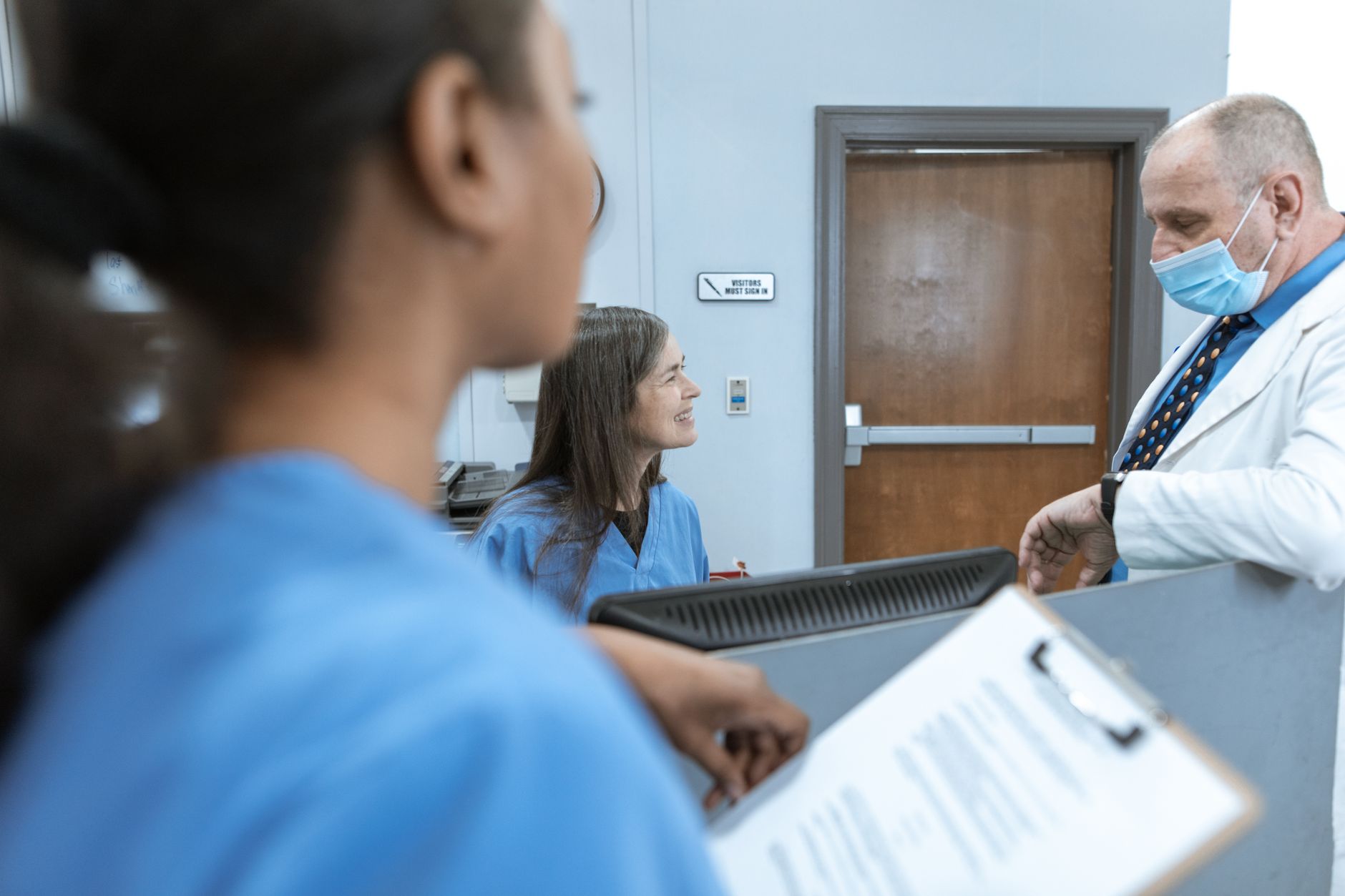
Leading Turkish hospitals employ a variety of strategies to facilitate communication. Many have full-time interpreters on staff who accompany patients to consultations, procedures, and follow-up appointments. These interpreters are often trained in medical terminology to accurately convey complex information.
In addition to in-person interpreters, hospitals may offer remote interpretation services via video or phone for less common languages. Written materials, such as consent forms, discharge instructions, and educational brochures, are frequently available in multiple languages. Some hospitals use translation apps or provide tablets with translation software for patients to use during their stay.
Furthermore, hospital websites and patient portals often feature multilingual content, allowing patients to research procedures and prepare questions in advance. This comprehensive approach ensures that language is never a barrier to understanding your treatment plan, costs, or aftercare.

Case Studies: Multilingual Support in Action
Consider the experience of an Arabic-speaking patient from Saudi Arabia undergoing cardiac surgery at a hospital in Istanbul. From the initial inquiry, the international patient coordinator communicates in Arabic, explaining the procedure, costs, and timeline. During pre-operative consultations, a medical interpreter ensures the patient understands the risks and benefits. Post-surgery, the patient receives aftercare instructions in Arabic and has access to a 24/7 Arabic-speaking helpline for any concerns.
Similarly, a Russian-speaking patient from Moscow seeking fertility treatment finds that the hospital provides Russian-speaking staff at every step, from the initial video consultation to the post-treatment follow-up. Written materials are translated into Russian, and the patient can communicate directly with the medical team through a Russian-speaking coordinator.
These examples illustrate how Turkish hospitals integrate language support into every phase of the patient journey, making international patients feel at home and fully informed.

What to Expect as a Patient
As an international patient in a Turkish hospital, you can expect to be asked about your language preference at the time of booking. The hospital will then assign a coordinator or interpreter who speaks your language to assist you throughout your stay. You will receive important documents in your language, and you can request interpretation for any appointment or procedure.
It's advisable to confirm the availability of your preferred language when selecting a hospital, especially for less common languages. Most hospitals are transparent about their language services and can provide a list of supported languages upon request. Additionally, you may have access to translation services for unofficial communications, such as arranging accommodation or transportation.
Remember that while many medical professionals speak English, having an interpreter can enhance understanding and ensure nuanced information is conveyed accurately. Don't hesitate to ask for clarification or additional support—hospitals are accustomed to accommodating international patients' needs.

Beyond Language: Cultural Competence
Language support is often accompanied by cultural competence, as Turkish hospitals strive to respect patients' cultural and religious preferences. This includes providing halal food options, prayer rooms, and accommodating dietary restrictions. Staff are trained to be sensitive to cultural differences and to provide care that aligns with patients' values.
By combining language support with cultural awareness, Turkish hospitals create an environment where international patients feel not only understood but also respected and valued. This holistic approach enhances the overall healthcare experience and contributes to better outcomes.
In conclusion, Turkish hospitals' commitment to language support is a cornerstone of their appeal to medical tourists. With comprehensive services in English, Arabic, Russian, and beyond, patients can communicate confidently and focus on what matters most: their health and recovery.
Top Highlights
Popular Activities
Thinking about treatment in Turkey?
Send us a question about this site or about the information published on it. This is a publisher's mailbox, not a medical service and not a route to a particular provider — for clinical questions, contact your own doctor.
