
When a diagnosis of a bone or soft-tissue tumour turns life upside down, the question that echoes loudest is often: Will I still be able to walk, work, and live fully? In Türkiye, a growing network of orthopaedic oncology centres is answering with a resounding yes. By combining advanced 3D-printed implants, microsurgical reconstruction, and multidisciplinary tumour boards, Turkish teams are achieving limb-salvage rates that rival the world’s leading cancer hospitals—while offering compassionate, patient-centred care that feels distinctly human.
A Paradigm Shift: From Amputation to Limb Salvage
For decades, amputation was the default for many bone sarcomas and aggressive soft-tissue tumours. Today, thanks to early detection, refined imaging, and effective neoadjuvant chemotherapy, up to 90% of patients with extremity tumours can be treated with limb-sparing surgery. Türkiye has embraced this shift wholeheartedly, investing in specialised sarcoma centres in Istanbul, Ankara, and Izmir that treat hundreds of international patients each year.
The goal is simple yet profound: remove the tumour completely (oncologic safety first) and rebuild the limb so it remains functional and pain-free. Turkish surgeons are meticulous about achieving negative margins—removing the cancer with a cuff of healthy tissue—while sparing nerves, vessels, and muscles whenever possible. This balance between oncology and function is the cornerstone of modern musculoskeletal oncology, and it is precisely where Turkish teams excel.
What sets Türkiye apart is not just technology, but the integrated approach: radiologists, pathologists, medical oncologists, radiation oncologists, plastic surgeons, physiatrists, and prosthetists all sit at the same table from day one. This multidisciplinary tumour board meets weekly, reviewing every case to tailor a plan that is as unique as the patient.
3D-Printed Implants: Precision That Fits Like a Glove
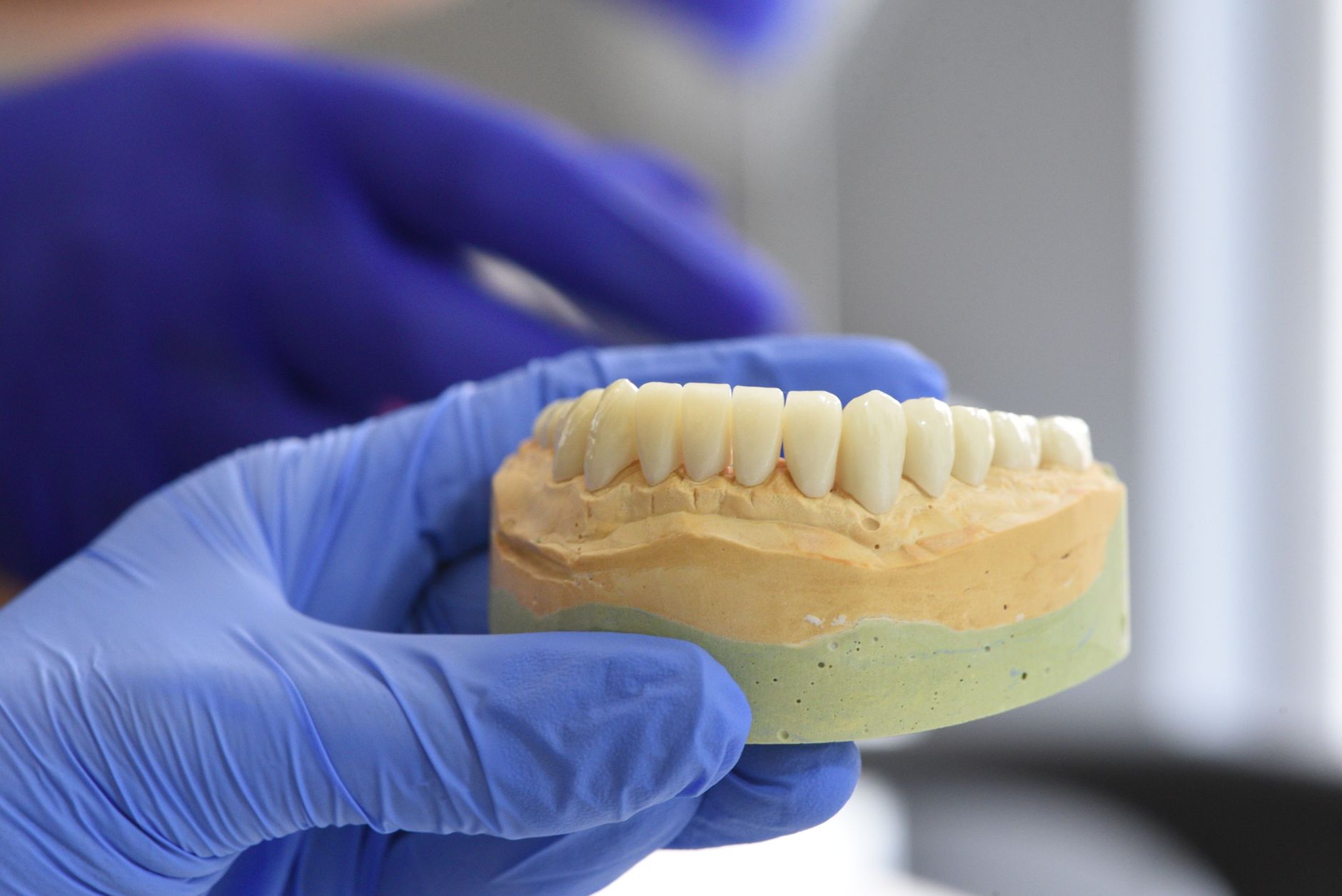
One of the most exciting developments in limb-salvage surgery is the use of custom-made, 3D-printed implants. Traditional off-the-shelf prostheses often require compromising on bone resection or soft-tissue coverage. In contrast, patient-specific implants (PSIs) are designed from the patient’s own CT and MRI scans, allowing surgeons to remove exactly the right amount of bone and reconstruct with a perfectly matched device.
Turkish orthopaedic oncology teams partner with biomedical engineering firms to produce titanium implants with porous surfaces that encourage bone ingrowth (osseointegration). These implants can be used for massive defects around the knee, hip, shoulder, and pelvis—areas where standard prostheses struggle. The 3D printing process also allows for intricate geometries, such as hemicortical replacements or intercalary spacers, that preserve more of the patient’s own bone and joints.
Beyond bone, 3D printing is revolutionising soft-tissue reconstruction. Custom cutting guides and patient-specific instruments improve accuracy during tumour resection, while 3D-printed scaffolds seeded with the patient’s own cells are being explored for tendon and ligament reconstruction. For international patients, this means shorter surgery times, fewer complications, and a faster return to daily activities.
“We no longer ask, ‘How much bone must we remove?’ but ‘How can we remove the tumour and rebuild exactly what is missing?’” says a senior surgeon at a leading Istanbul sarcoma centre. “3D printing gives us that freedom.”
Multidisciplinary Planning: The Heart of Turkish Success
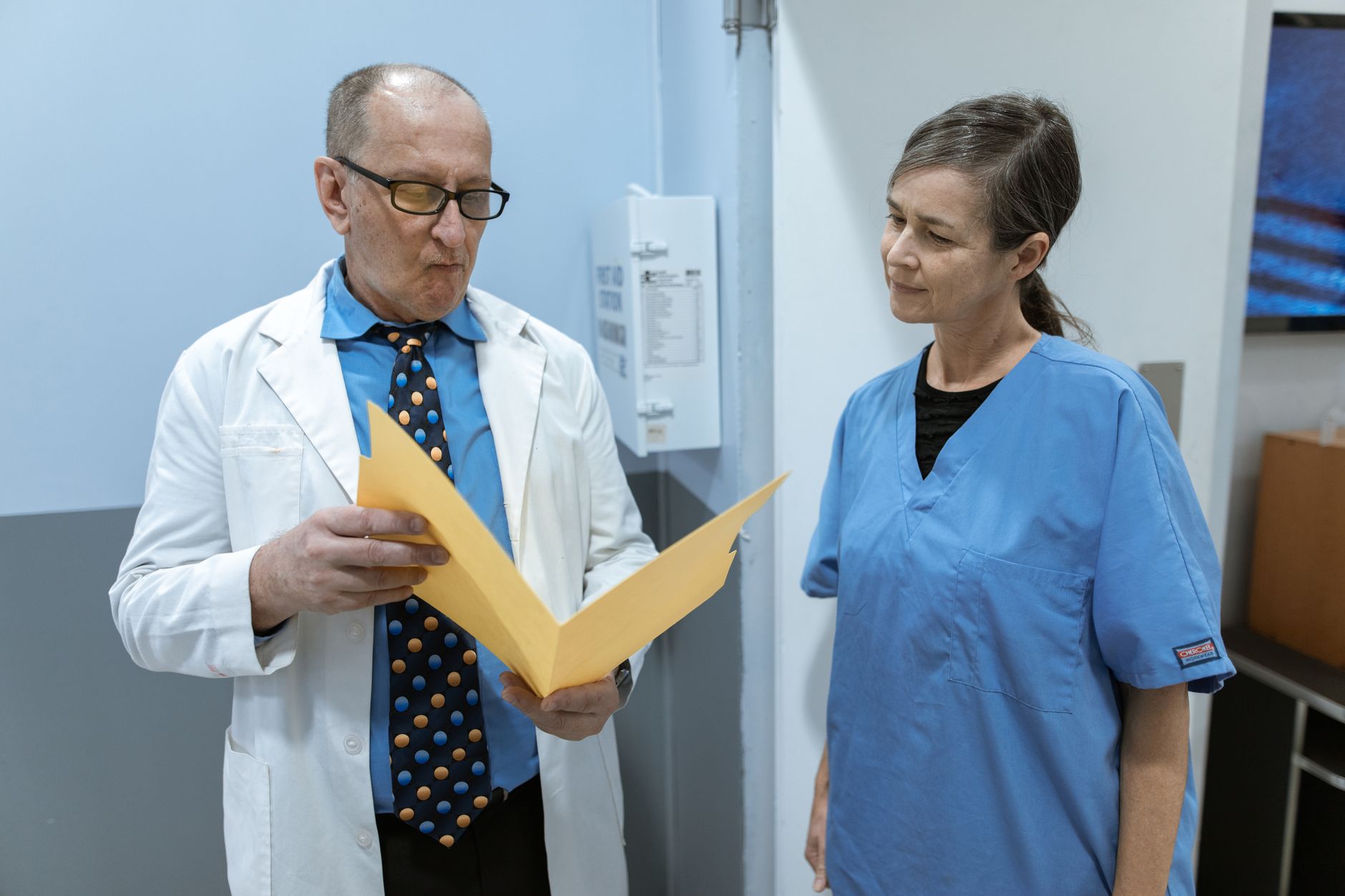
Behind every successful limb-salvage operation is a carefully choreographed plan. At Turkish centres, the process begins with a comprehensive evaluation: high-resolution MRI, PET-CT, and sometimes a biopsy performed by a musculoskeletal radiologist. The pathology is reviewed by a dedicated bone and soft-tissue pathologist, ensuring accurate diagnosis—critical because different tumours demand different treatments.
The multidisciplinary tumour board then convenes. Medical oncologists discuss whether chemotherapy should be given before surgery to shrink the tumour. Radiation oncologists may recommend targeted radiation for certain soft-tissue sarcomas. Plastic surgeons plan the reconstruction—whether a free flap, rotational flap, or skin graft—to cover the implant and provide durable soft-tissue coverage. Physiatrists outline a rehabilitation roadmap from the very beginning.
This collective wisdom is not just academic. Studies show that patients treated at high-volume sarcoma centres with multidisciplinary teams have better oncologic outcomes, lower amputation rates, and fewer complications. Türkiye’s major centres treat a high volume of complex cases, and their teams are experienced in the nuances of sarcoma care—from Ewing sarcoma in children to metastatic bone disease in adults.
Preserving Mobility: What Limb Salvage Really Means
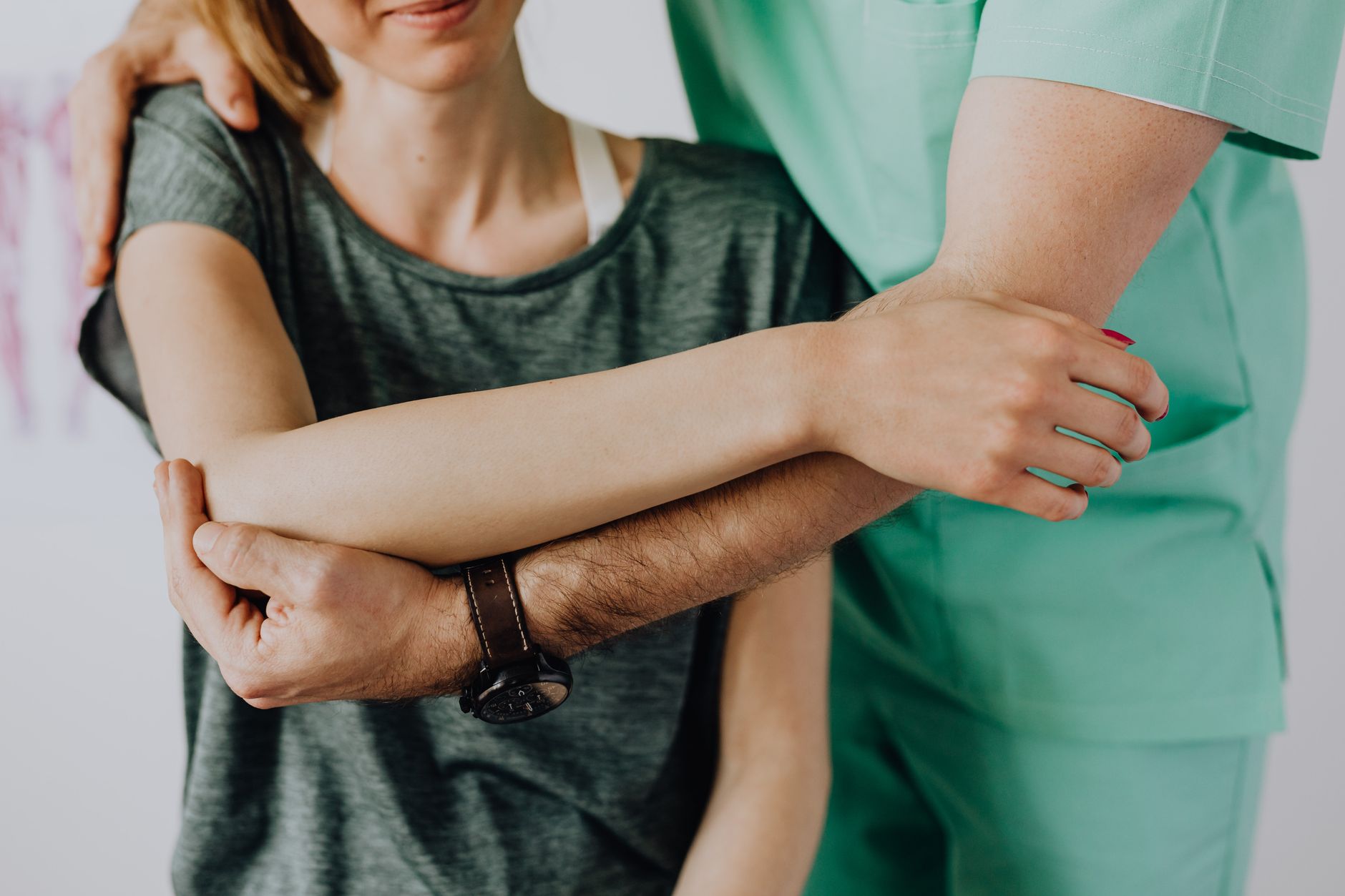
Limb salvage is not merely about keeping the limb; it is about keeping it functional. After surgery, patients undergo intensive physiotherapy to regain strength, range of motion, and gait. Turkish hospitals employ dedicated rehabilitation teams who work with patients daily, using advanced modalities like hydrotherapy, robotic-assisted gait training, and neuromuscular electrical stimulation.
The type of reconstruction influences mobility. A modular prosthesis around the knee, for example, can allow near-normal walking with a cane or no aid. A custom pelvic implant may require more adaptation but still permits independent ambulation. For soft-tissue tumours in the thigh or shoulder, muscle transfers and tendon reconstructions can restore active movement. Turkish surgeons are also skilled in rotationplasty—a procedure where the ankle is rotated to function as a knee—for selected young patients, offering excellent long-term function without a prosthesis.
International patients often arrive with fear of losing their independence. They leave with a realistic yet hopeful plan: how to walk, climb stairs, drive, and return to work. The emphasis on function is woven into every decision, from the choice of implant to the timing of rehabilitation.
Returning Home with a Clear Rehabilitation Plan
One of the greatest anxieties for patients travelling abroad for surgery is what happens after they fly home. Turkish orthopaedic oncology teams address this head-on by providing a structured, written rehabilitation plan that patients can share with their local physiotherapist and oncologist. This plan includes detailed exercise progressions, weight-bearing restrictions, wound care instructions, and a schedule for follow-up imaging.
Before discharge, patients and their caregivers meet with the rehabilitation team to practice exercises and understand precautions. Video consultations are arranged for the first few months after returning home, allowing Turkish specialists to monitor progress and adjust the plan. If a complication arises, the hospital’s international patient department coordinates with local doctors to ensure seamless care.
“We treat patients as partners,” says a physiatrist at a Turkish sarcoma centre. “Our goal is to empower them with knowledge and confidence so they can continue rehabilitation in their own country without fear.” This continuity of care is a hallmark of the Turkish approach and a key reason international patients choose Türkiye.
Why Türkiye? Compassion Meets Cutting-Edge Care
Türkiye has become a global destination for orthopaedic oncology because it combines clinical excellence with affordability and warmth. State-of-the-art hospitals in Istanbul and Ankara are equipped with intraoperative navigation, 3D printing labs, and dedicated sarcoma wards. Waiting times are short—often just days between consultation and surgery—which is crucial for aggressive tumours.
Equally important is the compassionate care. Turkish culture places a high value on hospitality, and international patient departments go above and beyond: arranging airport transfers, providing translators, helping with accommodation, and offering emotional support. Patients often speak of feeling like family rather than a case number.
The outcomes speak for themselves: limb-salvage rates above 85% in specialised centres, low infection rates, and high patient satisfaction. For those facing a frightening diagnosis, Türkiye offers not just a chance to keep a limb, but a chance to keep living fully. With 3D-printed implants, multidisciplinary planning, and a clear rehabilitation path, patients return home not just with a preserved limb, but with a renewed sense of hope.
به فکر سفر به ترکیه هستید؟
اطلاعات تماس خود را به اشتراک بگذارید و یک کارشناس محلی معتبر برنامهی اختصاصی شما را دنبال خواهد کرد — رایگان و بدون هیچ تعهدی.