

Why Türkiye Is Becoming the Go-To for Post-Operative Rehab
Türkiye has earned a global reputation for high-quality, affordable orthopaedic surgery — from knee and hip replacements to ACL reconstruction and spinal procedures. But the smartest patients are discovering something even more valuable: the country's rehabilitation infrastructure. Instead of flying home days after surgery to face a lonely, uncertain recovery, you can stay on and turn your recuperation into a structured, supervised recovery holiday.
Turkish physiotherapy clinics are staffed by clinicians who frequently train in Europe and the United States, and many work within hospital groups accredited by international bodies. What sets them apart is the sheer density of expertise: Istanbul, Antalya, Izmir, and the Aegean coast are home to dedicated rehabilitation centres that combine advanced equipment with the kind of one-on-one attention that's increasingly rare — and expensive — elsewhere.
Perhaps the biggest draw is the setting itself. Recovery is not just about exercises; it's about reducing stress, sleeping well, and staying motivated. Türkiye offers all three, with clinics strategically located near the coast so you can progress from parallel bars to promenades, and from hydrotherapy pools to gentle sea-front walks.
What a Recovery Holiday Actually Looks Like
Forget the image of a sterile ward. A post-operative rehabilitation holiday in Türkiye typically pairs a comfortable hotel or serviced apartment with daily physiotherapy sessions at a partner clinic. You might start your morning with a supervised session in a hydrotherapy pool, spend the afternoon resting by the sea, and finish with a light stretching routine on your terrace as the sun goes down.
Programmes are tailored to your surgery and stage of healing. In the early days after a knee replacement, for example, the focus is on swelling control, gentle range-of-motion work, and safe walking with aids. As weeks pass, sessions shift toward strength, balance, and functional tasks like climbing stairs or getting in and out of a car — exactly the skills you need before you fly home.
Many clinics offer two or even three sessions per day, with a physiotherapist who tracks your progress and adjusts the plan in real time. That intensity is hard to match at home, where outpatient appointments can be scarce and rushed. Add warm weather, nutritious Mediterranean food, and a calm environment, and you have favourable conditions for healing.
And because these programmes are often bundled with accommodation and transfers, they can cost a fraction of what a comparable private rehab stay would in Western Europe or North America — while delivering more daily contact time with your therapist.
Daily Physiotherapy Sessions: The Engine of Your Recovery
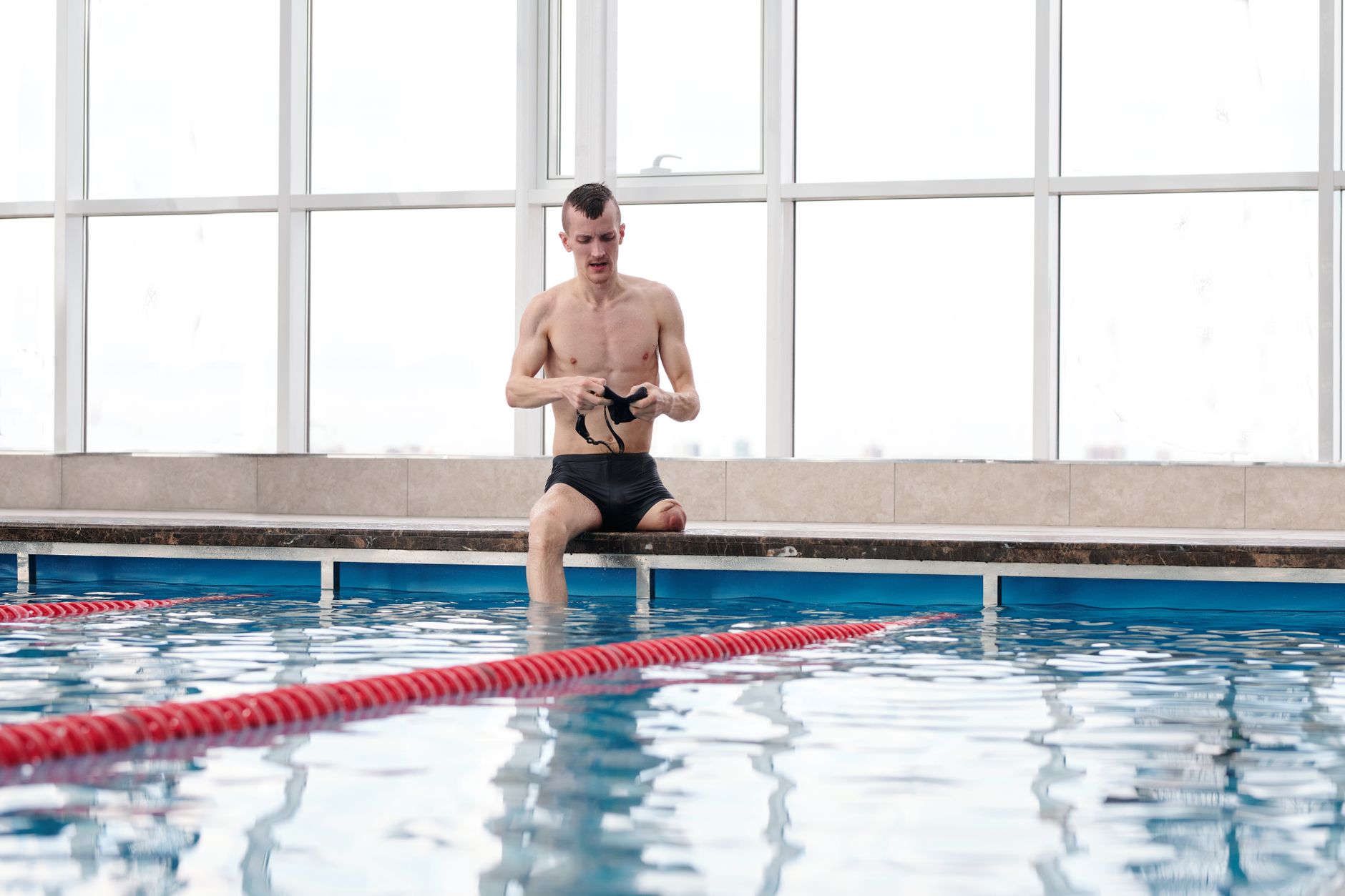
The foundation of any good rehabilitation programme is consistency, and that's where the holiday format shines. Instead of squeezing in one or two appointments a week, you'll typically have a session every day, often more. This daily rhythm supports functional gains because your therapist can build on yesterday's progress without long gaps.
Expect a mix of hands-on manual therapy, guided exercise, and education. Your physiotherapist may use soft-tissue techniques to reduce scar adhesions, mobilise stiff joints, and teach you how to move safely. You'll also learn how to use crutches or a walker correctly, how to protect your new joint, and which movements to avoid in the early weeks.
Crucially, you'll be taught a home exercise plan that you can continue after you return. Turkish clinics are meticulous about this: you'll leave with written instructions, photos or videos, and often a follow-up video call to check your form. That continuity is what turns a good holiday into lasting results.
Because sessions are one-on-one, your programme adapts quickly. If you're progressing faster than expected, your therapist will challenge you more; if you're having a rough day, they'll scale back and focus on pain relief. That responsiveness is a hallmark of experienced care.
Hydrotherapy Pools and the Science of Warm-Water Healing
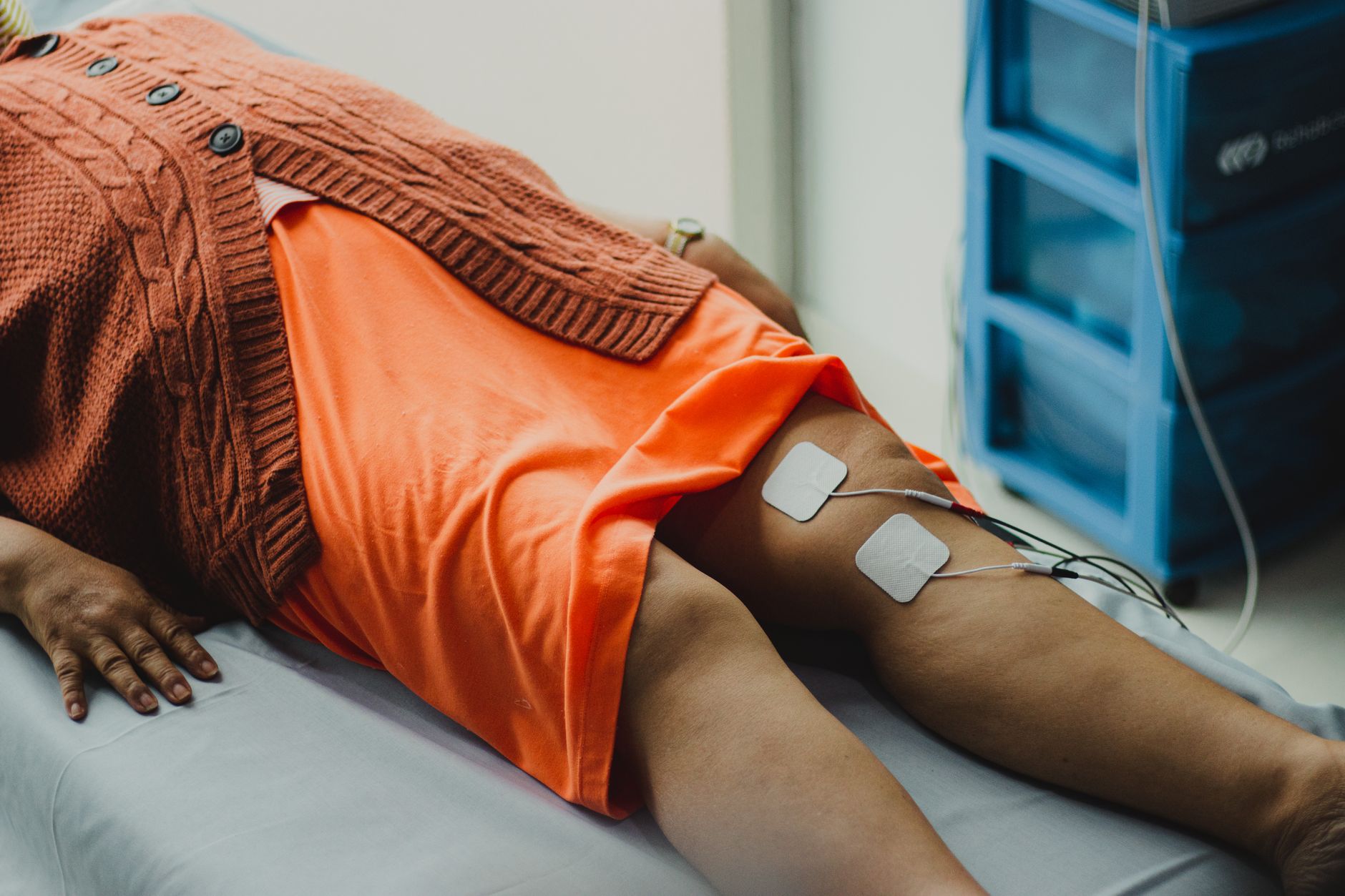
One of the standout features of Turkish rehabilitation centres is their hydrotherapy facilities. Warm water reduces the effect of gravity, allowing you to practise walking, squatting, and balancing with far less pain and joint stress than on land. For patients recovering from knee or hip replacement, or from ligament surgery, this can be a significant help in the early weeks.
Hydrotherapy pools are typically heated to around 33–35°C and equipped with handrails, steps, and underwater treadmills. A therapist works beside you, guiding your movements and ensuring safety. The buoyancy supports your body while the water's resistance builds strength gently — a combination that's difficult to replicate in a standard gym.
Many coastal clinics also offer aquatic therapy in outdoor pools with sea views, making sessions feel less like treatment and more like a gentle spa experience. That psychological boost matters: patients who enjoy their rehab are more likely to stick with it and push themselves appropriately.
If you're considering hydrotherapy, ask your clinic whether they have a dedicated pool and a therapist trained in aquatic techniques. Not all rehabilitation centres do, and it's worth choosing one that does if your surgery involved weight-bearing restrictions.
Hotel-Clinic Partnerships: Comfort Meets Clinical Care
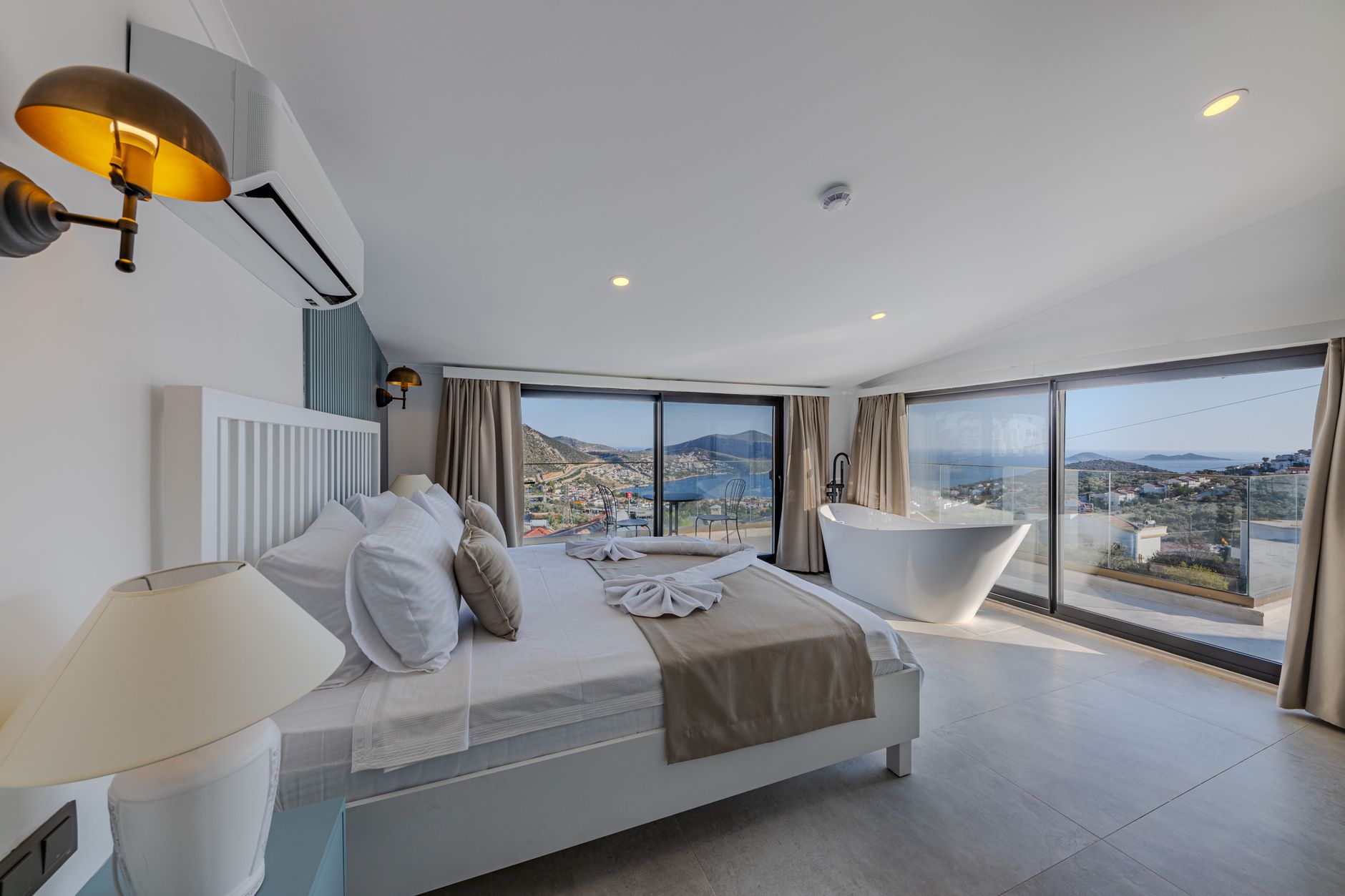
What makes the Turkish model so practical is the tight integration between accommodation and clinical services. Many rehabilitation centres partner with nearby hotels to offer packages that include room, breakfast, airport transfers, and daily physiotherapy. Some even provide accessible rooms with grab bars, shower chairs, and wheelchair-friendly layouts.
Staying in a hotel rather than a hospital ward gives you dignity, privacy, and a sense of normality. You can invite a companion to stay with you, eat meals when you like, and rest in a proper bed. For many patients, this alone reduces anxiety and improves sleep — both essential for tissue healing.
The proximity matters too. When your clinic is a five-minute walk or a short shuttle ride away, you're far more likely to attend every session, even on days when you feel tired or sore. And because the clinic knows you're staying nearby, they can be flexible with scheduling.
Some partnerships extend to leisure activities: gentle yoga, nutrition workshops, or supervised walks along the promenade. These aren't just perks — they're part of a holistic approach that helps you rebuild confidence in your body.
Coastal Recovery: Why Location Is Part of the Therapy
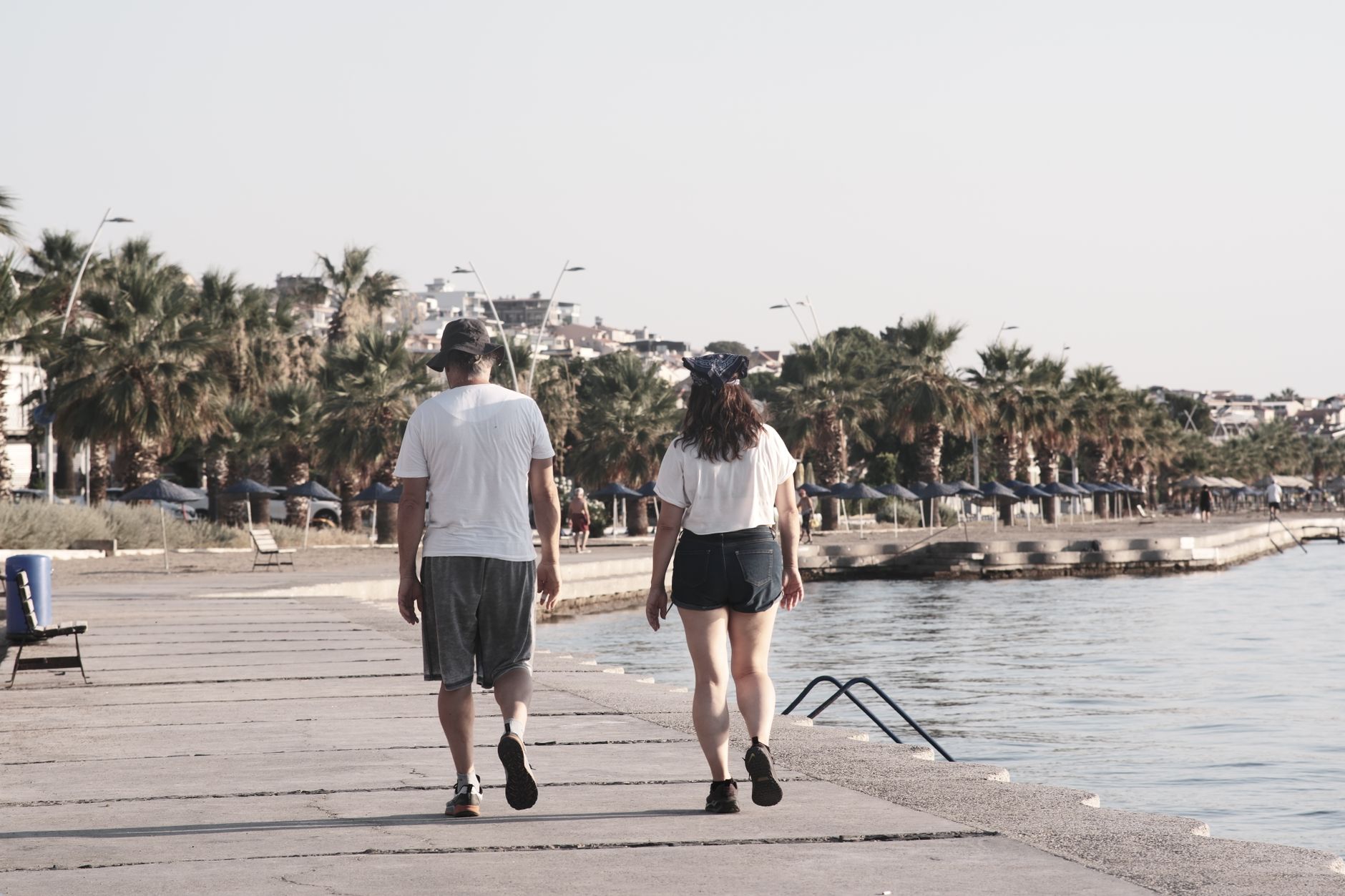
There's a reason so many rehabilitation centres cluster along Türkiye's Aegean and Mediterranean coasts. Sunlight, fresh air, and natural beauty have measurable effects on mood, stress hormones, and pain perception. After surgery, when you're dealing with discomfort and uncertainty, a pleasant environment can make the difference between dreading your exercises and looking forward to them.
Imagine starting your day with a hydrotherapy session, then walking — crutches and all — along a palm-lined promenade. Later, you might sit on a balcony overlooking the sea, doing your ankle pumps and quad sets while breathing in salt air. It's rehabilitation, but it feels like living.
Popular recovery-friendly destinations include Antalya, with its blend of luxury resorts and modern clinics; Izmir and nearby Çeşme, known for thermal springs and mild winters; and the Bodrum peninsula, where boutique hotels cater to guests with mobility needs. Istanbul offers major hospitals, though the coastal towns tend to be more relaxing for extended stays.
Before booking, check the climate for your recovery window. Spring and autumn are ideal: warm but not scorching, with fewer crowds. Winter can still be pleasant in the south, making Türkiye a year-round option for rehab.
Faster Functional Recovery Before You Fly Home
The ultimate goal of a rehabilitation holiday is simple: get you home safely and confidently, with the strength and skills to continue improving. By staying in Türkiye for two to six weeks after surgery, you give yourself a concentrated period of daily therapy that would be impossible to replicate in most home healthcare systems.
During this time, you'll work on specific milestones: walking without aids, climbing stairs, getting in and out of a chair, and managing daily tasks. Your therapist will assess you against these milestones and only clear you for air travel when you're ready. That's far safer than flying soon after surgery, when the risk of blood clots and complications is higher.
You'll also leave with a home exercise plan tailored to your progress. This typically includes strengthening exercises, stretches, balance drills, and a gradual walking programme. Many clinics provide video links or an app so you can review the exercises anytime.
Finally, you'll have a clear plan for follow-up. Some clinics offer tele-rehabilitation sessions after you return, so a therapist can watch you perform exercises over video and correct your form. That bridge between your Turkish rehab and your home routine is invaluable.
Practical Tips for Planning Your Recovery Holiday
Start by researching clinics with experience in your specific procedure. Look for accreditation, patient testimonials, and whether they offer hydrotherapy and one-on-one sessions. Ask about the therapist-to-patient ratio and how many hours of therapy you'll get per day.
Next, consider accommodation. If you're travelling with a companion, a hotel with accessible rooms and a kitchenette can be ideal. Confirm that the hotel is genuinely close to the clinic and that transport is provided if needed. Don't underestimate the value of a comfortable bed and quiet environment for sleep.
Budget-wise, compare packages carefully. Some clinics quote all-inclusive prices covering therapy, accommodation, and transfers; others charge separately. Factor in flights, visa costs (if applicable), and meals. Even with these, a Turkish recovery holiday often costs less than a comparable stay in many Western countries.
Finally, talk to your surgeon at home. Share your plan and get their blessing, along with any restrictions you must follow. With clear communication and a well-chosen programme, your rehabilitation holiday can be a smart, safe, and surprisingly enjoyable step on the road to full recovery.
به فکر سفر به ترکیه هستید؟
پرسش خود را درباره این سایت یا اطلاعات منتشرشده در آن برای ما بفرستید. این صندوق پستی یک ناشر است، نه یک خدمت پزشکی و نه مسیری به سوی ارائهدهنده خاصی — برای پرسشهای بالینی با پزشک خودتان تماس بگیرید.