

Why International Patients Care About Imaging Speed
When you travel to Türkiye for medical care, every hour matters. You have flights to catch, hotels to check into, and family waiting for updates. But more importantly, you want answers about your health. Imaging studies — CT scans, MRIs, mammograms, and X-rays — are often the first step in getting those answers. The faster a radiologist can review your scan and send a report to your treating physician, the sooner you can discuss treatment options.
In recent years, Türkiye has emerged as a fast-adopting healthcare innovator. Hospitals in Istanbul, Ankara, and Izmir are increasingly using artificial intelligence (AI) as a decision-support tool in radiology. This technology does not replace doctors. Instead, it helps them prioritize, detect, and describe findings more efficiently. For international patients, this translates into earlier clarity, fewer repeat scans, and better-informed treatment decisions.
This article explains how AI-assisted imaging works in Turkish hospitals and what it means for you as a medical traveler. We will look at the practical benefits, the safeguards in place, and why Türkiye is becoming a destination of choice for patients who need fast, reliable diagnostics.
What AI-Assisted Imaging Actually Does
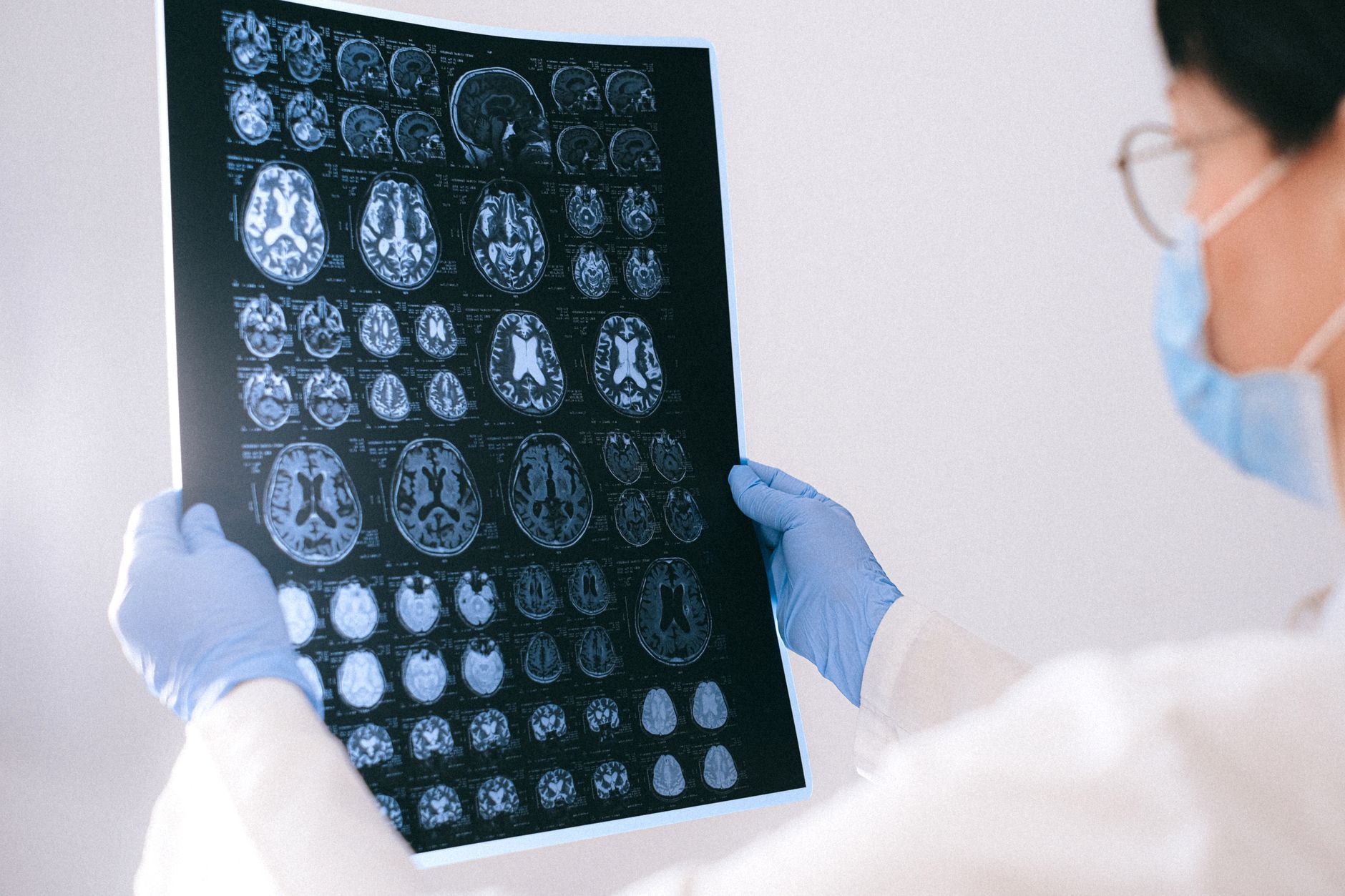
AI-assisted imaging uses machine learning algorithms to analyze medical images and highlight areas that may require attention. These algorithms are trained on large datasets of anonymized scans, learning to recognize patterns associated with certain conditions. When a new scan is processed, the AI can flag potential abnormalities — such as a small nodule on a lung CT or a subtle lesion on a mammogram — and present them to the radiologist as a secondary check.
It is important to understand that AI is a decision-support tool, not a replacement for a qualified specialist. Every report is still reviewed, interpreted, and signed off by a licensed radiologist. The AI acts like a diligent assistant that never gets tired, helping to ensure nothing is missed. In busy hospital environments, this support can reduce oversight errors and speed up the reading process.
Turkish hospitals often integrate AI directly into their PACS (Picture Archiving and Communication System). This means the AI analysis happens automatically as soon as the images are acquired. The radiologist sees the AI's findings alongside the original images, allowing them to confirm or dismiss the flagged areas quickly. This seamless workflow is one reason why turnaround times have improved significantly in many facilities.
How Faster Reports Lead to Earlier Clarity
For international patients, waiting for a diagnosis can be the most stressful part of the journey. Traditional radiology workflows can take hours or even days, especially if a subspecialist is not immediately available. AI-assisted triage changes that. By automatically prioritizing scans that show critical findings, the system ensures that urgent cases reach the top of the radiologist's worklist.
Consider a patient who arrives in Istanbul with a suspected pulmonary embolism. A CT pulmonary angiogram is performed, and the AI immediately flags a possible clot. The radiologist is alerted, reviews the scan, and confirms the finding within minutes. The treating physician is notified, and treatment can begin without delay. This speed can be life-saving.
Even for non-emergency cases, faster reporting means you can discuss your results with your doctor sooner. You may be able to start treatment during your trip rather than waiting to return home. This is particularly valuable for patients who have traveled long distances and have limited time abroad.
Fewer Repeat Scans and Better-Informed Decisions
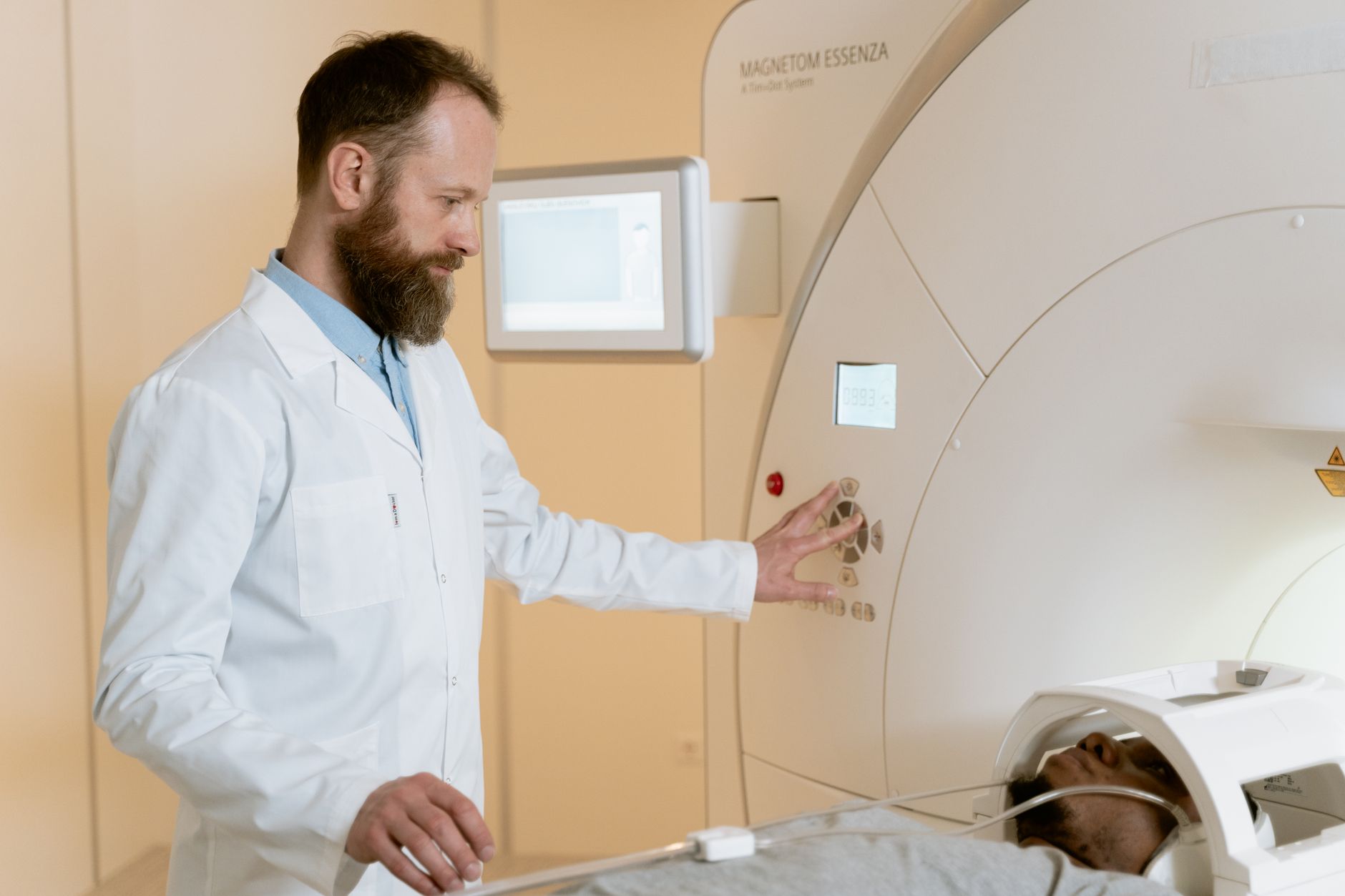
One of the lesser-known benefits of AI-assisted imaging is the reduction in repeat scans. When a radiologist has AI support, they can be more confident in their interpretation. If a finding is ambiguous, the AI can provide additional quantitative data — such as the size, volume, or change over time — that helps clarify the diagnosis. This can reduce the need for follow-up imaging, which saves time, money, and radiation exposure.
For example, in lung cancer screening, AI can accurately measure nodule growth across multiple scans. If a nodule is stable, the radiologist can confidently recommend continued surveillance rather than immediate biopsy. If it has grown, the AI can highlight the exact change, helping the multidisciplinary team make a timely decision. This leads to better-informed treatment plans tailored to the patient's specific situation.
Moreover, fewer repeat scans mean less disruption to your travel itinerary. You can spend more time exploring Türkiye or resting, rather than shuttling back and forth to the hospital. This improves the overall patient experience and reduces anxiety.
Quality and Safety: AI Under Specialist Supervision
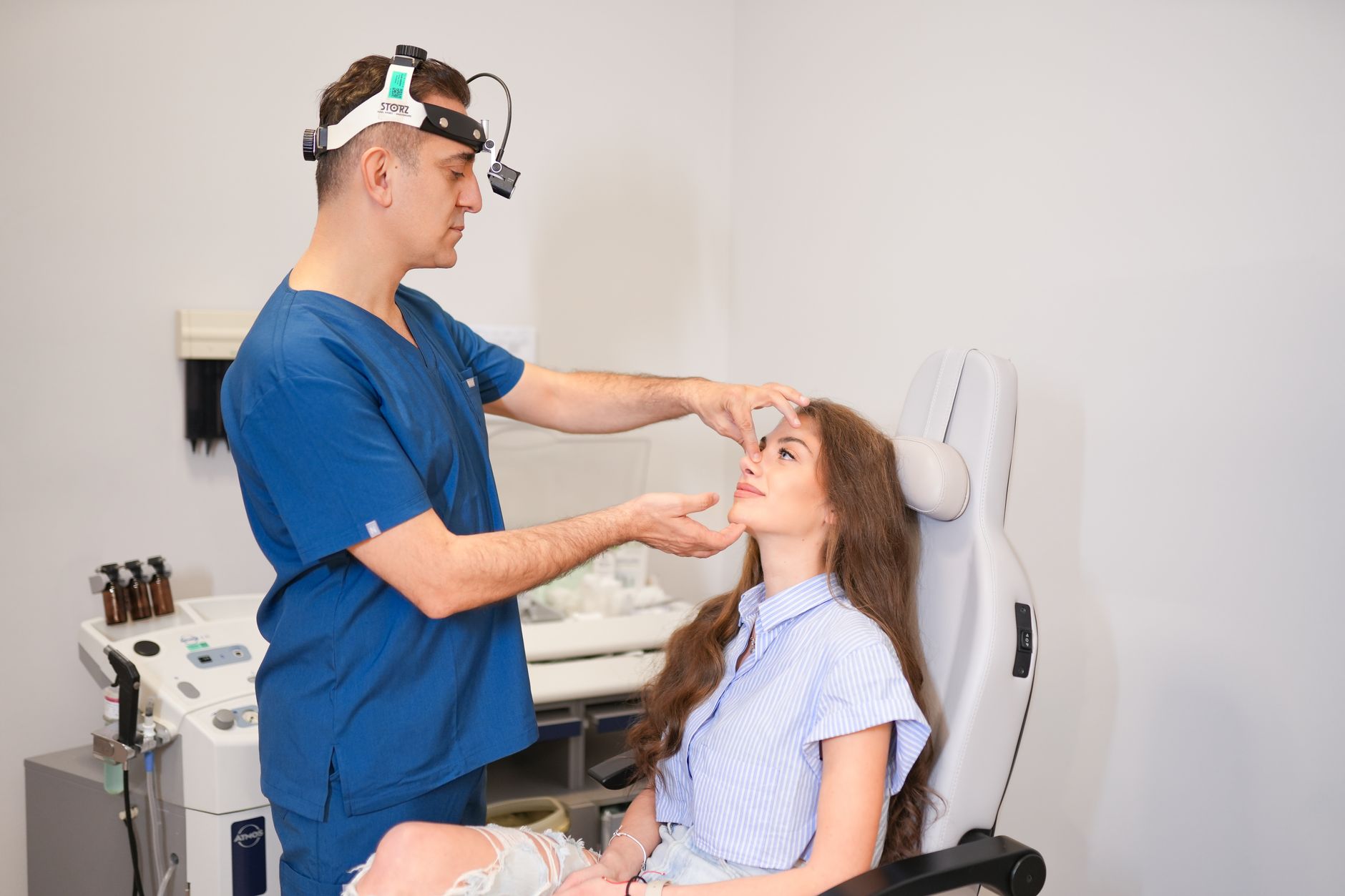
It is crucial to emphasize that AI in Turkish hospitals is not a black box. Regulatory bodies, including Türkiye's Ministry of Health, have established guidelines for the use of AI in clinical settings. Hospitals must validate AI tools and ensure they are used under the supervision of qualified radiologists. The final diagnosis always comes from a human expert.
Additionally, Turkish hospitals invest in continuous training for their radiology staff. Radiologists learn how to interpret AI outputs critically and integrate them into their workflow. This combination of human expertise and machine efficiency is what makes the system reliable. Patients can trust that their scans are being evaluated by skilled professionals who have the best tools at their disposal.
Many hospitals also participate in international quality assurance programs and accreditations, such as JCI (Joint Commission International). These certifications reflect a commitment to patient safety and high standards of care, further reassuring international patients.
What This Means for Your Medical Journey in Türkiye
If you are considering traveling to Türkiye for medical care, you can expect a streamlined diagnostic process. From the moment you arrive at the hospital, your imaging studies are likely to be supported by AI. This means faster results, fewer delays, and more time to focus on your treatment and recovery.
Many hospitals offer dedicated international patient departments that coordinate every step: scheduling, translation, transportation, and follow-up. They can also share your reports securely with your doctors back home, ensuring continuity of care. The integration of AI into this process is just one more way Türkiye is making medical travel safer and more efficient.
As a patient, you should feel empowered to ask about the technology used in your care. Inquire whether AI is used for your specific imaging study and how it supports the radiologist. A transparent hospital will gladly explain its workflow and the safeguards in place. This knowledge helps you make informed decisions and feel confident in your choice.
Conclusion: Türkiye's Commitment to Innovative, Patient-Centered Care
Türkiye's hospitals are embracing AI-assisted imaging not to replace doctors, but to support them. By speeding up report turnaround, reducing repeat scans, and enhancing diagnostic confidence, this technology directly benefits international patients who seek timely answers. The result is earlier clarity, better-informed treatment decisions, and a more efficient medical journey.
As you plan your trip, remember that behind every scan is a team of skilled radiologists and healthcare professionals dedicated to your well-being. Türkiye's fast adoption of healthcare innovations, combined with its hospitality, makes it a compelling destination for medical travelers. Whether you need a routine check-up or complex treatment, you can trust that you are in capable hands — with a little help from intelligent technology.
به فکر سفر به ترکیه هستید؟
پرسش خود را درباره این سایت یا اطلاعات منتشرشده در آن برای ما بفرستید. این صندوق پستی یک ناشر است، نه یک خدمت پزشکی و نه مسیری به سوی ارائهدهنده خاصی — برای پرسشهای بالینی با پزشک خودتان تماس بگیرید.