

Why Türkiye Leads in Post-Treatment Recovery
Türkiye has quietly become one of the world's most trusted destinations for patients who need more than a hospital bed after surgery. The country's rehabilitation and wellness resorts combine accredited clinical physiotherapy with the restorative calm of the Aegean and Mediterranean coasts, giving international patients a rare blend of medical rigour and genuine relaxation.
This is not a spa holiday with a doctor on call. Türkiye's leading recovery centres employ physiatrists, physiotherapists, nurses and nutritionists who design structured rehabilitation programmes around each patient's operation — whether that is orthopaedic surgery, bariatric treatment, cardiac intervention, spinal work or aesthetic procedures. What makes the Turkish model distinctive is the setting in which that care is delivered: olive-grove hillsides, thermal springs, pine forests and sea air that patients consistently describe as part of the medicine itself.
For anyone weighing up where to recover, the practical advantages are considerable. Türkiye offers internationally trained specialists, modern equipment, English-speaking coordinators and costs that remain far below Western European or North American equivalents. But the deeper appeal is emotional as well as clinical. Recovery is a psychological process, and a peaceful, sunlit environment measurably supports it.
Clinical Physiotherapy, Delivered with Structure and Supervision
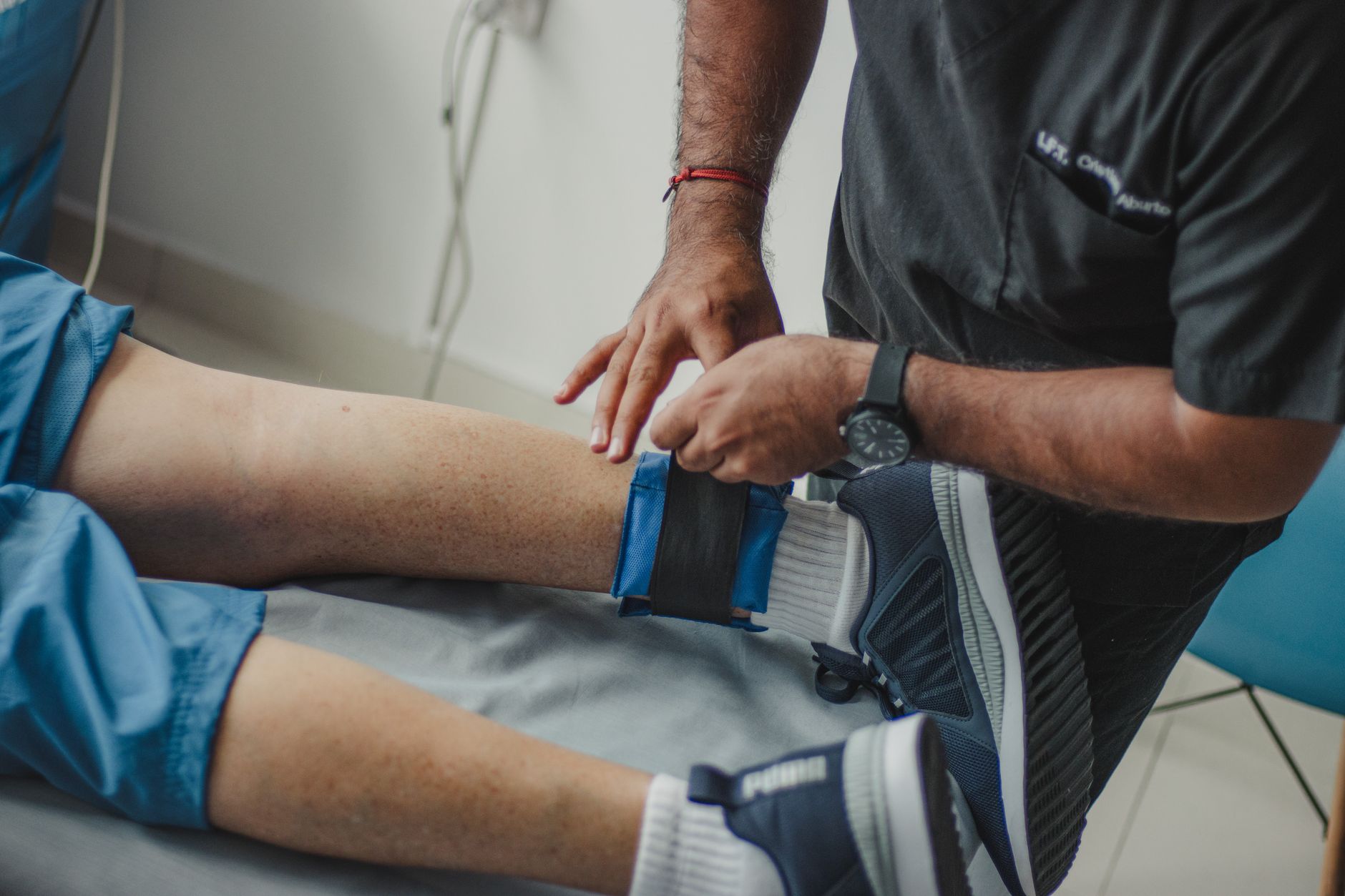
At the heart of every reputable Turkish recovery resort is a functioning rehabilitation clinic. Programmes typically begin with a full assessment: range of motion, gait analysis, muscle strength, pain scoring and a review of the surgical notes forwarded by the treating hospital. From there, therapists build an individual plan that may include manual therapy, hydrotherapy, electrotherapy, balance training, respiratory exercises and graduated strength work.
Supervision is continuous and documented. Sessions usually run once or twice daily, six days a week, with progress reviews built into the schedule. This matters enormously for orthopaedic patients, whose outcomes depend on starting mobilisation at the right moment and advancing it at the right pace. Doing too little risks stiffness and clots; doing too much risks re-injury. Having a physiotherapist beside you — literally counting your repetitions and adjusting your load — removes the guesswork.
Many facilities also integrate allied services: dietetic planning for bariatric and metabolic patients, lymphatic drainage for post-surgical swelling, scar management, and psychological support where anxiety or body-image concerns arise. Nursing cover is generally available around the clock, and some centres maintain direct referral links with nearby university hospitals for imaging or specialist review if anything unexpected appears.
For medical tourists, the reassurance of a clinical paper trail is significant. Patients leave with a written rehabilitation report, exercise prescriptions and a home programme, which can be shared with their own doctor at home. That continuity is one of the strongest arguments for choosing a supervised resort over an unsupervised hotel stay.
The Therapeutic Advantages of a Warm Climate
Türkiye's coastal regions enjoy long, mild seasons, and this is not merely a matter of holiday comfort. Warmth encourages movement. Patients who might hesitate to walk a corridor in a cold northern city are far more willing to take a gentle twenty-minute promenade beside the Aegean, and those additional steps accumulate into real functional gain.
Sunlight plays its own role. Controlled exposure supports vitamin D synthesis, which is directly relevant to bone healing after orthopaedic surgery, and bright natural light has well-documented effects on mood and sleep regulation. For patients recovering from major procedures, the risk of low mood and disrupted sleep is real; a sunny, unhurried environment helps counter both.
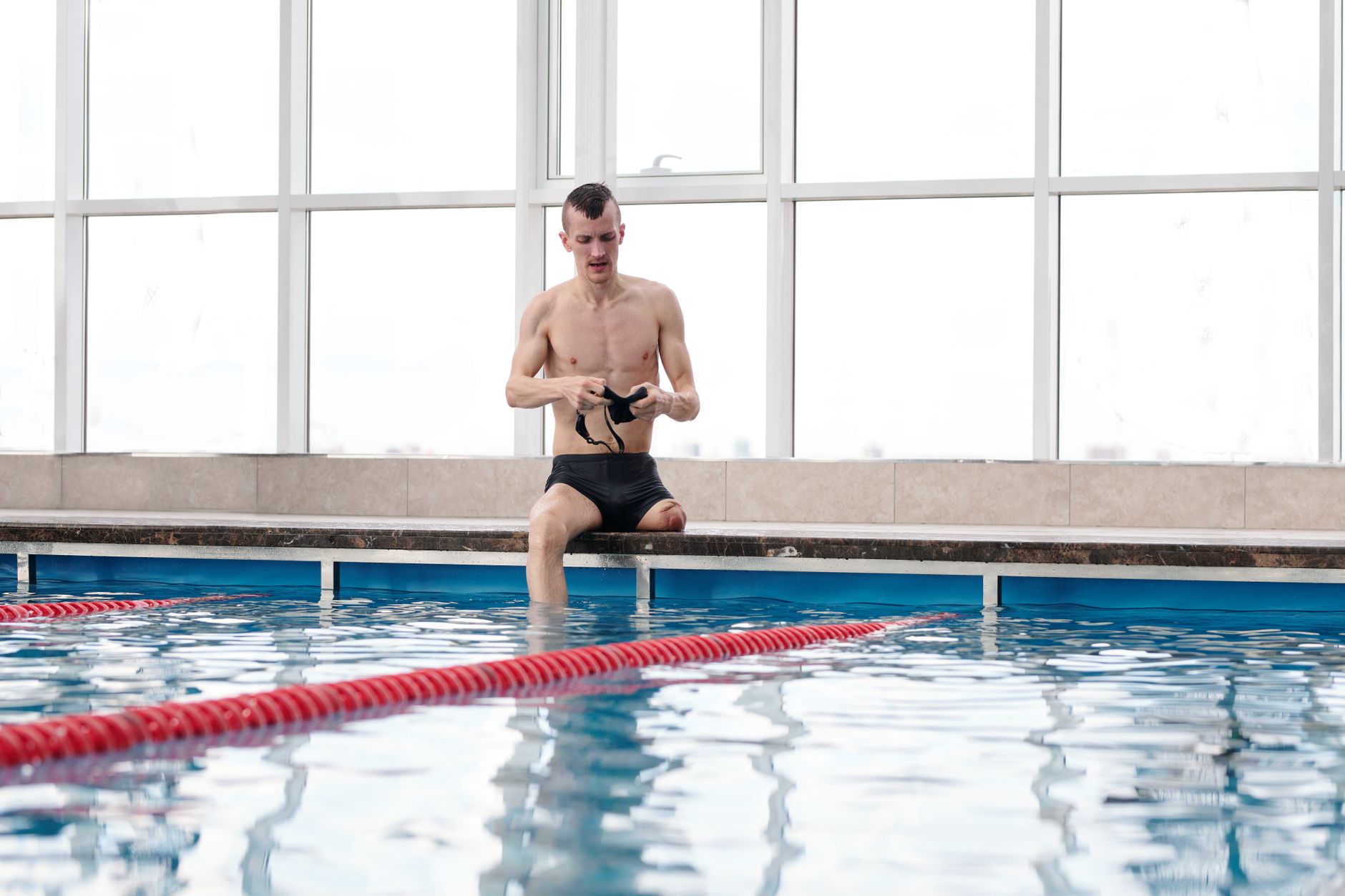
Sea air and coastal humidity can also ease the discomfort of respiratory conditions, and swimming or walking in warm, buoyant water allows joints to move with reduced load. Hydrotherapy pools at Turkish resorts are typically heated and supervised, making aquatic rehabilitation accessible even in cooler months. Combined with thermal spring water in some inland locations, the climate becomes an active component of the treatment plan rather than a decorative backdrop.
Peaceful Surroundings and the Psychology of Healing
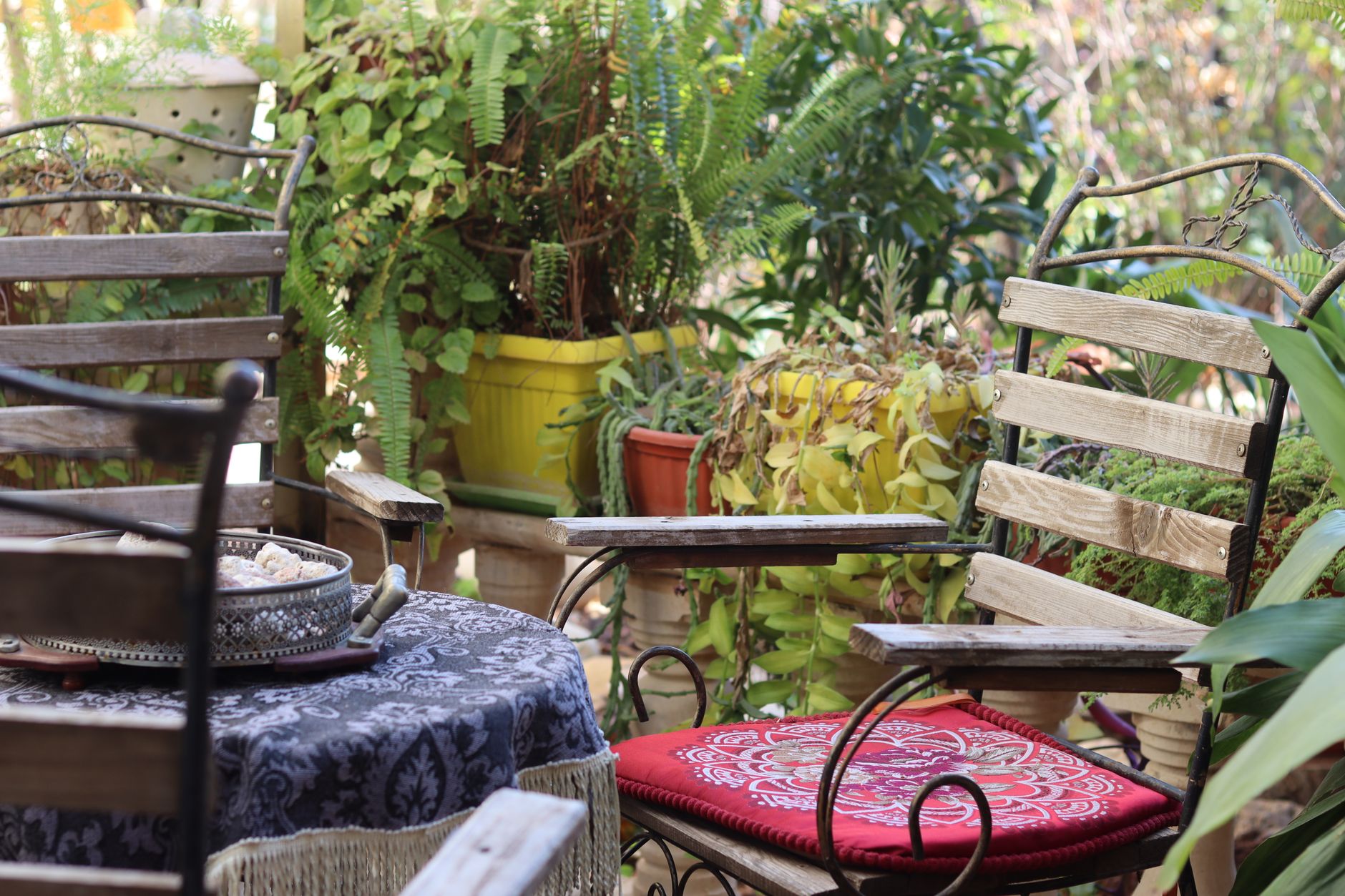
Recovery is not only physical. Patients who travel abroad for surgery often carry stress: language worries, the pressure to heal quickly, the strangeness of an unfamiliar hospital. A calm resort environment addresses that stress directly. Gardens, sea views, quiet libraries and shaded terraces replace the noise and fluorescent light of a ward.
Sleep quality frequently improves within days. Meals are freshly prepared and served at a human pace, often based on the Mediterranean diet that cardiologists and metabolic specialists recommend anyway. Families can stay close by, which reduces isolation for patients who have travelled far from home.
There is also a psychological reframing at work. In a resort, patients are not simply "ill people waiting to be discharged" — they are active participants in their own rehabilitation, following a daily routine of therapy, rest and gentle activity. That sense of agency is one of the most valuable things a good recovery programme can restore.
Many international patients arrive expecting to endure their recovery. They leave describing it as the calmest, most supported period of their treatment journey — and that shift in experience is exactly what Türkiye's recovery resorts are designed to produce.
Where to Recover: Coastal and Inland Destinations
The Aegean Coast: Izmir, Cesme and Kusadasi
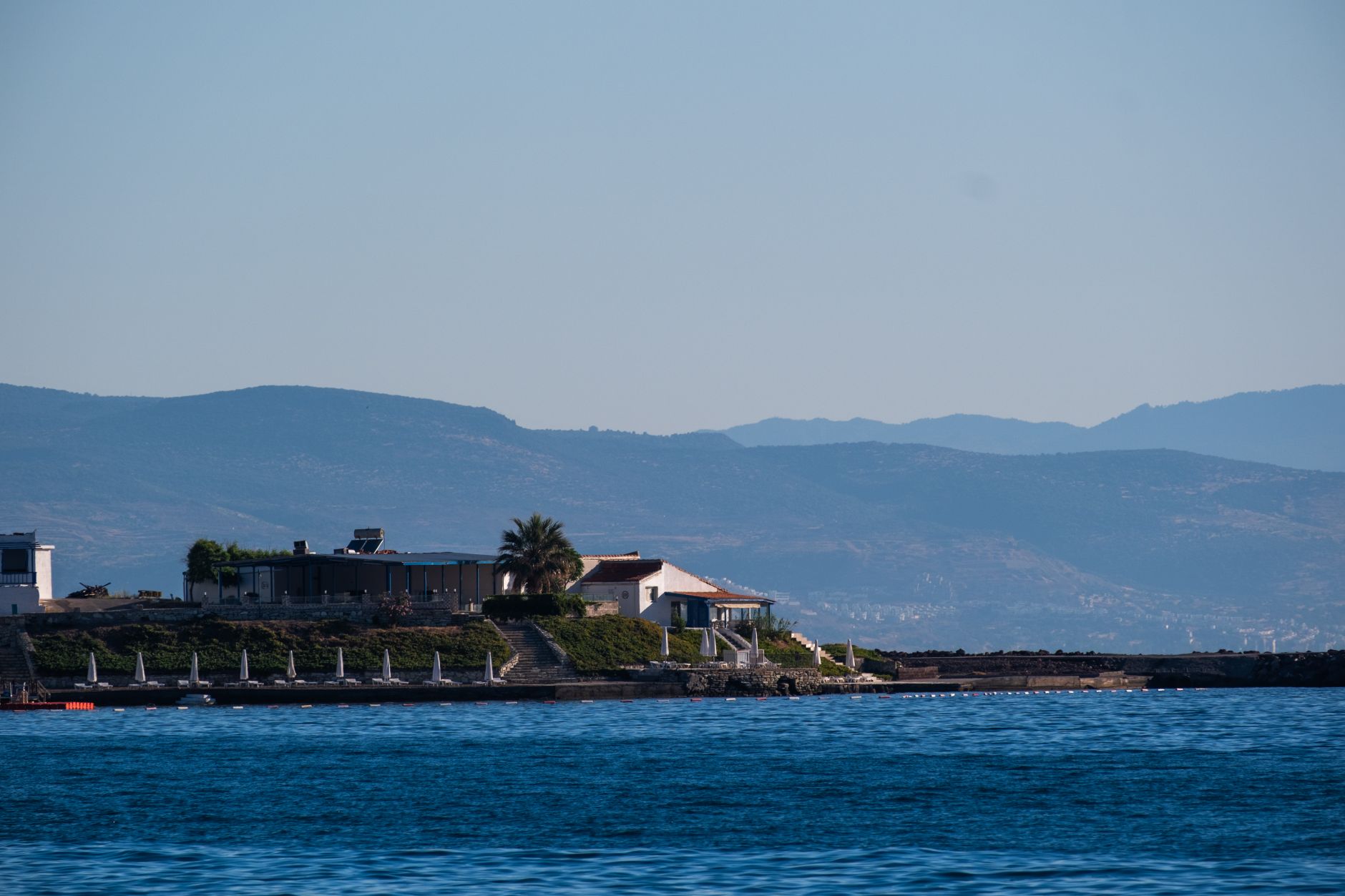
Izmir anchors Türkiye's western rehabilitation scene, with university hospitals and specialist clinics feeding patients into recovery resorts along the nearby coast. Cesme offers thermal springs, marina walks and a mild climate, while Kusadasi combines sea air with easy access to the ruins of Ephesus for patients who are well enough for gentle cultural outings. The region's physiotherapy expertise is particularly strong in orthopaedic and neurological rehabilitation.
The Mediterranean: Antalya, Belek and Fethiye
Antalya is arguably the country's most complete medical tourism hub. Its internationally accredited hospitals are matched by resort hotels and dedicated wellness centres along the coast at Belek, Lara and Kemer, where post-surgical guests can combine daily physiotherapy with pool-based exercise, sea swimming and shaded garden rest. Fethiye and the quieter bays towards Göcek suit patients who want privacy and a slower rhythm, with pine-covered hillsides dropping straight into turquoise water.
Istanbul and the Marmara Region
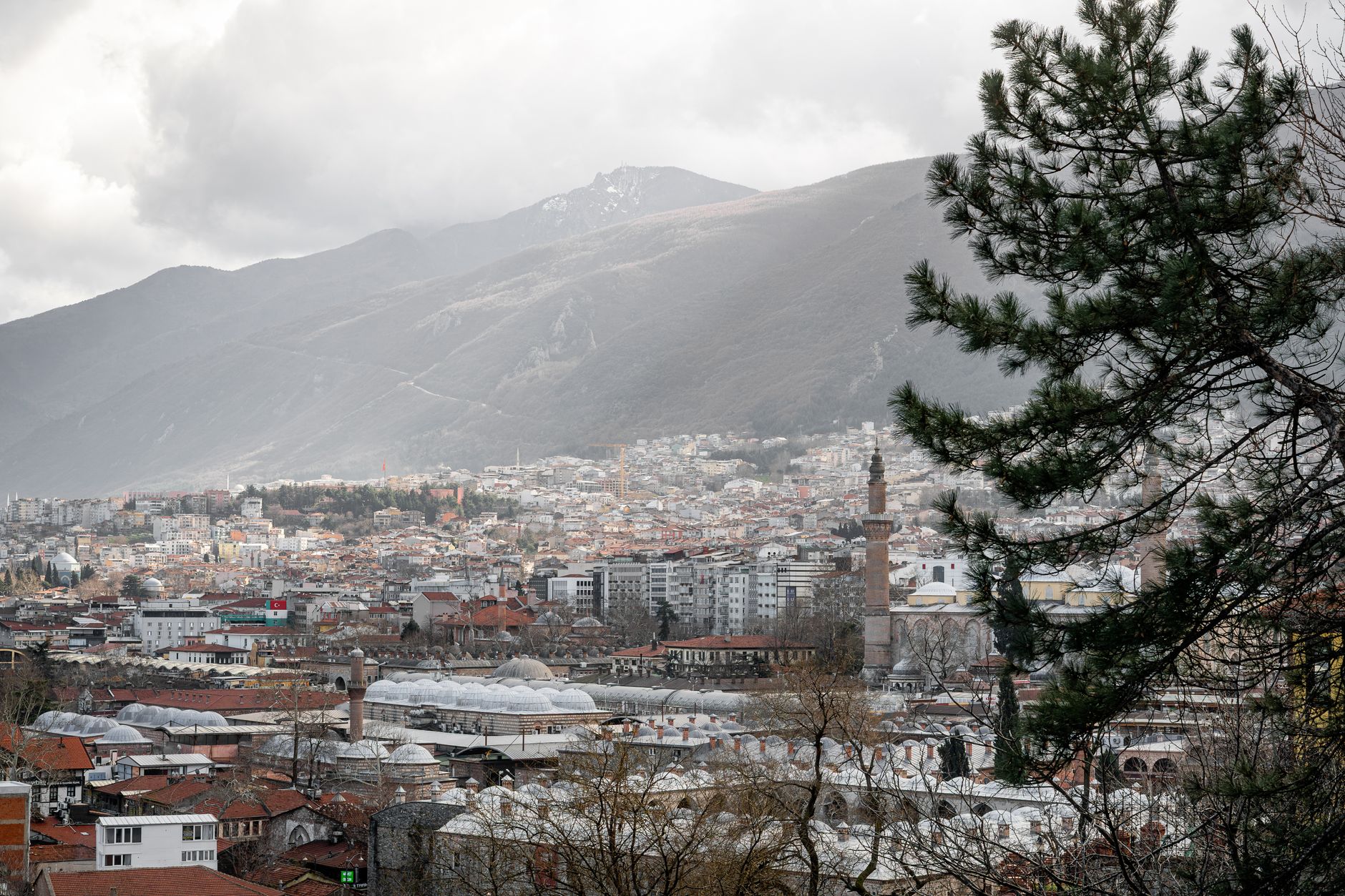
Istanbul remains the primary destination for surgery itself, and several hospitals operate affiliated rehabilitation units or partner with wellness hotels on the city's outskirts and along the Marmara coast. Bursa, a short ferry ride away, adds thermal springs with a long history of therapeutic bathing. For patients who prefer to remain near their operating surgeon for early follow-up, Marmara-based recovery options are practical and well supervised.
Inland Thermal and Nature Retreats
Away from the coast, Türkiye's thermal belt — including Pamukkale, Afyonkarahisar and Yalova — offers mineral-rich waters traditionally used for rheumatic and musculoskeletal complaints. These inland retreats are quieter and often more affordable, though patients should confirm that clinical physiotherapy, not only bathing, is included in the programme.
How to Choose the Right Recovery Programme
Start with the clinical question, not the view. Ask who will supervise your therapy, how many sessions per day are included, what qualifications the physiotherapists hold, and how the team will communicate with your surgeon. A facility that cannot answer these clearly should be set aside, however beautiful its brochure.
Next, match the programme to your procedure. Orthopaedic and spinal patients need gym equipment, gait training space and hydrotherapy. Bariatric and metabolic patients benefit from dietetic support and supervised walking programmes. Cardiac patients require monitored exercise and emergency protocols. Aesthetic and dental patients generally need lighter care: comfortable accommodation, lymphatic massage, gentle mobilisation and time.
Then consider logistics. How far is the resort from the operating hospital and from an emergency department? Is airport transfer included, and is the transfer suitable for your mobility level? Are rooms accessible, with walk-in showers and grab rails? Is a companion able to stay, and at what cost? Finally, review the practical details — language support, insurance or complication cover, and the written report you will take home.
Reputable coordinators will arrange a pre-arrival assessment by video call, request your medical records in advance and give you a written programme before you book. That level of preparation is the clearest sign you are dealing with a genuine clinical rehabilitation provider rather than a hotel with a massage room.
A Recovery You Can Look Forward To
Türkiye's rehabilitation and wellness resorts have turned post-treatment recovery into something patients no longer dread. By pairing accredited physiotherapy with warm coastal climates, peaceful gardens and skilled, multilingual staff, the country offers a model of care that treats the whole person — body, mind and mood — during the weeks that matter most.
For medical tourists, the result is practical as well as pleasant: better adherence to therapy, less stress for accompanying family, and a smoother return to normal life. Whether you are rebuilding strength after joint replacement in Antalya, recovering by the Aegean in Cesme, or resting in the thermal hills of Bursa, Türkiye delivers clinical excellence in surroundings that genuinely help you heal.
به فکر سفر به ترکیه هستید؟
پرسش خود را درباره این سایت یا اطلاعات منتشرشده در آن برای ما بفرستید. این صندوق پستی یک ناشر است، نه یک خدمت پزشکی و نه مسیری به سوی ارائهدهنده خاصی — برای پرسشهای بالینی با پزشک خودتان تماس بگیرید.