

Why Türkiye Leads in Medical Hospitality
Türkiye has become one of the world's most trusted destinations for medical travel, not only because of its advanced hospitals and internationally accredited clinics, but also because of something less clinical: an entire hospitality ecosystem built around the recovering patient. Cities such as Istanbul, Ankara, Izmir, and Antalya combine world-class surgical and aesthetic medicine with a mature network of recovery residences, serviced apartments, and aftercare hotels designed specifically for international guests.
What sets this ecosystem apart is the way it pairs comfort with clinical oversight. A patient who has just undergone a hair transplant, bariatric surgery, orthopedic procedure, or cosmetic operation does not simply check into a standard hotel. Instead, they can choose a residence where a nurse visits daily, medications are monitored, meals are tailored to dietary restrictions, and the distance to the operating hospital is measured in minutes rather than hours.
This guide explains the range of nurse-supported recovery residences and serviced apartments available near major Turkish hospitals, what services they typically include, and why this calm, clinically supervised base between hospital and flight home has become a defining feature of the Turkish medical tourism experience.
For international patients, the appeal is simple: after discharge, the hardest part of the journey is often the in-between period. You are no longer an inpatient, but you are not yet ready to fly. Türkiye's recovery residences are purpose-built for exactly that window of time.
The Range of Recovery Accommodation Options
Recovery accommodation in Türkiye is not a single product but a spectrum. At one end are full-service recovery residences with 24/7 nursing staff, on-site physiotherapy rooms, and doctor visits. At the other end are serviced apartments that offer privacy and independence while still providing optional nurse call-outs and hospital transfer coordination.
In between, there is a wide variety of boutique recovery hotels, suites attached to hospital campuses, and long-stay apartments in residential neighborhoods close to major medical centers. Many of these properties are clustered around hospital districts such as Şişli, Nişantaşı, and Ataşehir in Istanbul, or around the research hospital zones in Ankara and Izmir.
The right choice depends on the procedure. A patient recovering from bariatric surgery may prefer a full-service residence with supervised nutrition and mobility support. A patient recovering from a hair transplant may be perfectly comfortable in a serviced apartment with a daily nurse visit and a scheduled follow-up at the clinic. A companion or family member traveling along often tips the decision toward larger apartments with kitchenettes and separate bedrooms.
What unites all these options is a shared philosophy: the recovery period is treated as part of the medical journey, not as a vacation gap. Comfort is not an afterthought; it is part of the treatment plan.
Full-Service Nurse-Supported Residences
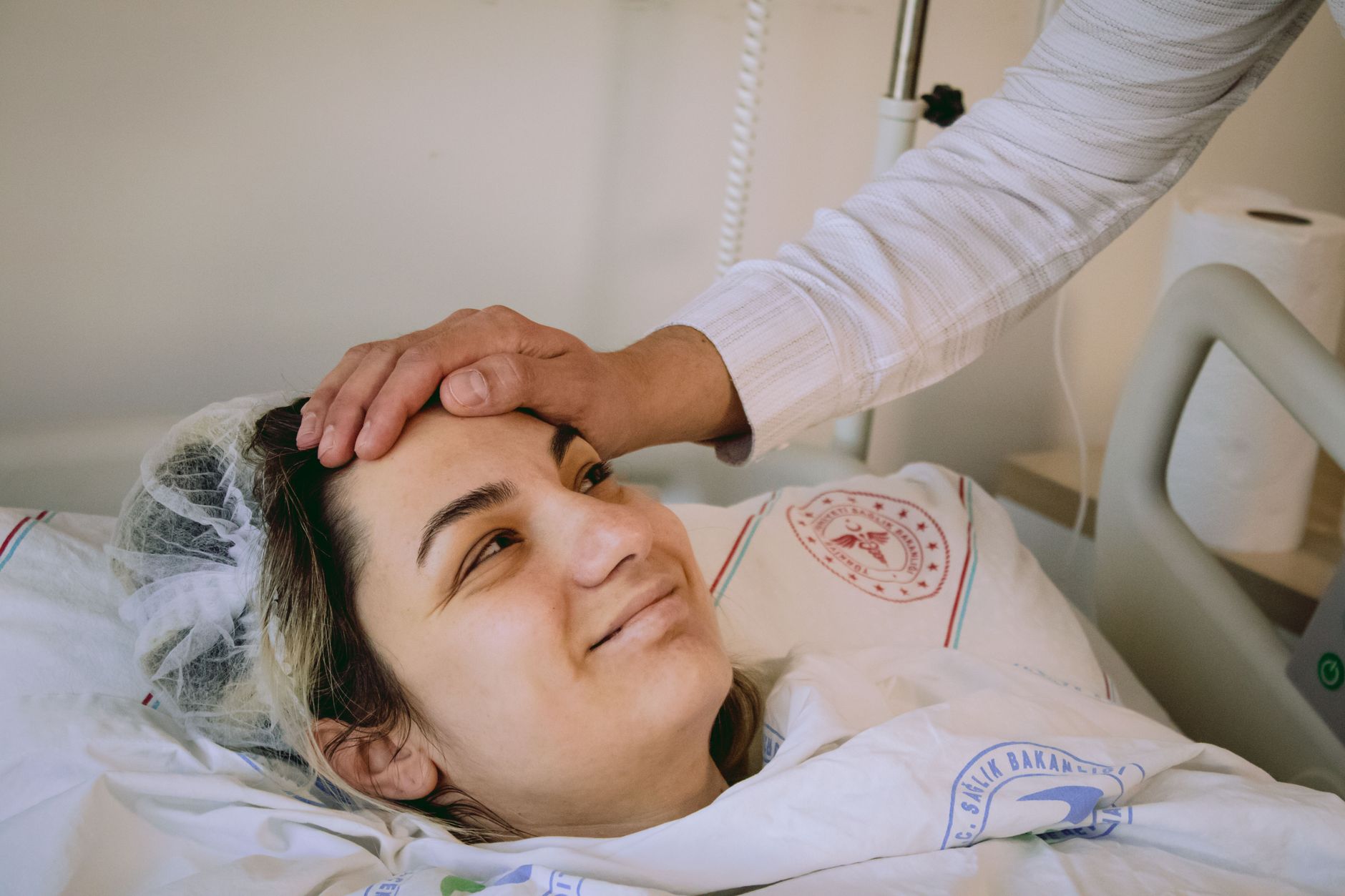
Full-service recovery residences are the most clinically intensive option outside the hospital. These facilities typically employ registered nurses around the clock, maintain direct communication with the patient's surgeon or clinic, and offer a structured daily routine that includes wound checks, medication administration, vital sign monitoring, and mobility assistance.
Many of these residences look and feel like boutique hotels, with private rooms, en-suite bathrooms, comfortable bedding, and quiet common areas. But behind the hospitality facade is a clinical layer: nurse call buttons, emergency protocols, and a medical director or consulting physician who can be reached at any hour. Some residences even have a dedicated treatment room for dressing changes and IV therapy.
Meals are a central part of the service. Menus are often designed with input from dietitians and are adapted to the patient's procedure. Bariatric patients receive small, protein-focused portions; post-operative patients may receive low-sodium or soft-food diets; and all guests are encouraged to stay hydrated with water and herbal teas rather than sugary drinks.
These residences usually offer airport and hospital transfers, translation support in multiple languages, and assistance with follow-up appointments. For patients traveling alone, this level of support can be the difference between a stressful recovery and a genuinely restful one.

Serviced Apartments with Clinical Oversight
Serviced apartments occupy a different niche. They offer more space, more privacy, and a sense of normal life, while still connecting patients to nursing and medical support on an as-needed basis. Many are located in modern residential complexes with elevators, security, and concierge services.
In a typical arrangement, the apartment provider partners with a local nursing agency or a nearby clinic. A nurse may visit once or twice a day to check incisions, change dressings, and review medications. The patient receives a direct phone number for questions and can request an extra visit if something feels wrong. Emergency transport to the hospital is arranged if needed.
These apartments are especially popular with patients who travel with a spouse or family member. A kitchenette allows light meal preparation, a washing machine helps with practicalities, and a separate living area gives everyone room to rest. Some complexes include on-site cafes, grocery delivery, and even fitness areas that patients can use once cleared by their doctor.
For many international patients, the serviced apartment model strikes an ideal balance: the independence of a home away from home, paired with the reassurance that a clinical professional is only a phone call away. It is recovery without the institutional feel.

What Is Typically Included in an All-Inclusive Recovery Package
The phrase "all-inclusive" can mean different things, but most reputable recovery residences in Türkiye follow a similar template. Understanding what is included helps patients compare options and avoid surprises. The following list covers the most common elements.
- Accommodation: Private room or apartment with en-suite bathroom, air conditioning, Wi-Fi, and housekeeping.
- Nursing care: Daily or 24/7 nurse availability, wound care, medication management, and vital sign checks.
- Medical coordination: Communication with the surgeon or clinic, scheduling of follow-up visits, and medical record handling.
- Meals: Three meals plus snacks, adapted to the patient's dietary requirements and procedure.
- Transfers: Airport pickup, hospital drop-off and pickup, and transport to follow-up appointments.
- Translation: Support in English, Arabic, German, Russian, French, or other languages, depending on the facility.
- Companion support: Options for a family member or friend to stay, sometimes at an additional cost.
Some packages add extras such as physiotherapy sessions, psychological support, laundry service, and guided light walks in nearby parks. Patients should always ask for a written list of inclusions and exclusions, especially regarding medication costs and specialist consultations.
It is also wise to confirm whether the residence has a formal agreement with the hospital where the procedure was performed. A direct line of communication between the recovery team and the surgical team makes follow-up smoother and safer.
How Clinical Oversight Works Day to Day
In a nurse-supported residence, the day usually begins with a morning check. A nurse may take blood pressure, temperature, and pulse, inspect the surgical site, and ask about pain, sleep, and appetite. Medications are distributed according to the surgeon's plan, and any concerns are noted for the doctor.
Midday is often reserved for meals, rest, and gentle movement. Patients are encouraged to walk short distances to reduce the risk of blood clots, but always within the limits set by their surgeon. Some residences offer supervised walking sessions or light physiotherapy for orthopedic and bariatric patients.
In the afternoon or evening, a second check may take place. If a follow-up appointment is scheduled, the residence arranges transport and often a translator. After the appointment, the nurse updates the care plan based on the doctor's instructions. Family members are kept informed, and questions are answered in plain language.
Behind the scenes, the residence maintains records and communicates with the clinic. If a complication is suspected, the protocol is clear: contact the surgeon, arrange transport, and accompany the patient if necessary. This structured rhythm gives patients confidence and helps them focus on rest rather than logistics.
Choosing the Right Residence for Your Procedure
The best recovery residence depends on the type of procedure and the patient's overall health. Hair transplant patients often need minimal nursing but appreciate a clean, quiet room and a follow-up wash at the clinic. Cosmetic surgery patients may need more frequent checks and compression garment support. Bariatric patients benefit from nutritional guidance and strict medication schedules. Orthopedic patients may require physiotherapy and mobility equipment.
Location matters too. Staying within 10 to 20 minutes of the hospital reduces travel stress and makes emergency returns faster. Proximity to pharmacies, grocery stores, and green spaces adds everyday convenience. In Istanbul, neighborhoods like Şişli, Nişantaşı, and Ataşehir are popular for their concentration of hospitals and recovery facilities.
Patients should ask potential residences about staff credentials, nurse-to-patient ratios, language support, and emergency procedures. Reading reviews from previous international patients can reveal how well a facility handles real situations. A short video call or virtual tour before booking can also provide peace of mind.
Finally, consider the length of stay. Most patients spend between three and ten nights in recovery accommodation, depending on the procedure and flight clearance. Booking a flexible stay that can be extended if needed is a practical safeguard.
A Safe, Calm Base Between Hospital and Flight Home
The period between hospital discharge and the flight home is often underestimated. Patients may feel physically fragile, emotionally tired, and anxious about traveling. A nurse-supported recovery residence transforms this period from a source of stress into a phase of genuine healing.
Instead of navigating a strange city alone, patients wake up in a comfortable room, eat a meal suited to their recovery, and see a nurse who knows their case. They rest, walk a little, and prepare for the journey home. The residence handles transfers and paperwork, and the surgical team remains within reach. This continuity of care is the quiet advantage of Türkiye's medical hospitality model.
For companions, the experience is also easier. They can focus on supporting their loved one rather than figuring out medications, meals, and transport in a foreign language. The residence becomes a calm base for the whole family.
In short, Türkiye's all-inclusive recovery residences and serviced apartments are not simply places to sleep. They are an extension of the medical journey, designed to protect the results of treatment and to make the return home safer, smoother, and more comfortable.
Thinking about treatment in Turkey?
Share your contact details and a verified doctor will follow up with a plan built around you — free, no obligation.