

Why an Anaesthesia Consultation Matters
For many international patients, the pre-operative anaesthesia consultation is a welcome reassurance—a dedicated conversation with a specialist who will keep you comfortable and safe throughout your procedure. In Türkiye, this step is treated with the utmost importance, not as a box-ticking exercise but as a personalised safety review. The anaesthesia team takes the time to understand your unique health profile, explain what will happen, and answer every question you may have.
This consultation is your opportunity to partner with experts who are highly trained in the latest anaesthetic techniques. Turkish hospitals invest in modern monitoring equipment and adhere to rigorous safety protocols, so you can feel confident that your care is in capable hands. The goal is to tailor the anaesthetic plan precisely to you, minimising risks and maximising comfort.
Beyond the clinical aspects, the consultation is a chance to build trust. Anaesthetists in Türkiye are known for their careful, patient-centred approach. They will listen to your concerns, address any anxieties, and ensure you feel fully informed before surgery. This personalised attention is a hallmark of the Turkish medical tourism experience.
What to Expect During the Consultation
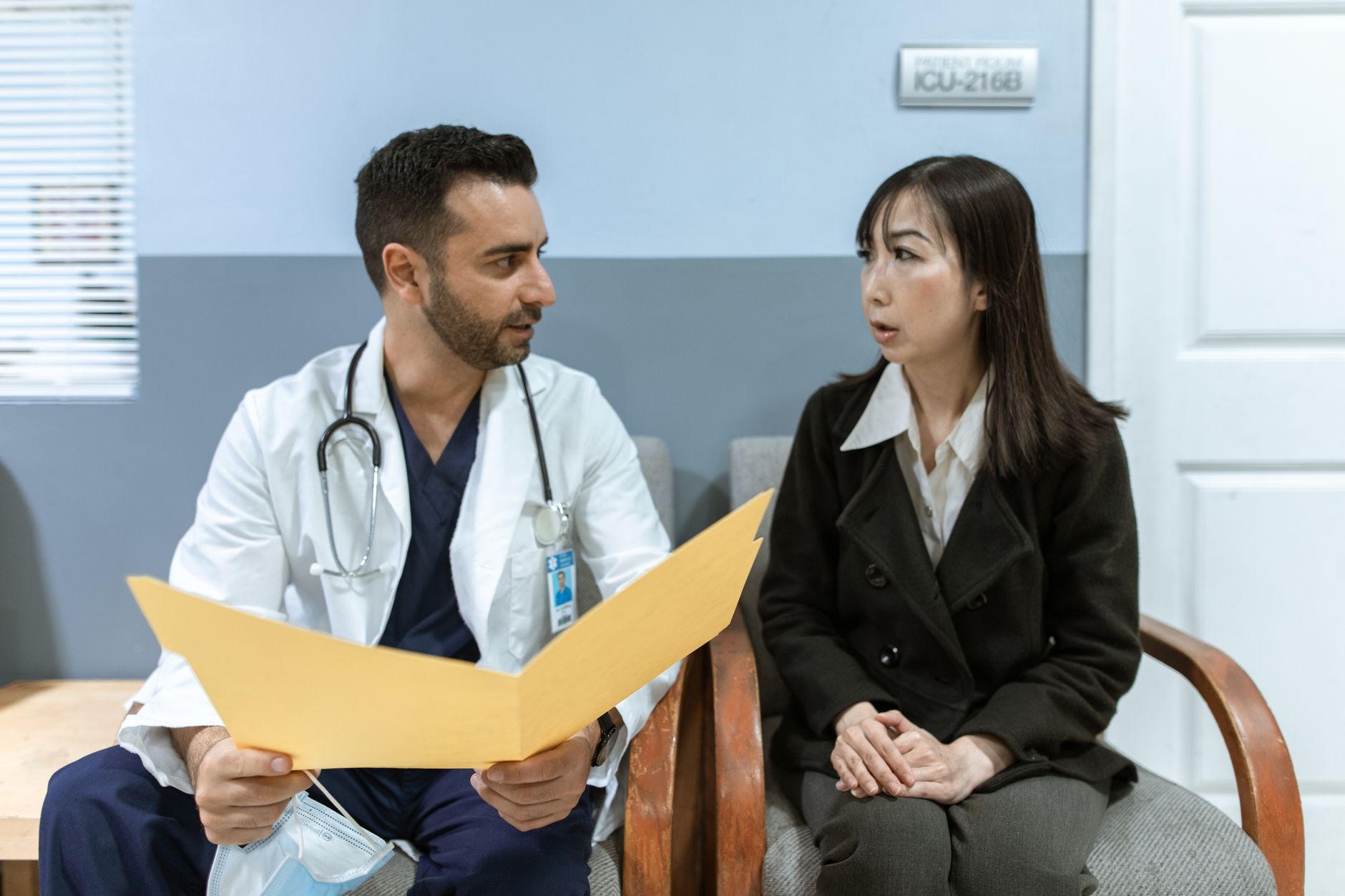
Your anaesthesia consultation typically takes place a day or two before surgery, often during your hospital pre-admission visit. You will meet a consultant anaesthetist—a doctor who specialises in anaesthesia and pain management. The session usually lasts 20 to 40 minutes, depending on your medical history and the complexity of your procedure.
The consultation begins with a detailed review of your medical history. The anaesthetist will ask about any chronic conditions, previous surgeries, allergies, and current medications. They will also inquire about your lifestyle, such as smoking and alcohol consumption, as these can affect anaesthesia. Be open and honest—this information is crucial for your safety.
Next comes a focused physical examination. The anaesthetist will assess your airway, breathing, and circulation. They may check your blood pressure, listen to your heart and lungs, and examine your veins for intravenous access. In some cases, they may order additional tests, such as an ECG or blood work, to ensure you are fit for anaesthesia.
Finally, the anaesthetist will explain the anaesthetic plan in detail. They will discuss the type of anaesthesia (general, regional, or sedation), the medications involved, and what you can expect during induction and recovery. This is your chance to ask questions—no concern is too small.
Questions You Will Be Asked
To create a safe anaesthetic plan, your anaesthetist needs a complete picture of your health. You will be asked about your medical history, including heart disease, diabetes, asthma, and any bleeding disorders. They will also want to know about previous anaesthetics—whether you experienced any problems, such as nausea or difficult intubation.
Allergies are a key focus. Be sure to mention any reactions to medications, latex, or antiseptics. Even mild allergies can influence the choice of anaesthetic agents. Similarly, provide a full list of your medications, including over-the-counter drugs, supplements, and herbal remedies. Some of these can interact with anaesthesia, so your doctor may ask you to stop certain ones before surgery.
Your lifestyle matters too. Smoking can affect lung function and healing, so you may be advised to quit or reduce smoking before surgery. Alcohol intake and recreational drug use are also relevant—these can impact anaesthesia requirements and recovery. Rest assured, your answers are confidential and used solely for your safety.
You will also be asked about your dental health, as loose teeth or dentures can affect airway management. And don't be surprised if the anaesthetist asks about your mental health—conditions like anxiety or depression can influence your experience and may require adjustments in your care plan.

How to Prepare Information in Advance
To make the most of your consultation, prepare a comprehensive health summary before you travel. Gather your medical records, including recent test results, a list of your medications with dosages, and any allergy information. If you have a complex medical history, consider bringing a letter from your primary care physician or specialists.
Create a medication list that includes prescription drugs, over-the-counter medications, vitamins, and supplements. Note the frequency and dosage of each. If you use medical devices, such as an insulin pump or CPAP machine, inform the anaesthesia team in advance. They can advise you on how to manage these around surgery.
It's also helpful to write down any questions or concerns you have. Whether it's about pain management, recovery time, or potential side effects, having a list ensures you don't forget anything. You may want to bring a family member or friend to the consultation for support and to help remember details.
Finally, be honest about your lifestyle. If you smoke or drink alcohol, disclose this information. Your anaesthetist is not there to judge but to ensure your safety. With the right information, they can tailor the anaesthetic to minimise risks and optimise your comfort.
The Personalised, Careful Approach of Turkish Anaesthesia Teams
Turkish anaesthesia teams are renowned for their meticulous, personalised care. They take the time to understand each patient's unique needs and preferences. This is particularly important for international patients, who may have language barriers or cultural differences. Many hospitals provide interpreters or have English-speaking anaesthetists, ensuring clear communication.
The approach is holistic—not just focusing on the surgery but on your overall well-being. Anaesthetists in Türkiye are skilled in advanced techniques, such as regional anaesthesia and sedation, which can reduce recovery times and improve outcomes. They also emphasise pain management, using multimodal strategies to keep you comfortable after surgery.
What sets Turkish anaesthesia teams apart is their dedication to safety and quality. They follow international guidelines and continuously update their protocols. At the same time, they add a personal touch—a reassuring word, a careful explanation, a commitment to your comfort. This blend of expertise and compassion is why many international patients choose Türkiye for their surgical care.
After the Consultation: What Happens Next
Following your anaesthesia consultation, the anaesthetist will document the plan in your medical record. You will receive instructions on fasting before surgery—typically no food for 6-8 hours and clear fluids up to 2 hours before. These guidelines are crucial for preventing complications during anaesthesia.
You may also be given pre-medication, such as a mild sedative, to help you relax before surgery. On the day of your procedure, the anaesthetist will review the plan with you one more time and answer any last-minute questions. Then, you will be taken to the operating theatre, where the anaesthesia team will continuously monitor your vital signs throughout surgery.
After surgery, you will be transferred to a recovery area, where the anaesthetist and nursing staff will manage any pain or side effects. They will ensure you are comfortable and stable before returning to your room. The care doesn't end there—follow-up visits and pain management support are part of the package.
In summary, the anaesthesia consultation is a vital step in your surgical journey. It's a chance to ensure your safety, voice your concerns, and benefit from the expertise of highly trained specialists. By preparing in advance and engaging openly with your anaesthesia team, you can approach your surgery with confidence and peace of mind.
Thinking about treatment in Turkey?
Send us a question about this site or about the information published on it. This is a publisher's mailbox, not a medical service and not a route to a particular provider — for clinical questions, contact your own doctor.