

Introduction: Comfort as a Cornerstone of Turkish Healthcare
For international patients considering medical treatment abroad, the prospect of surgery often brings two major concerns: safety and comfort. In Türkiye, these concerns are addressed with a level of sophistication that has earned the country a reputation as a global leader in medical tourism. Turkish hospitals, particularly those in Istanbul, Ankara, and Izmir, combine advanced technology with deeply ingrained hospitality to create an environment where patients feel secure and cared for at every step. Central to this experience is the field of anaesthesiology and pain management—a discipline that has seen tremendous advancement in recent years.
Anaesthesia is far more than simply "being put to sleep." It encompasses a range of techniques designed to block pain, relax muscles, and maintain stable vital functions during surgical procedures. In Türkiye, anaesthesia teams are highly trained, often with international certifications and experience in some of the world's most demanding medical settings. They are not just technicians; they are physicians who specialize in perioperative care—the complete journey from pre-operative assessment to post-operative recovery.
This guide aims to demystify anaesthesia and pain management for international patients. We will explore how Turkish hospitals approach pre-operative evaluations, the types of anaesthesia available, the use of patient-controlled analgesia (PCA), and the post-operative comfort measures that set Turkish healthcare apart. By understanding what to expect, you can approach your treatment with confidence, knowing that your comfort is treated as a priority throughout your stay.
The Role of the Anaesthesiologist: More Than Just Sleep
In Turkish hospitals, the anaesthesiologist is a key member of your surgical team, often meeting you before the operation to discuss your medical history, allergies, and any previous experiences with anaesthesia. This pre-operative consultation is not a formality; it is a critical step in tailoring an anaesthetic plan that is safe and effective for you. The anaesthesiologist will assess your heart, lungs, and overall health, sometimes ordering additional tests such as an electrocardiogram (ECG) or blood work. This thorough evaluation ensures that any potential risks are identified and managed before you enter the operating room.
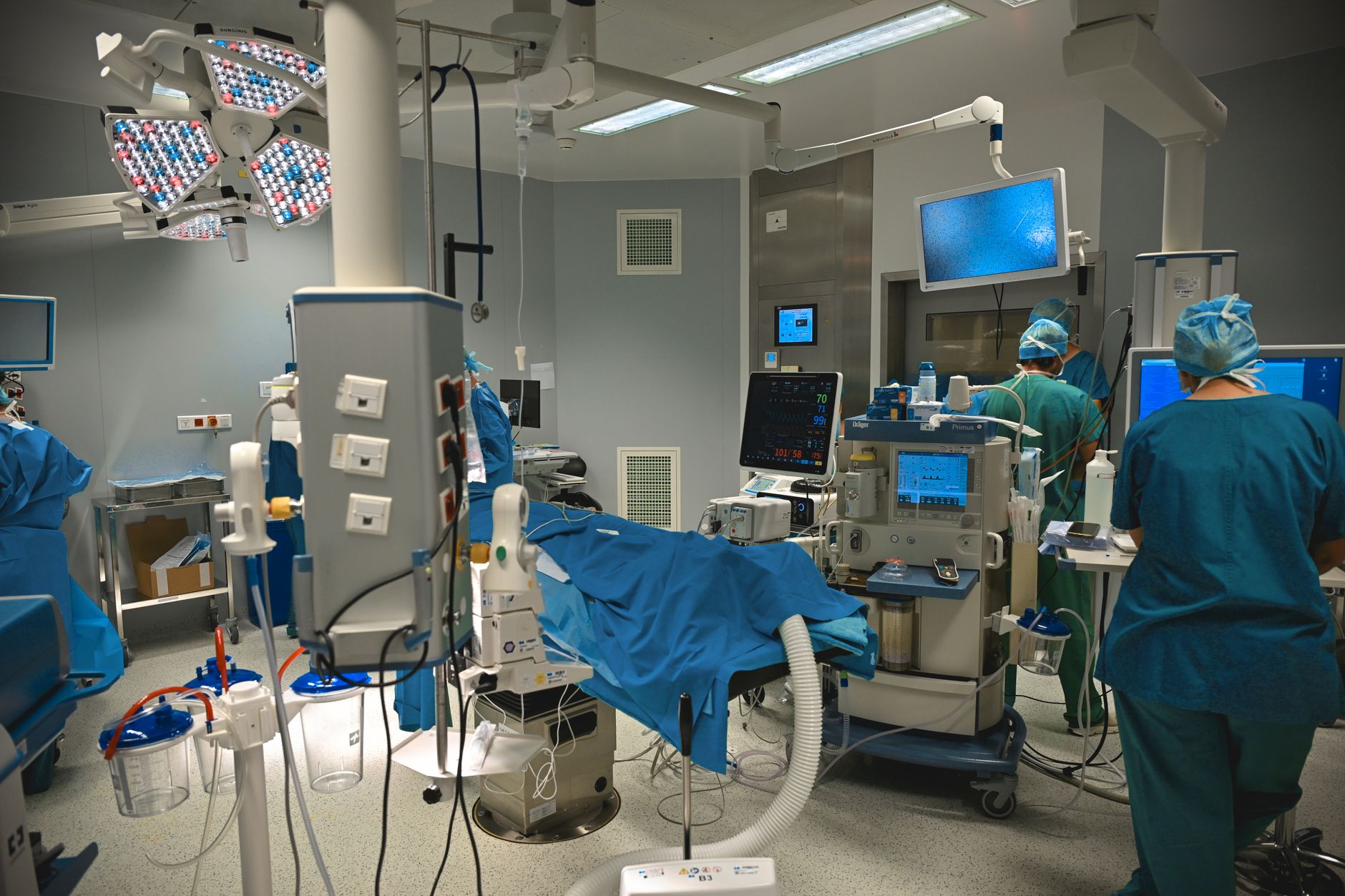
During surgery, the anaesthesiologist continuously monitors your heart rate, blood pressure, oxygen levels, and breathing. They adjust the anaesthetic drugs in real time to keep you stable and pain-free. Turkish hospitals are equipped with state-of-the-art monitoring devices, including advanced brain function monitors that help gauge the depth of anaesthesia, reducing the risk of awareness during surgery. This level of vigilance is a hallmark of Turkish anaesthesia practice and reflects the country's commitment to patient safety.
After surgery, the anaesthesiologist's role continues. They oversee your transition to the recovery room (Post-Anaesthesia Care Unit, or PACU) and manage any immediate pain or side effects. In many Turkish hospitals, the anaesthesiologist also leads the acute pain service, which designs a personalized pain management plan for your post-operative period. This continuity of care is one of the many reasons patients from around the world choose Türkiye for their medical procedures.
Pre-Operative Assessment: The Foundation of Safe Anaesthesia
The pre-operative assessment is a comprehensive process that begins long before your surgery date. In Türkiye, international patient departments often coordinate this assessment remotely, requesting medical records and arranging for any necessary tests to be done in your home country or upon arrival. This proactive approach saves time and ensures that your surgical team has a complete picture of your health.
During the assessment, you can expect a detailed review of your medical history, including any chronic conditions such as diabetes, hypertension, or heart disease. You will be asked about medications you take, including supplements and herbal remedies, as these can interact with anaesthetic drugs. Allergies, previous surgeries, and family history of anaesthetic complications are also discussed. The anaesthesiologist will explain the planned anaesthetic technique, answer your questions, and obtain your informed consent. This conversation is typically conducted in English or with the help of a professional medical interpreter, as Turkish hospitals catering to international patients employ multilingual staff.
Physical examinations and diagnostic tests are standard. These may include blood tests, chest X-rays, and lung function tests, depending on your age and health status. For certain procedures, a cardiology consultation may be requested. The goal is to optimize your condition before surgery—for example, by adjusting blood pressure medications or managing blood sugar levels. This meticulous preparation is a key reason why Turkish hospitals report low rates of anaesthetic complications and high patient satisfaction.
If you are travelling from abroad, the pre-operative assessment may also cover practical matters such as fasting instructions (typically no food or drink for a specified period before surgery) and guidelines for taking your regular medications on the day of surgery. You will receive clear, written instructions in your language, and a coordinator will be available to clarify any doubts. This level of organization helps alleviate anxiety and ensures a smooth surgical experience.
Types of Anaesthesia: Tailoring Comfort to Your Needs
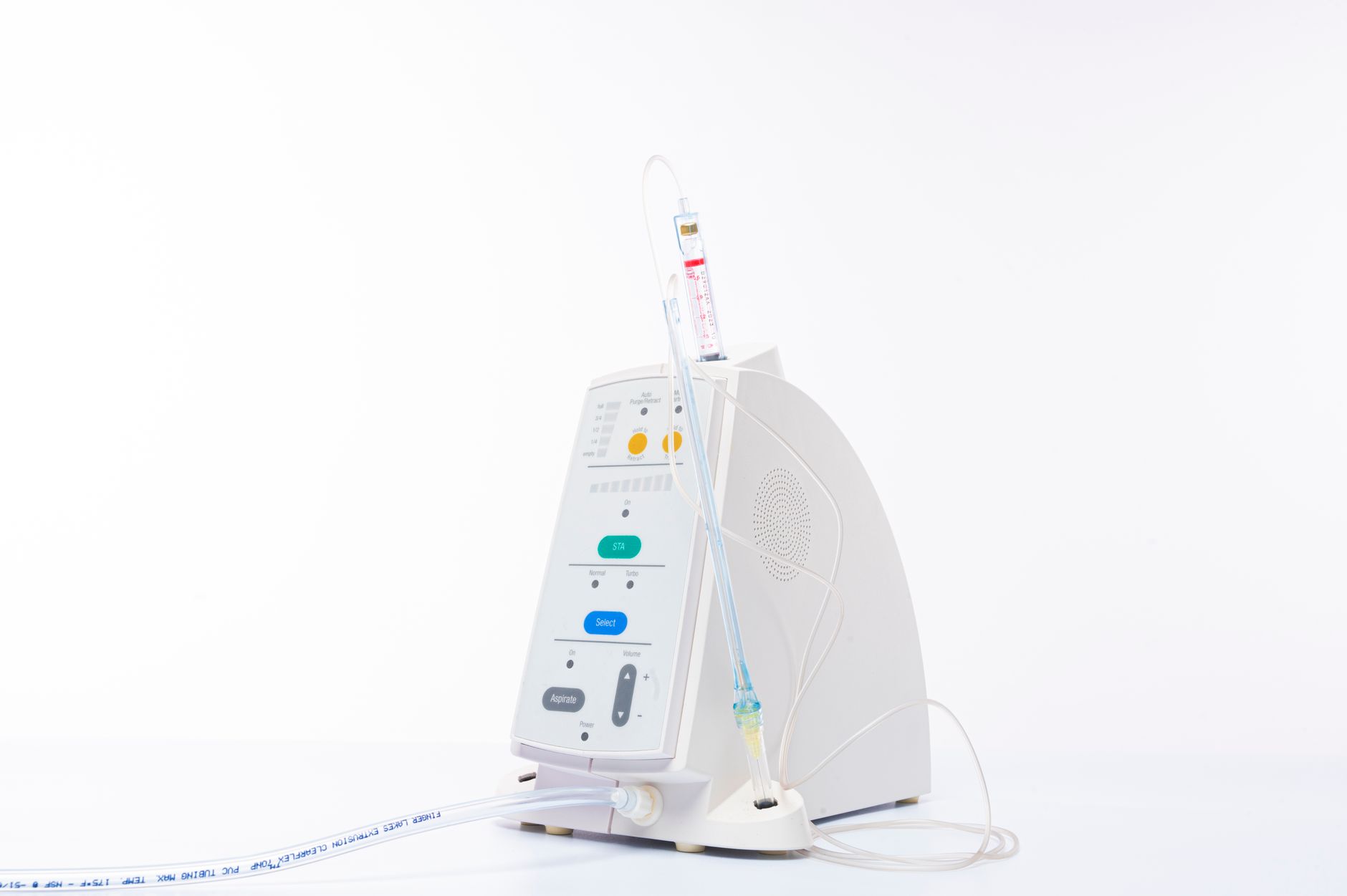
Turkish hospitals offer the full spectrum of anaesthetic techniques, and your anaesthesiologist will recommend the most appropriate one based on the type of surgery, your health, and your preferences. The main categories are general anaesthesia, regional anaesthesia, and sedation (monitored anaesthesia care).
General anaesthesia involves rendering you completely unconscious and insensible to pain. It is used for major surgeries and when muscle relaxation is required. In Türkiye, general anaesthesia is administered using modern inhaled agents and intravenous drugs that allow for rapid induction and smooth emergence. The risk of nausea and vomiting has been significantly reduced with newer medications, and your anaesthesiologist will proactively administer anti-nausea drugs to keep you comfortable.
Regional anaesthesia numbs a specific area of the body while you remain awake or lightly sedated. Common types include spinal, epidural, and nerve blocks. These techniques are particularly popular for orthopedic, urological, and obstetric procedures. Turkish anaesthesiologists are highly skilled in ultrasound-guided nerve blocks, which precisely target nerves to provide excellent pain relief with fewer side effects. For example, after knee surgery, a femoral nerve block can keep you comfortable for many hours, reducing the need for systemic opioids. Regional anaesthesia often allows for faster recovery and less post-operative confusion, especially in older patients.
Sedation, also known as monitored anaesthesia care, is used for minor procedures such as endoscopy or cataract surgery. You remain relaxed and drowsy but responsive. This approach is ideal for patients who want to avoid the effects of general anaesthesia. Whatever technique is chosen, your comfort and safety are paramount, and the anaesthesia team will monitor you closely throughout.
Patient-Controlled Analgesia (PCA): Empowering You to Manage Pain
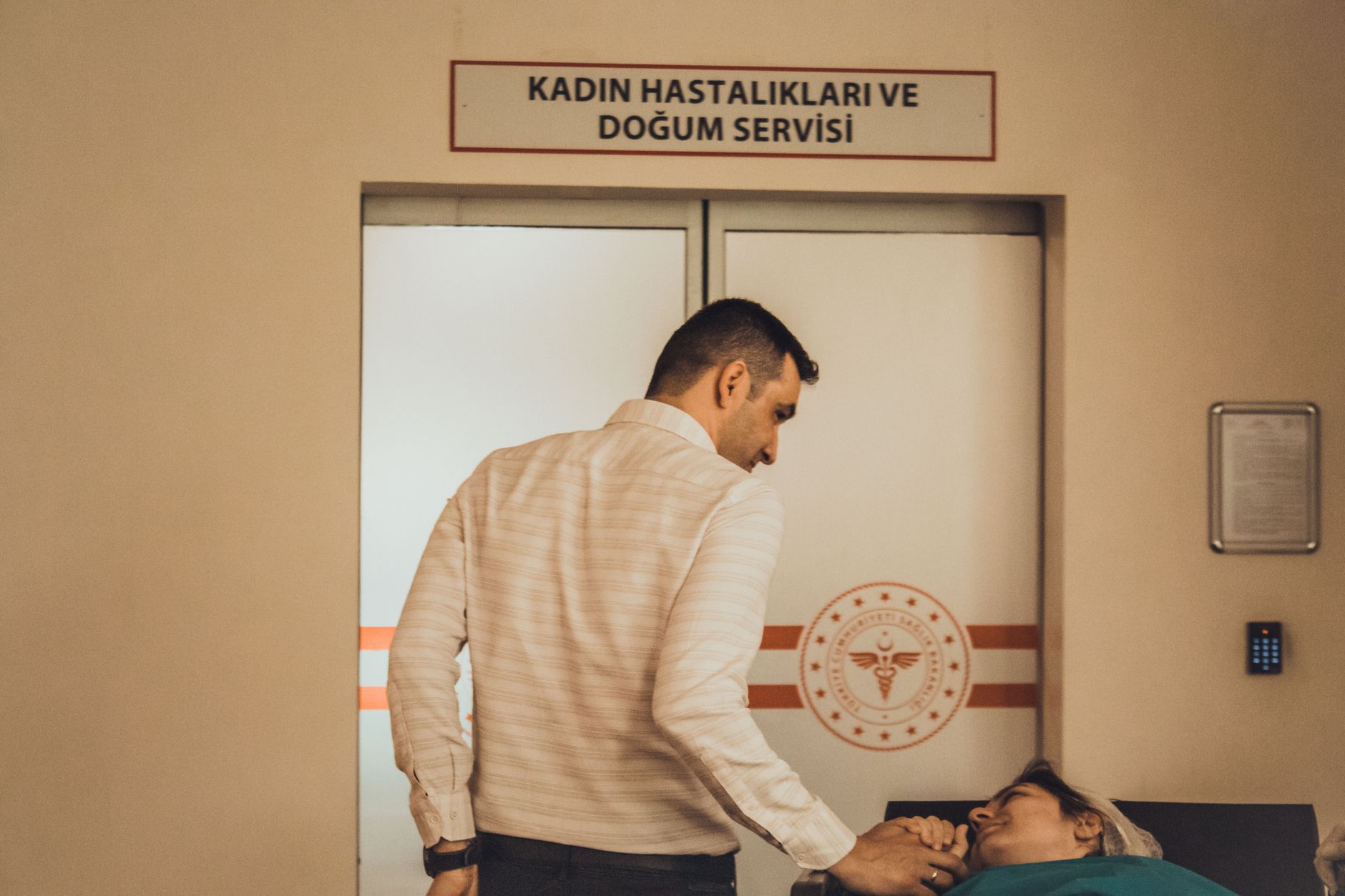
One of the most patient-friendly innovations in post-operative care is patient-controlled analgesia (PCA). Turkish hospitals widely use PCA to give patients direct control over their pain relief. With PCA, you have a hand-held button that delivers a pre-set dose of pain medication through an intravenous line when you feel discomfort. The pump is programmed with safety limits to prevent overdose, so you can press the button as needed without worry.
PCA offers several advantages. It provides consistent pain control because you can treat pain immediately, rather than waiting for a nurse to administer medication. It also reduces the total amount of medication required, as you only use what you need. Many patients report feeling more in control and less anxious when using PCA. In Turkish hospitals, the acute pain service team monitors your PCA usage and adjusts the settings if necessary, ensuring optimal comfort.
Besides PCA, Turkish hospitals employ multimodal analgesia—a combination of different pain-relieving methods to target pain from multiple angles. This may include scheduled non-opioid medications like paracetamol or NSAIDs, regional blocks, and local anaesthetic infusions. By using a multimodal approach, doctors can minimize side effects and improve pain relief. You may also receive non-pharmacological comfort measures, such as positioning, ice packs, or relaxation techniques. The overarching philosophy is to keep you as comfortable as possible while you heal.
Post-Operative Care and Recovery: A Seamless Transition
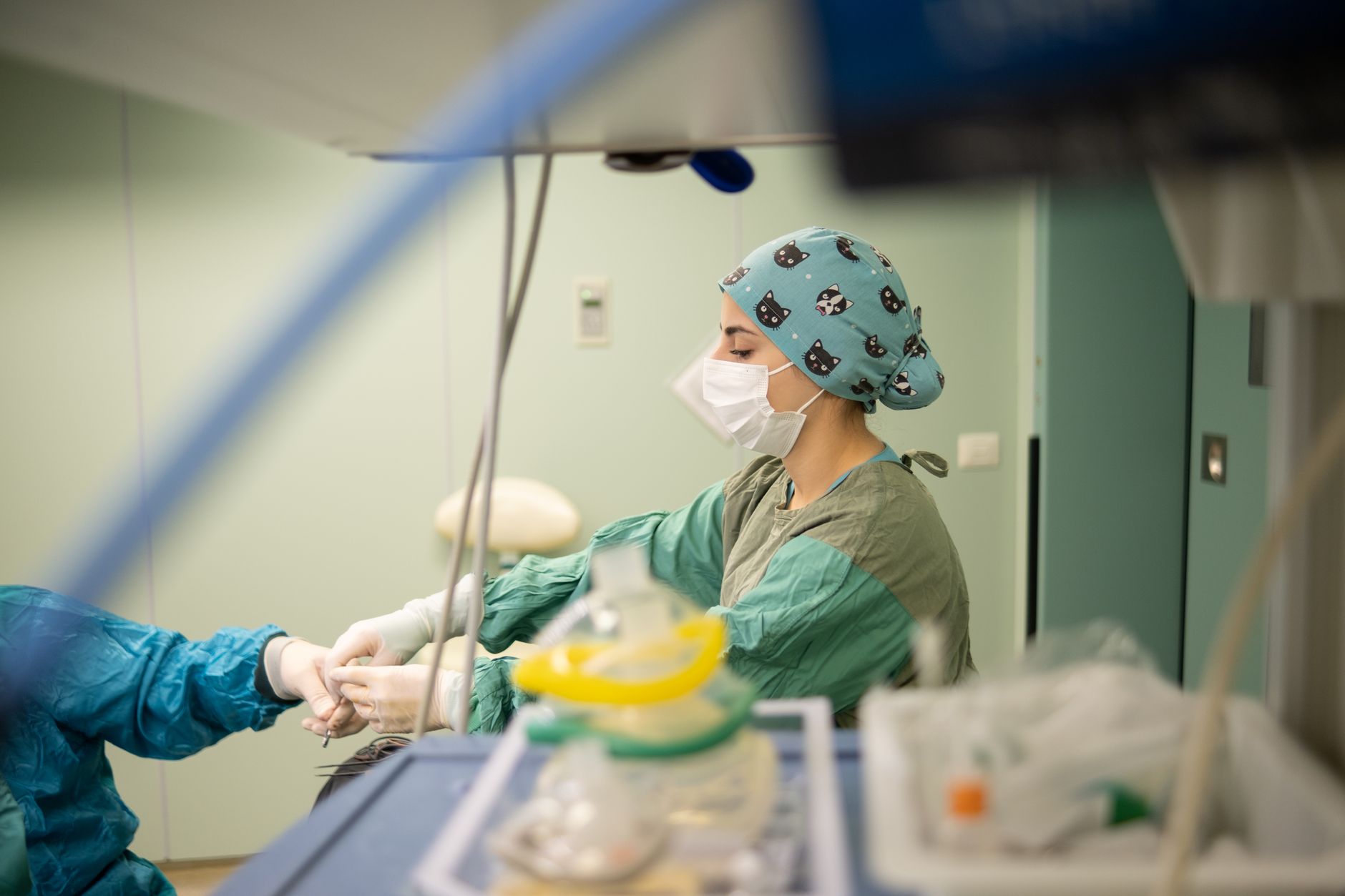
After surgery, you will be transferred to a recovery area where nurses and anaesthesiologists monitor your vital signs and manage any immediate pain or nausea. Once you are stable, you will be moved to your room. Turkish hospitals are known for their comfortable patient rooms, often resembling hotel accommodations, with amenities such as private bathrooms, televisions, and Wi-Fi. This pleasant environment contributes to a sense of well-being and speeds recovery.
Pain management continues on the ward. Nurses are trained to assess pain using standardized scales and to administer medications promptly. If you have a PCA pump, they will ensure it is working correctly and that you understand how to use it. The acute pain service may visit you daily to fine-tune your pain regimen. If you experience any side effects from pain medications, such as itching or constipation, the team will address them proactively.
Discharge planning begins early. Before you leave the hospital, you will receive written instructions for pain medications to take at home, as well as guidance on activity restrictions and follow-up appointments. For international patients, the hospital's international department often provides a liaison to help with prescriptions, medical reports in English, and communication with your doctor back home. This ensures continuity of care even after you return to your country.
It is important to note that Turkish hospitals adhere to strict infection control and safety protocols. The risk of complications is minimized through careful monitoring and evidence-based practices. Patients from Europe, the Middle East, and beyond consistently praise the attentiveness of Turkish medical staff and the emphasis on comfort. Many describe their experience as surprisingly positive, with pain well-controlled and recovery smoother than expected.
Why Turkish Anaesthesia Standards Are World-Class
Türkiye has made significant investments in healthcare infrastructure and medical education. Anaesthesiology residency programs are rigorous, and many Turkish anaesthesiologists have trained or worked in Europe or the United States. They are required to participate in continuing medical education and are subject to regular performance reviews. Hospitals are accredited by international bodies such as JCI (Joint Commission International), which sets high standards for patient safety and quality.
Moreover, Turkish hospitals are equipped with cutting-edge technology. Operating rooms feature advanced anaesthesia machines, patient monitors, and ultrasound equipment. Drug formularies include the latest anaesthetic agents and reversal drugs. This combination of skilled personnel and modern technology ensures that patients receive care on par with leading medical centers worldwide.
The cultural aspect of Turkish hospitality also plays a role. Turks are known for their warmth and generosity, and this extends to healthcare. Nurses and doctors take time to explain procedures, comfort anxious patients, and ensure that families are informed. For international patients, this human touch makes a significant difference in the overall experience.
In conclusion, if you are considering medical treatment in Türkiye, you can be confident that your anaesthesia and pain management will be handled with the utmost expertise and compassion. From pre-operative assessment to post-operative PCA, every step is designed with your comfort in mind. Turkish hospitals have earned their reputation as top destinations for medical tourism, and their anaesthesia teams are a major reason why.
Thinking about treatment in Turkey?
Send us a question about this site or about the information published on it. This is a publisher's mailbox, not a medical service and not a route to a particular provider — for clinical questions, contact your own doctor.