

Why Antalya Has Become a Medical Tourism Destination
Antalya has long been known to European travelers as the gateway to Turkey's turquoise coast — a city of Roman harbours, waterfalls and endless sunshine. In recent years, however, a new reputation has grown alongside the beach resorts: Antalya is now home to a growing cluster of high-quality, internationally focused clinics offering aesthetic, dental and orthopaedic treatments. What was once a quiet alternative to Istanbul's bustling medical scene has matured into a genuine "Mediterranean medical belt," stretching from the city centre through Lara and Konyaaltı and out toward the resort towns of the wider Antalya province.
The appeal is easy to understand. Patients can combine world-class clinical care with a setting that feels like a holiday, and they can recover in a warm, low-stress environment rather than a grey northern winter. For many international patients, the combination of modern facilities, competitive pricing and genuine Mediterranean hospitality is exactly what they are looking for.
This guide walks you through the region's clinics, the treatments they are known for, how to plan a doctor-approved recovery period, and how to make the most of your time in Antalya beyond the operating theatre.
Clinics That Combine Modern Technology with Mediterranean Warmth
Antalya's medical sector has invested heavily in technology. Internationally accredited hospitals and specialist clinics across the province offer digital imaging, 3D dental scanning, robotic-assisted orthopaedic systems, laser platforms and fully equipped operating theatres that meet European standards. Many facilities in the medical belt employ multilingual coordinators and are designed specifically with international patients in mind — from airport transfers to international insurance paperwork.
What distinguishes Antalya is not just the equipment but the atmosphere. The region's clinics tend to be smaller and more personal than the large hospital complexes of major metropolitan cities. Consultants often spend longer with patients, and the culture of Turkish hospitality — çay offered in the waiting room, careful follow-up calls after discharge — makes the experience feel warmer than the clinical norm. Doctors and nurses here are used to treating visitors, and many speak English, German, Russian and Arabic alongside Turkish.
The professional calibre of local medical teams is high. Turkish physicians complete rigorous training, and many specialists in Antalya have studied or worked abroad. The Turkish Ministry of Health regulates private clinics closely, and international accreditation bodies increasingly recognize facilities in the region. Patients frequently report that the combination of technical precision and personal warmth is what made their experience memorable.
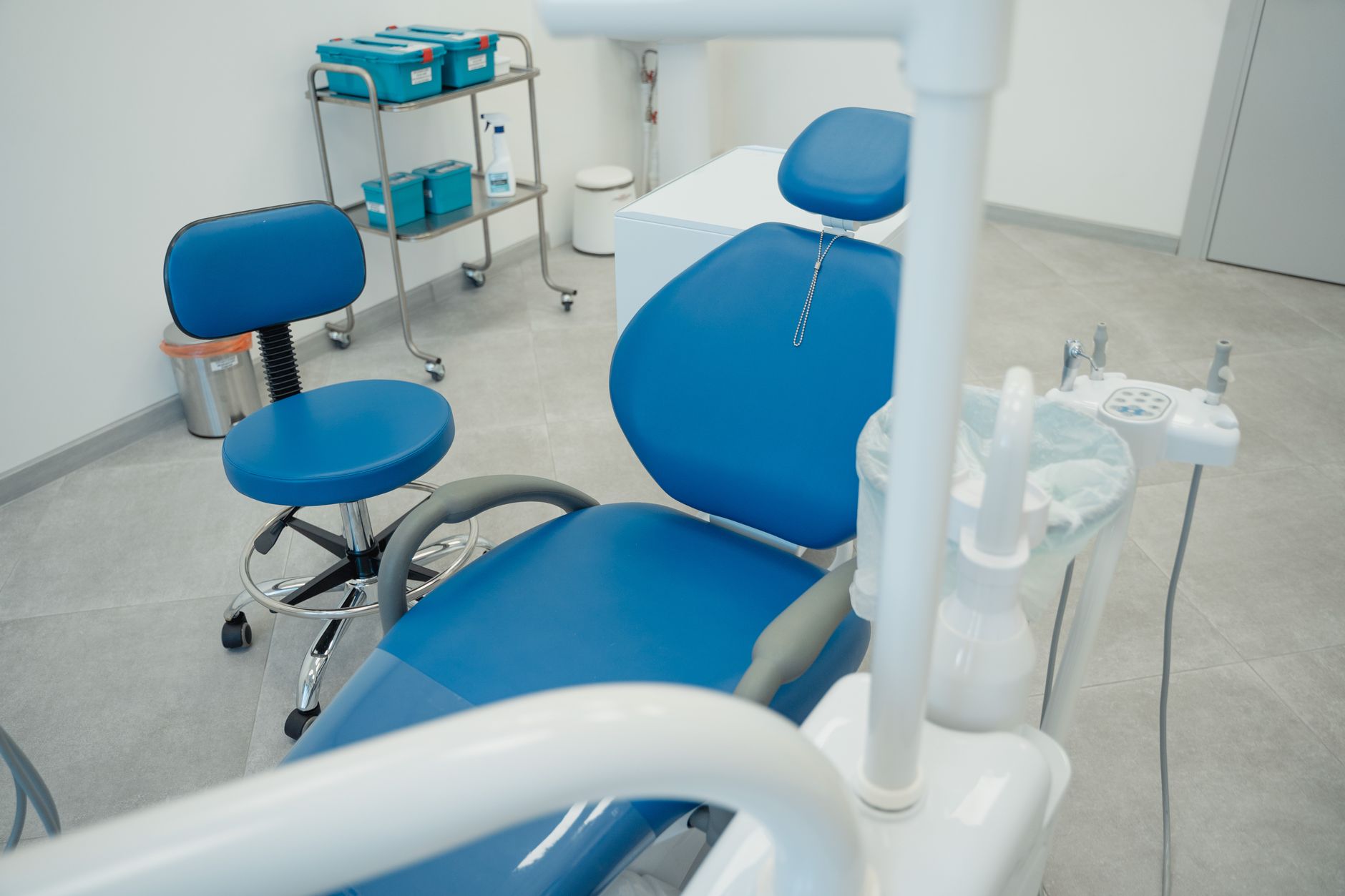
Treatments the Region Is Known For: Aesthetic, Dental and Orthopaedic Care
Antalya's medical belt has developed particular strengths in three areas. Aesthetic and plastic surgery is one of the region's flagship offerings, with clinics specializing in rhinoplasty, breast surgery, body contouring, hair transplantation and non-surgical treatments such as laser resurfacing and injectables. The warm climate and long recovery-friendly seasons make the coast an attractive place for procedures that benefit from a calm, sunny convalescence.
Dental care is another major draw. Antalya's dental clinics are known for implantology, full-mouth rehabilitation, veneers, crowns and smile design, often using digital workflows that shorten treatment times. Many clinics offer package arrangements that include multiple appointments spaced across a stay, allowing patients to combine treatment with time by the sea between visits.
Orthopaedic care rounds out the belt's specialities. Clinics and hospitals in the region perform joint replacement, arthroscopy, sports injury repair and spine procedures, supported by modern rehabilitation facilities. The region's focus on orthopaedics is a natural fit: recovery from joint surgery benefits enormously from gentle movement, warm weather and a low-stress environment, all of which Antalya provides in abundance.
Many patients describe the region's clinics as striking a rare balance: the precision of modern European medicine delivered with the unhurried warmth of the Mediterranean.

Planning a Doctor-Approved Recovery Period
Perhaps the most important part of any medical journey is what happens after treatment. A successful outcome depends as much on recovery as on the procedure itself, and Antalya's clinics take recovery planning seriously. Before you travel, your clinic should provide a personalized recovery plan: how long to stay, what activities to avoid, which follow-up appointments are needed and when you can safely fly home. Ask for this in writing and confirm that your surgeon will personally sign off on your discharge and fitness to travel.
Build your itinerary around that plan. For many aesthetic and dental procedures, clinics recommend staying in Antalya for seven to fourteen days, with the first few days reserved for rest and the remainder for gentle recovery and follow-up. Orthopaedic patients may need longer, and your surgeon may recommend a structured physiotherapy schedule that can be arranged locally. Never book a return flight before your doctor confirms you are fit to fly — swelling, healing and post-operative checks all influence the timeline.
Choose accommodation that supports recovery. A quiet hotel or serviced apartment with air conditioning, easy lift access, comfortable bedding and room service is often better than a busy resort in the first days after treatment. Many clinics in the medical belt partner with nearby hotels that understand post-operative needs, including dietary requirements and reduced-mobility access.
Finally, follow aftercare instructions meticulously. Take prescribed medication, attend every follow-up appointment, keep incisions clean and avoid sun exposure, alcohol and strenuous activity as advised. Arrange a virtual follow-up with your clinic for after you return home, and keep your discharge summary and photographs of your healing progress so your local doctor can take over care smoothly if needed.
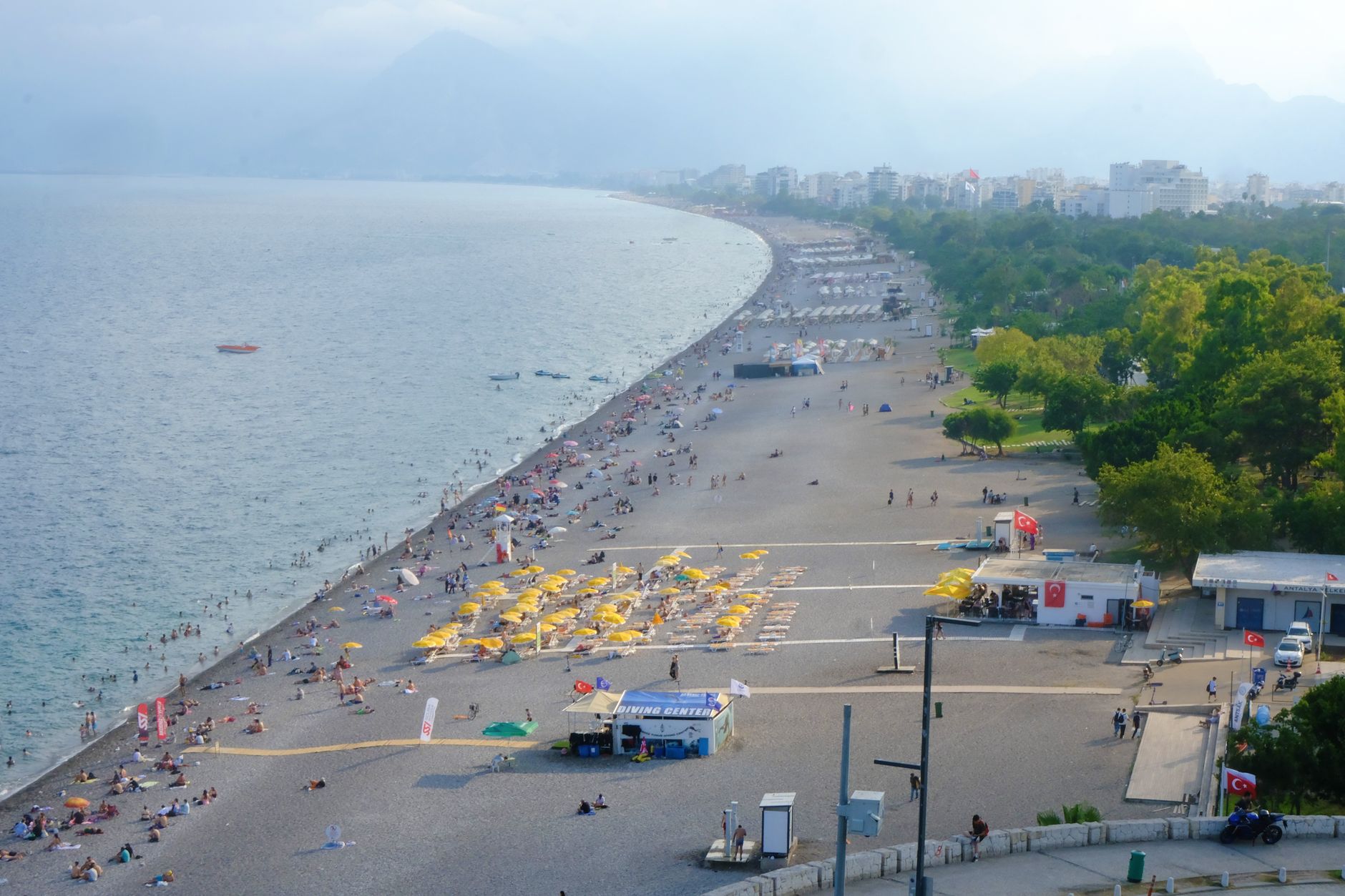
Getting There: Direct International Flights and Local Logistics
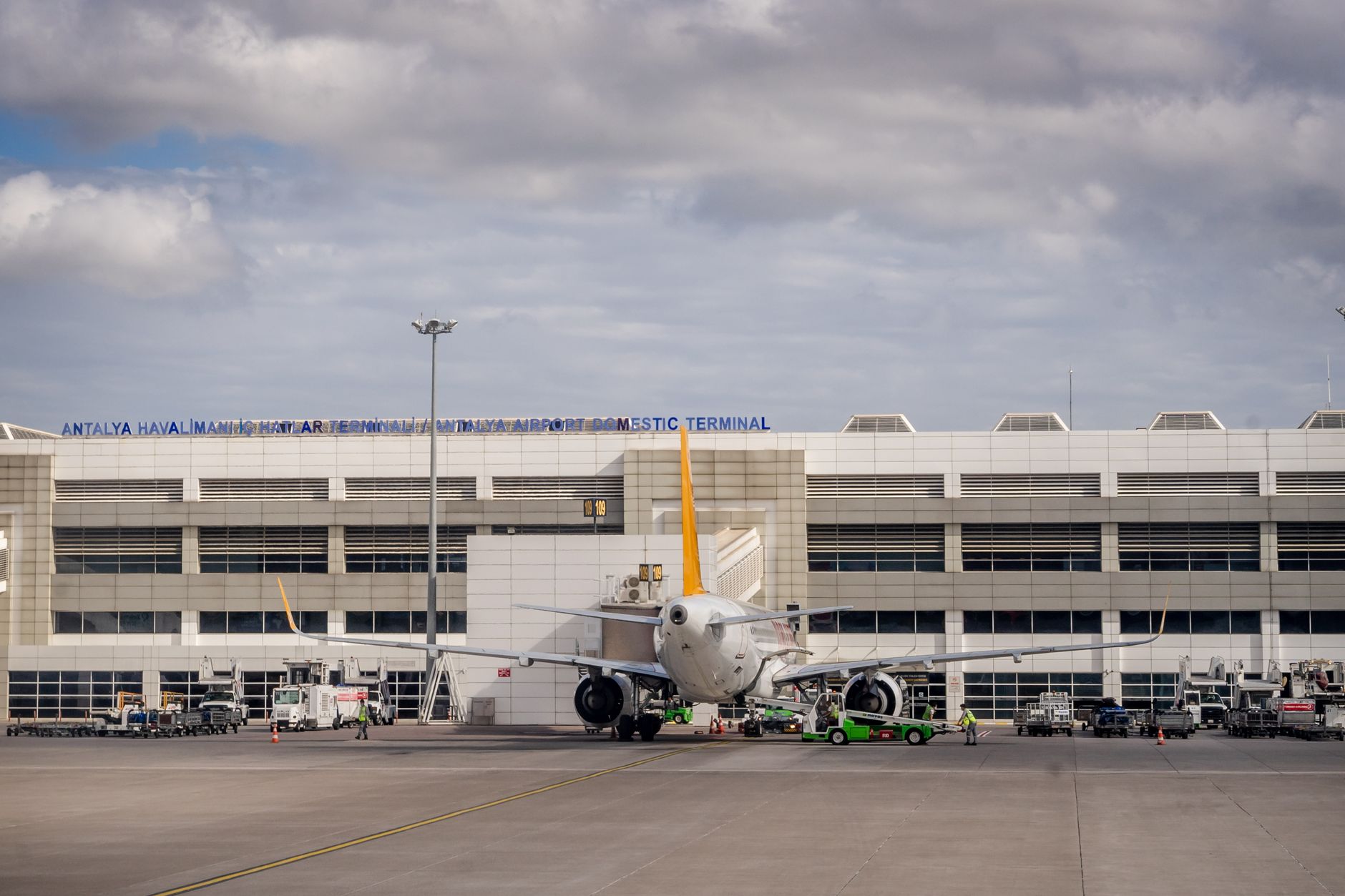
One of Antalya's greatest practical advantages is accessibility. Antalya Airport (AYT) is one of Turkey's busiest international gateways, with direct flights from dozens of European cities including London, Berlin, Amsterdam, Moscow, Stockholm and Vienna, plus connections across the Middle East and Asia. During the summer season, flight frequencies increase dramatically, making it easy to find convenient arrival dates.
Many clinics offer airport pickup as part of their patient packages. Transfers typically take 20 to 40 minutes depending on whether your clinic is in the city centre, Lara or Konyaaltı. Within the city, taxis, ride-hailing apps and private drivers are readily available, and most clinics will arrange transport to and from appointments if you are recovering and prefer not to drive or take public transport.
Consider travel insurance that covers medical complications, and check your policy carefully — some standard policies exclude planned procedures abroad. Your clinic can usually provide documentation for insurers, and it is wise to confirm in advance what your home insurance requires.
Recovering Well: What to Do (and Avoid) on the Antalya Coast
Antalya's setting is a genuine asset for recovery. Gentle walks along the Konyaaltı promenade, shaded seating in the old town of Kaleiçi and the sound of the Mediterranean can do a great deal for morale. Once your doctor approves light activity, short strolls, café visits and calm boat trips are often encouraged — movement supports circulation and healing. Fresh local food, including fish, vegetables, olive oil and fruit, is both delicious and conducive to recovery.
That said, recovery comes first. Avoid swimming or sunbathing until your surgeon confirms your wounds are fully closed, usually a matter of weeks. Steer clear of hammams, saunas and pools during the early healing phase, and be diligent with sun protection — the Mediterranean sun is stronger than many visitors expect. Skip alcohol while on medication and avoid long day trips, crowded excursions and anything that risks bumps, falls or overheating.
Use your downtime wisely. Many patients find that the enforced rest of a recovery stay is a rare chance to slow down: reading on a shaded balcony, short gentle walks, and quiet meals can be genuinely restorative. If you are travelling with a companion, plan low-key activities they can enjoy while you rest.

Enjoying Antalya Beyond the Clinic
Once you are cleared for more activity, Antalya rewards exploration. The old town of Kaleiçi, with its Ottoman houses and Roman harbour, is wonderfully walkable. The Düden and Manavgat waterfalls, the ancient ruins of Perge and Aspendos, and the beaches of Lara and Konyaaltı offer gentle, scenic days out. Boat trips along the coast are calm and comfortable, ideal for patients who want beauty without exertion.
Food lovers will find excellent Mediterranean cuisine — grilled fish, mezes, fresh salads and local fruits — and the city's cafés are relaxed places to spend an afternoon. For those who want a taste of the region's history, the Antalya Museum holds one of Turkey's finest archaeological collections.
Above all, take your time. The Mediterranean way of life — unhurried, warm and sociable — is part of the therapy. Antalya's clinics have built their reputation on combining technical excellence with that same spirit, and patients who embrace the pace often leave not only healed but genuinely rested.
Final Thoughts: Planning Your Antalya Medical Journey
Antalya and its surrounding medical belt offer a compelling option for international patients: modern, well-regulated clinics; specialist expertise in aesthetic, dental and orthopaedic care; direct flights from across Europe; and a recovery environment that is as kind to the body as it is beautiful. The key to a successful trip is preparation — research your clinic, confirm accreditation and surgeon credentials, get your recovery plan in writing, and build your travel itinerary around it rather than the other way around.
Speak to your chosen clinic early, ask plenty of questions and be honest about your medical history and expectations. With careful planning, Antalya can offer not just treatment but a genuinely restorative experience on one of the world's most beautiful coastlines.
Thinking about treatment in Turkey?
Send us a question about this site or about the information published on it. This is a publisher's mailbox, not a medical service and not a route to a particular provider — for clinical questions, contact your own doctor.